USA/Canada
Yellowstone National Park, USA
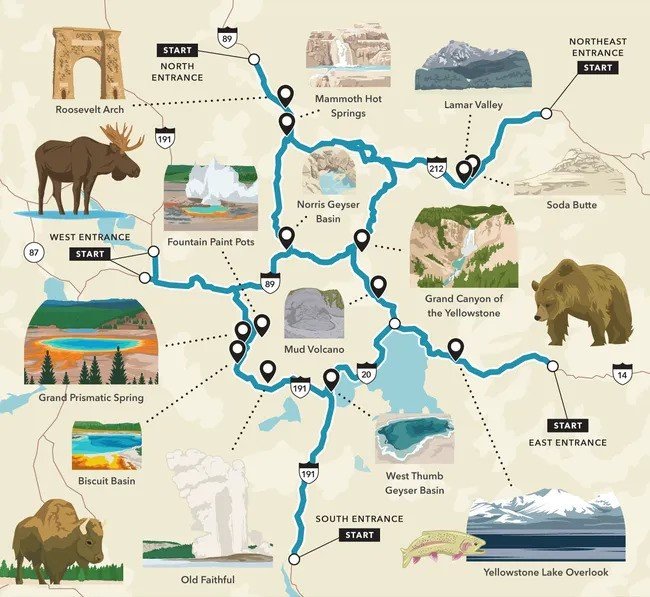
America’s oldest National Park (since 1872), Yellowstone never fails to turn on a display for its visitors. Spread across three states (Montana, Wyoming and Idaho) it is mostly contained within Wyoming. There’s quite a lot to see and do – so much so that a multi-day pass for entry into the park is encouraged.
An encounter with wildlife? Got you covered.
Prehistoric (and very pretty) geology sites? Check.
Epic scenery? Got that too.
Megafauna? Yep (just don’t get too close).
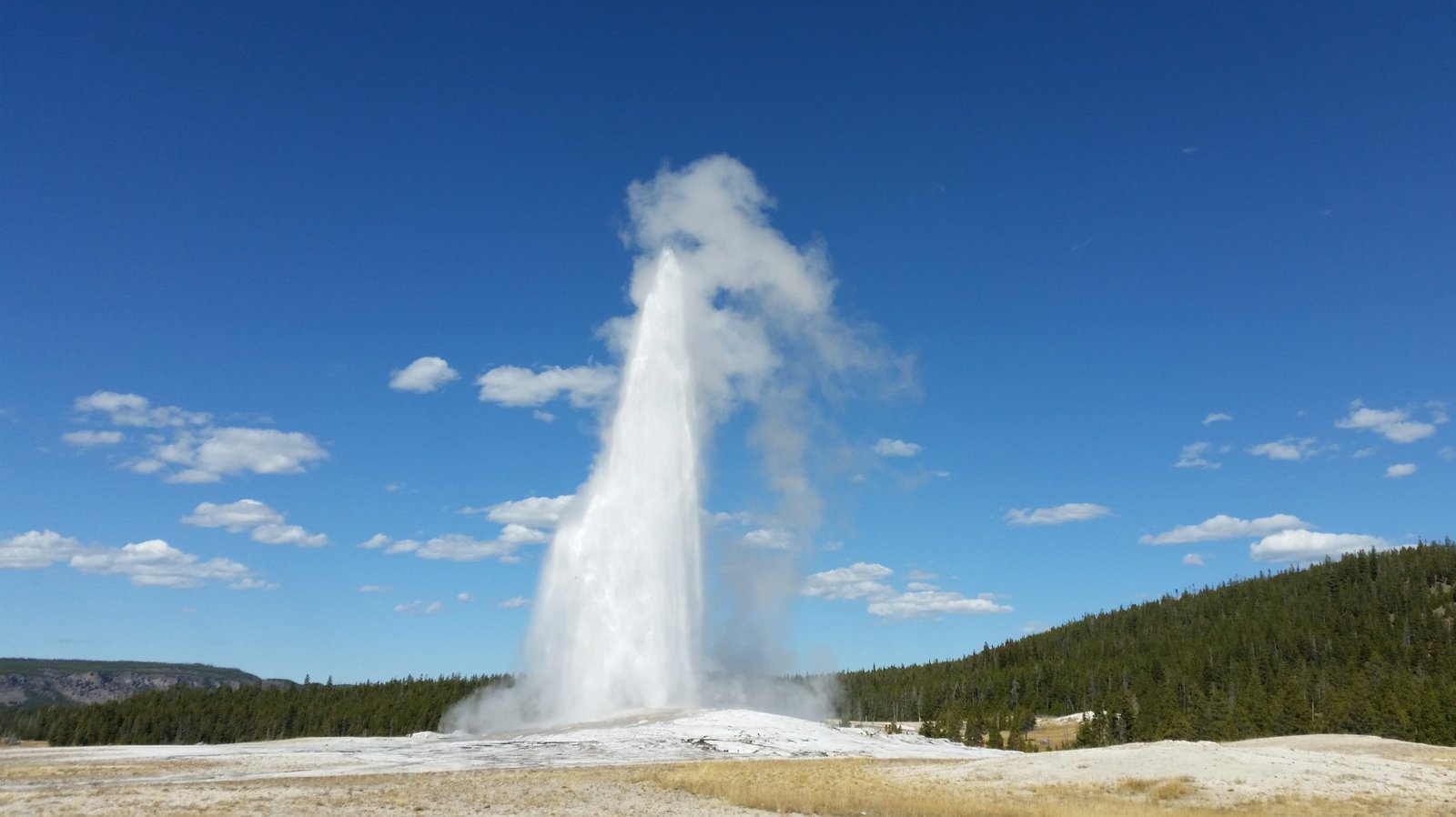
Among the things you’ll want to do is visit Old Faithful, a famous geyser shooting superheated water far into the air, at almost clock-like intervals.
There’s also plenty to learn about the park, including several visitor centres along the way.
If you’re into photography and getting those once-in-a-lifetime shots, then this is like a natural wonderland.
I brought several photographic media with me for this, as the subjects are so diverse that it’s hard to catch them “as they are” on just one.
For instance, the GoPro was employed for on-the-go motion and wide shots, a phone camera for supplemental media and the digital camera for the majority of scenery and wildlife images. On this page is just some of the imagery within this awesome piece of Americana.
Megafauna and other Wildlife
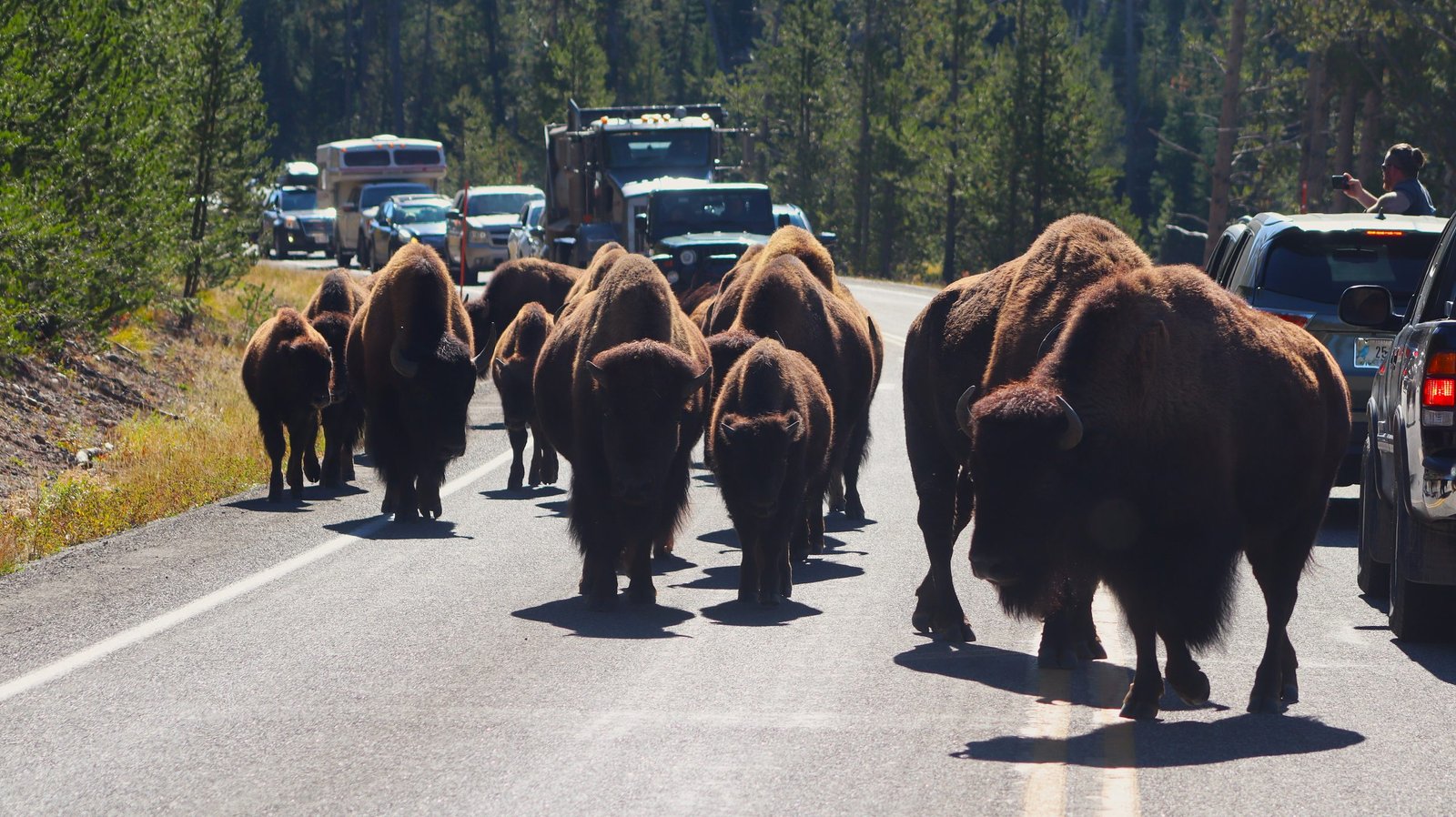
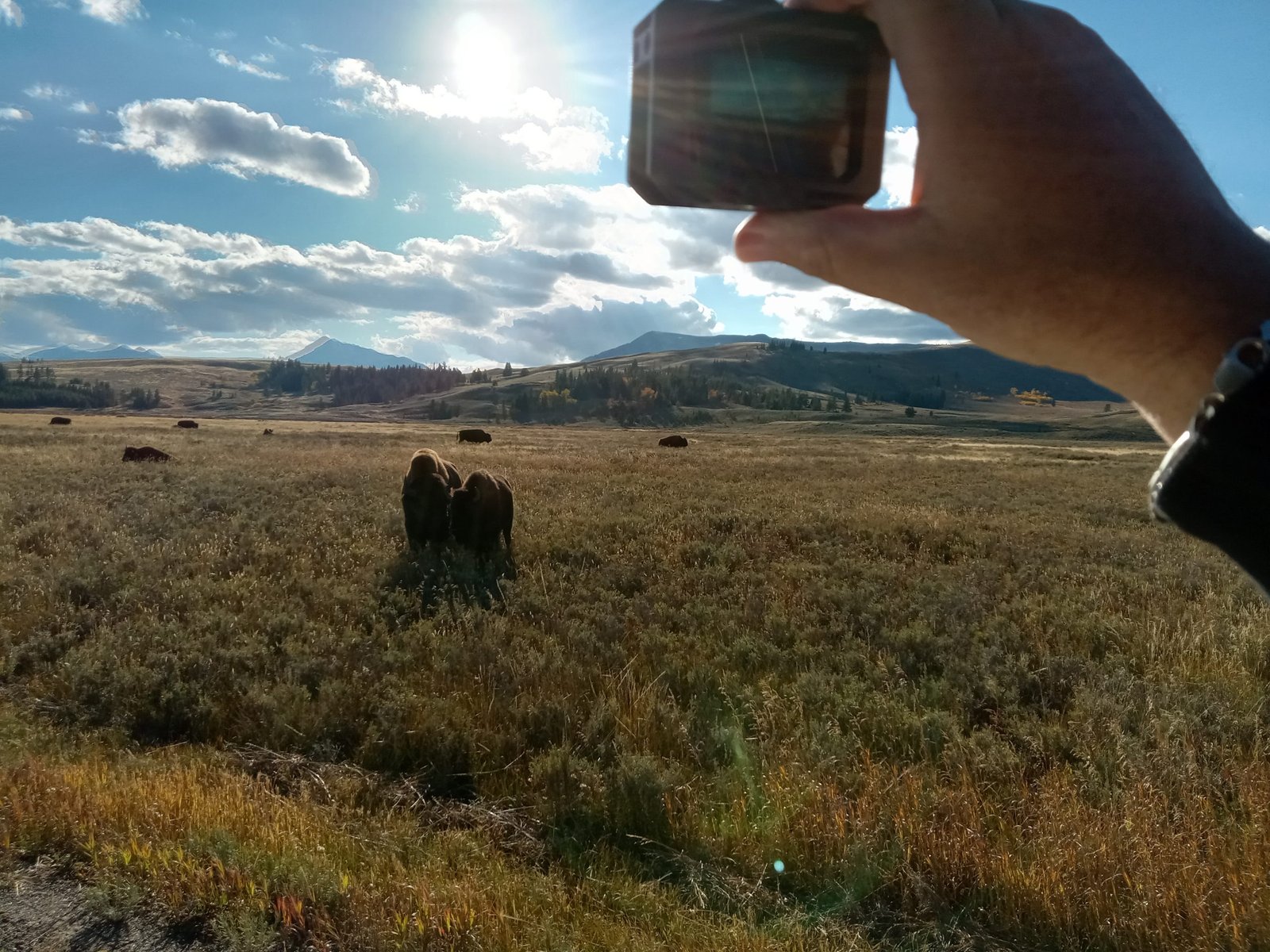
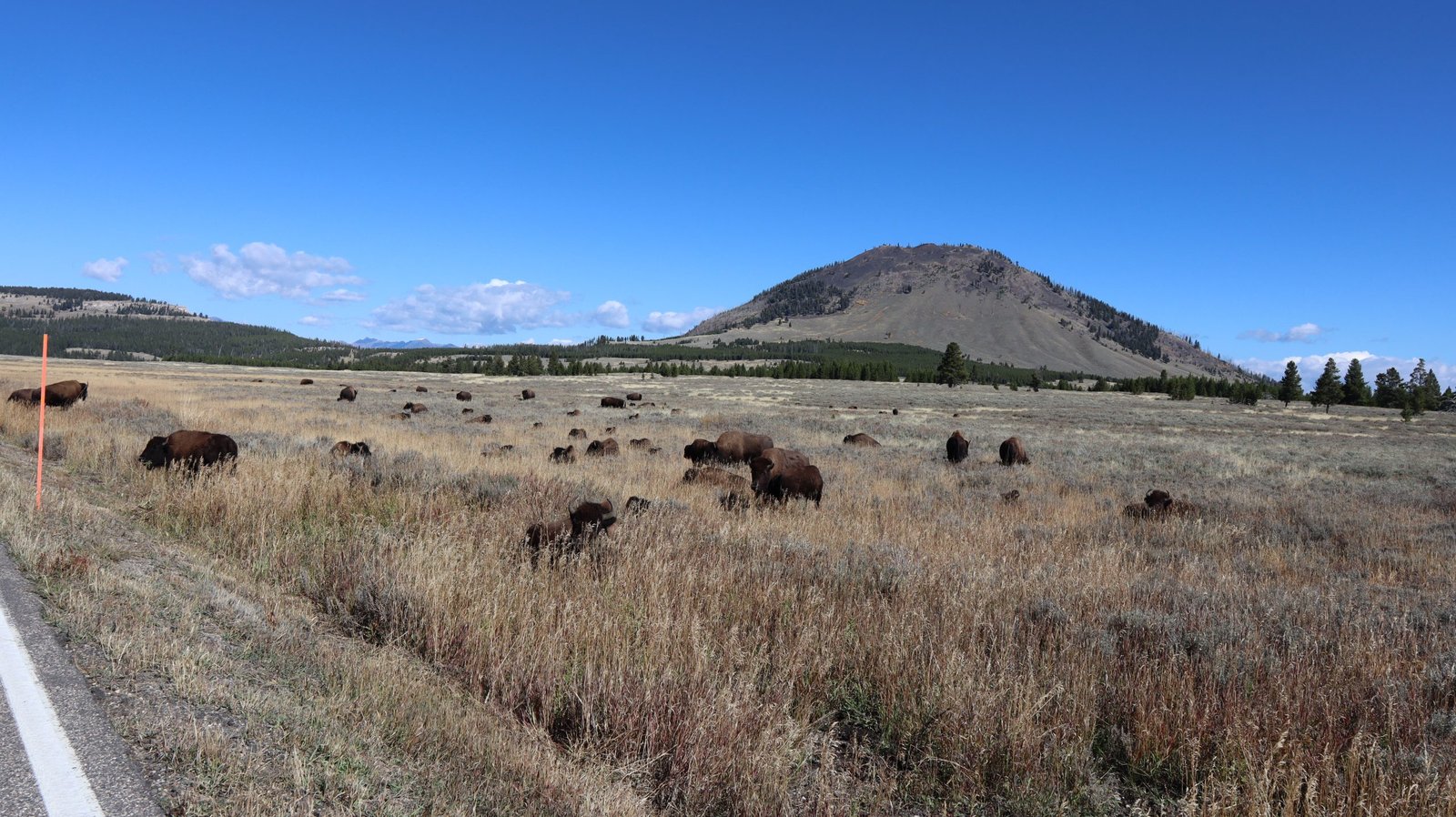
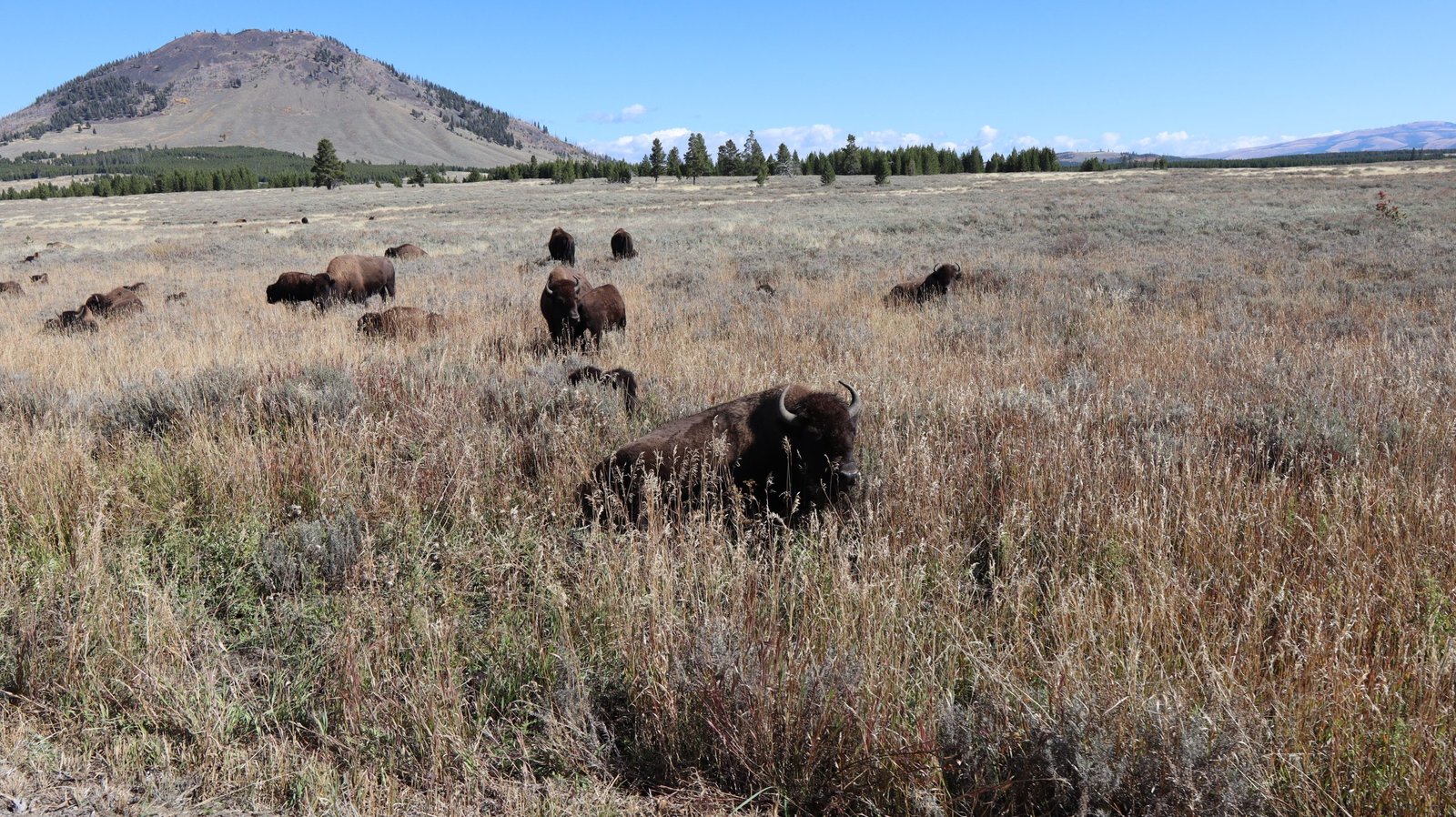
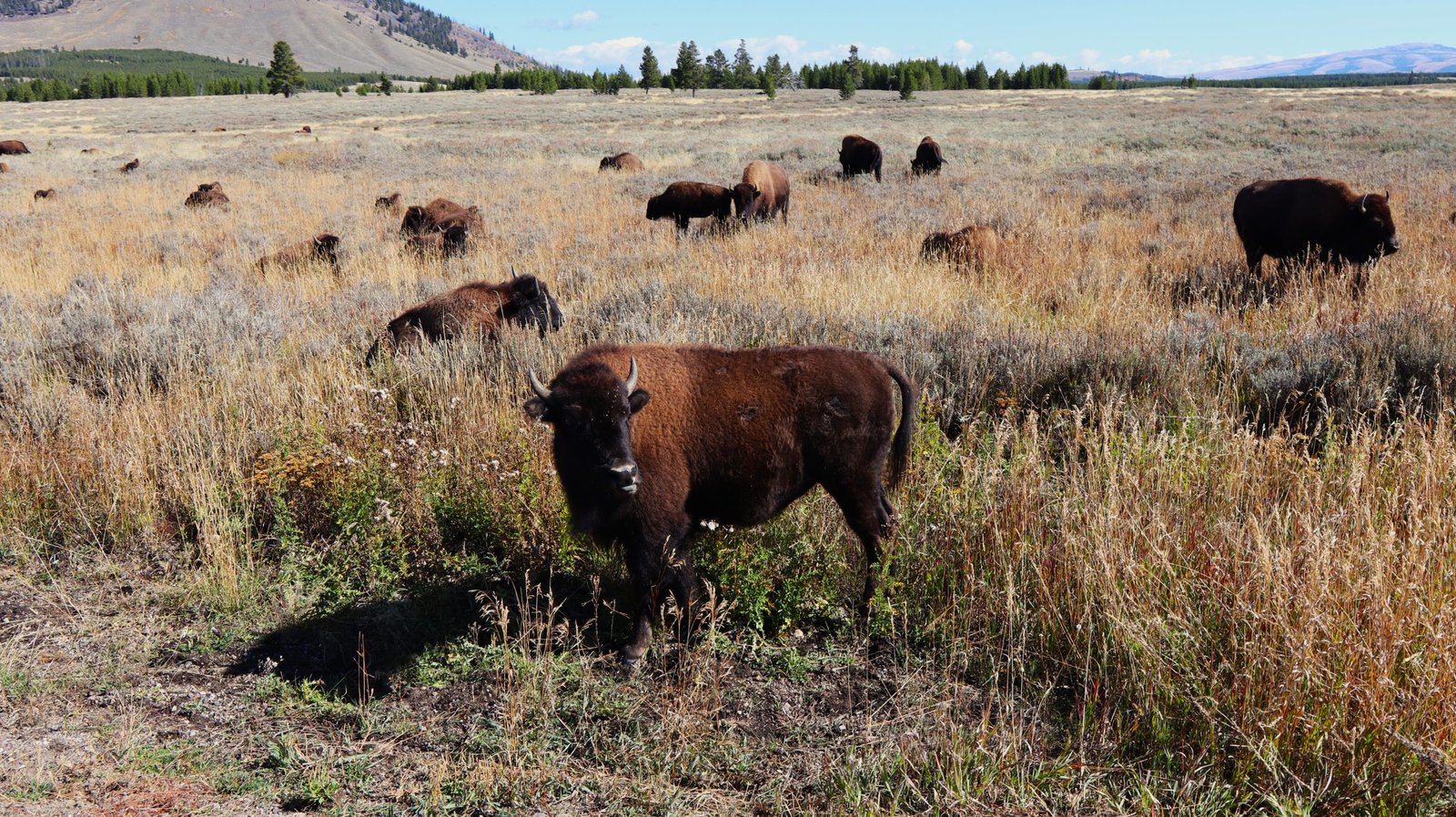
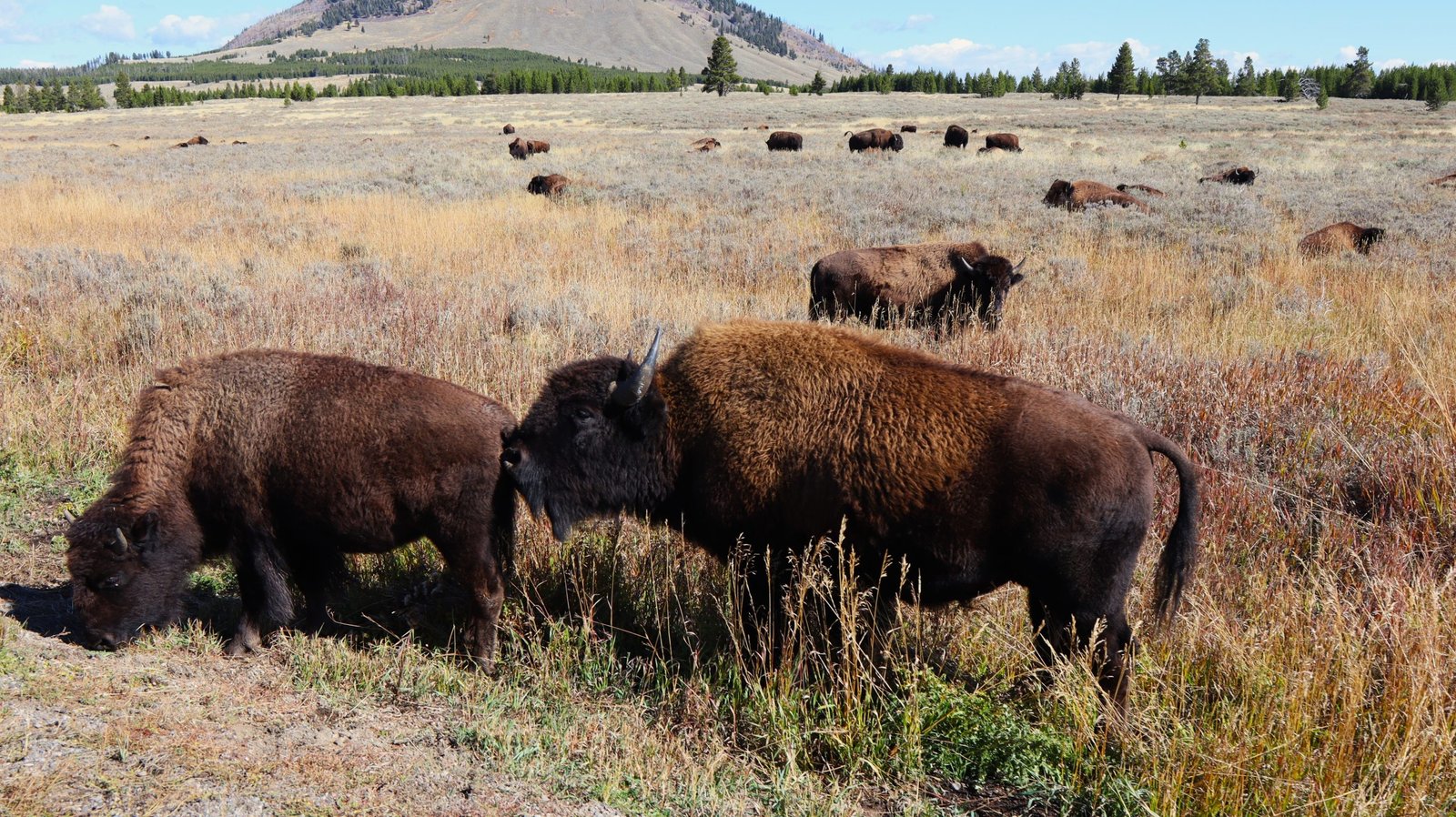
The bison don’t seem to care about roads, or people, or traffic. This is their area, and under Federal National Park law, you are in their way. What this means is that if you see wildlife crossing the road (anything within the park), then it’s protected by the US National Park Service. This leads to quite a few traffic jams, all so that these animals can make it to one side of the park or the other (quite often from home to a grazing area or vice versa). And as you’ll see, it’s also a prime opportunity for people to get their cameras out.
This is all good, but these animals are not to be approached – they’re still wild and, if seen in herds like this, can cause injury to anyone, or damage to anything if panicked.
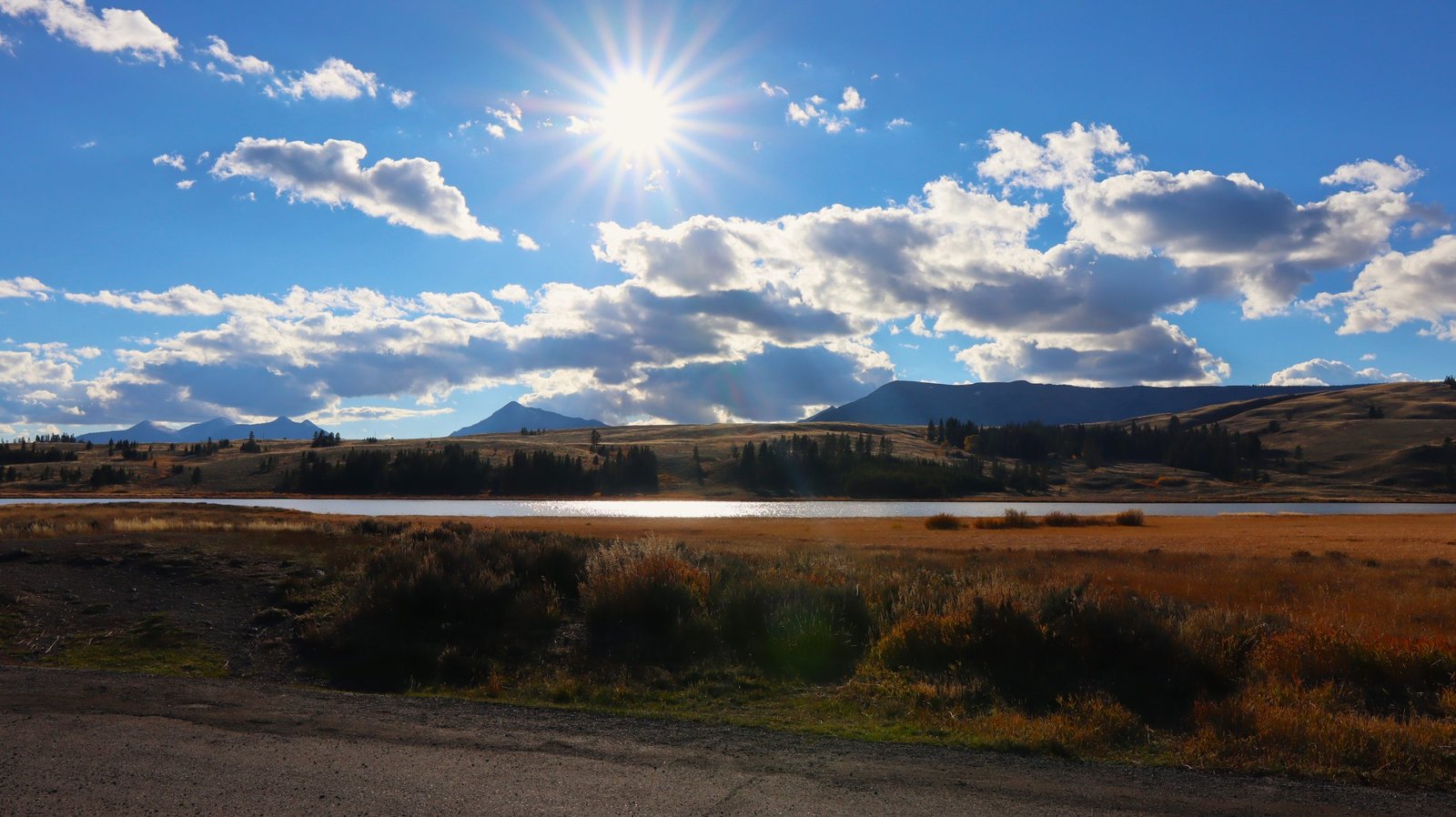
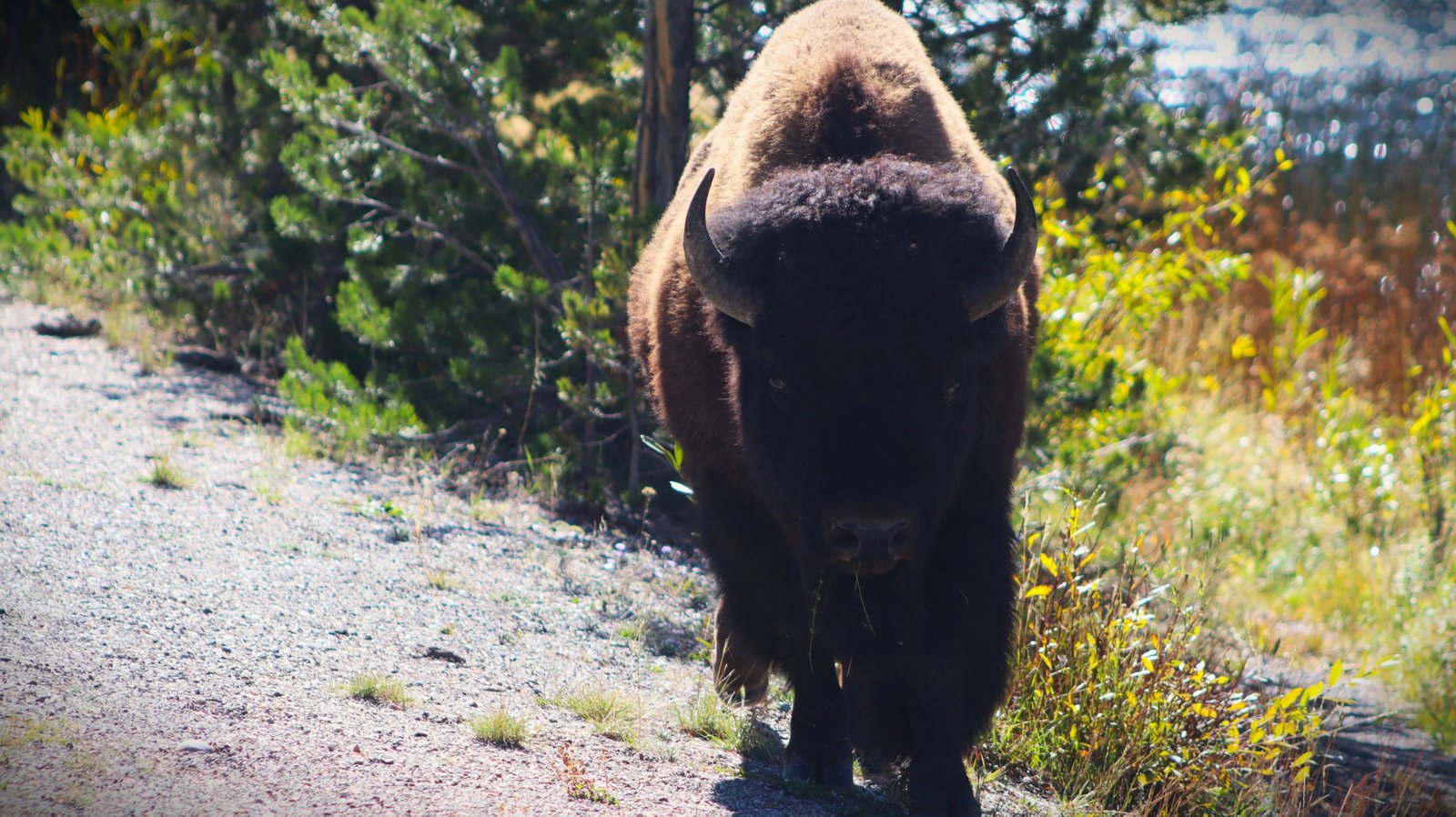
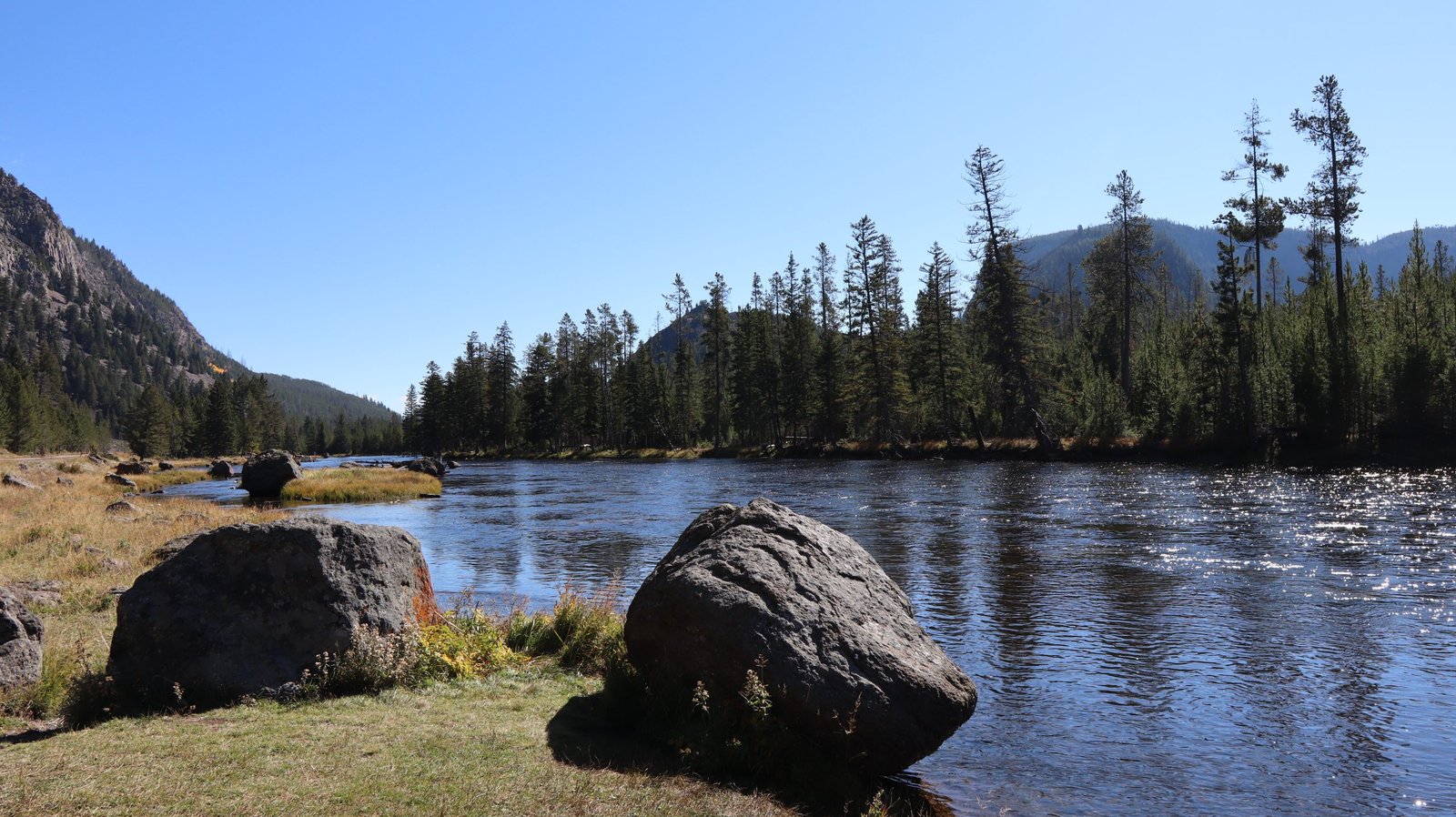
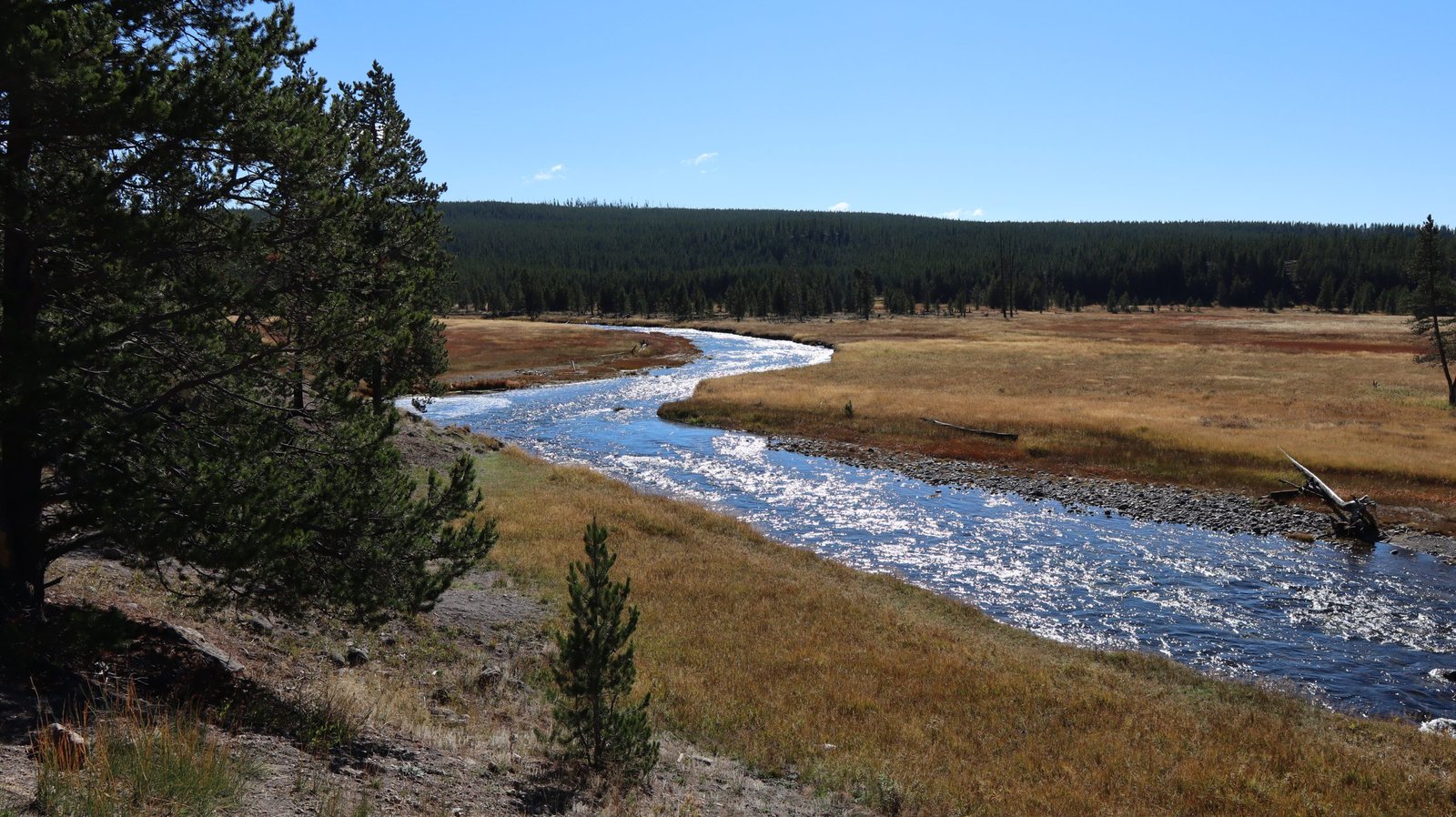
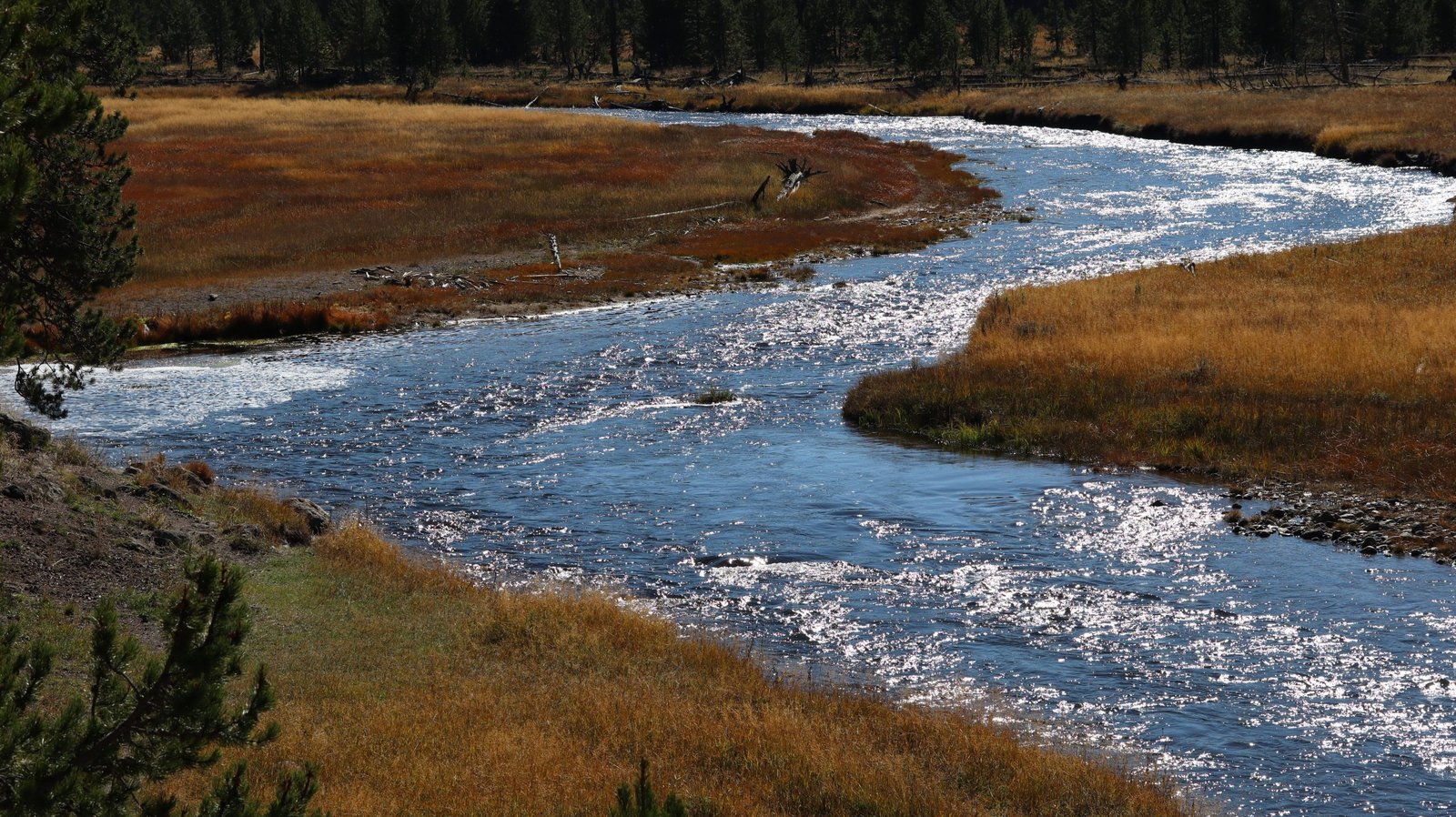
Below is just a sample of the collection of landscape and wildlife media taken from Yellowstone – some even from within a vehicle.
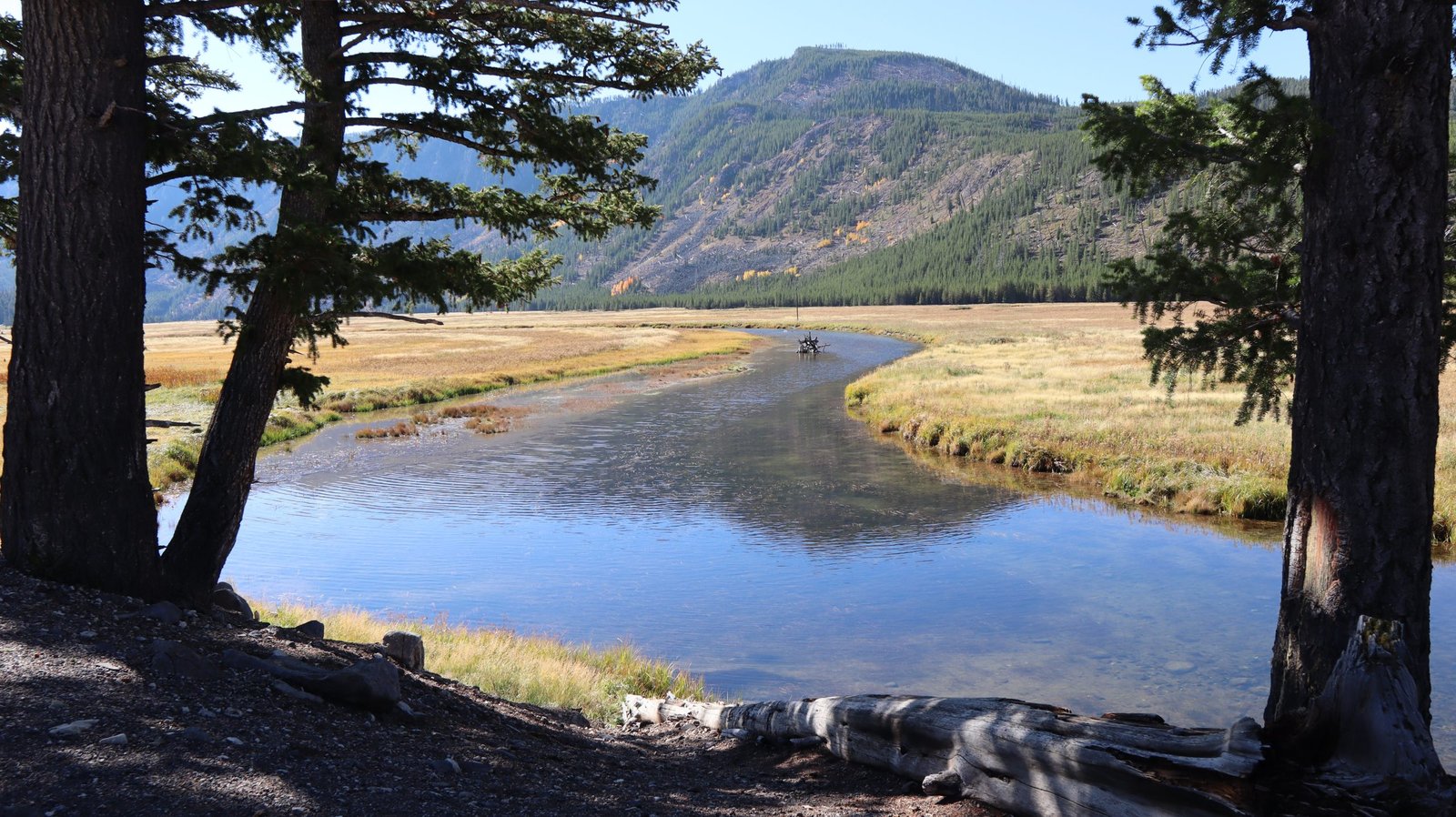
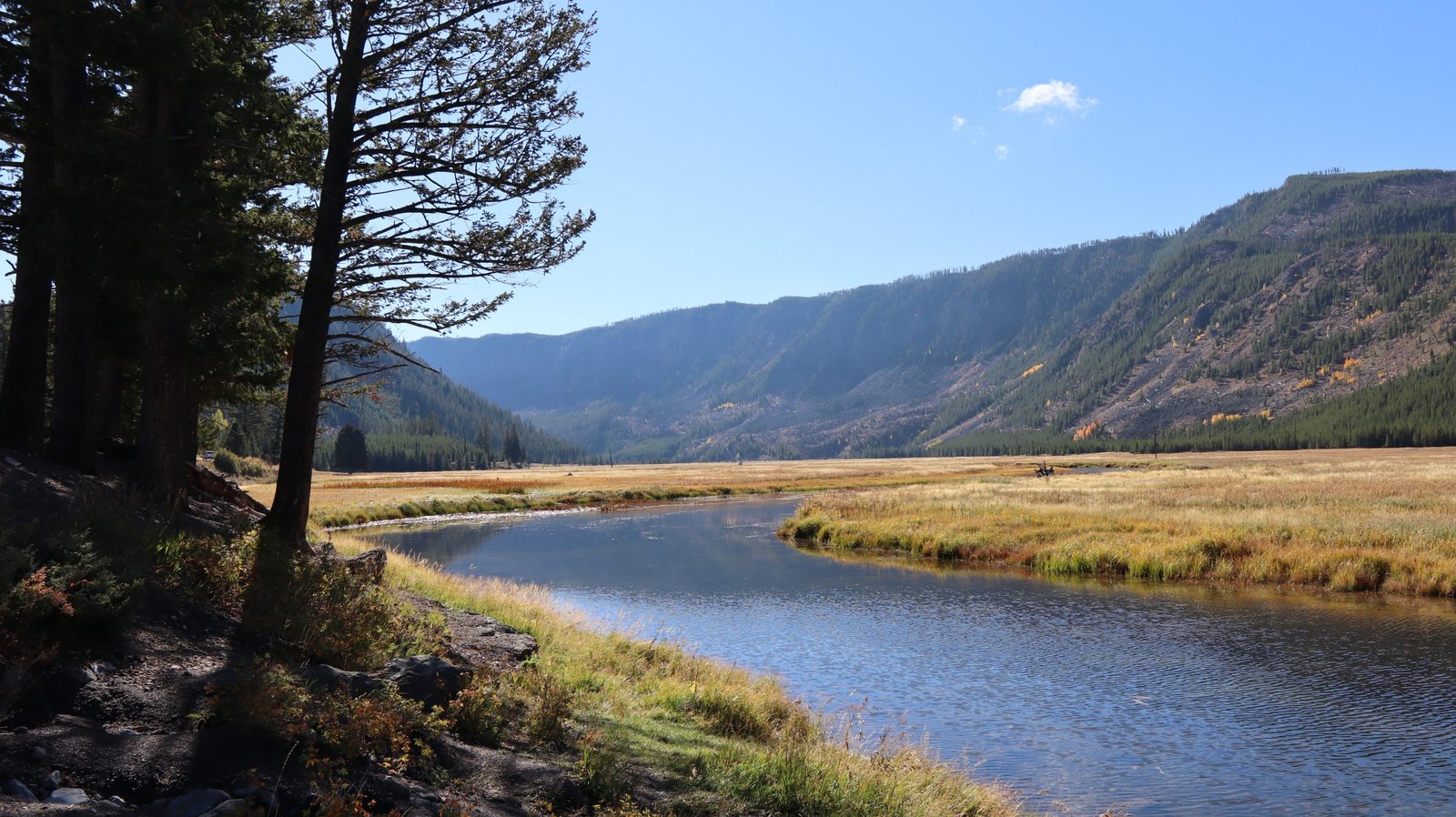
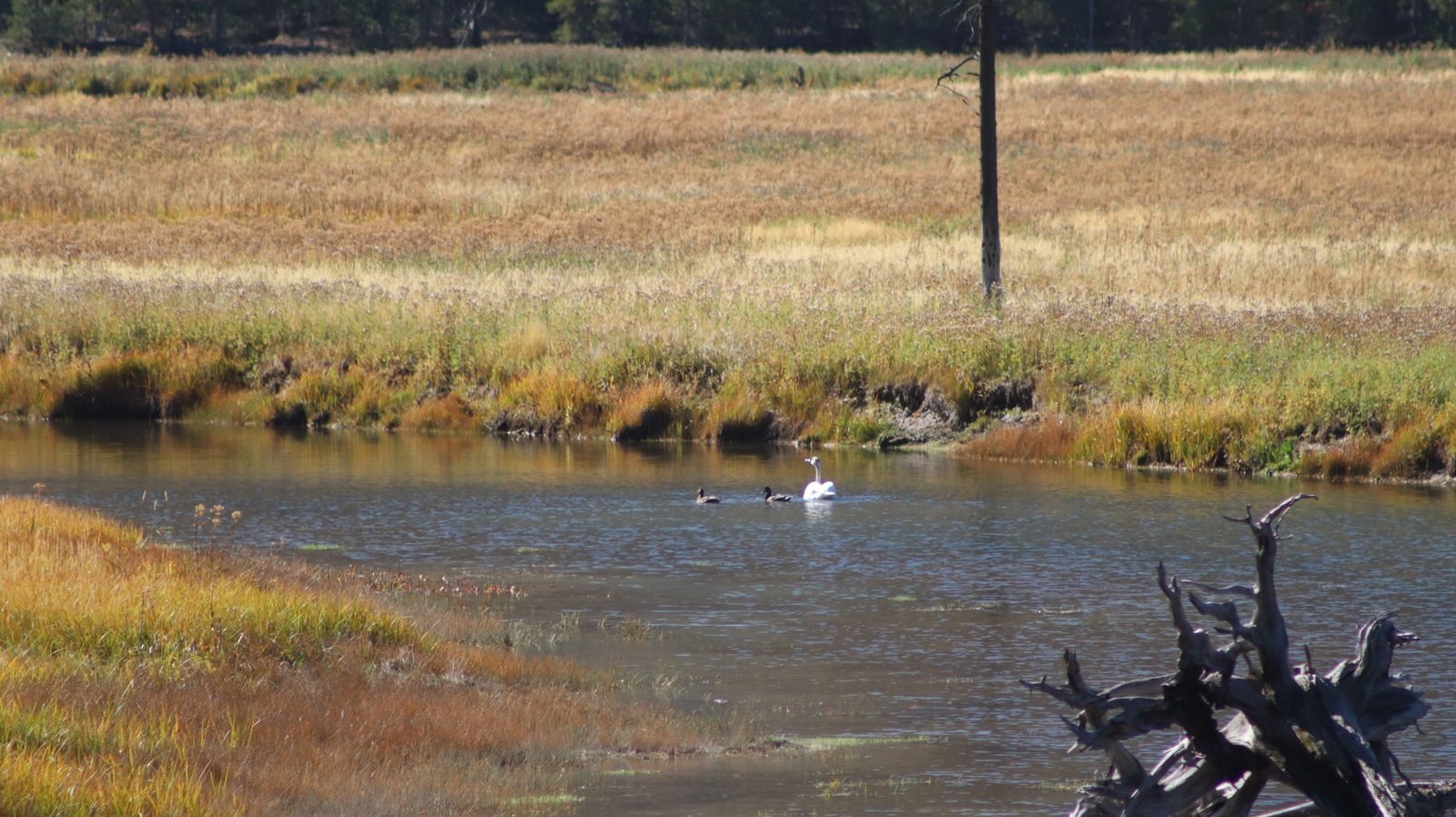
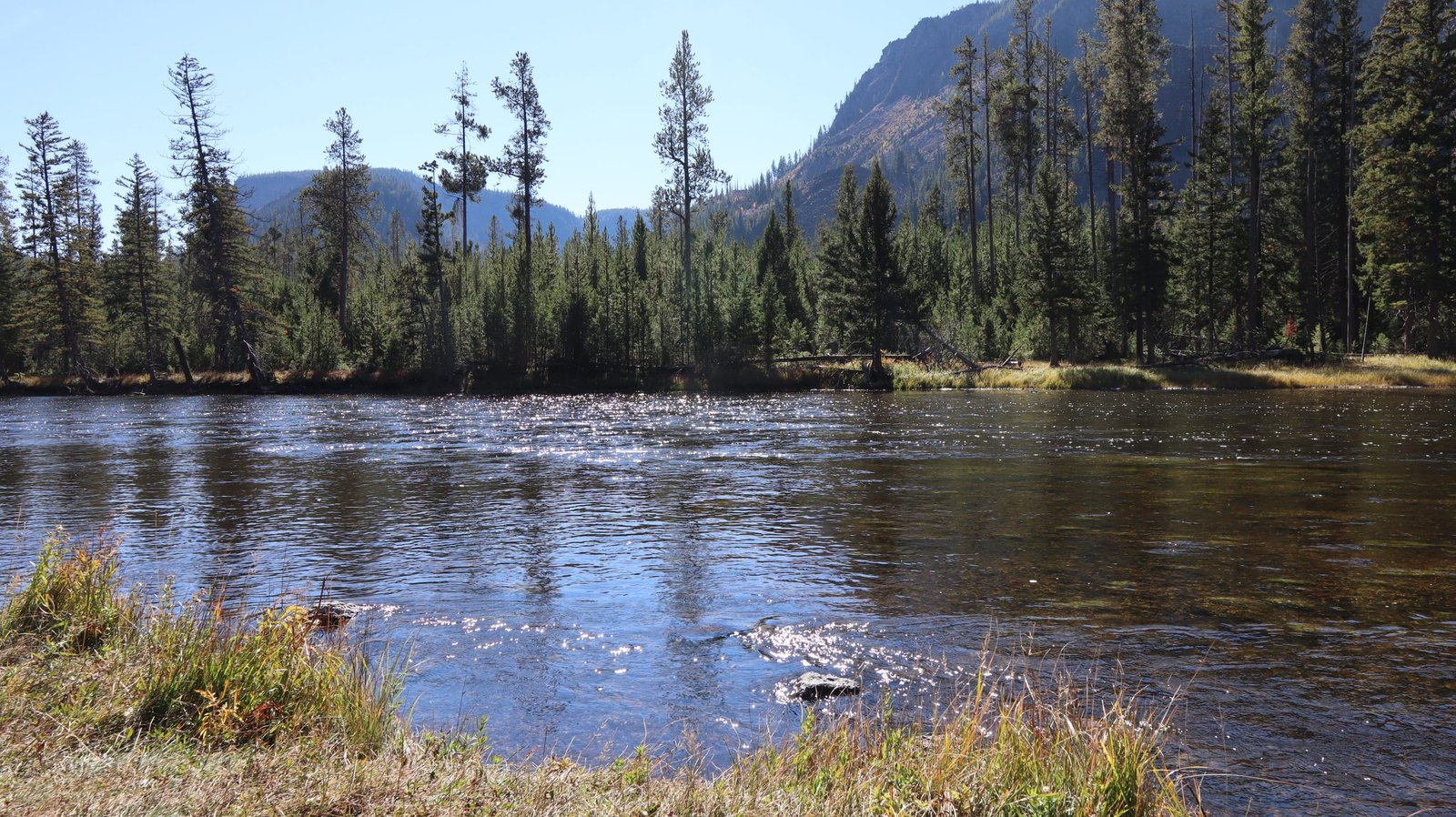
Mammoth Hot Springs
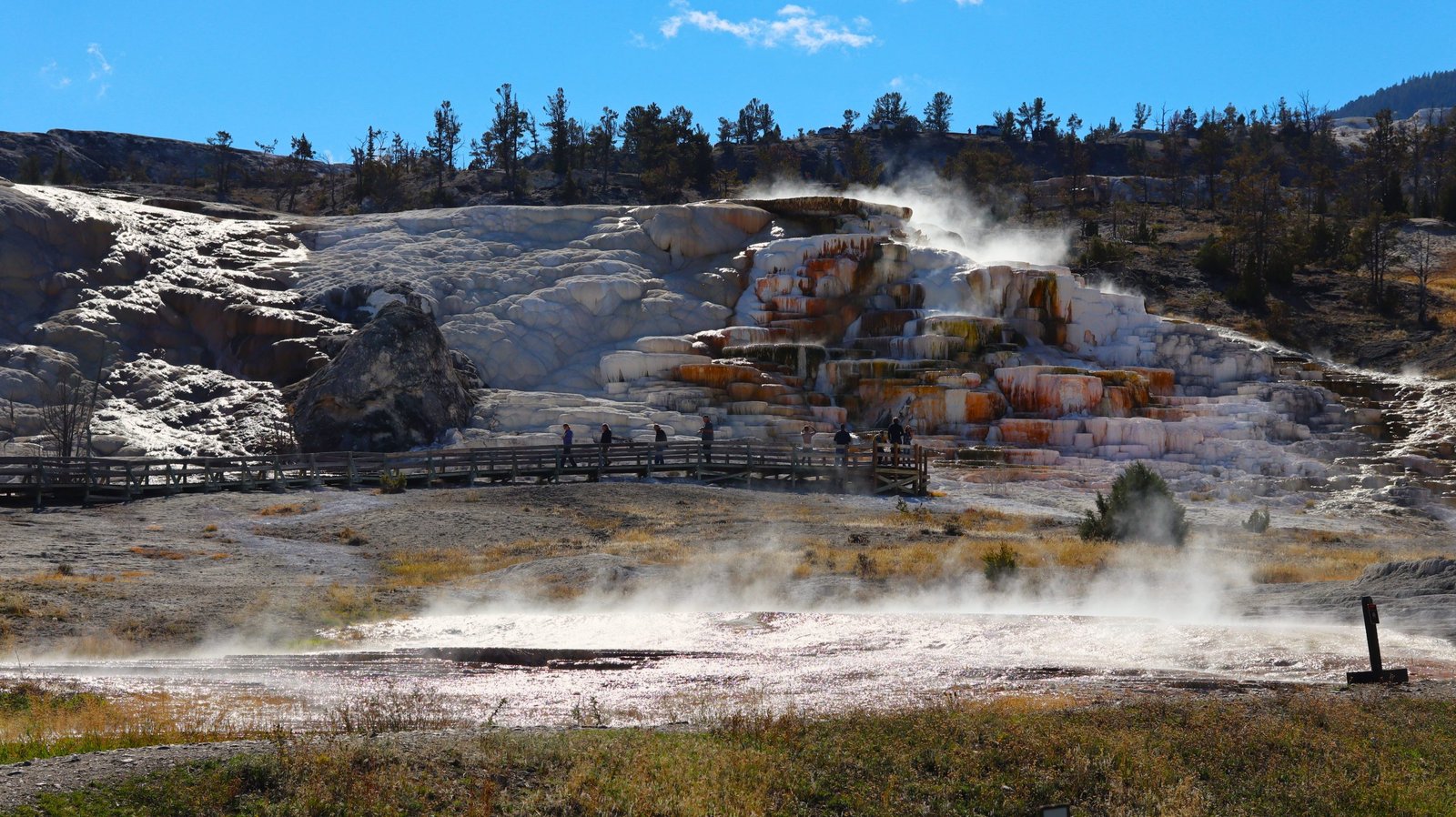
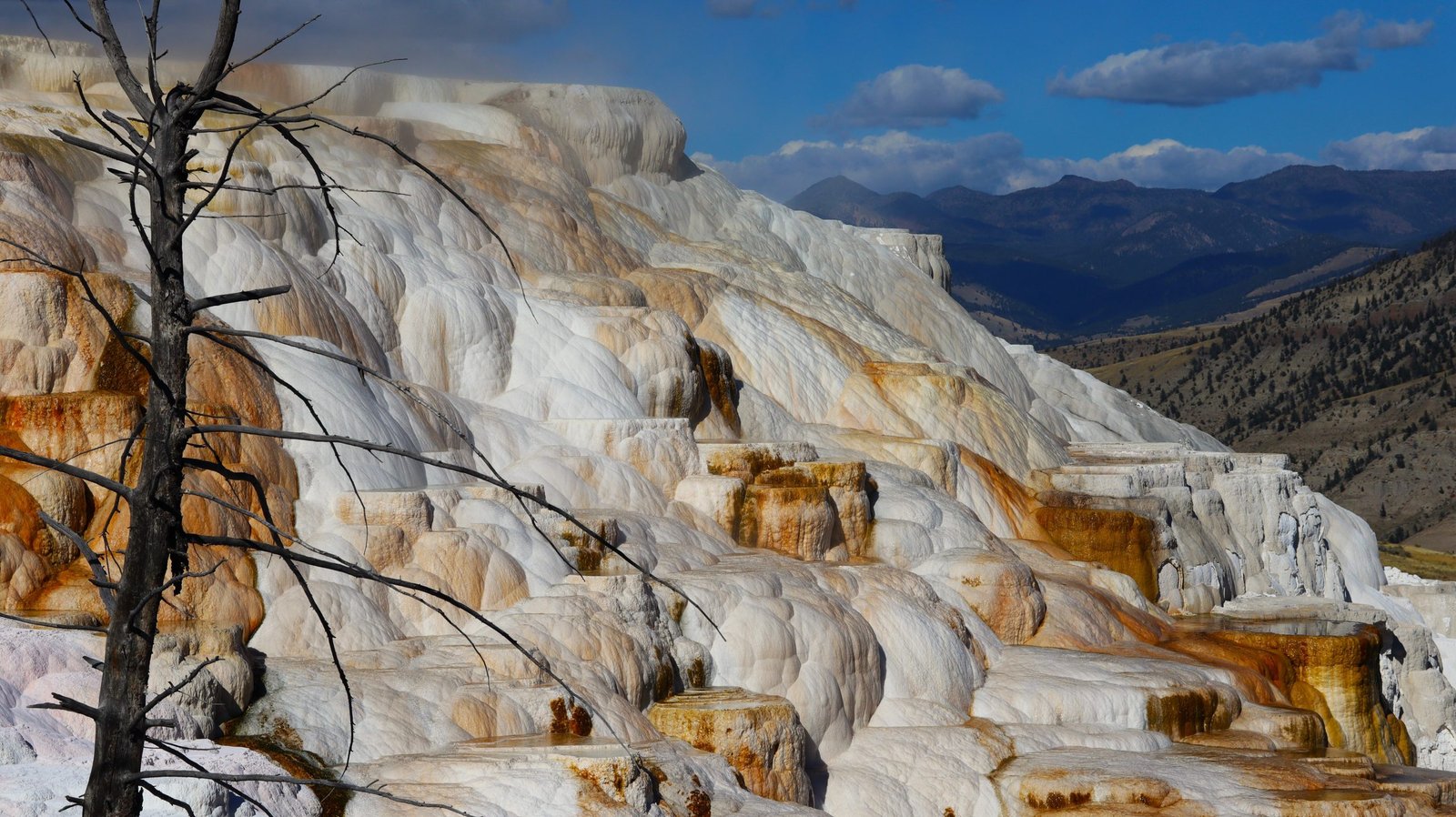
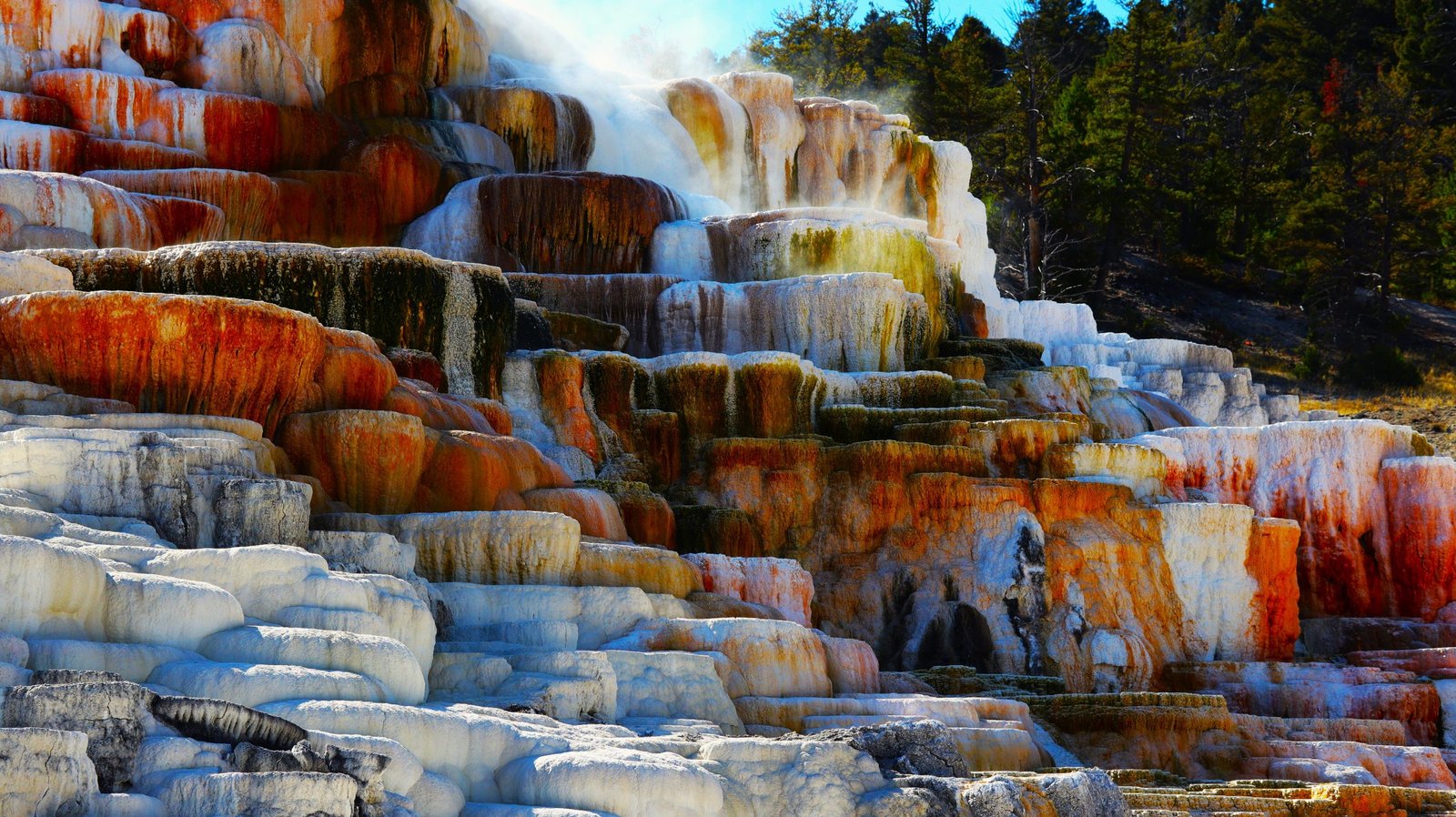
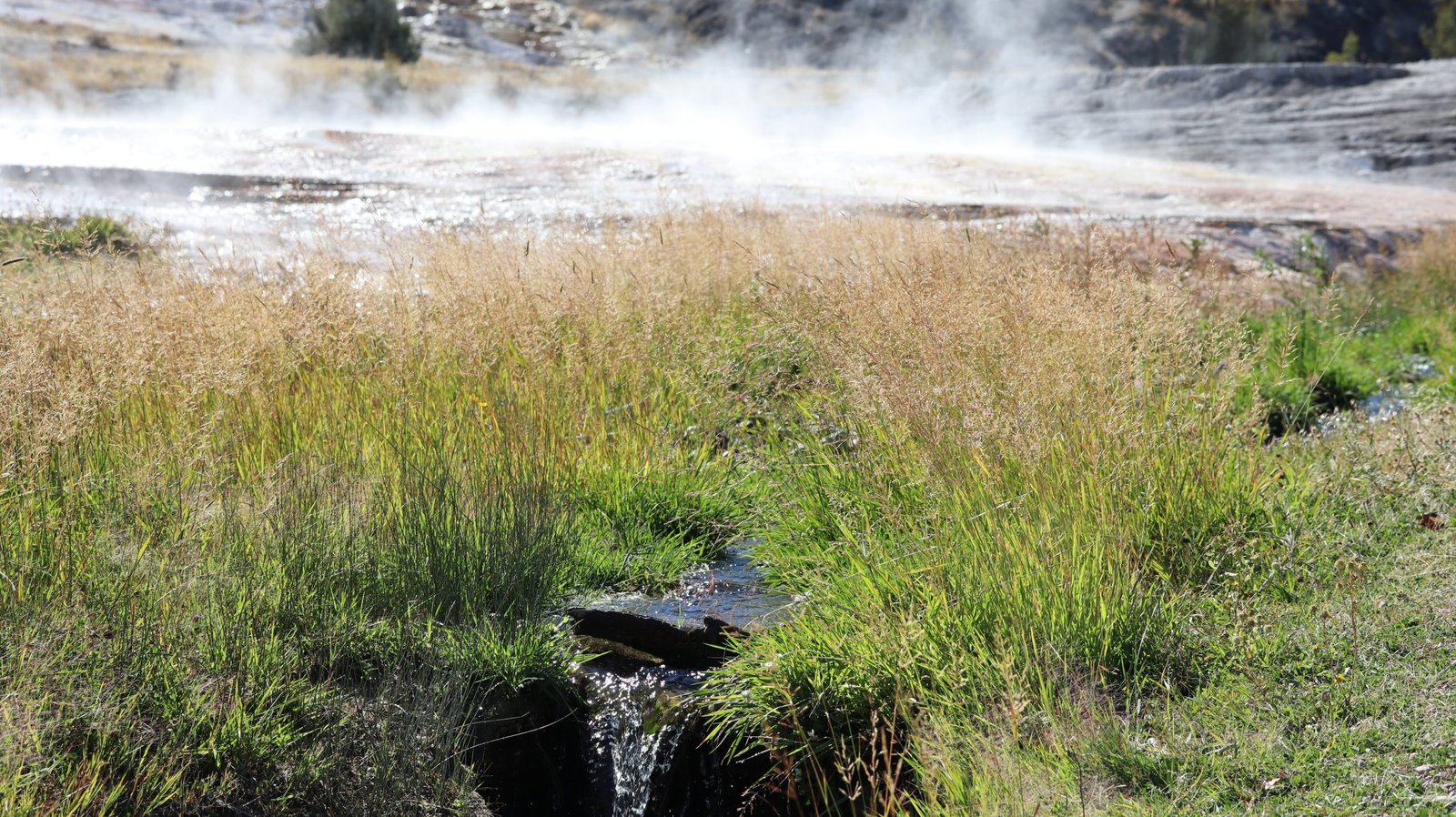
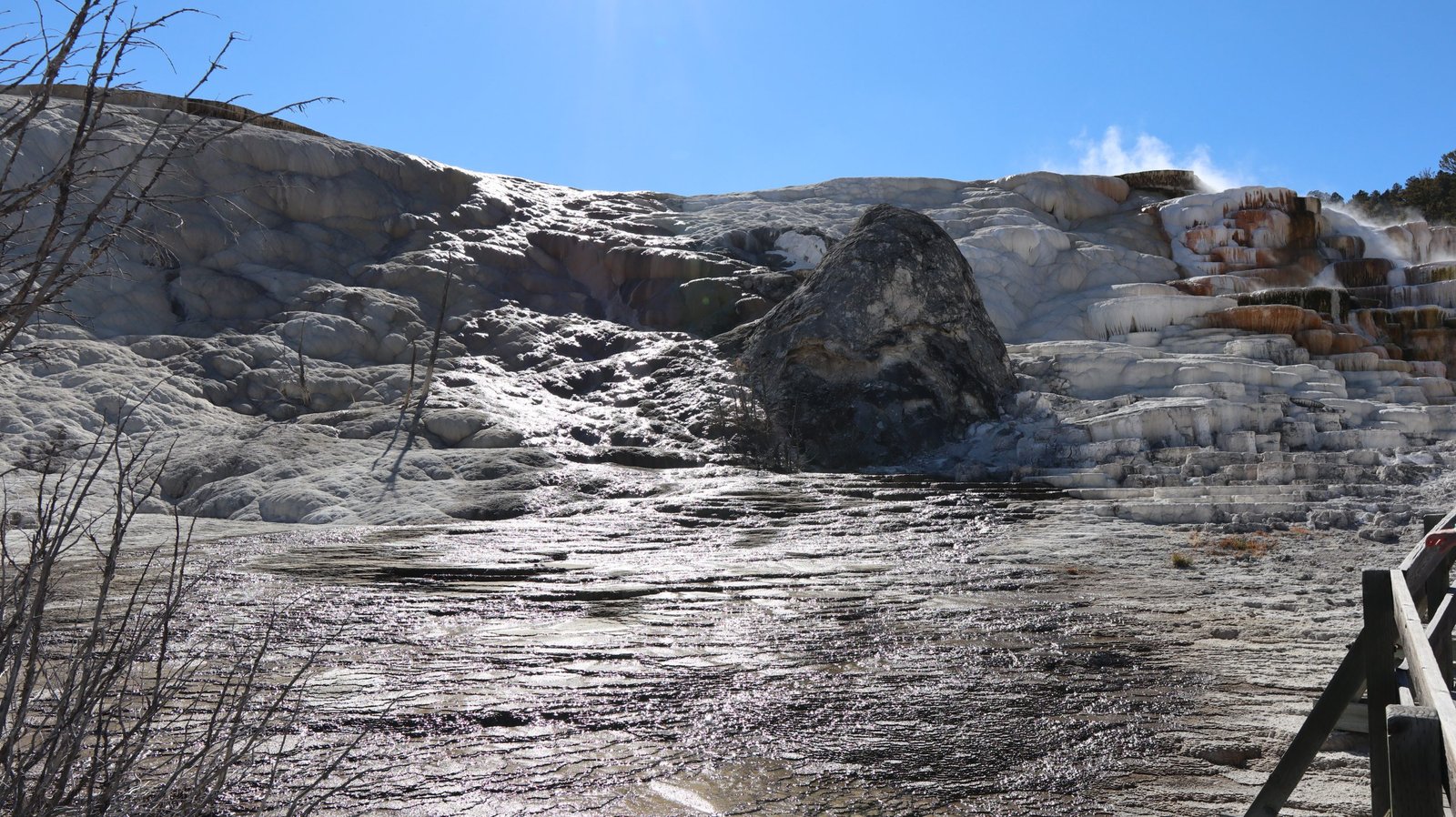
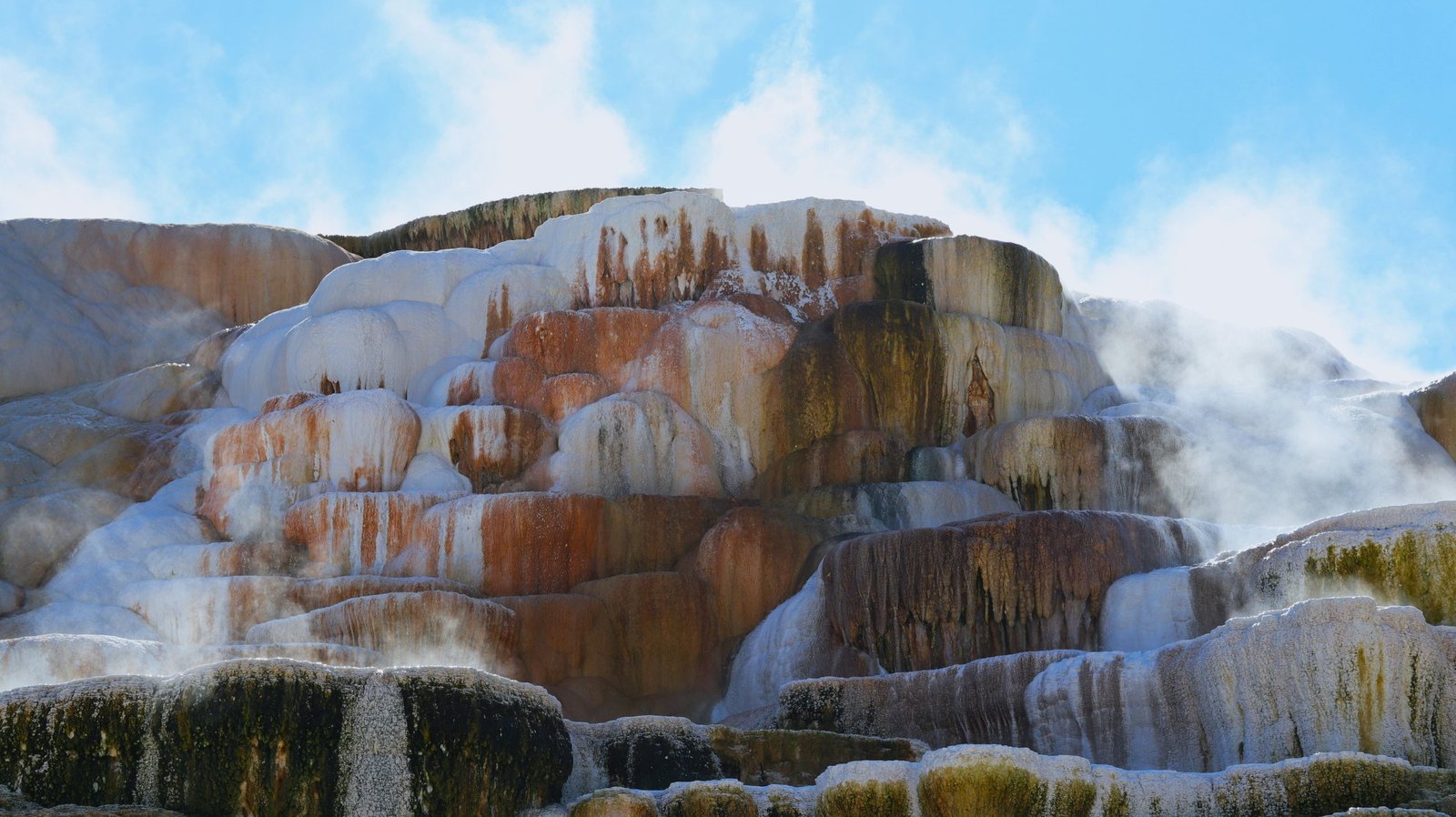
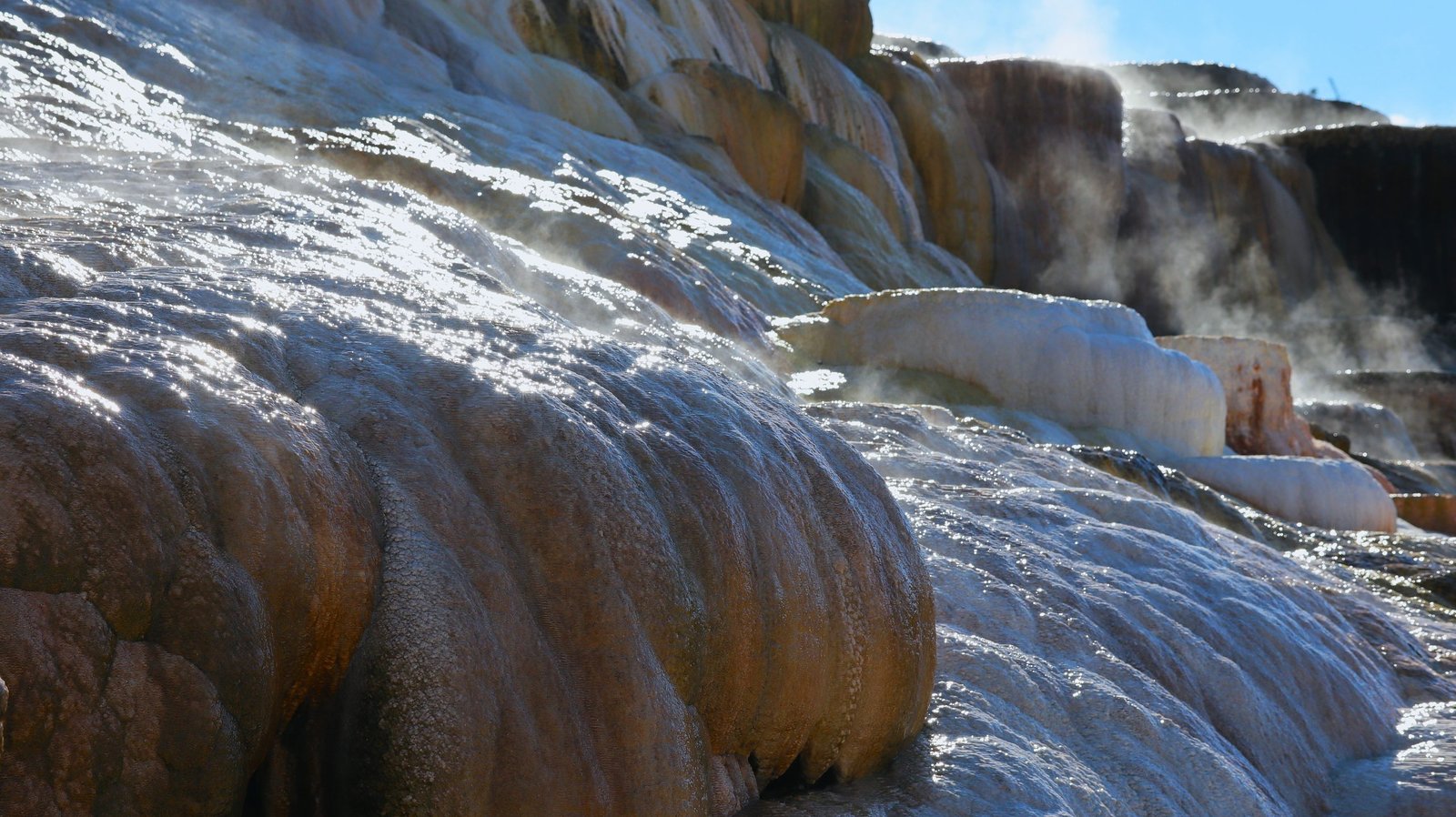
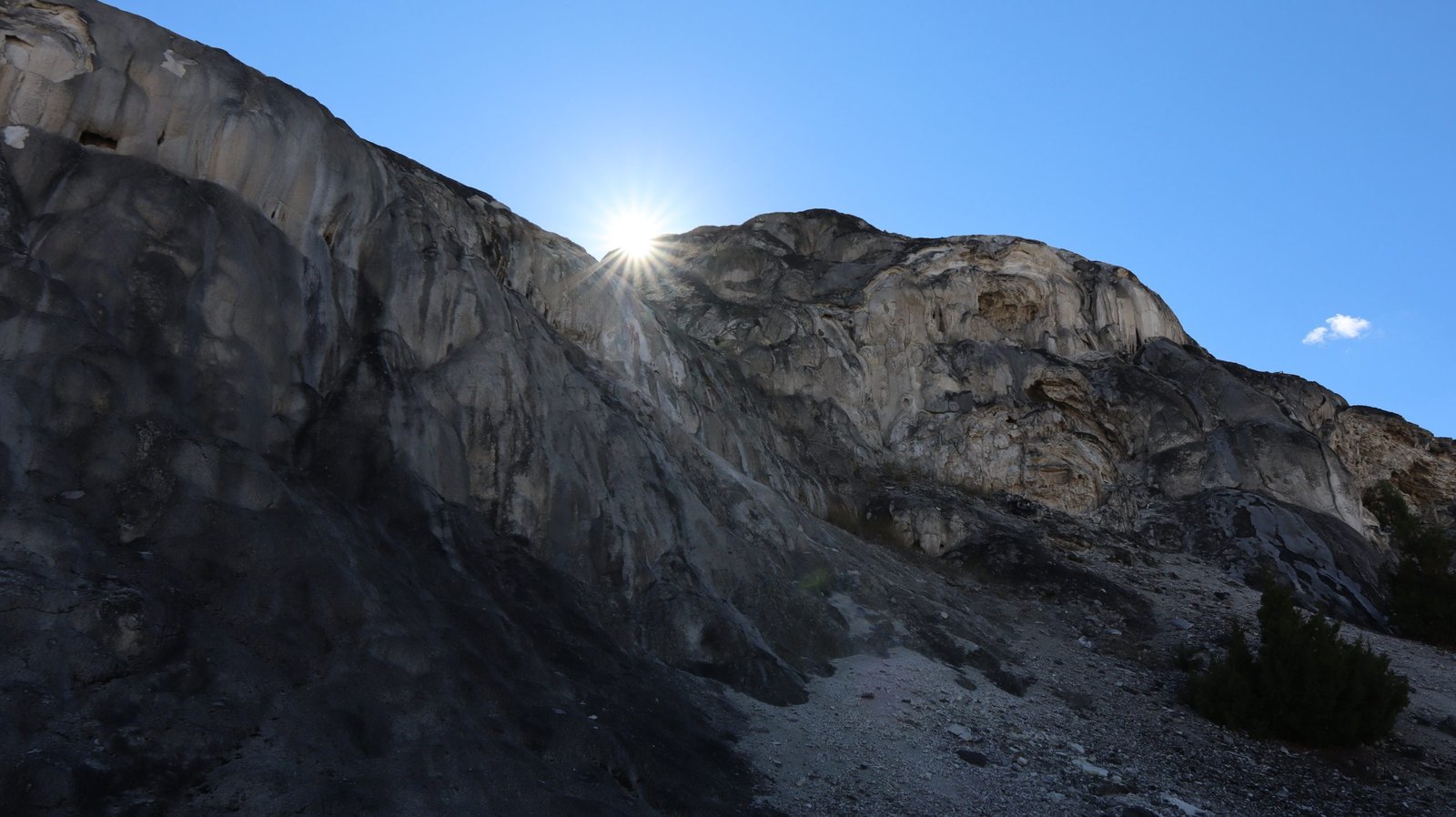
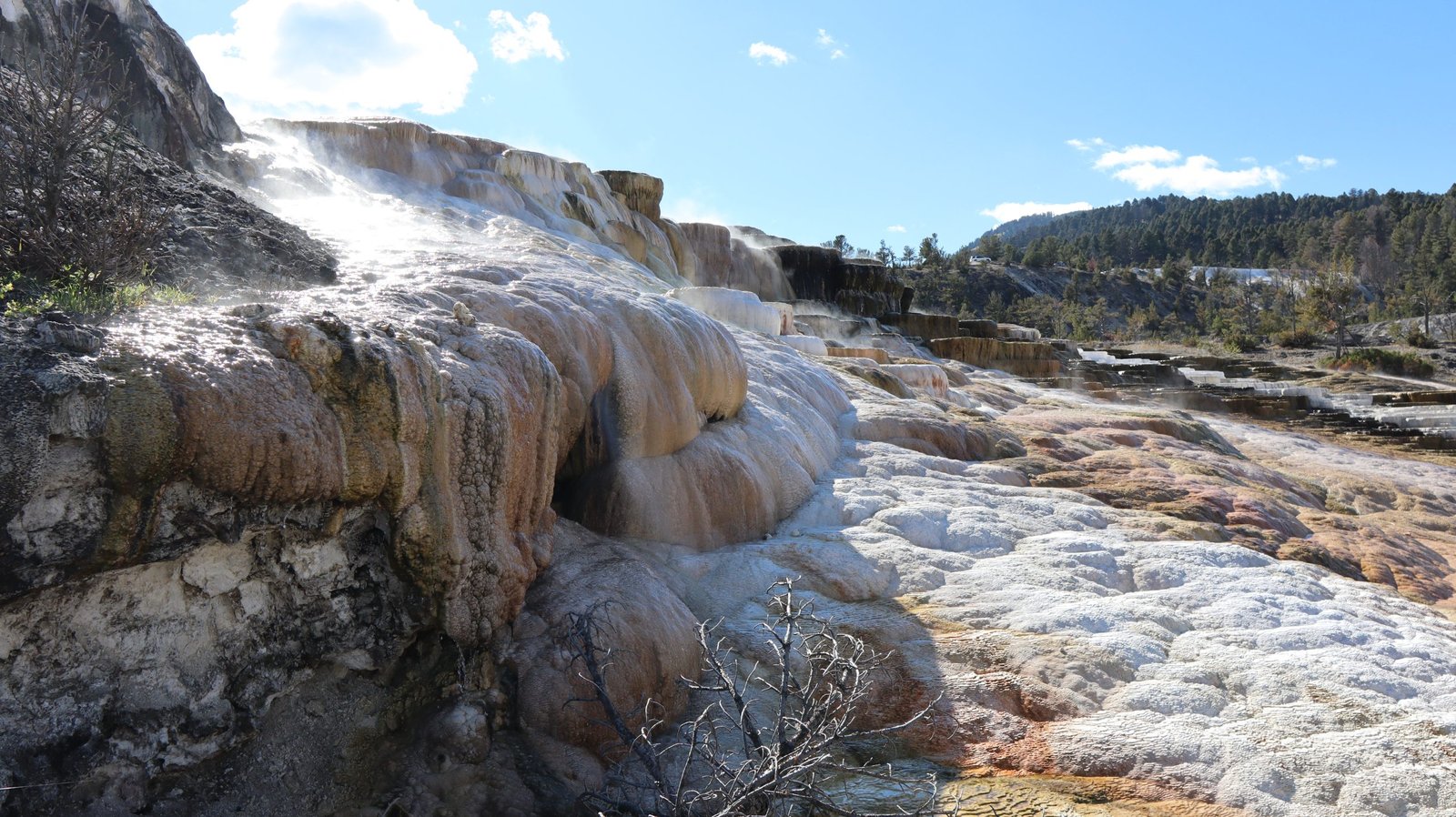
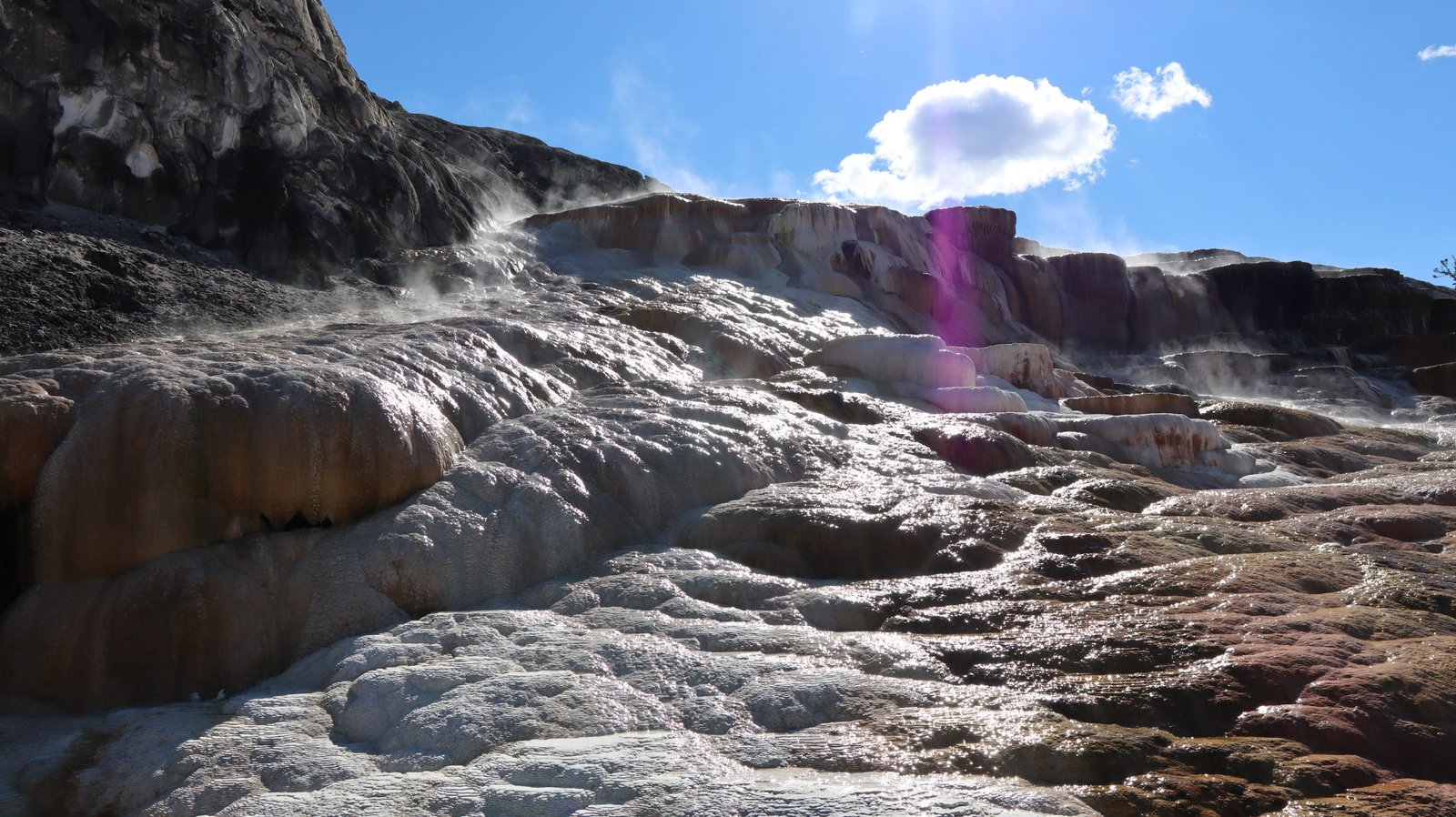
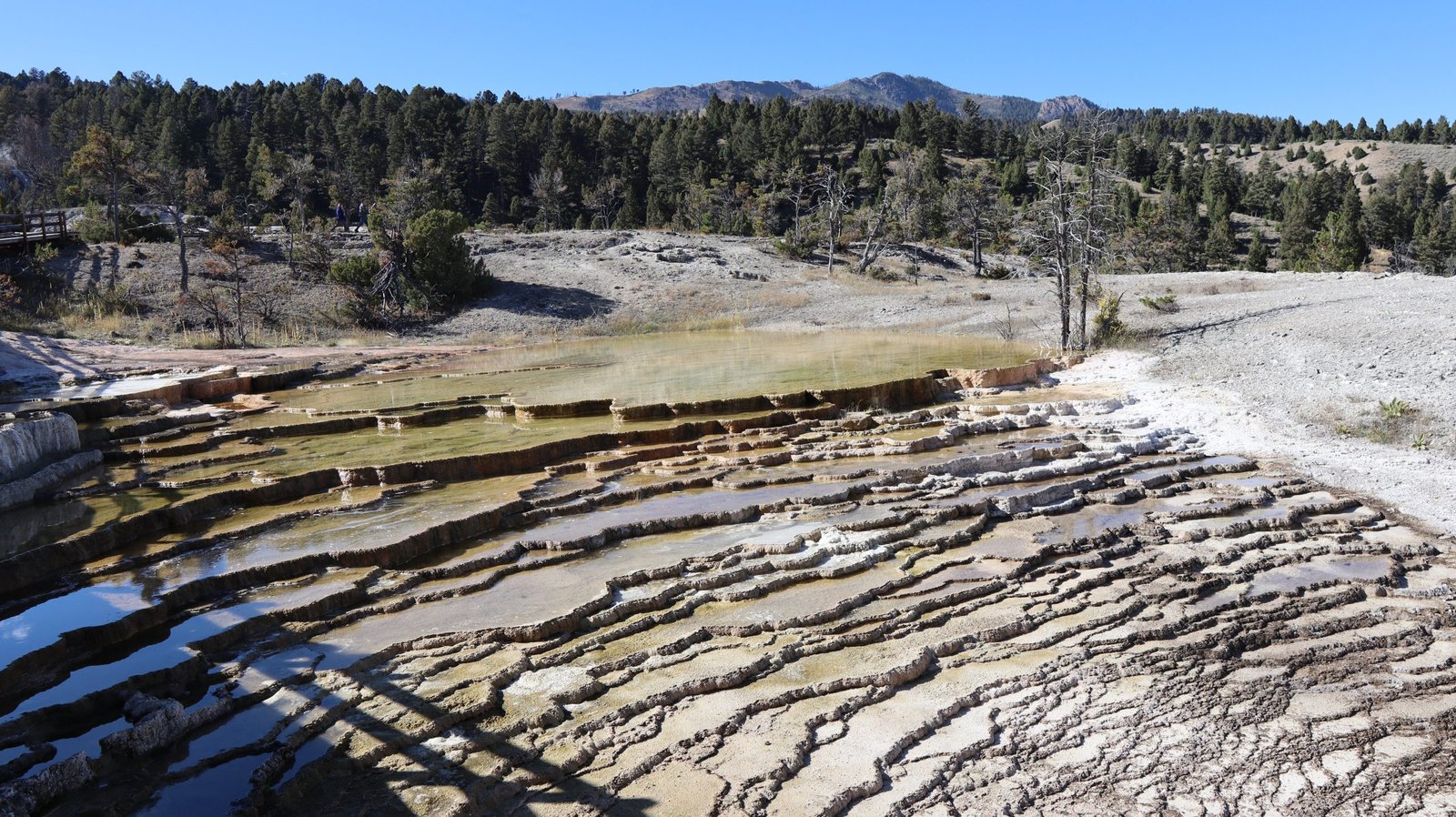
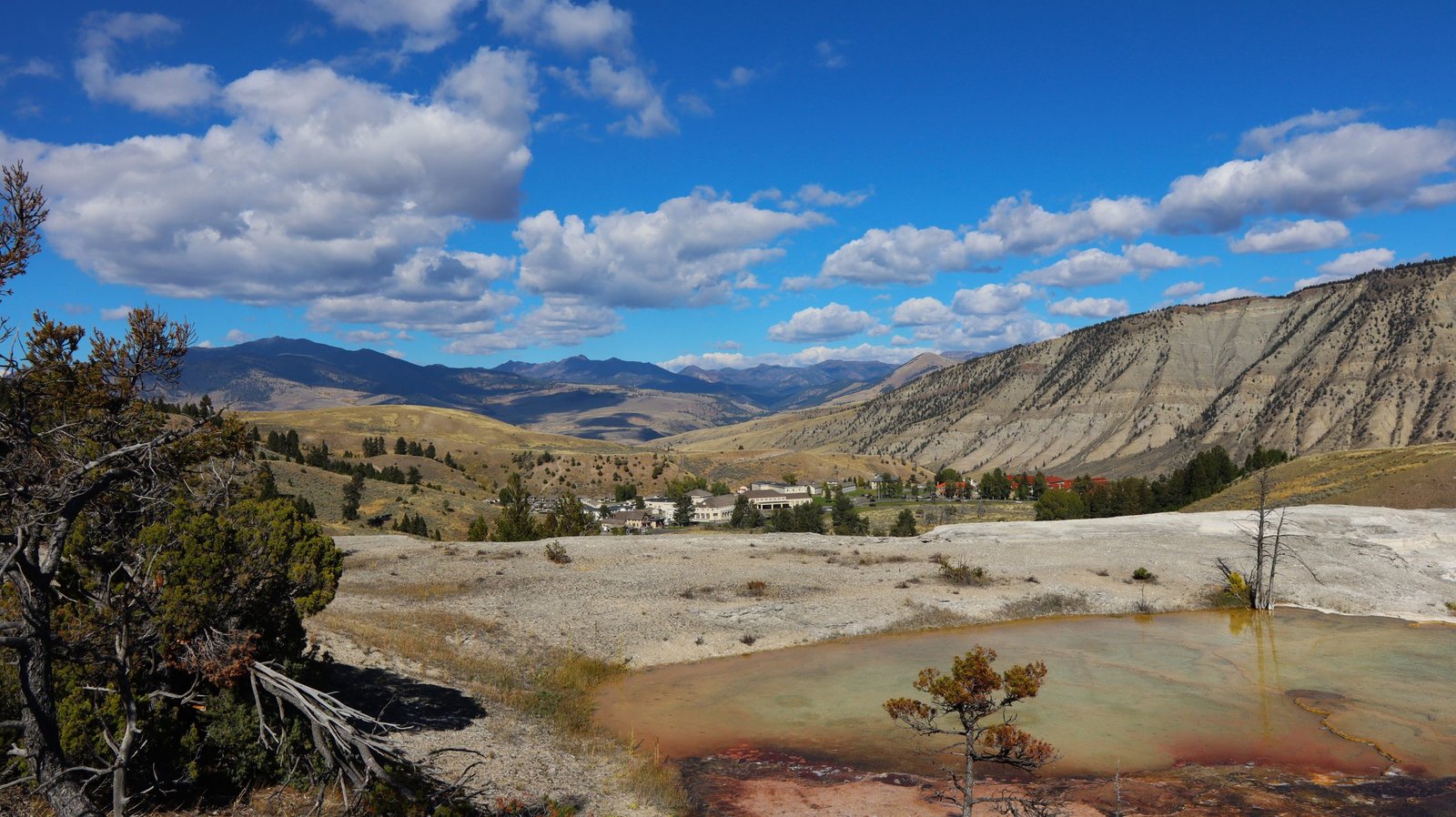
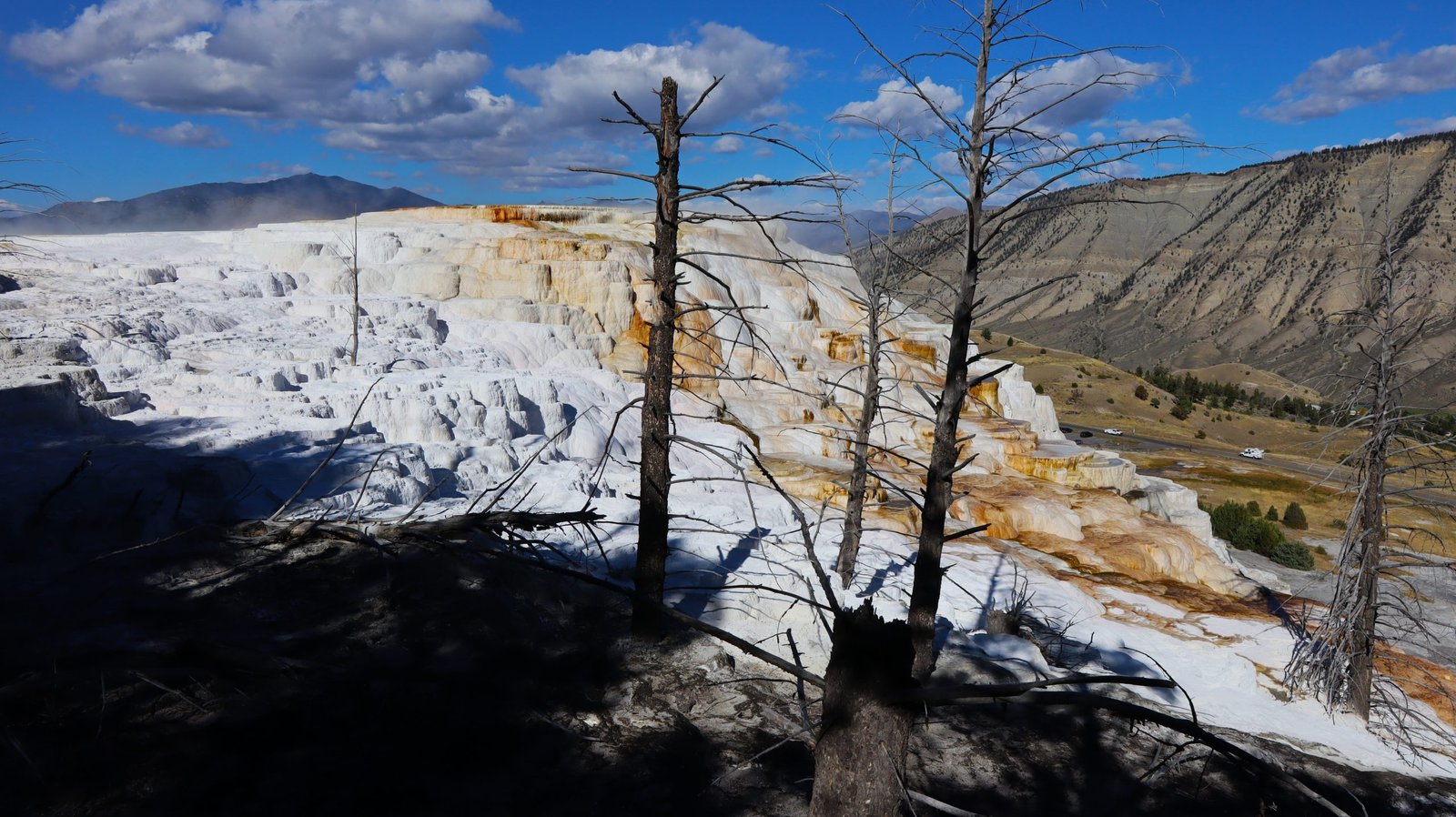
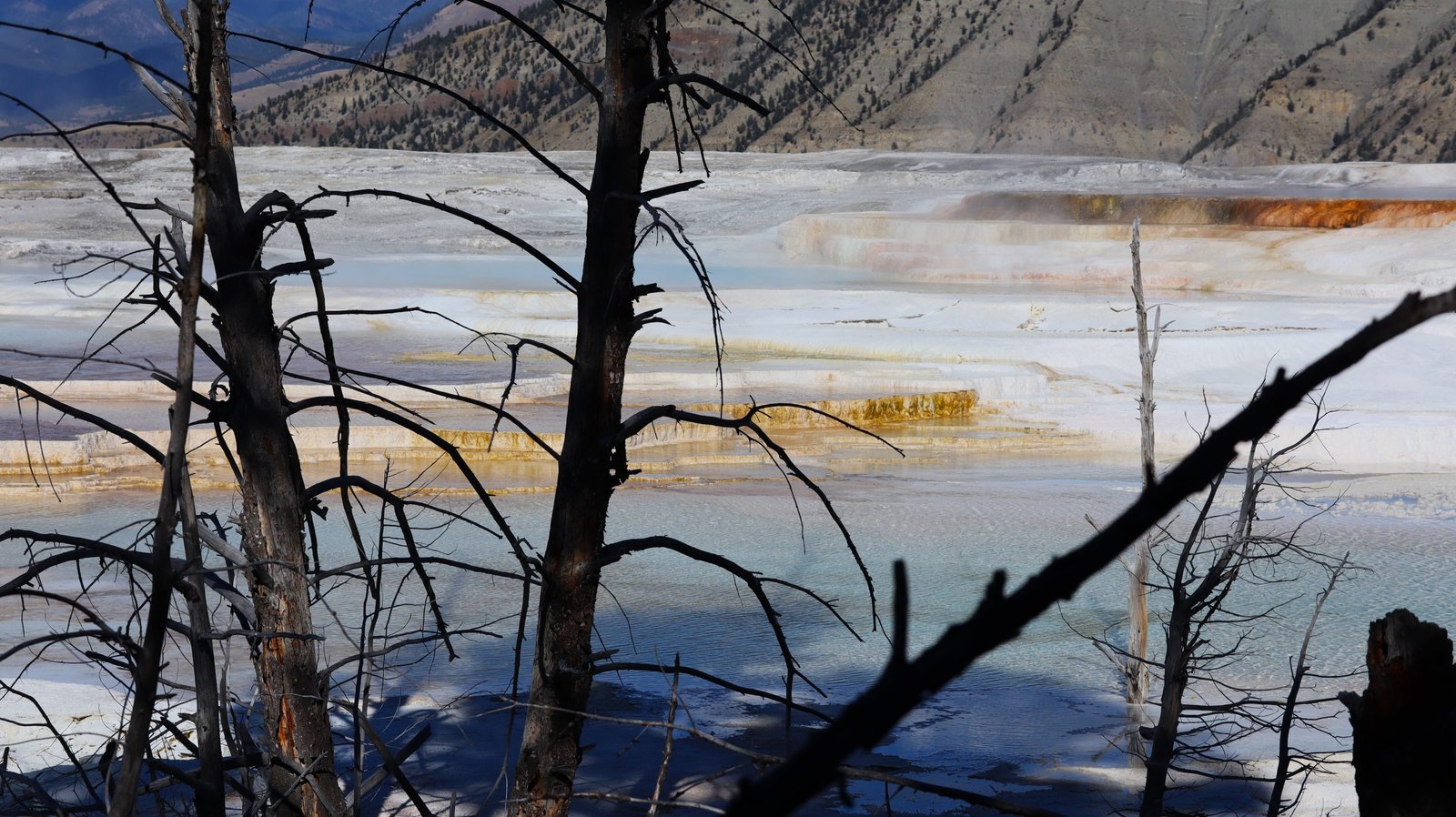
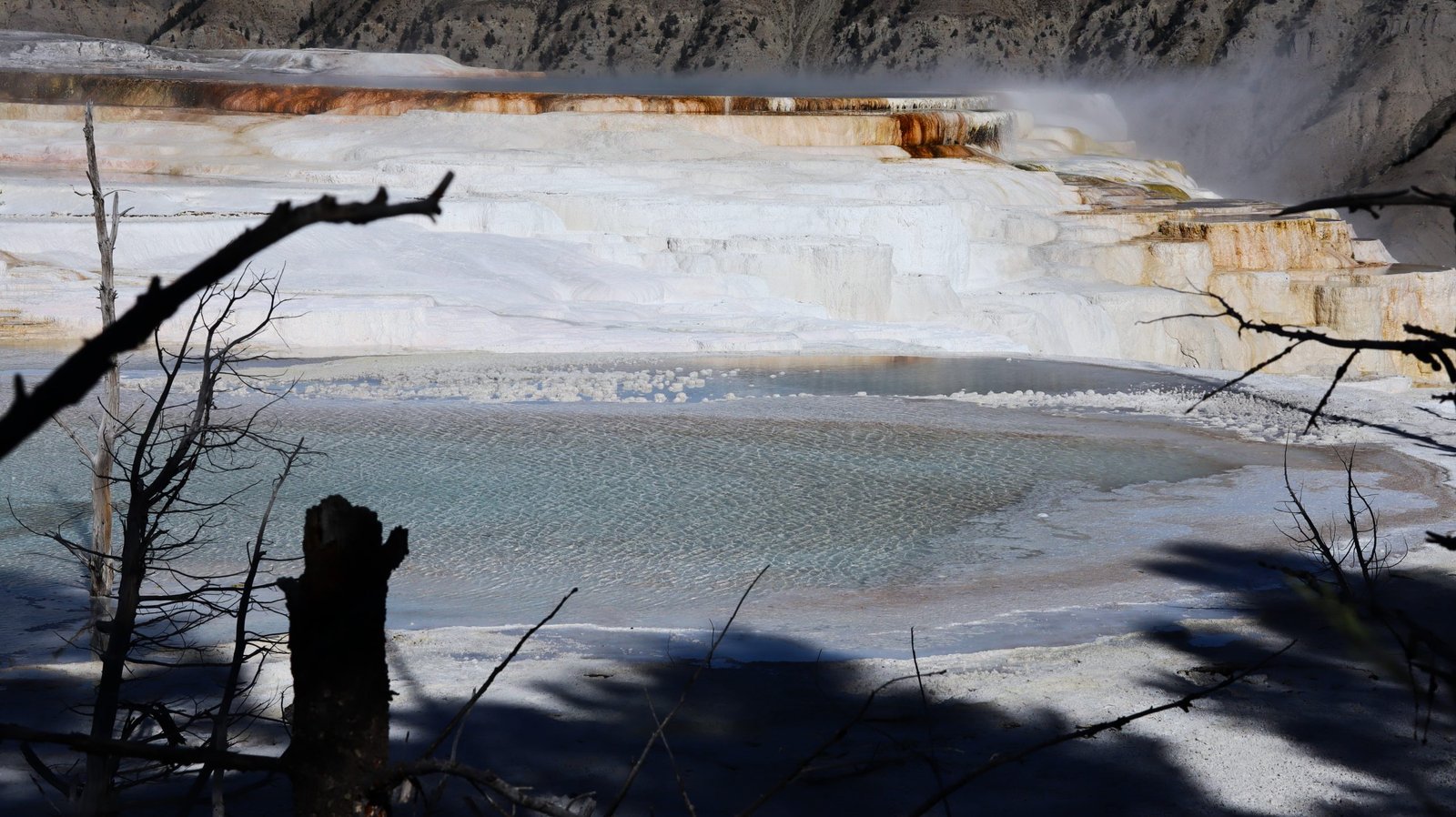
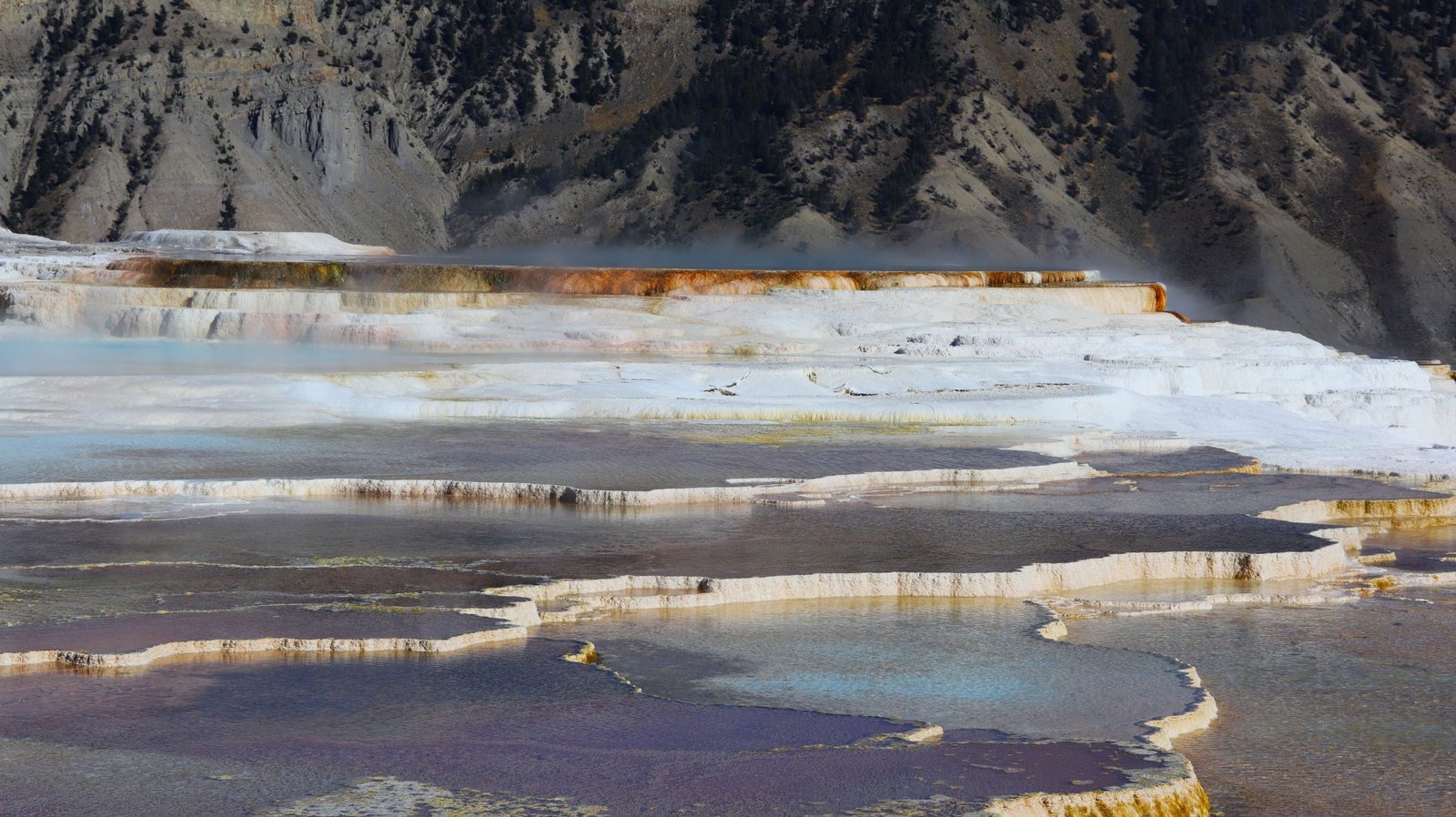
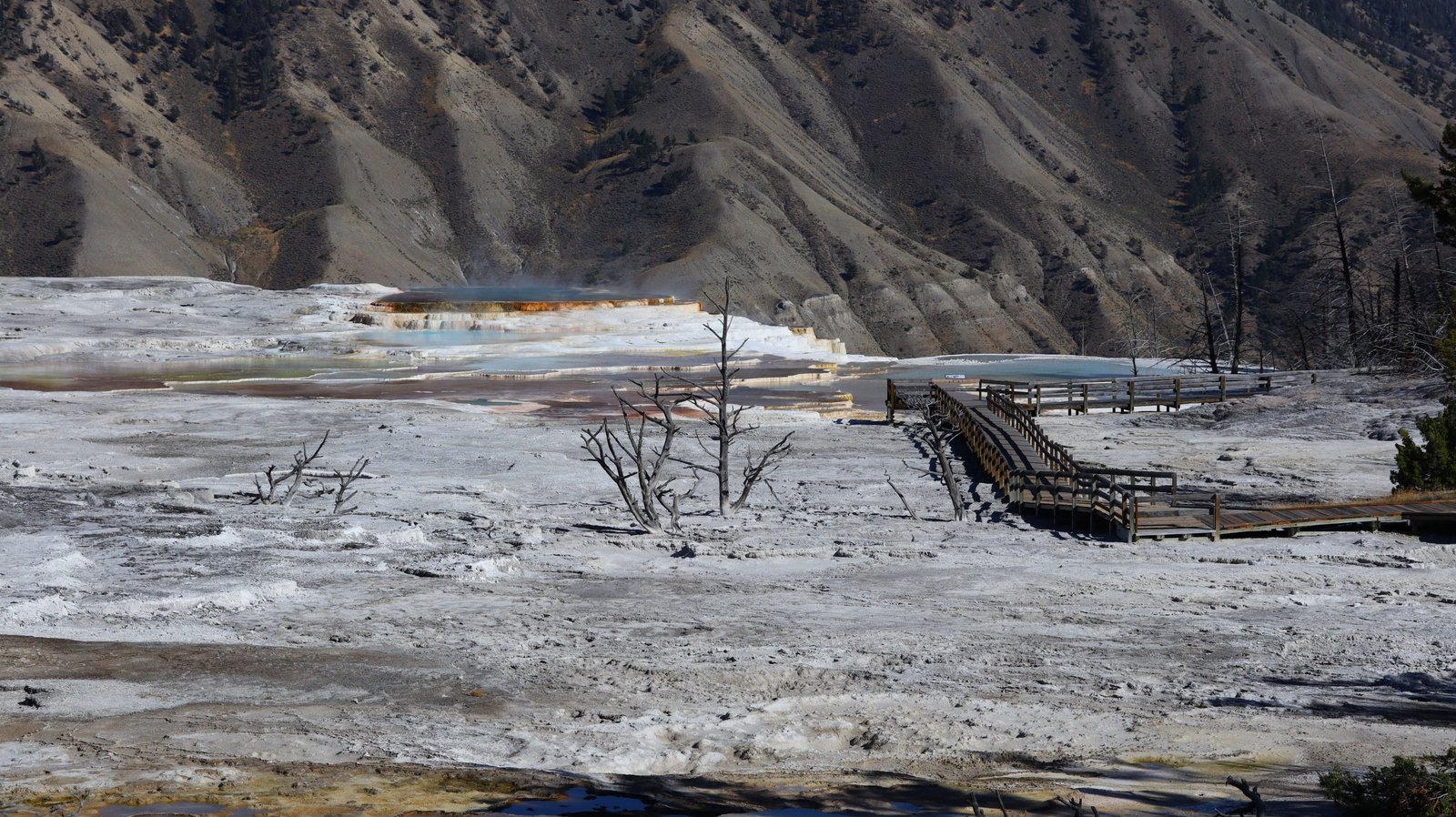
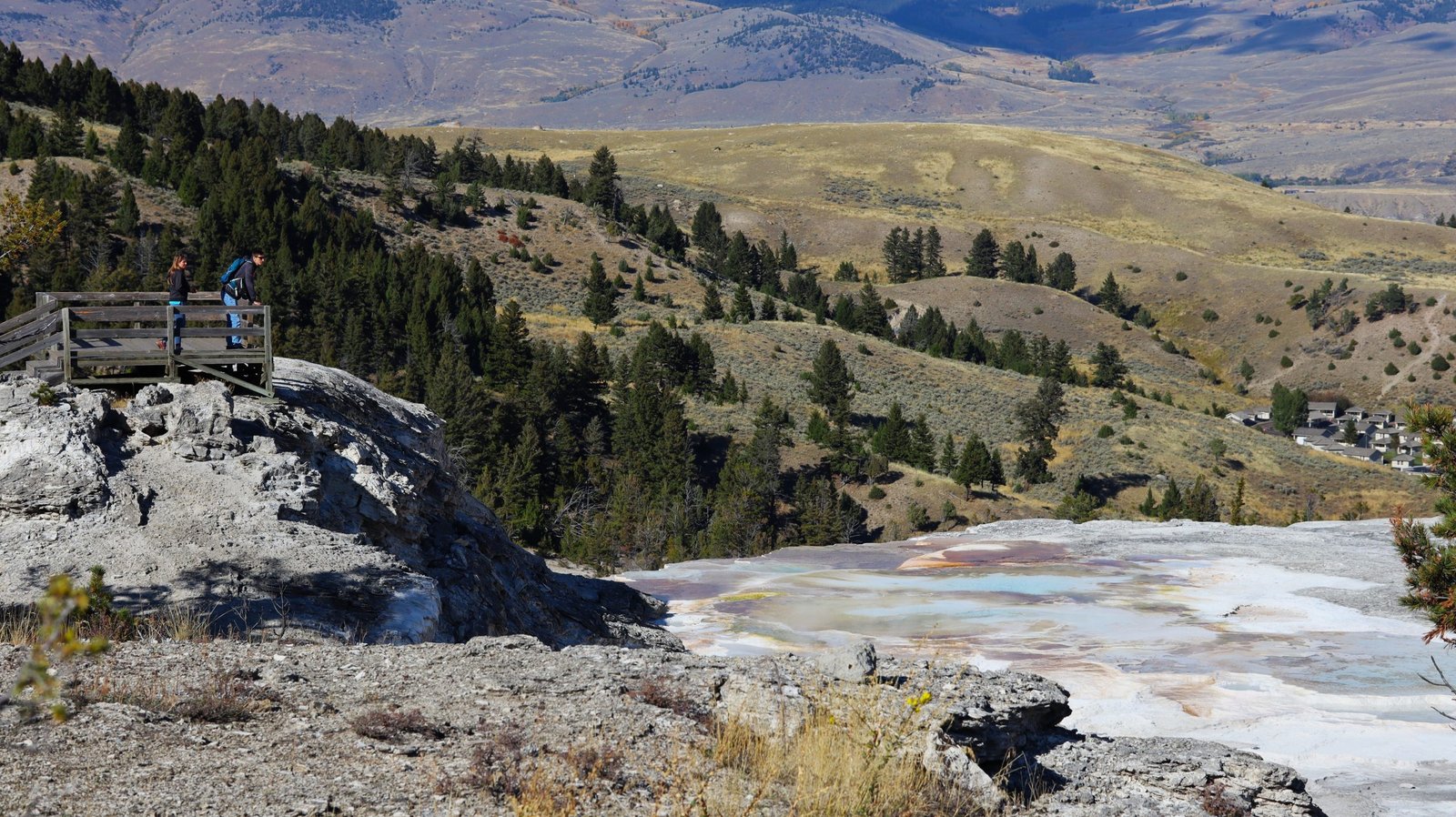
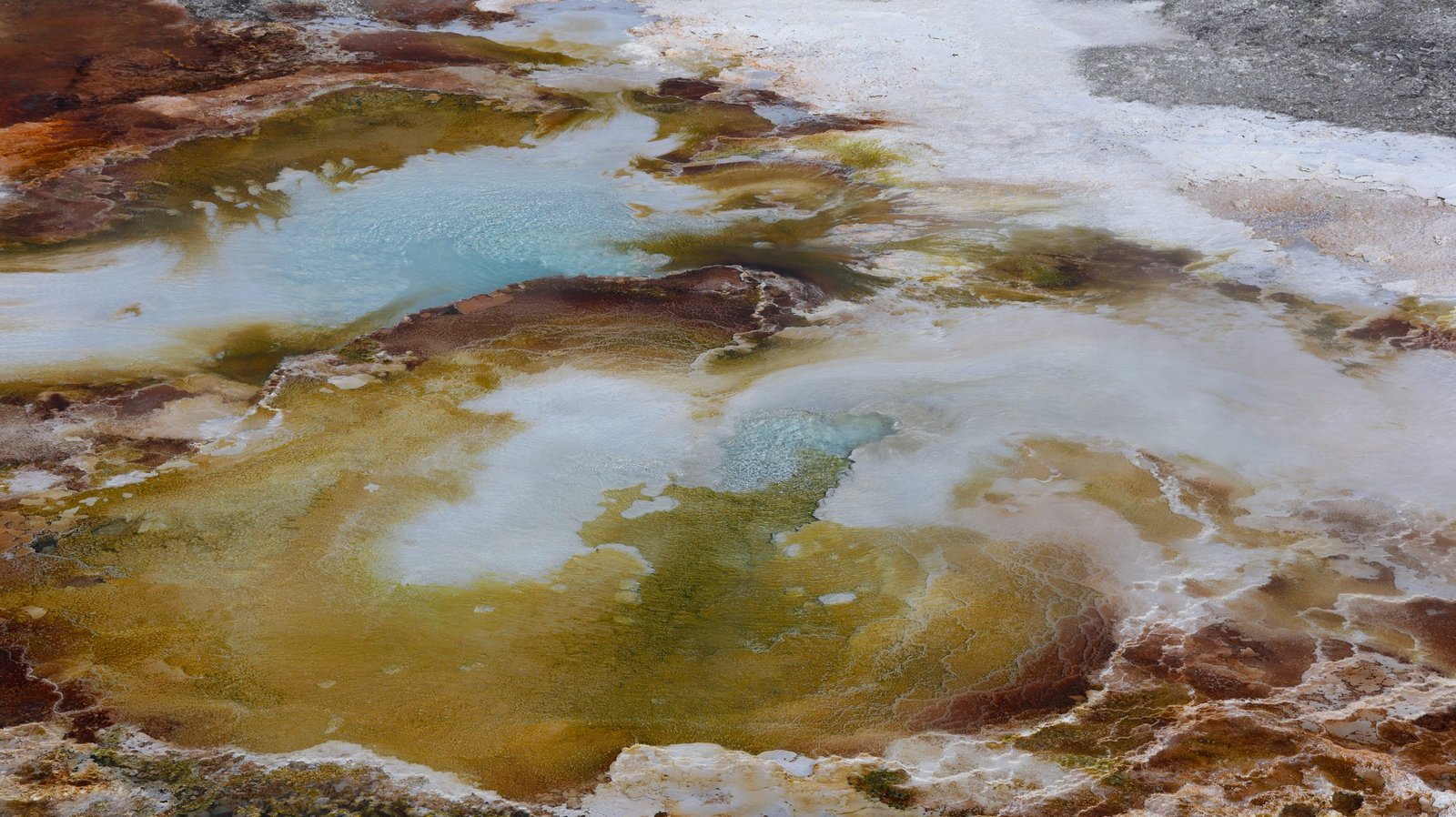
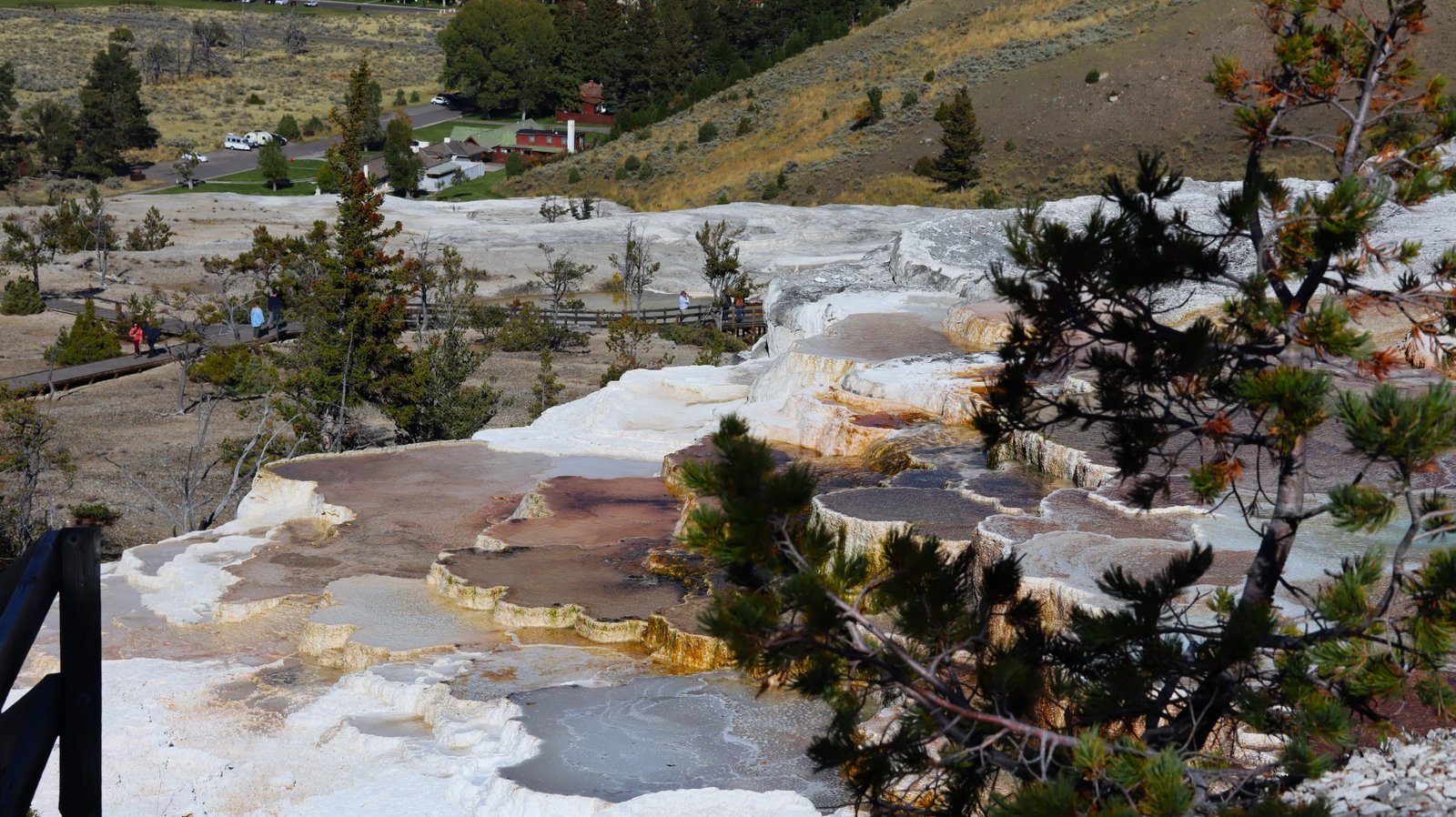
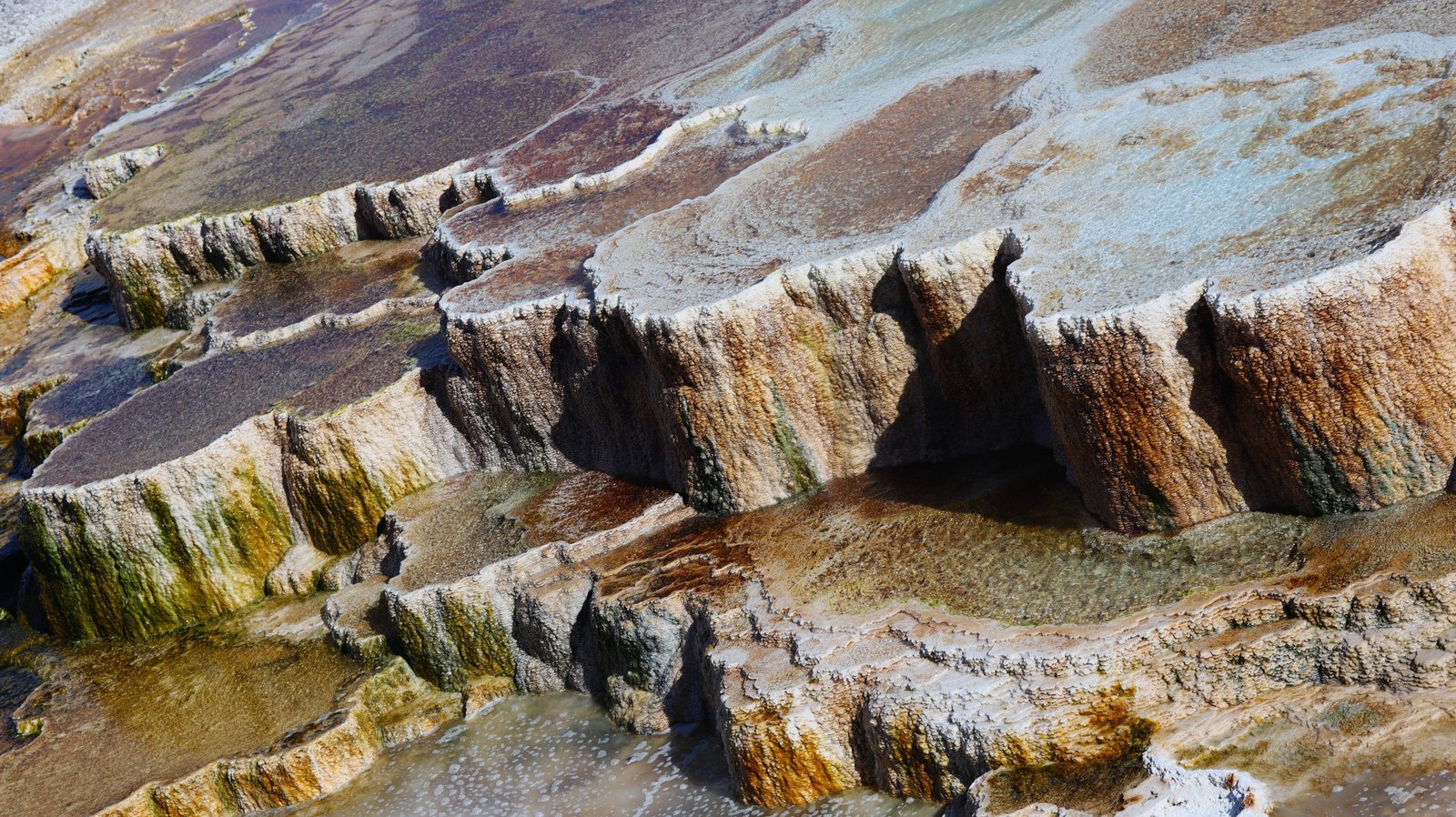
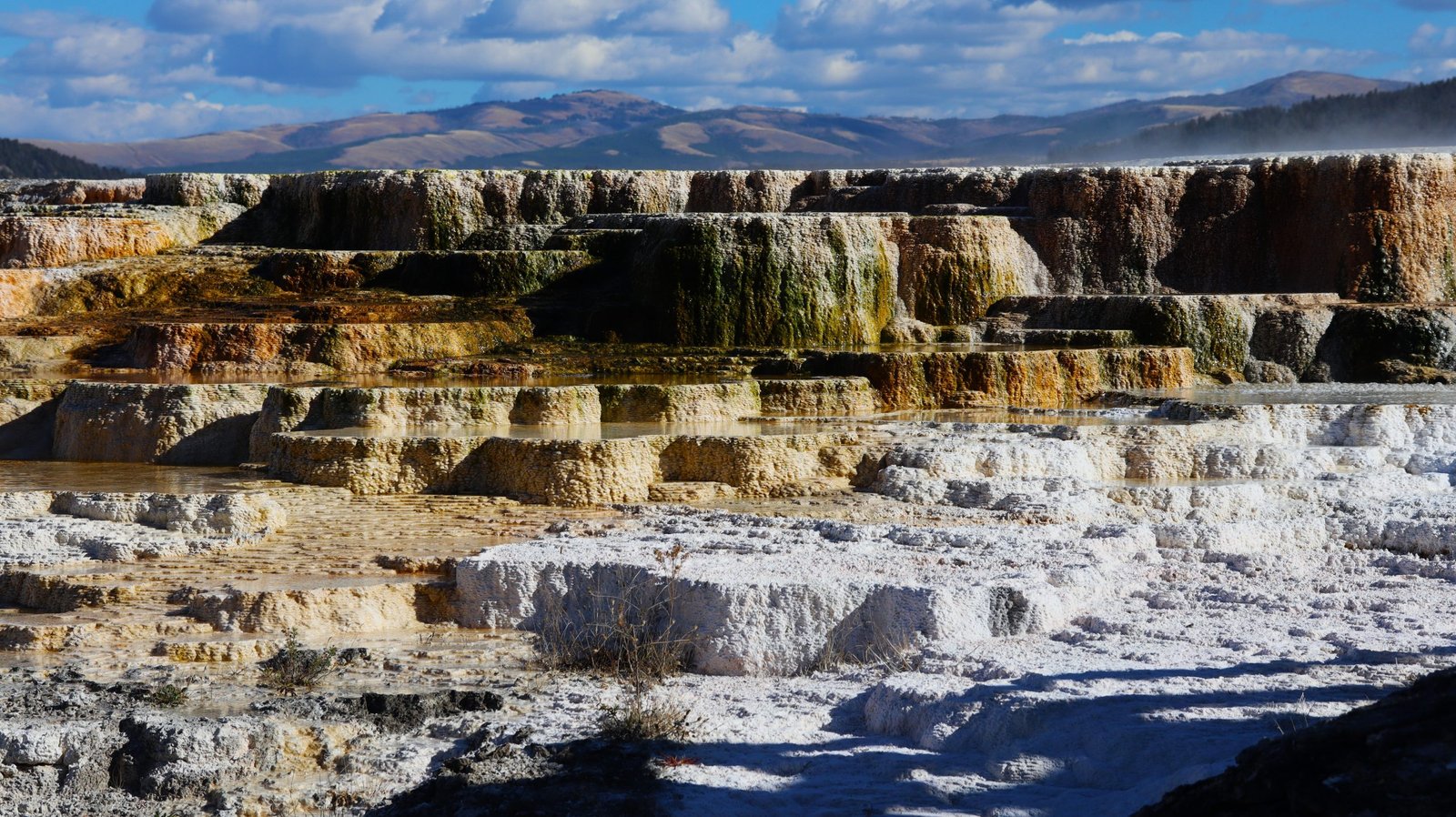
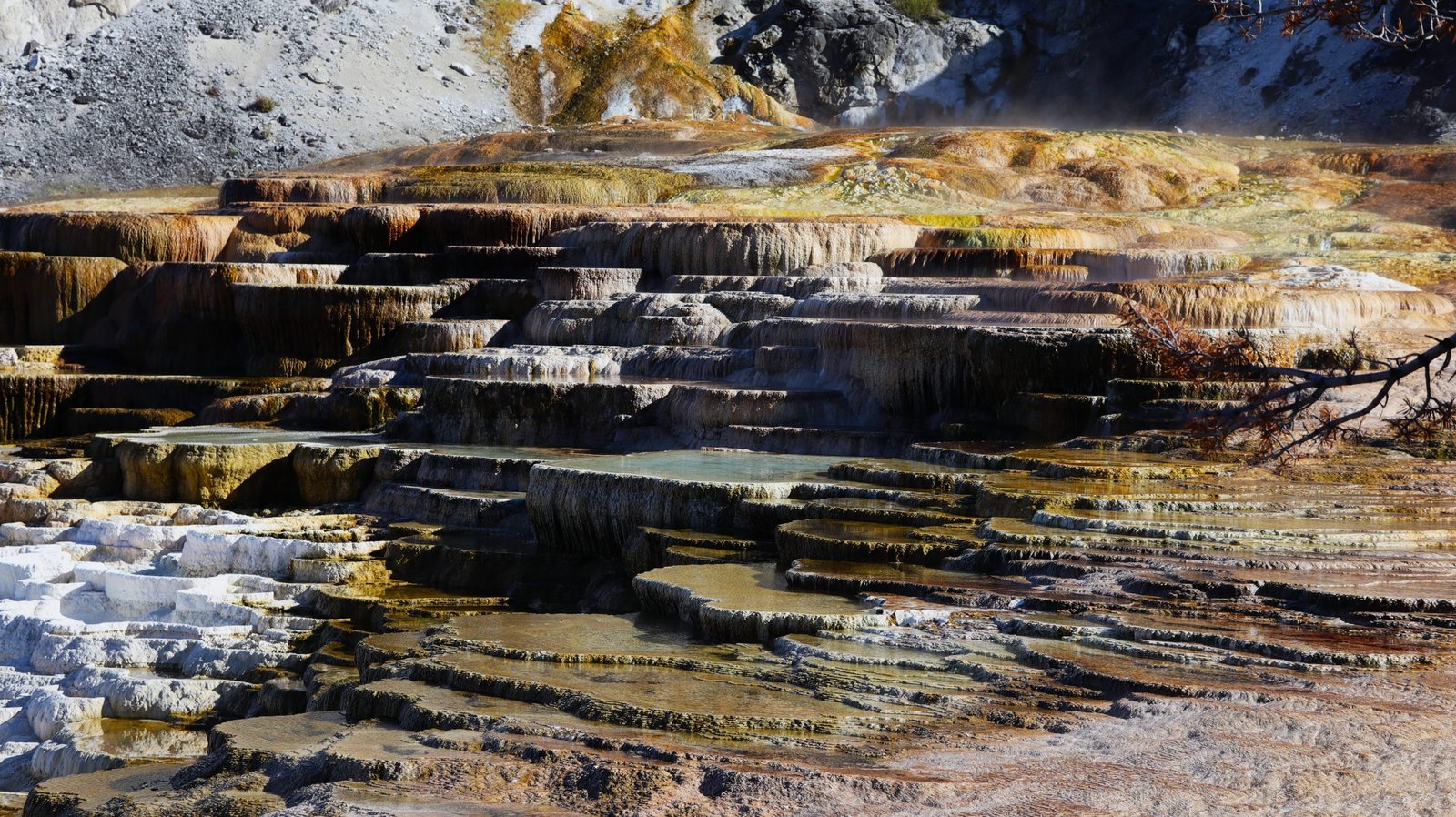
Looking for more prehistoric wonder in your life? Want to find magnificent formations outside of a cave? Mammoth Hot Springs is a great place to start. Bring your photo gear, some water and a good pair of walking shoes, because some of the natural trails are kilometres long. However, you’ll be well rewarded along the way with plenty of natural eye-candy (or lens-candy) to frame up your ideal shot – from macro to panoramic and everything in between.
The terraced geological formations have been millions of years in the making, and depending on the season and weather, will turn on a vast array of earthen colours and tones.
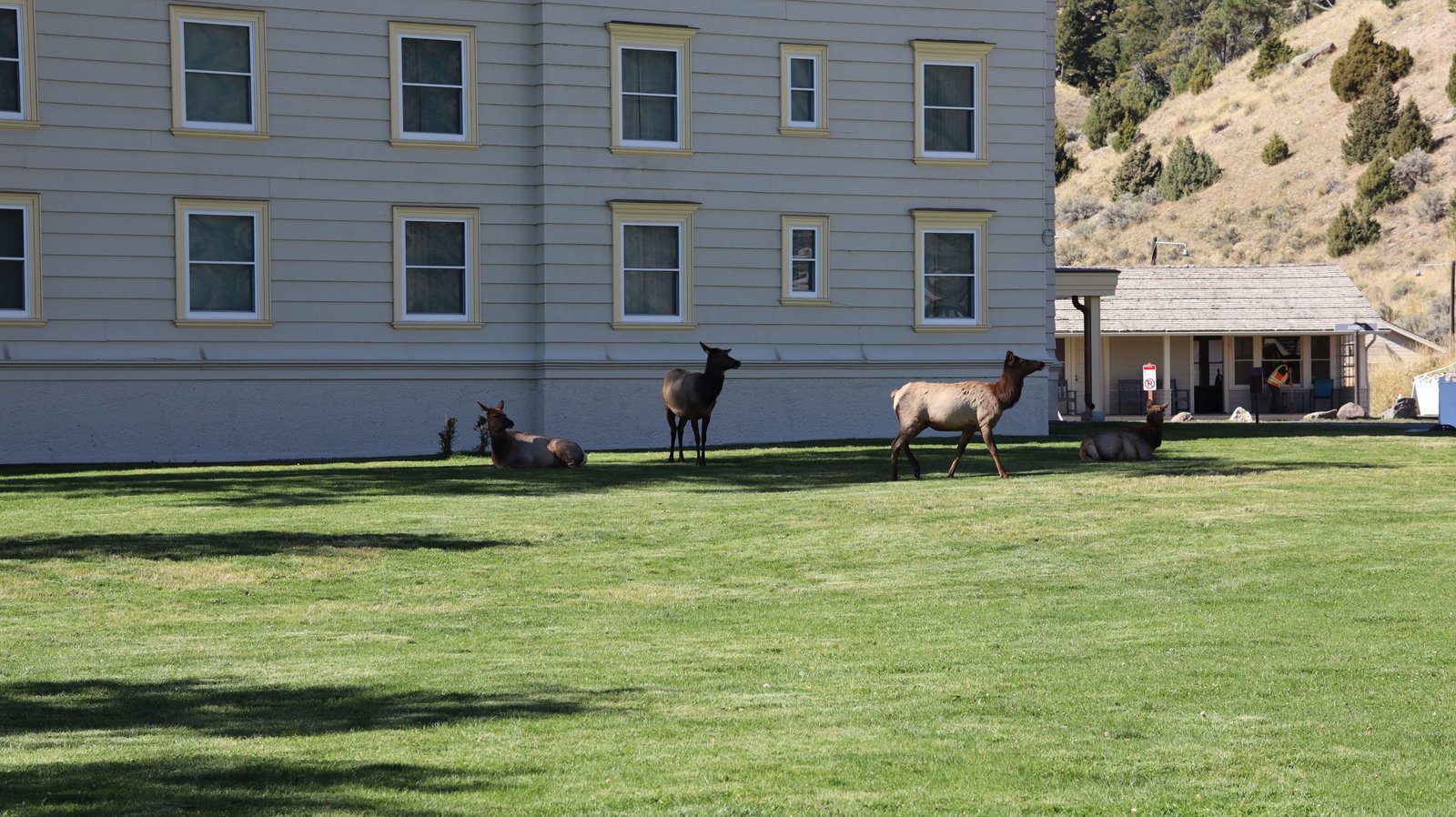
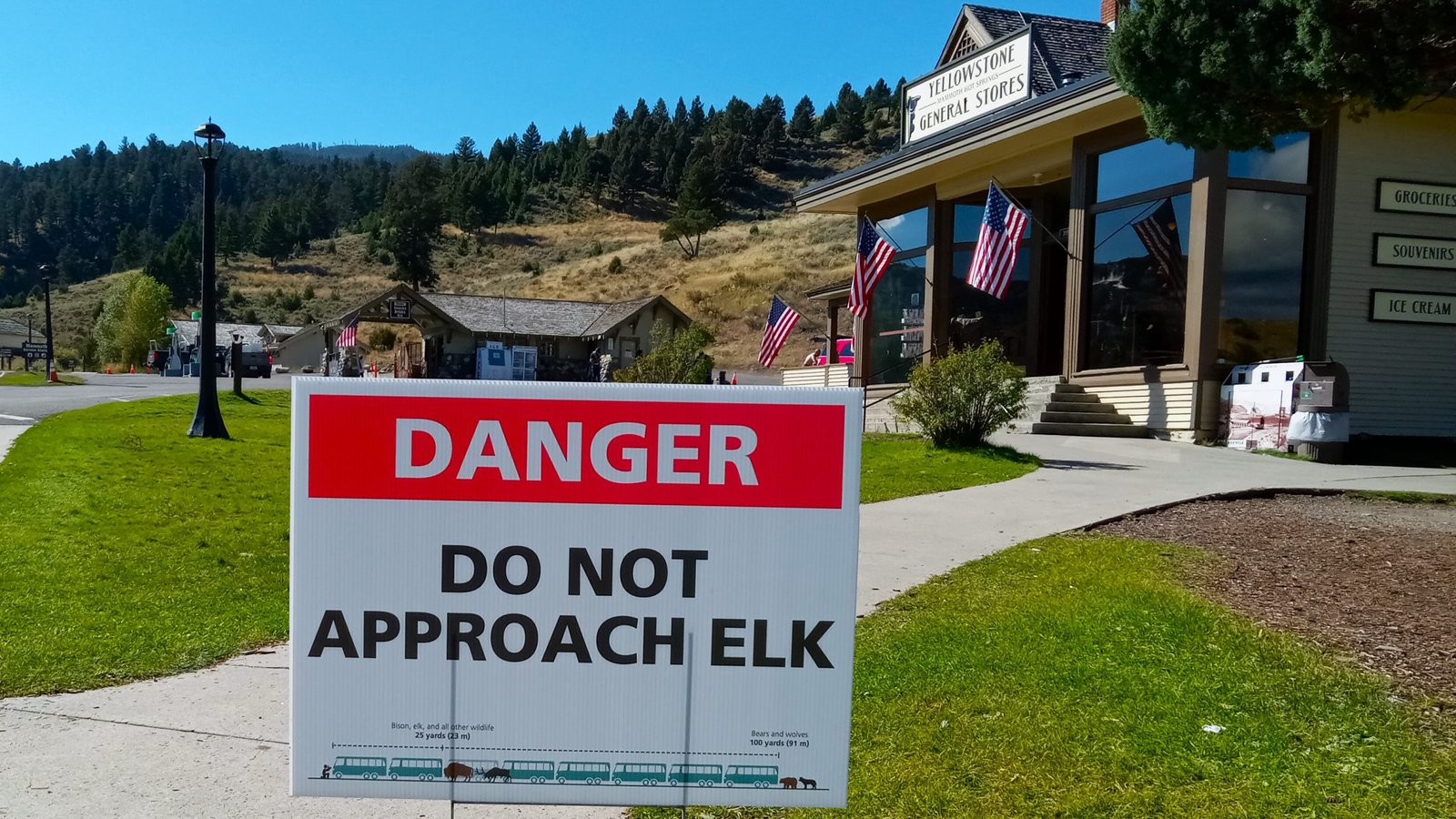
Back at the hotel and visitor centre, you’re likely to be greeted by a herd of elk. Though be careful when you see a ‘harem’ of does, the horned elk buck is likely not far away. It’s wise to keep a respectable distance between you and them, for your own safety.
Grand Prismatic Spring and Fountain Paint Pots
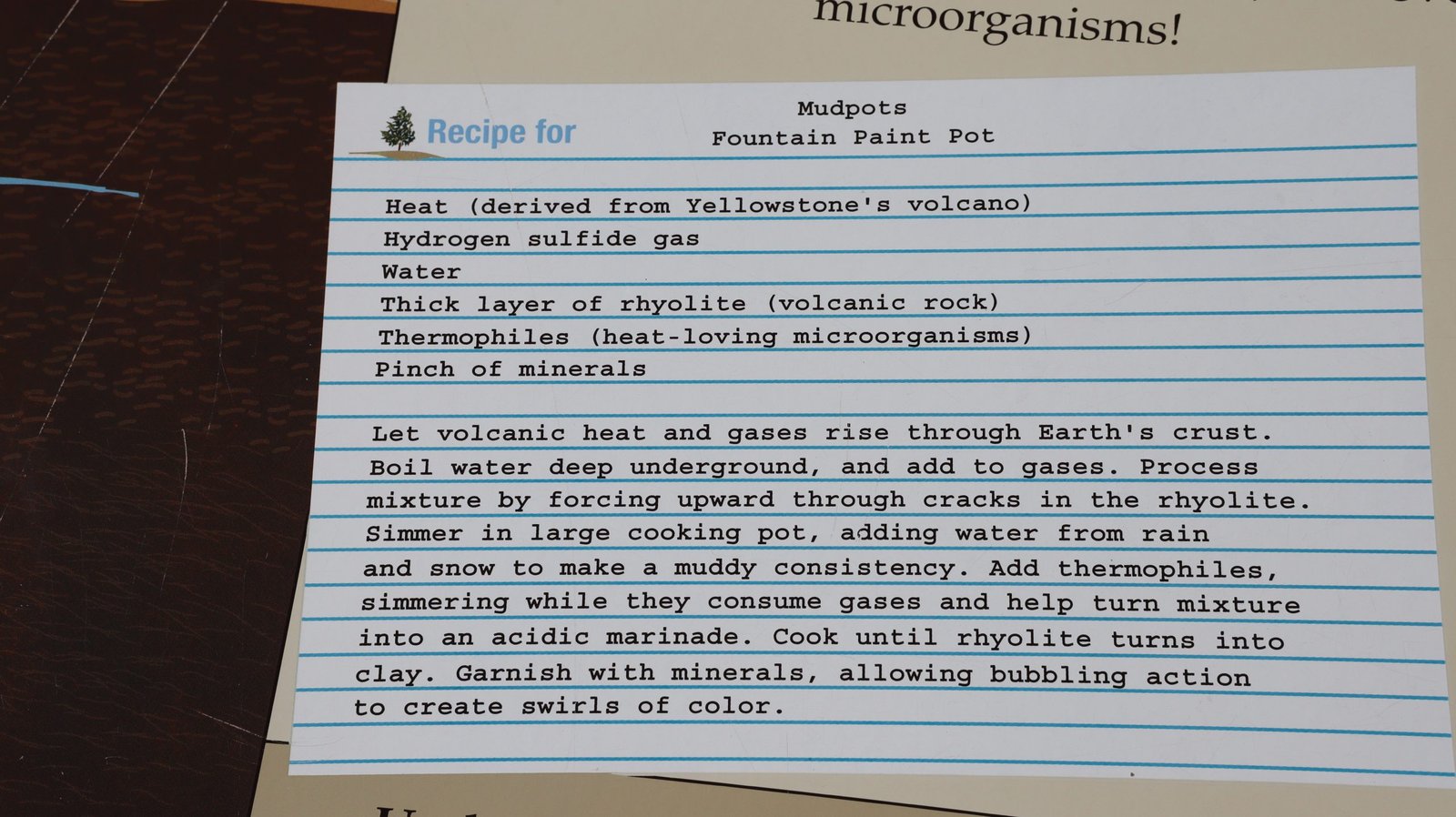
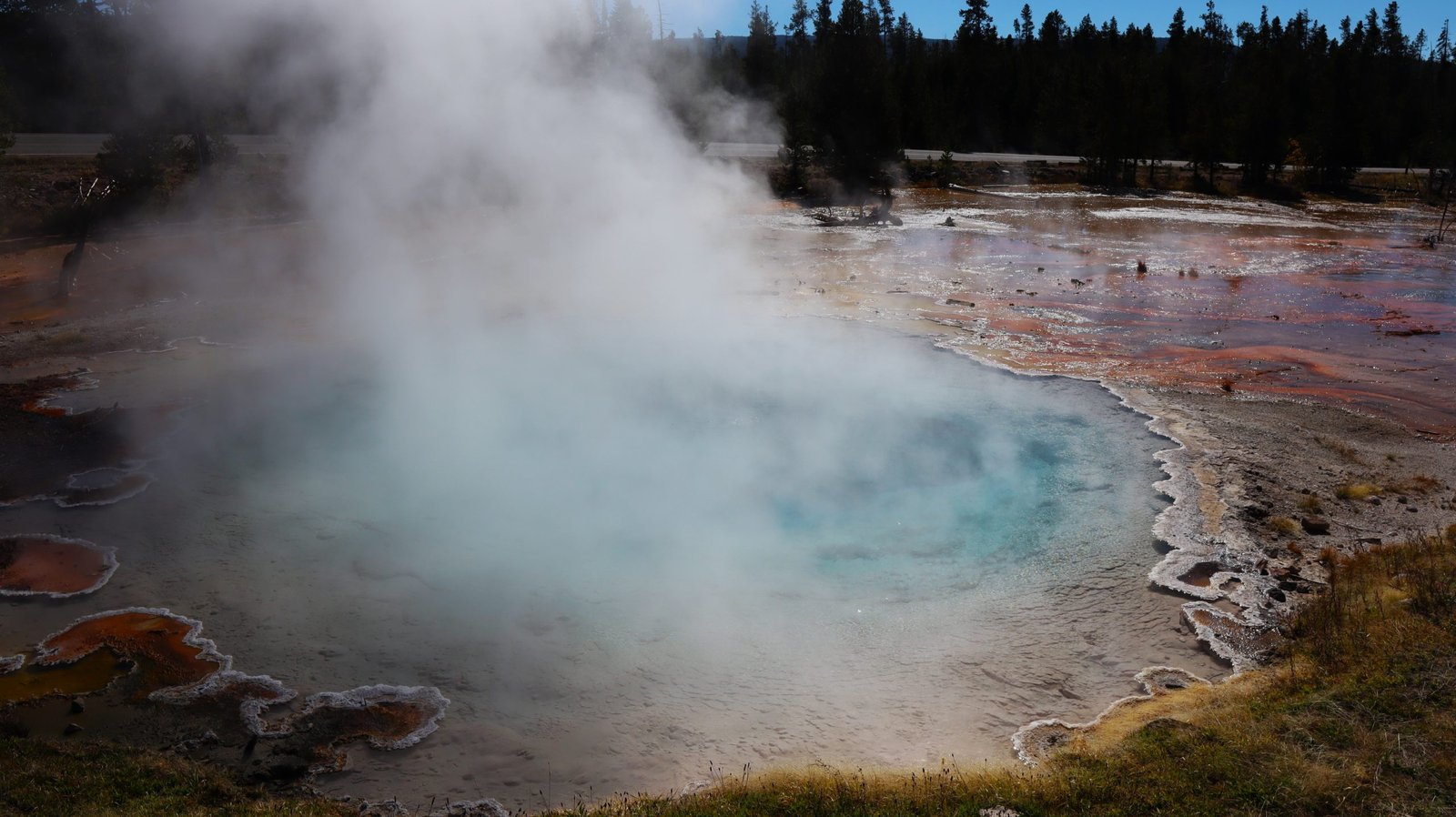
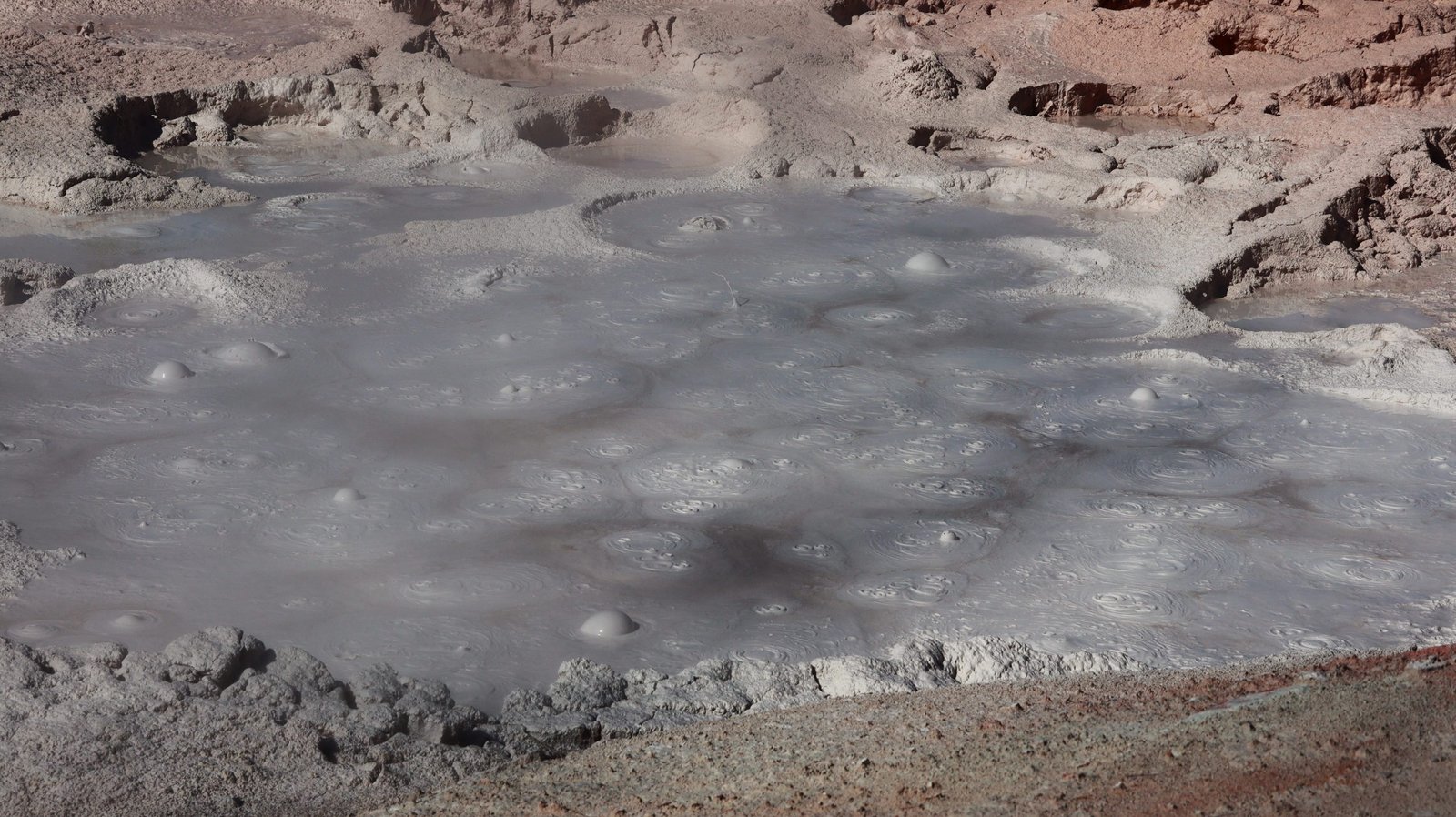
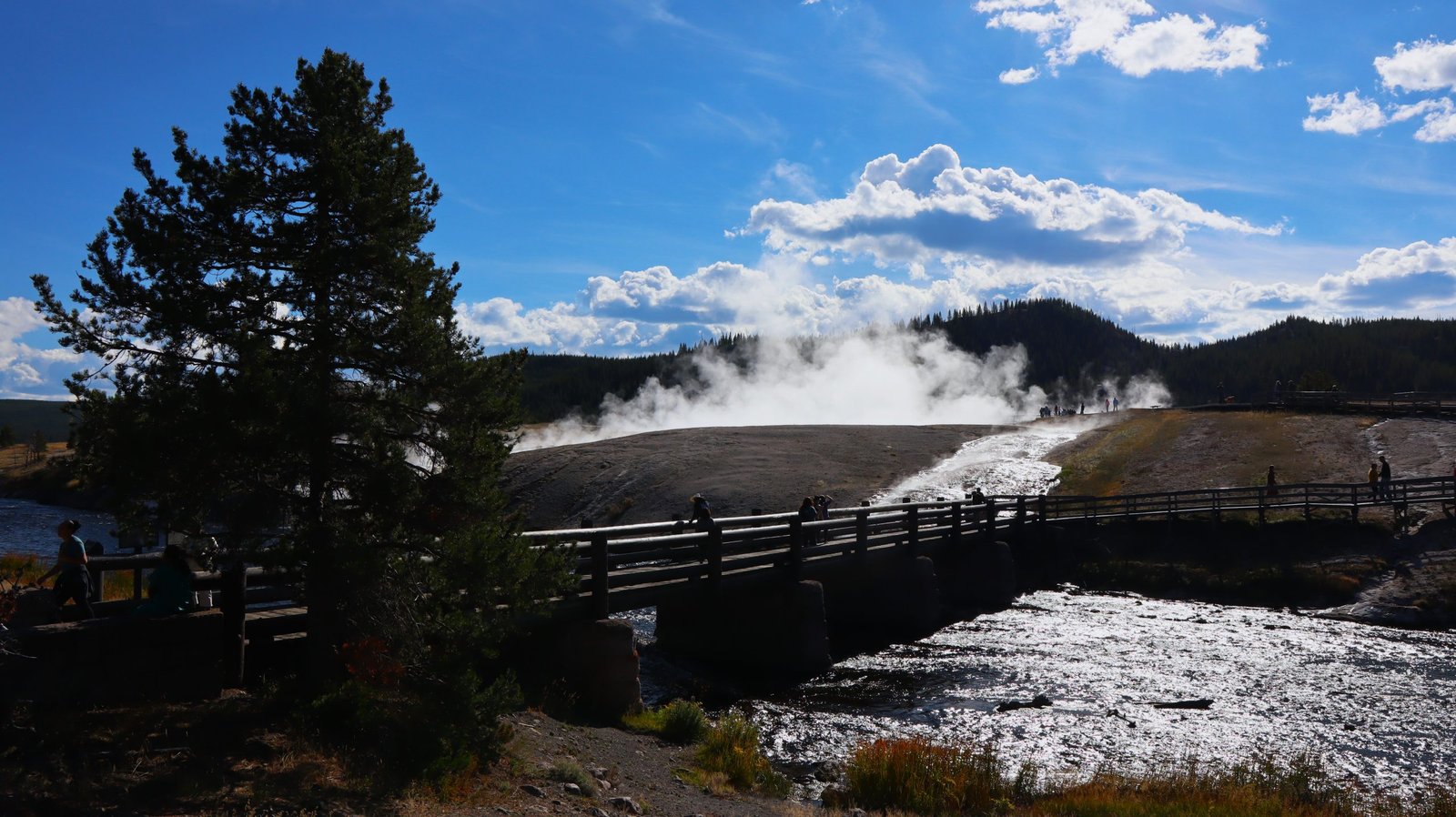
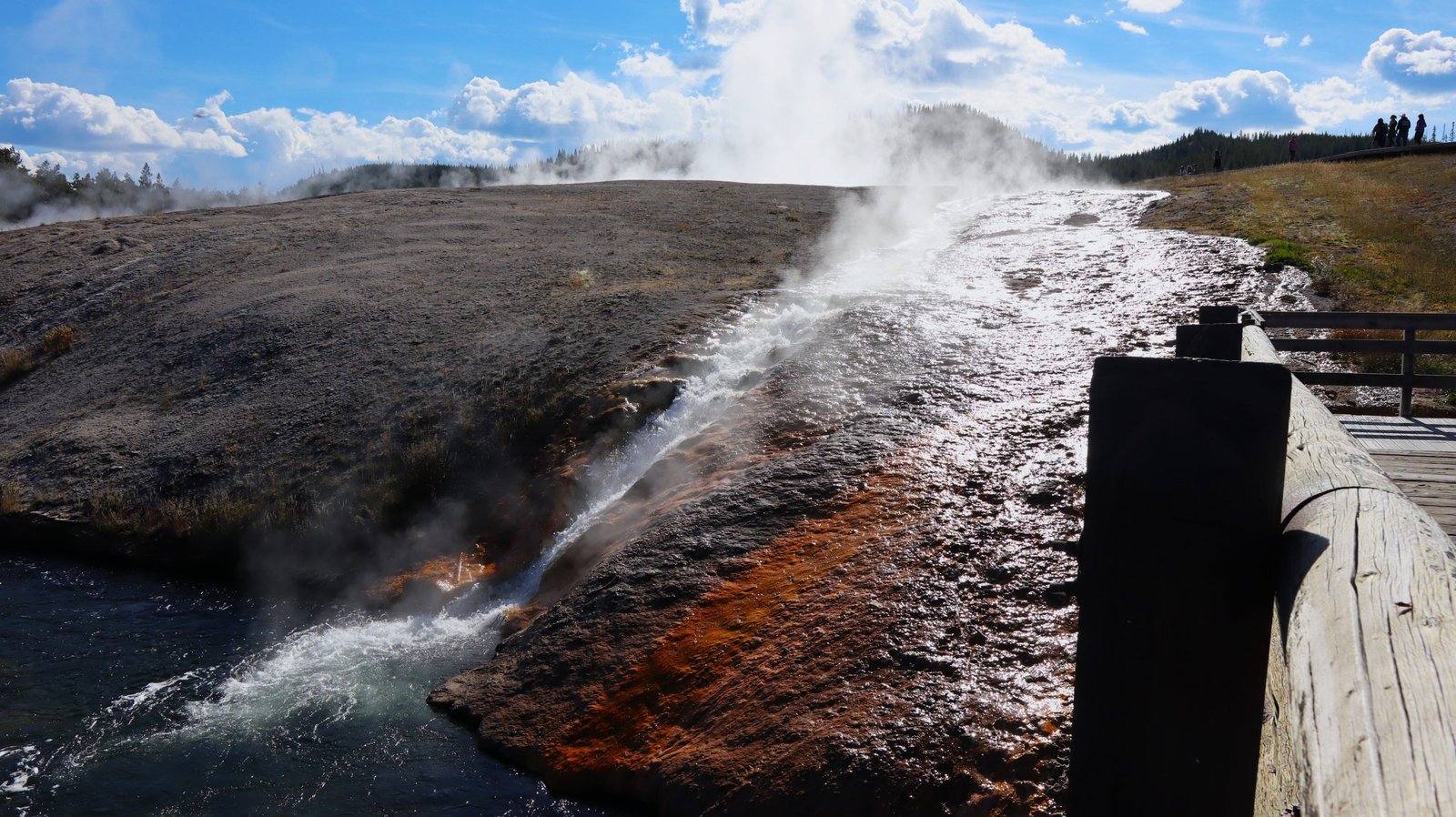
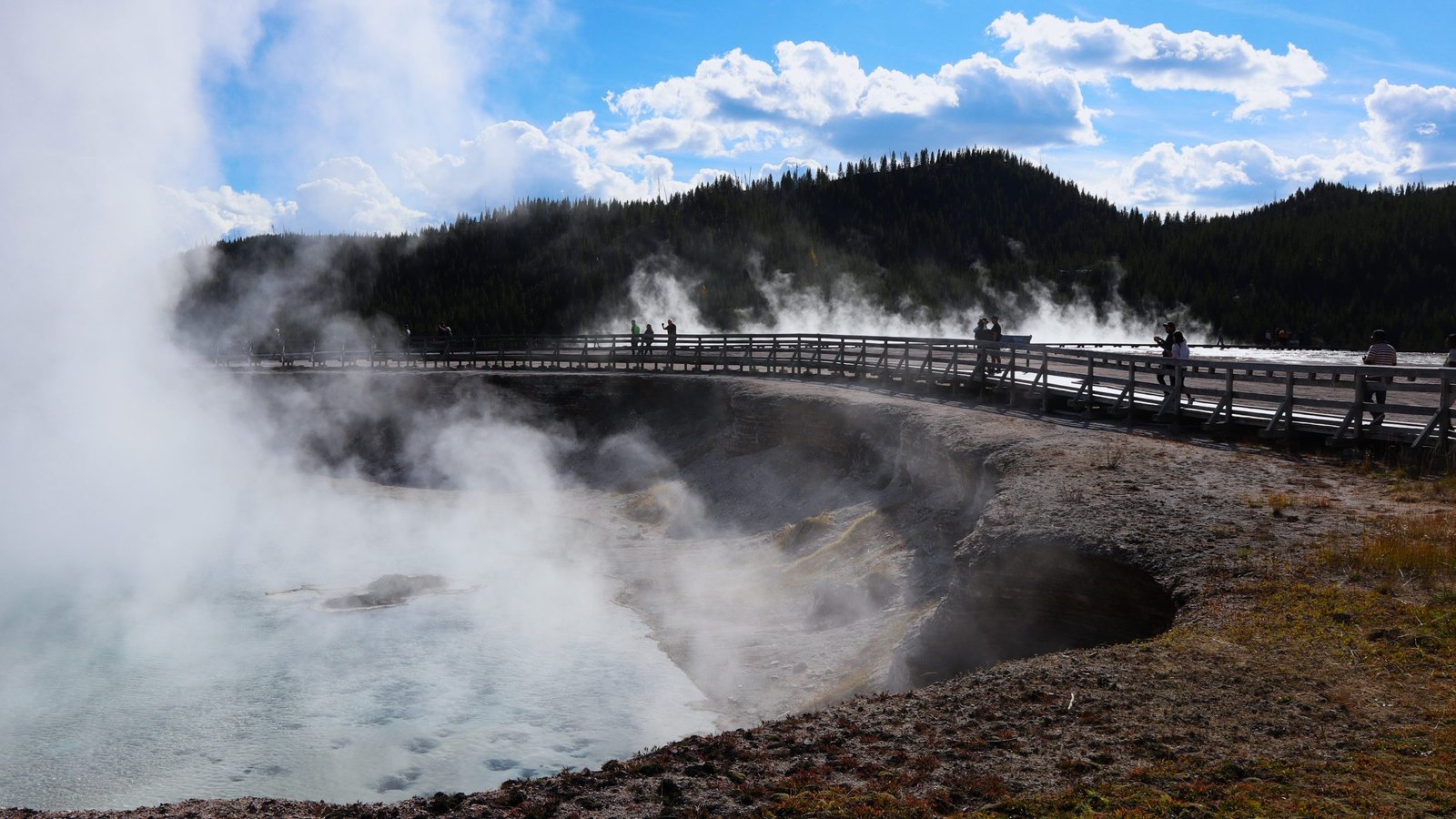
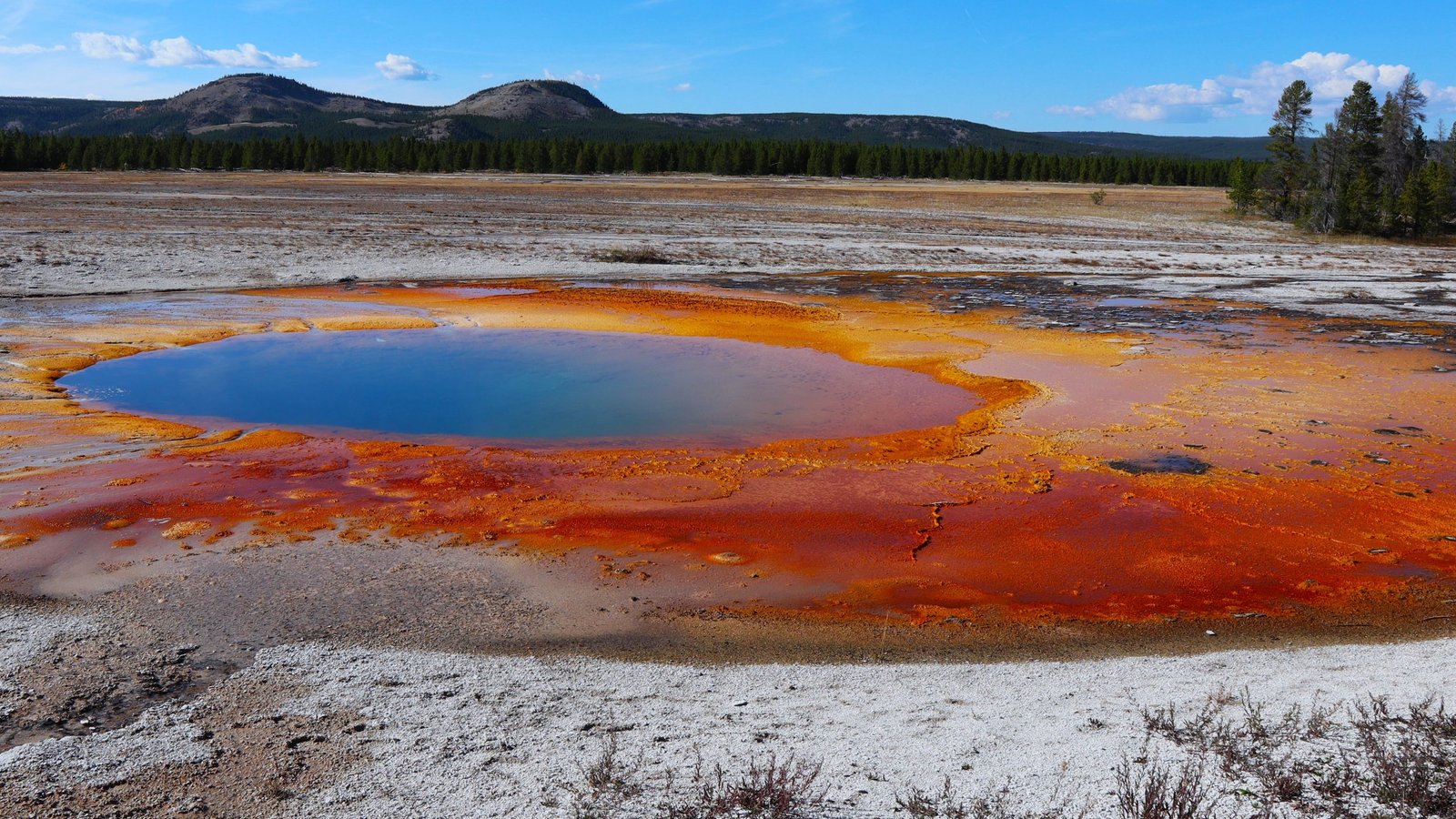
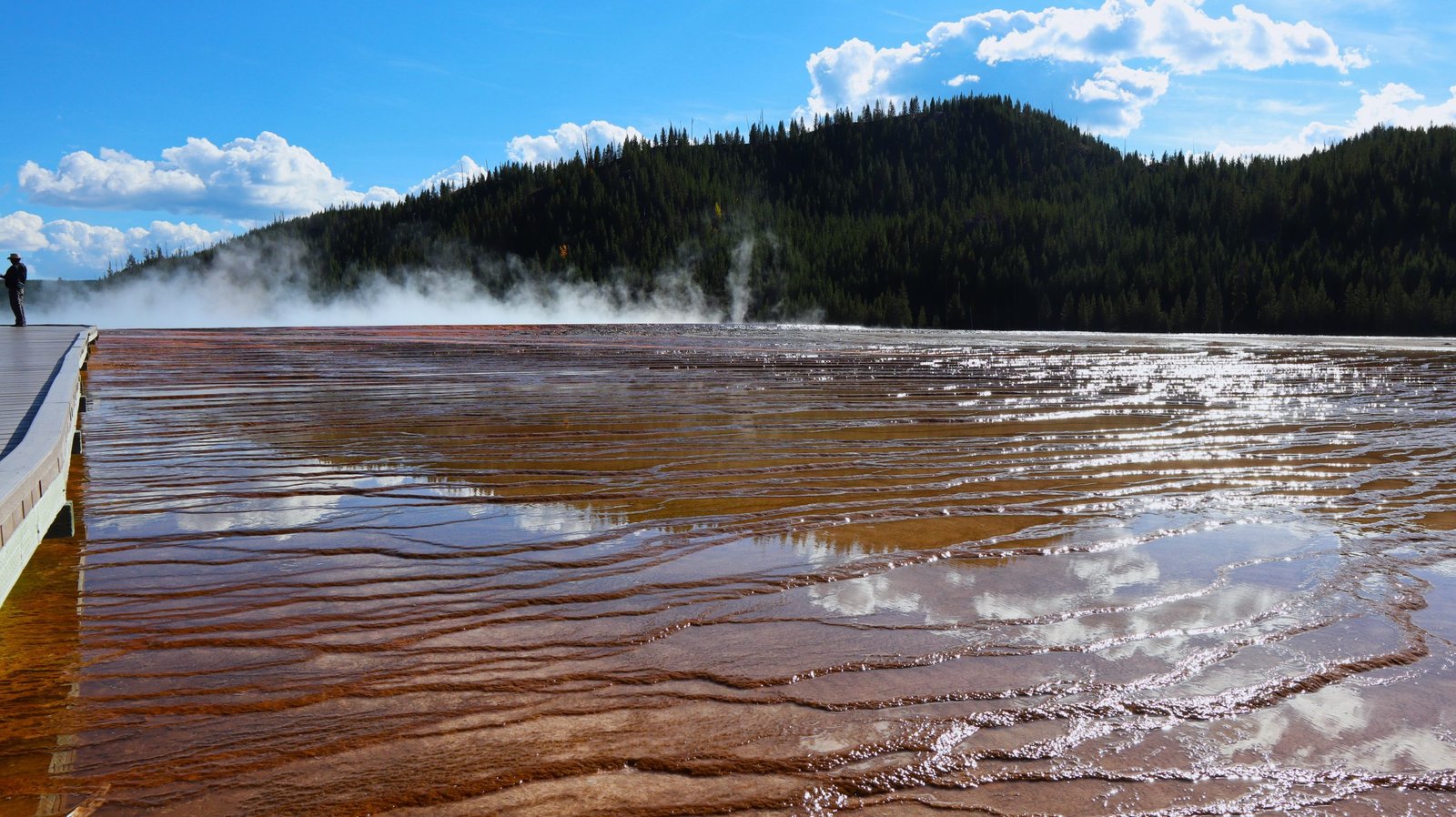
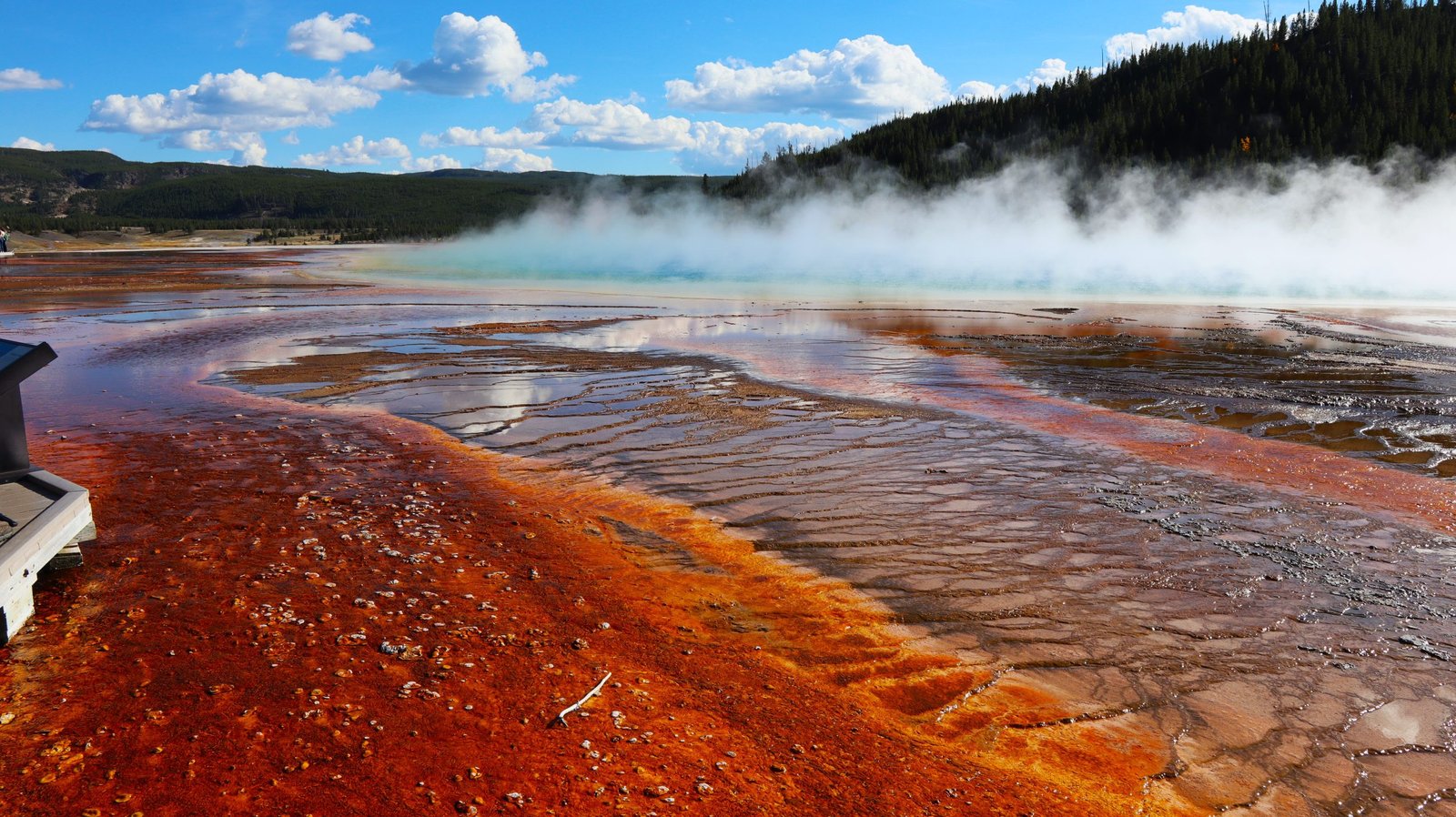
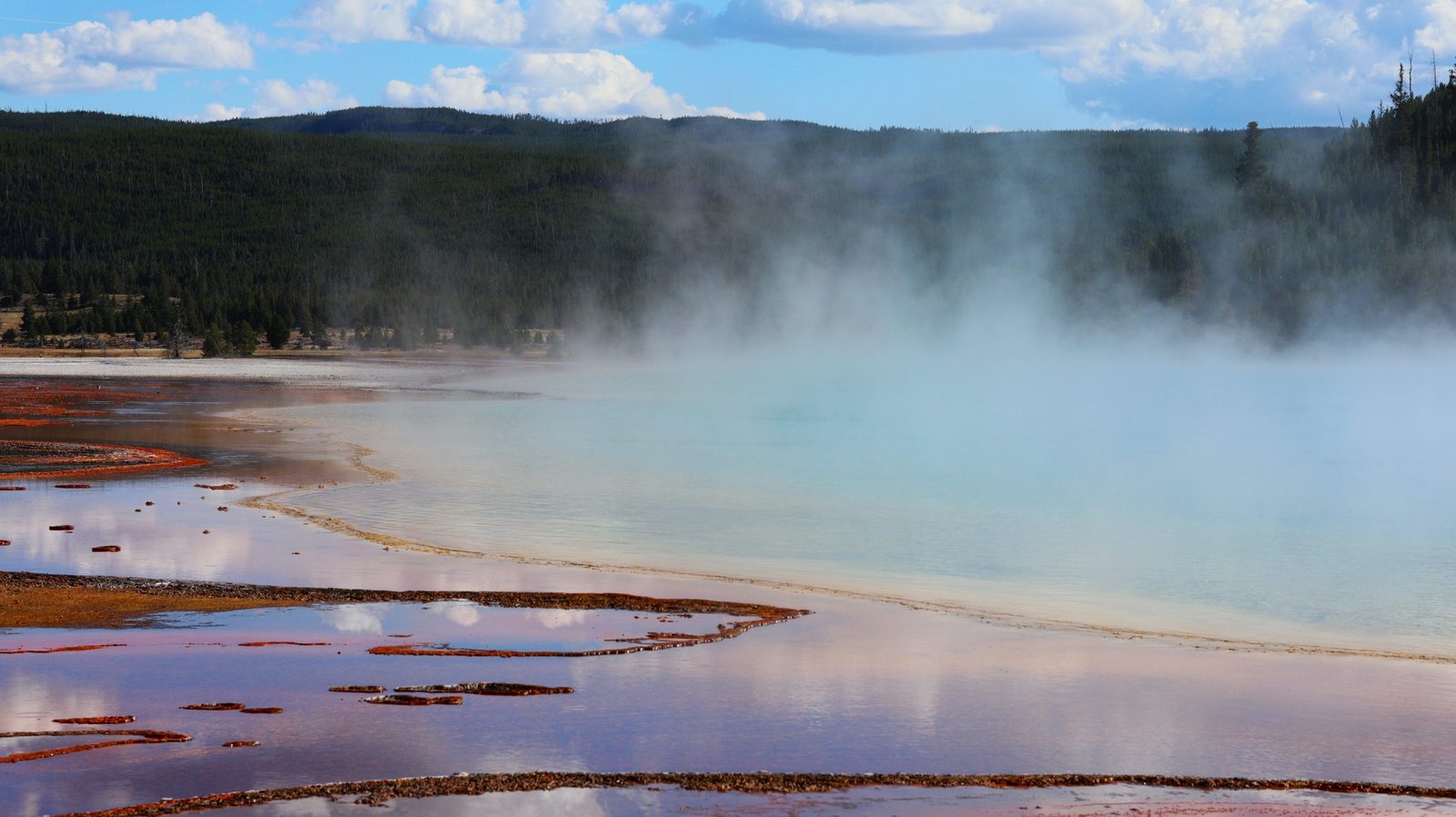
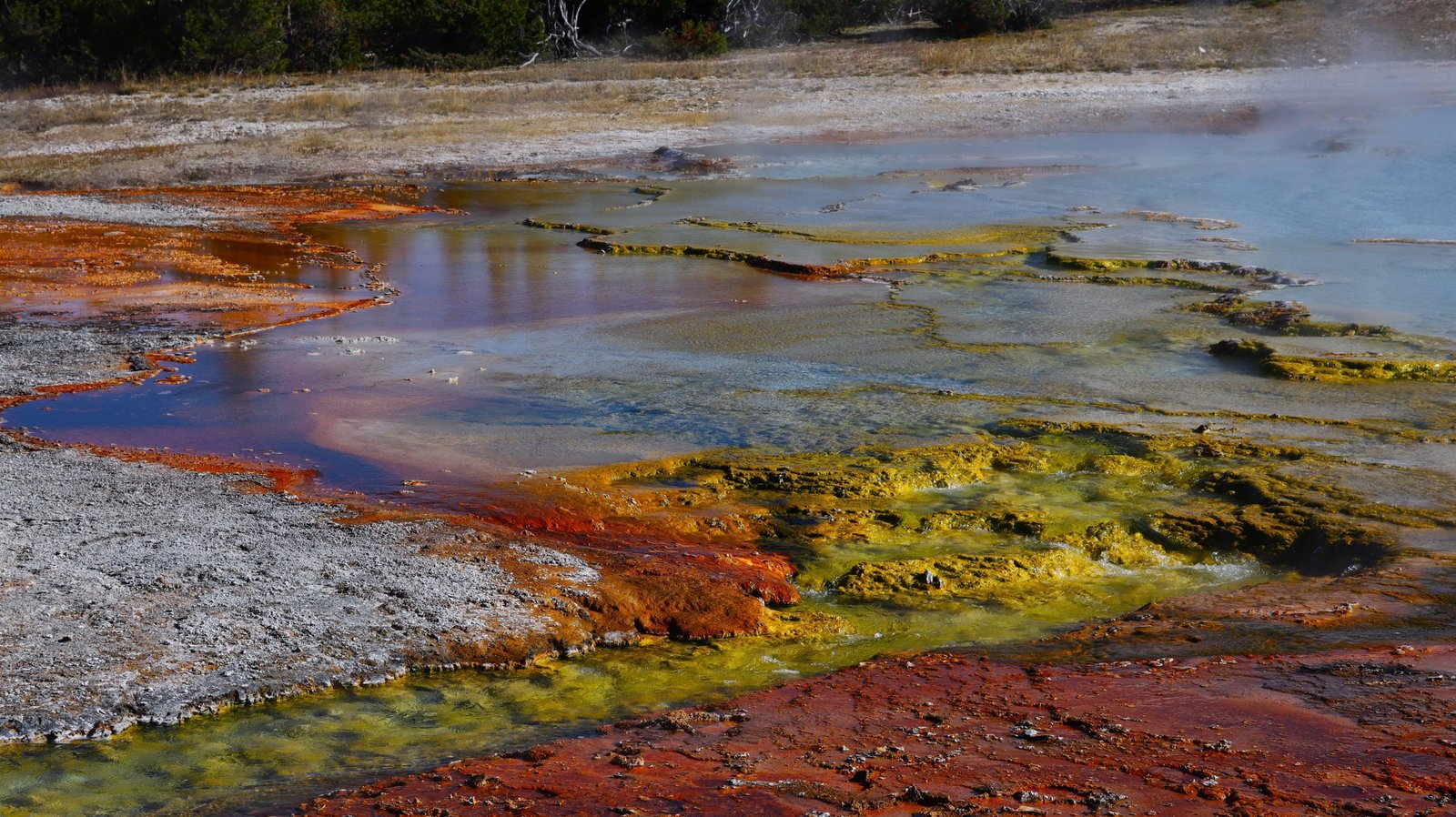
A distinct smell of sulphur in the air usually means you’re very close to geothermal activity. While not quite as pungent as other geothermally-active areas, like Rotorua in NZ or Kilauea in Hawaii, it still draws your attention to the cause of this natural marvel. For instance, the Fountain Paint Pots attraction inside the Yellowstone National Park describes (right), in cooking-recipe fashion, as to what causes the unique colours to emerge.
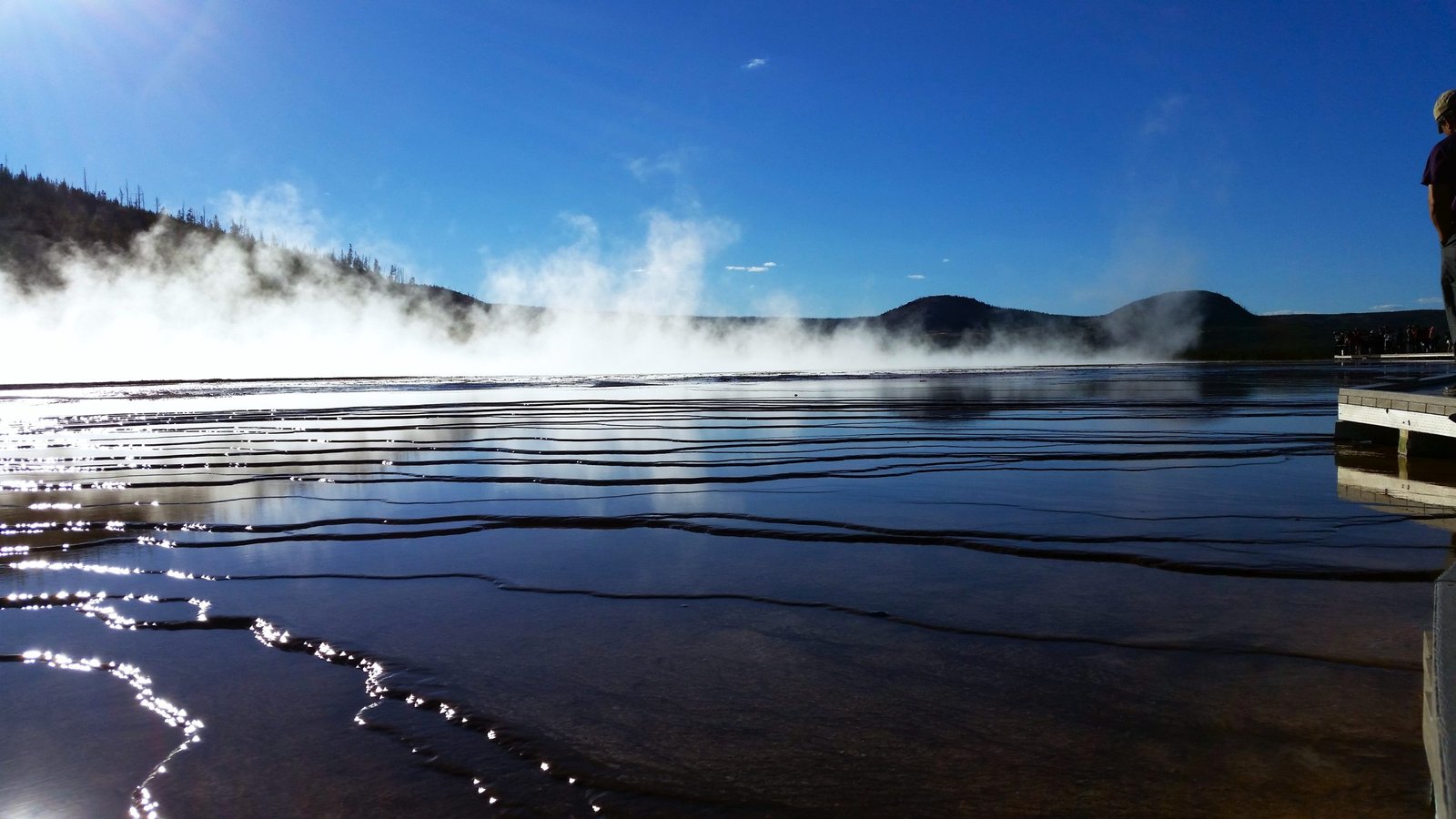
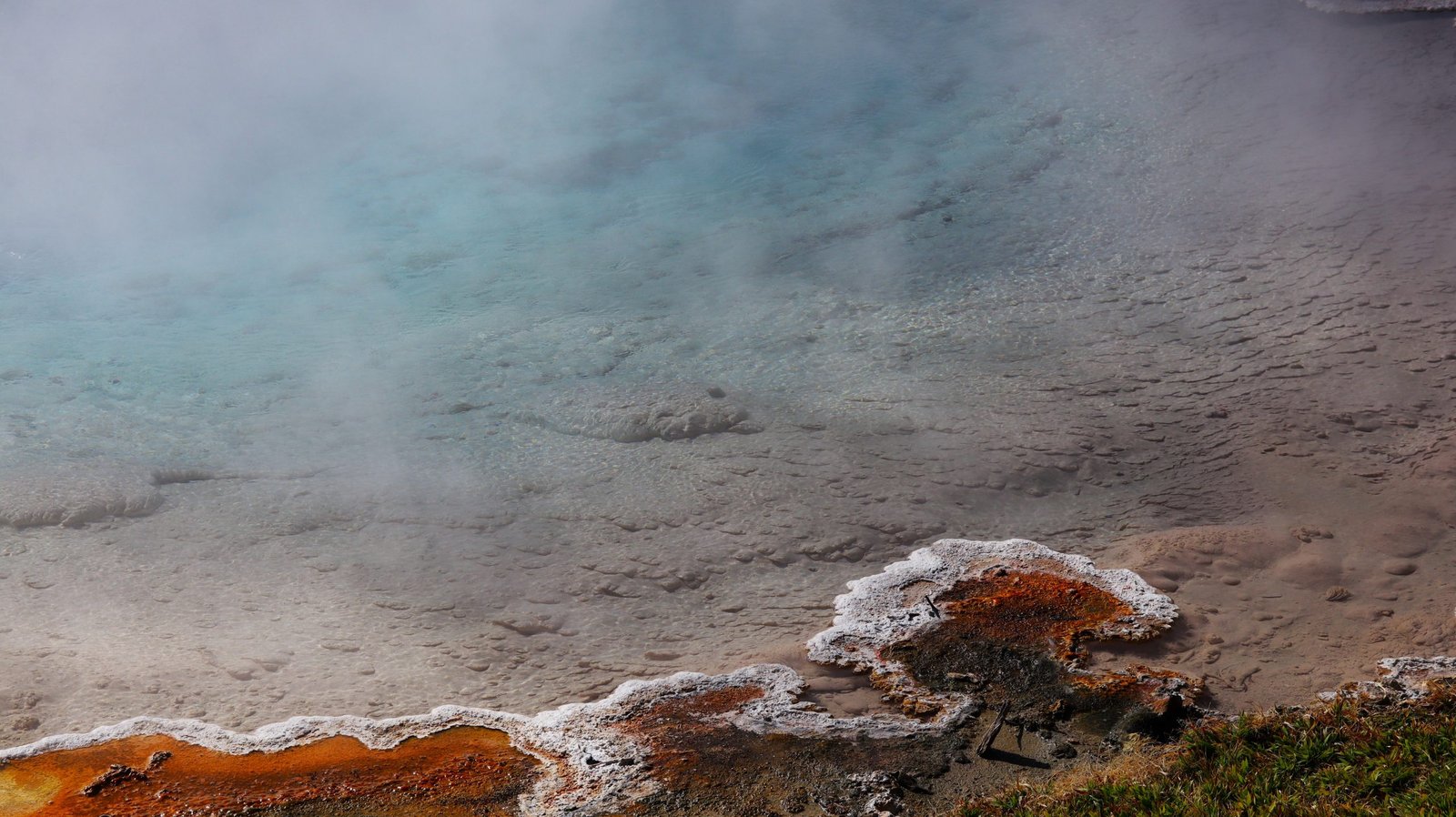
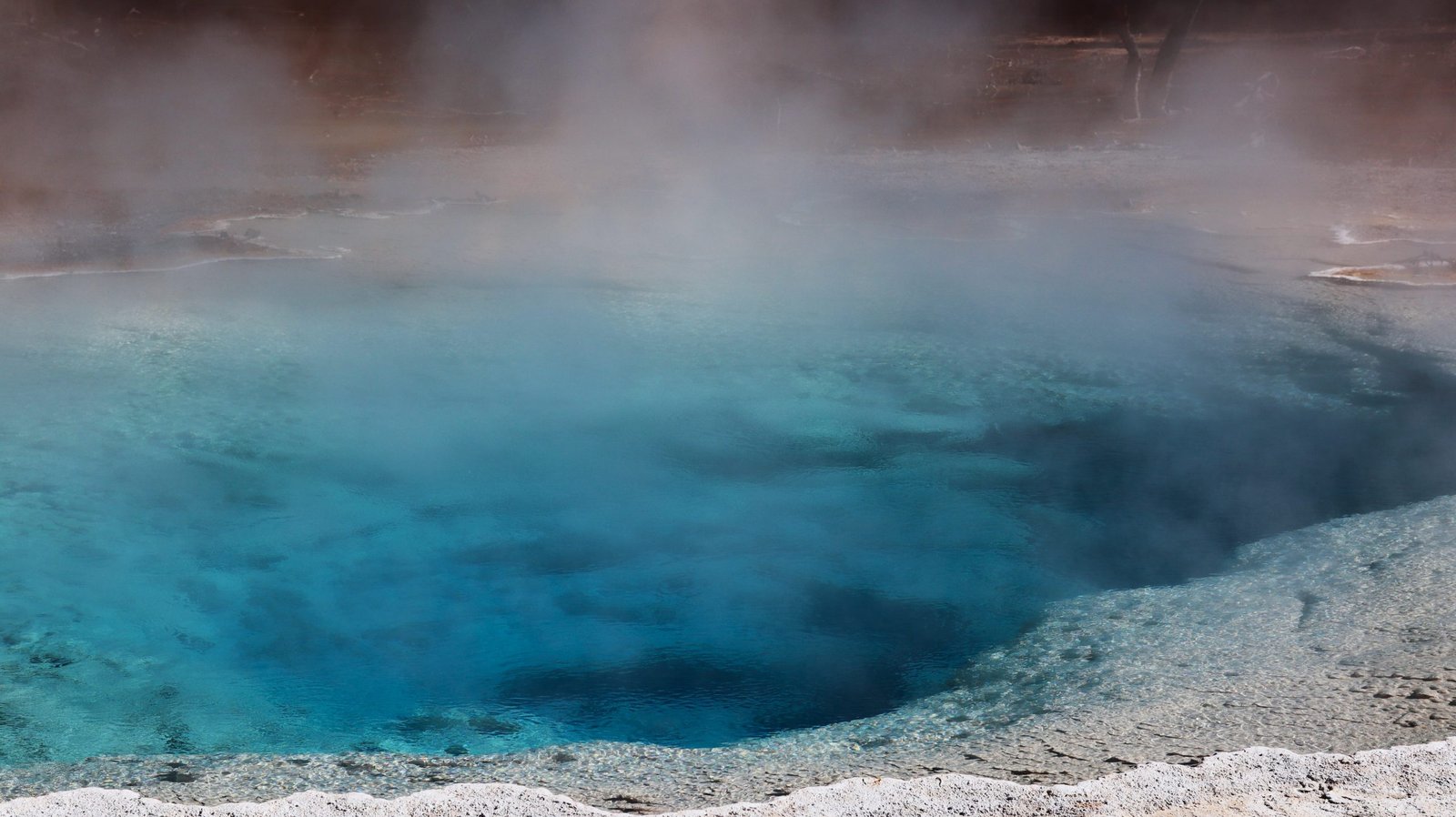
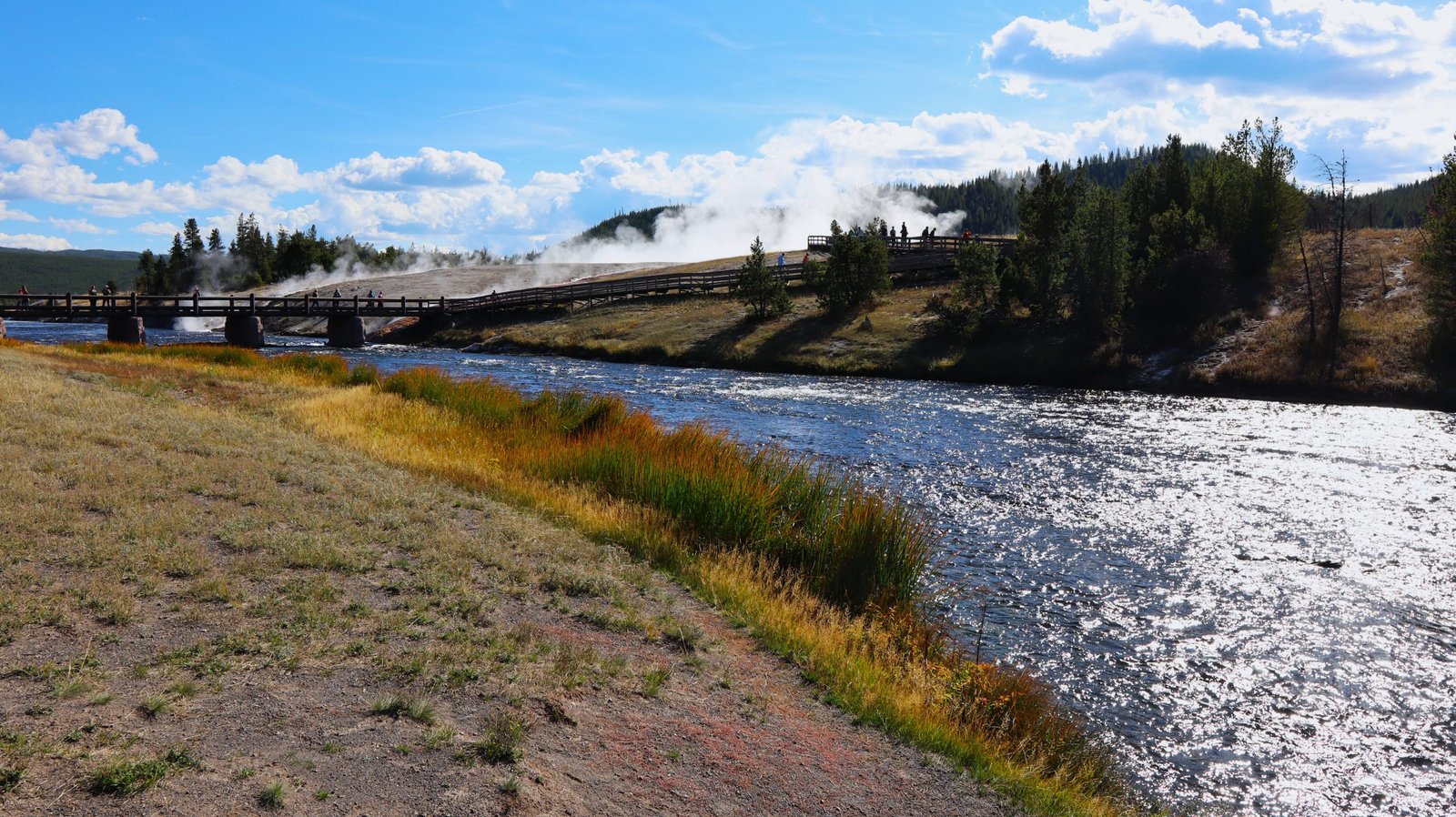
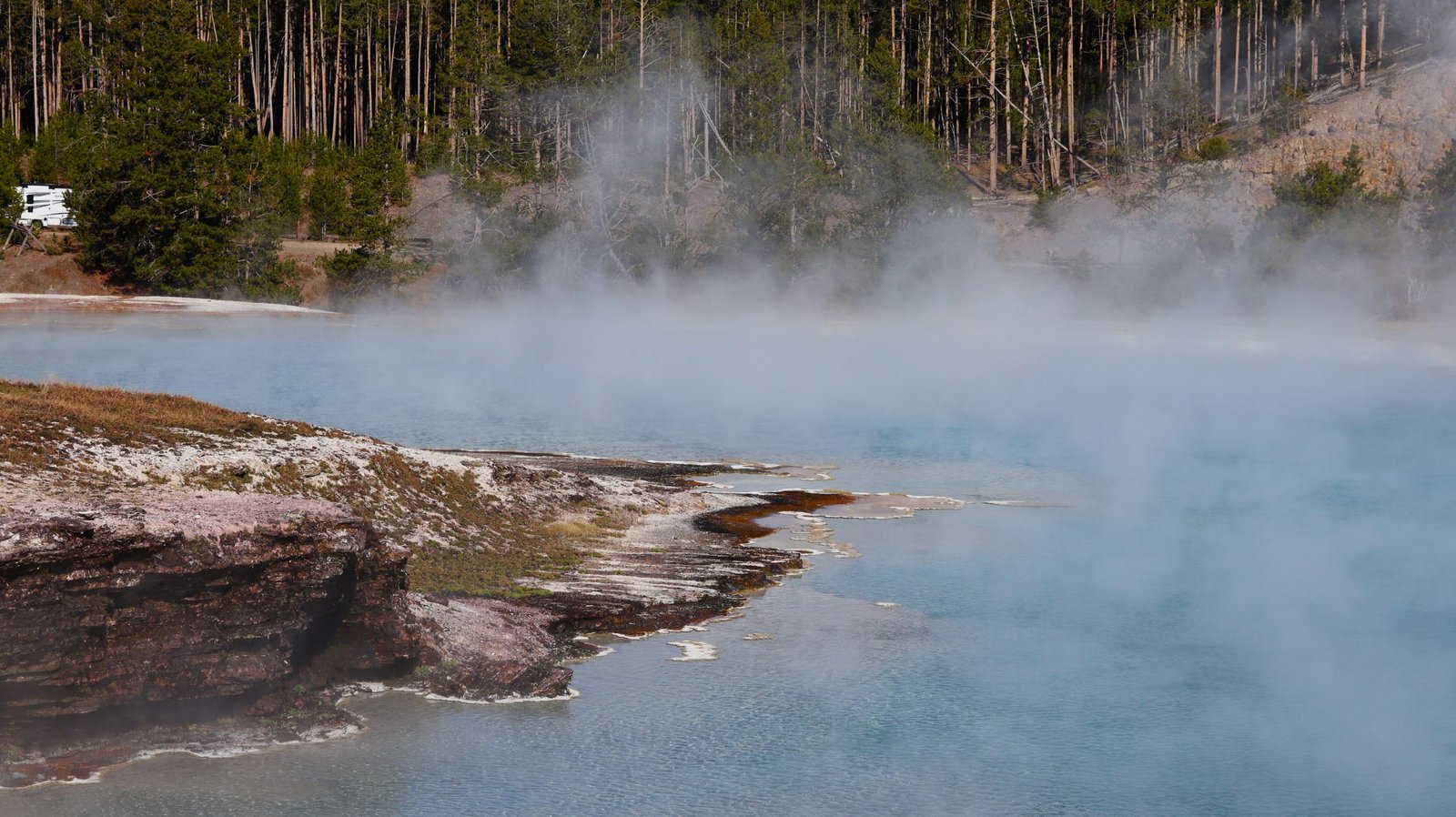
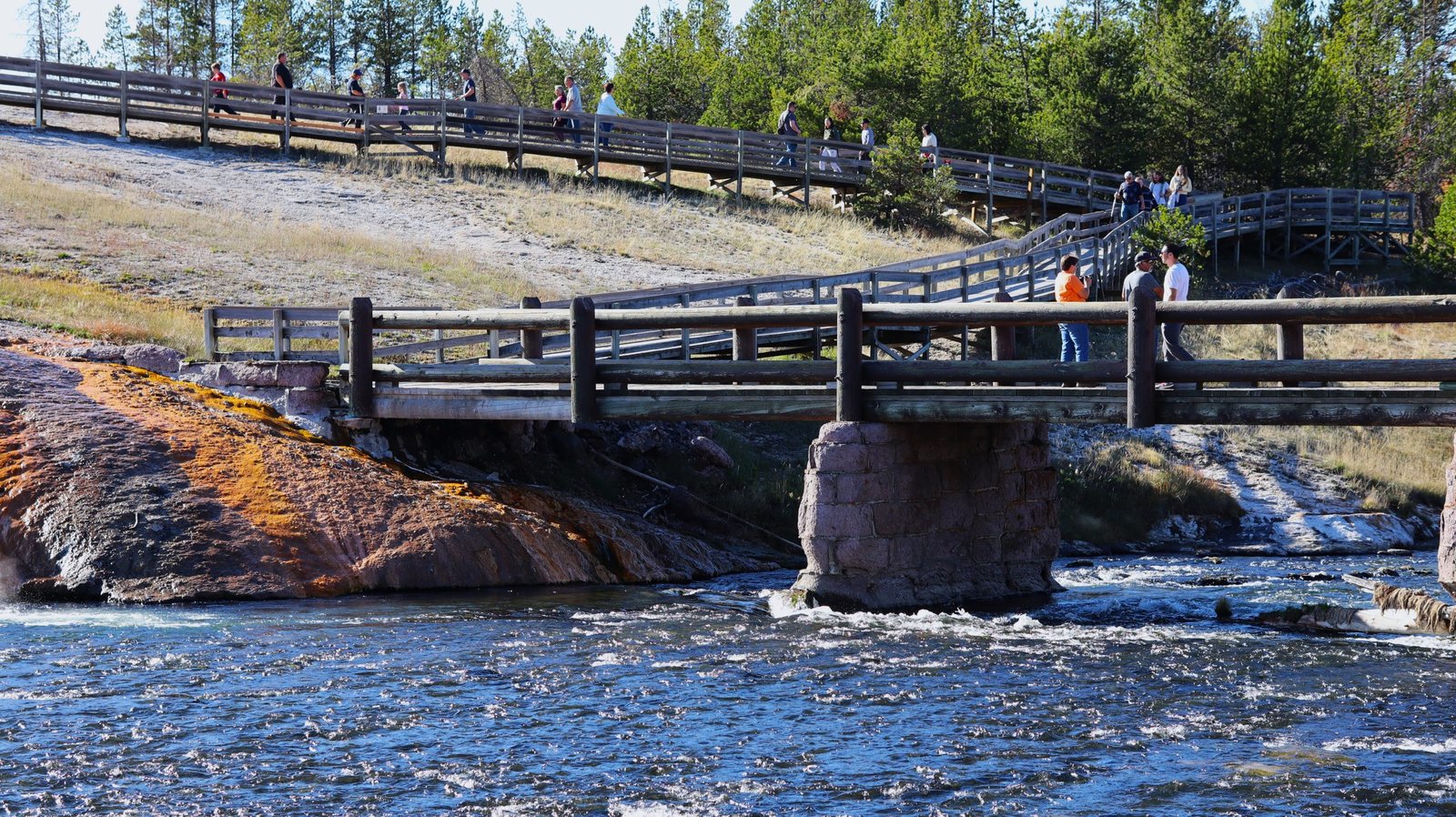
Next you’ll notice the vast quantity of steam being generated, and just how difficult it is to get an unimpeded shot of each spring.
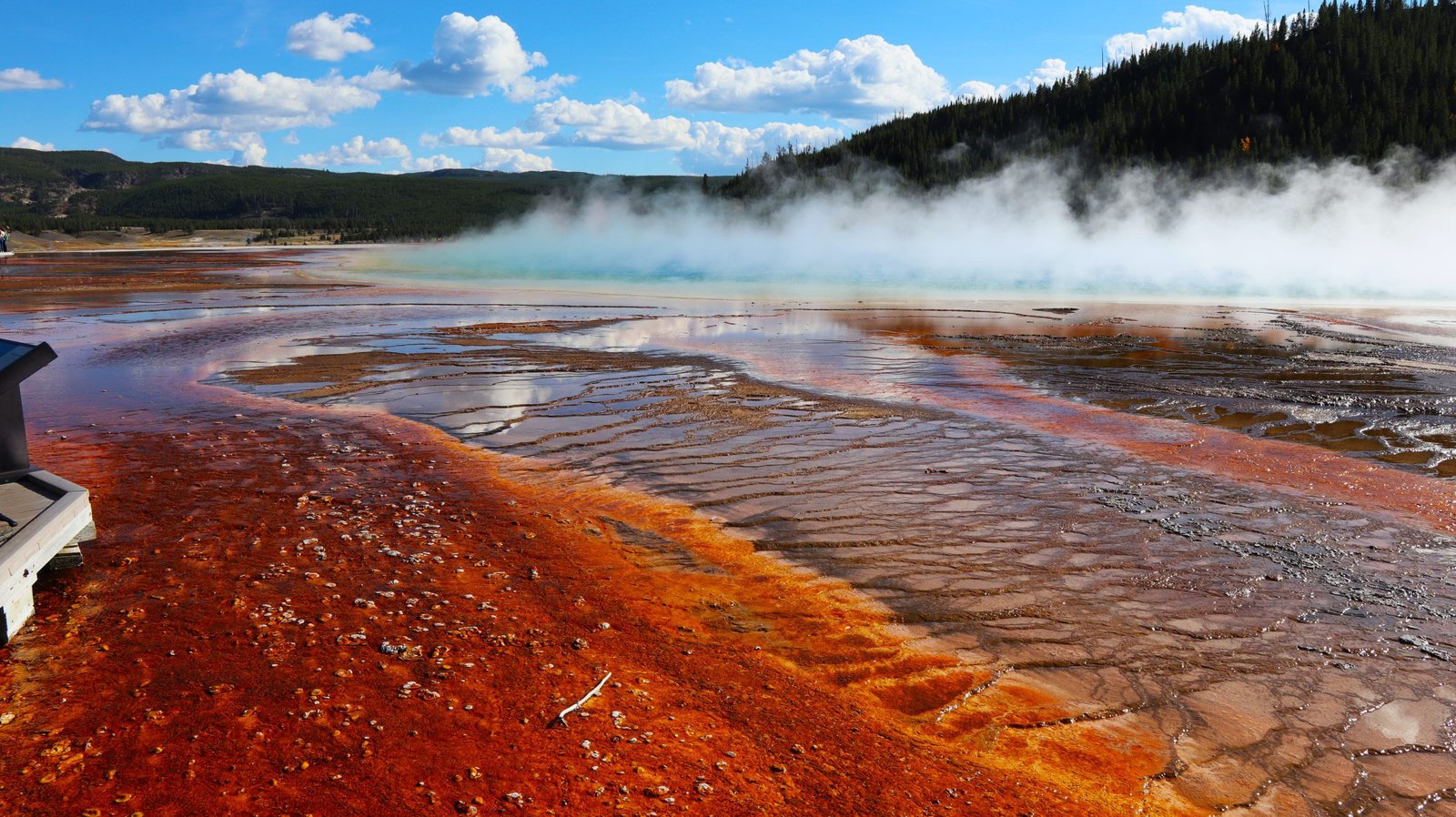
Grand Prismatic Spring (below), however, is really something you have to see, as the beautiful natural colours just defy words.
Lake Mead and the Hoover Dam
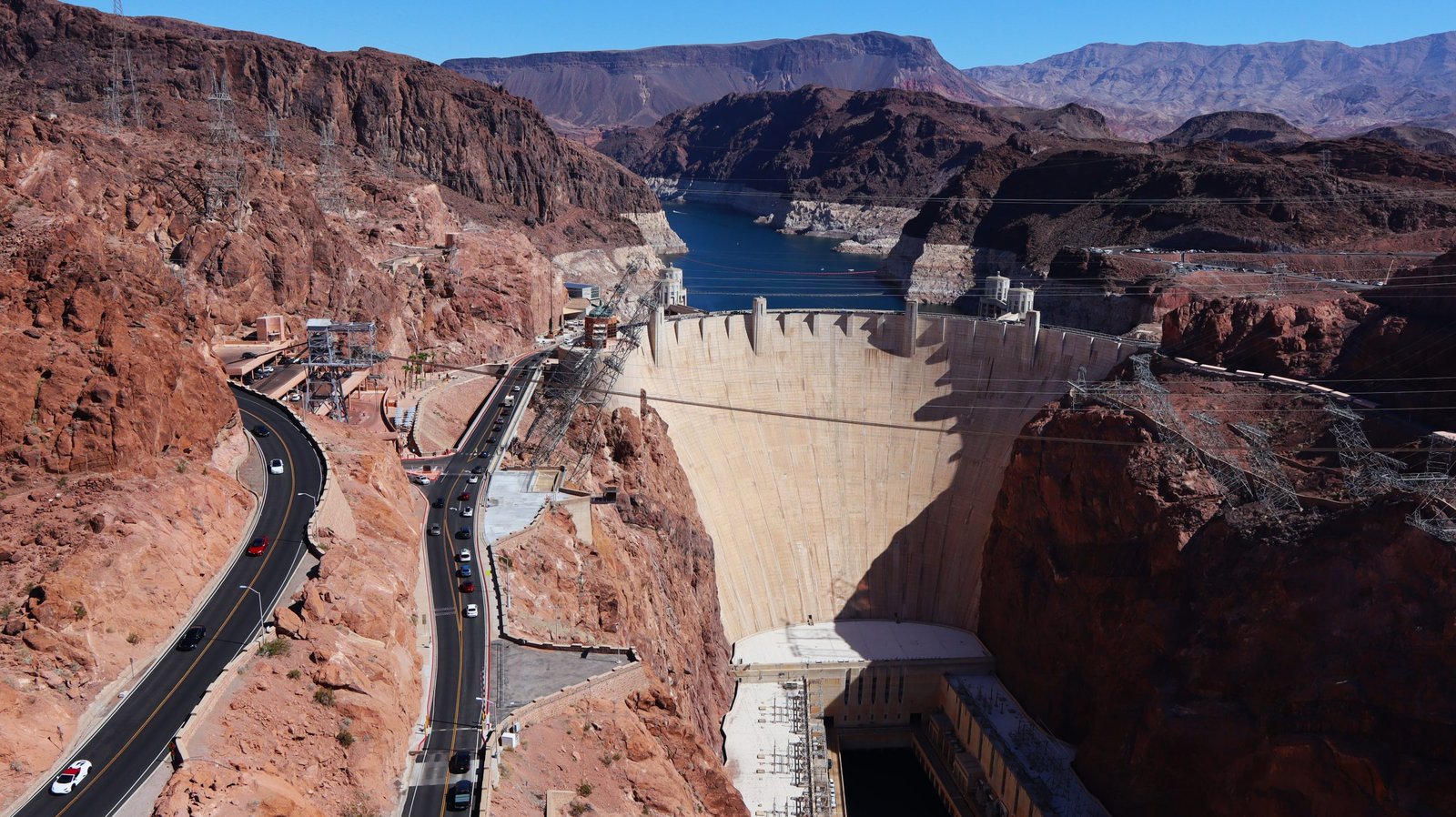
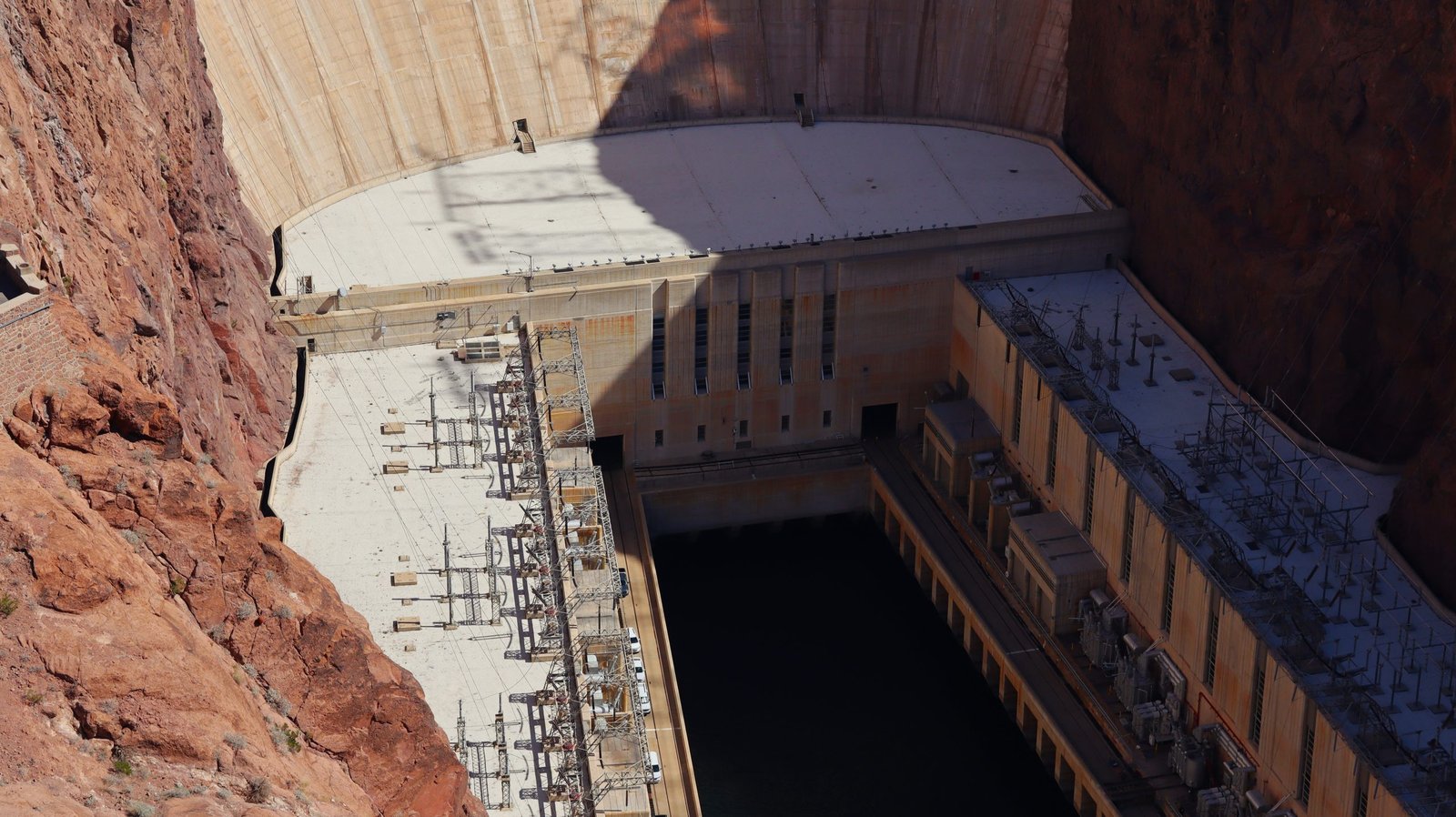
One of America’s engineering marvels, the Hoover Dam is both a hydro-electric power plant and an awesome sight. Its construction spawned the creation of Boulder City during the Great Depression. Parts of the concrete still haven’t set, almost 90 years after the dam’s opening. Back then, the Colorado River was more flood-prone, feeding masses of water into Lake Mead.
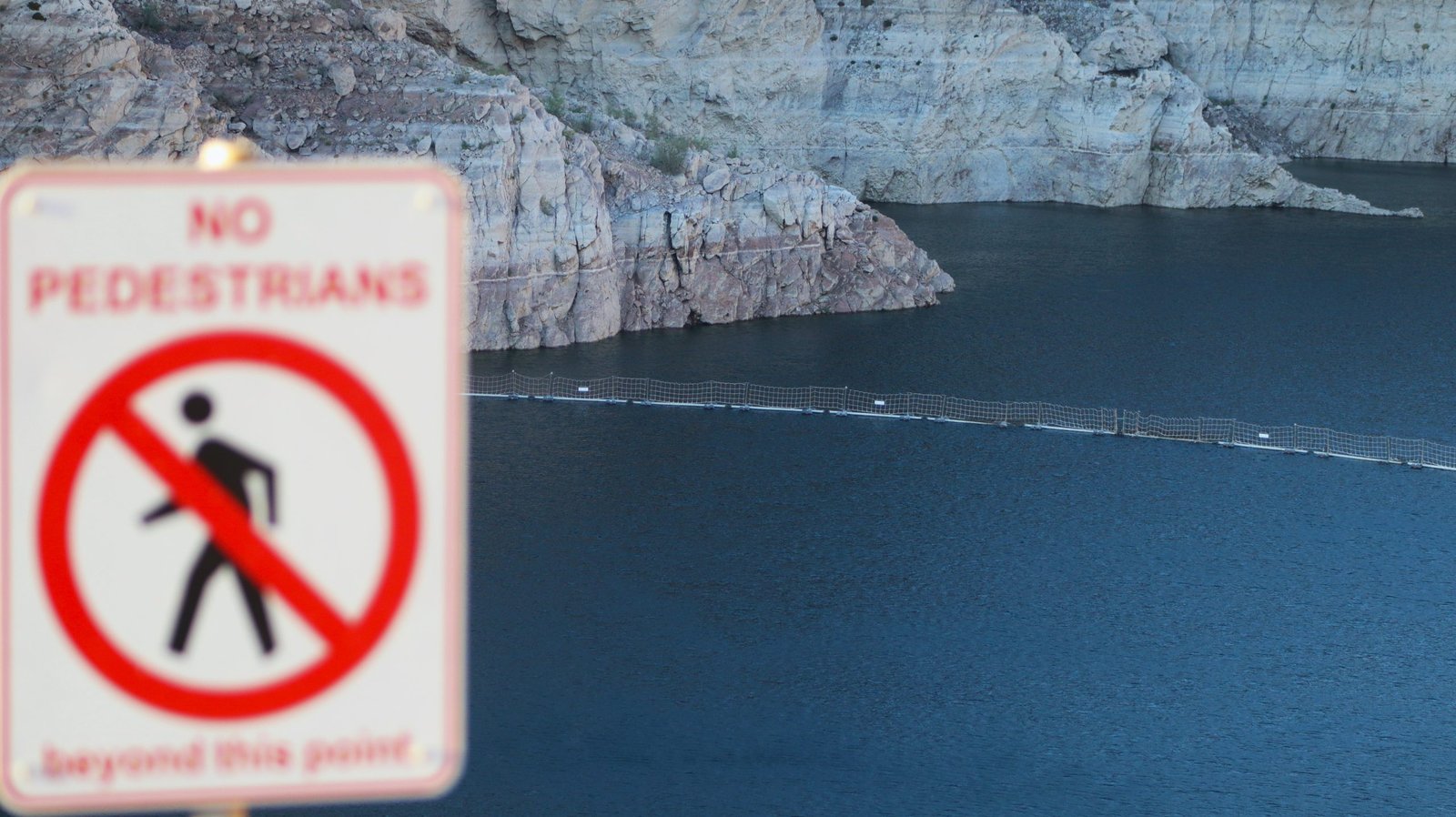
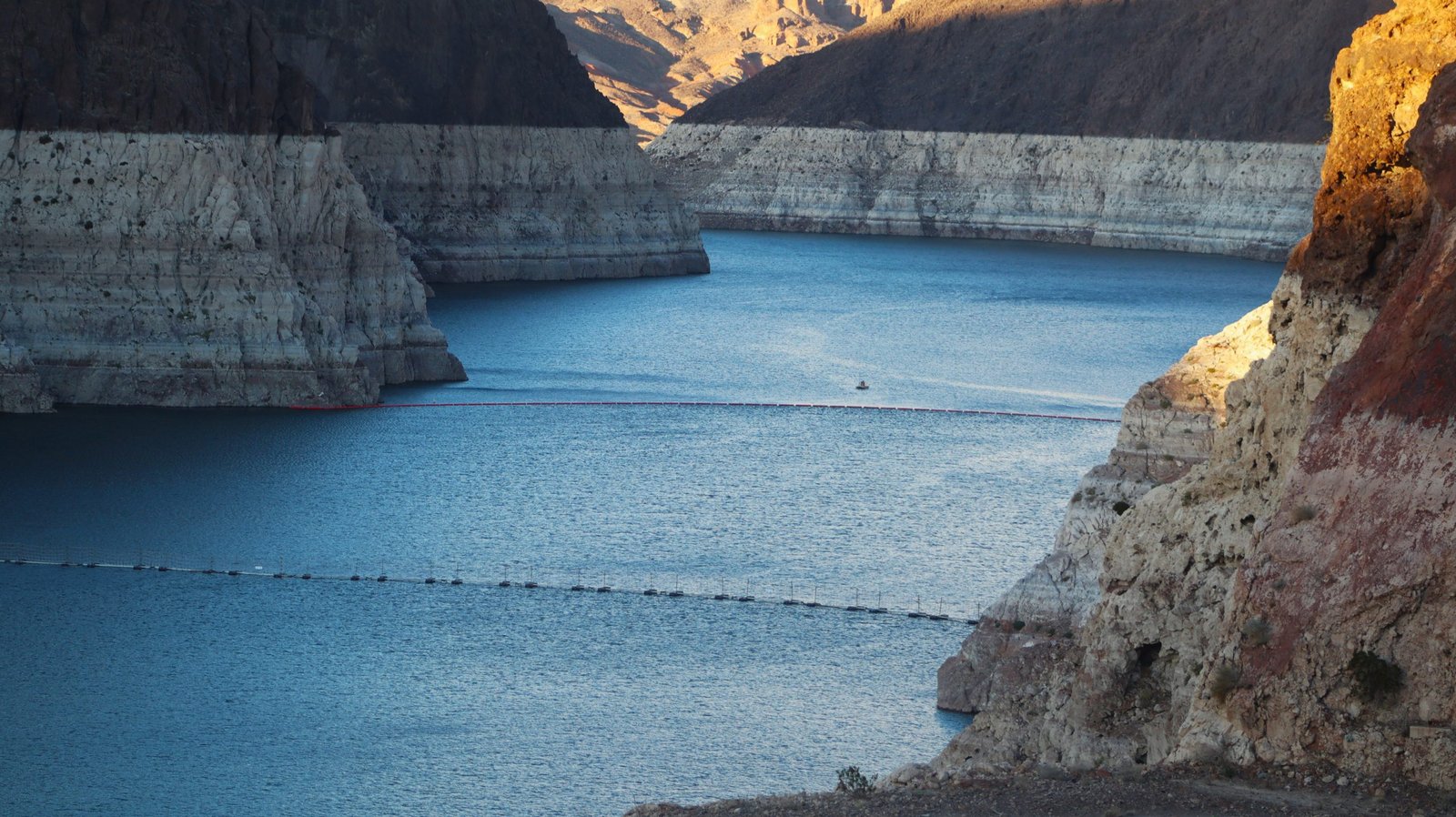
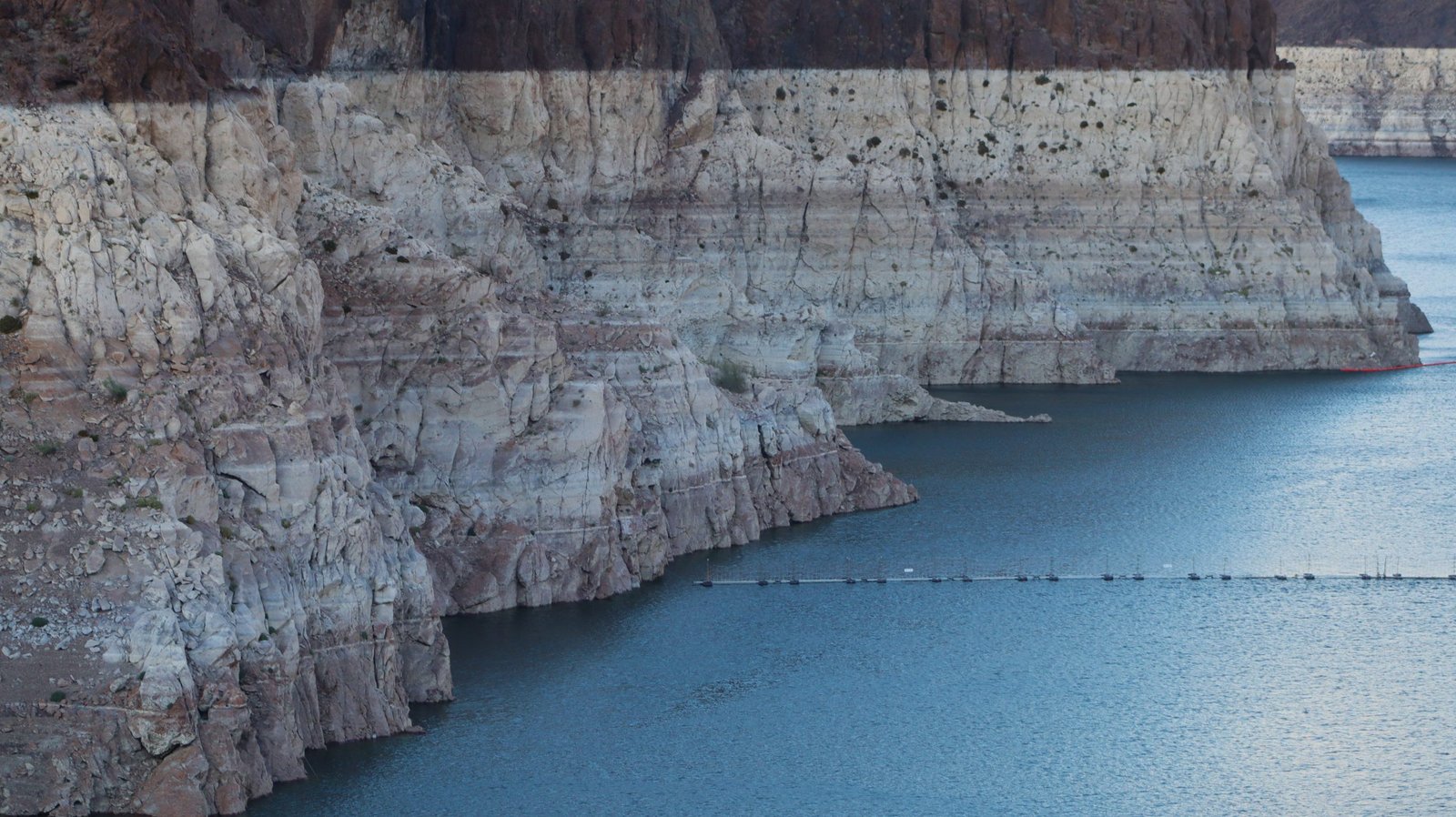
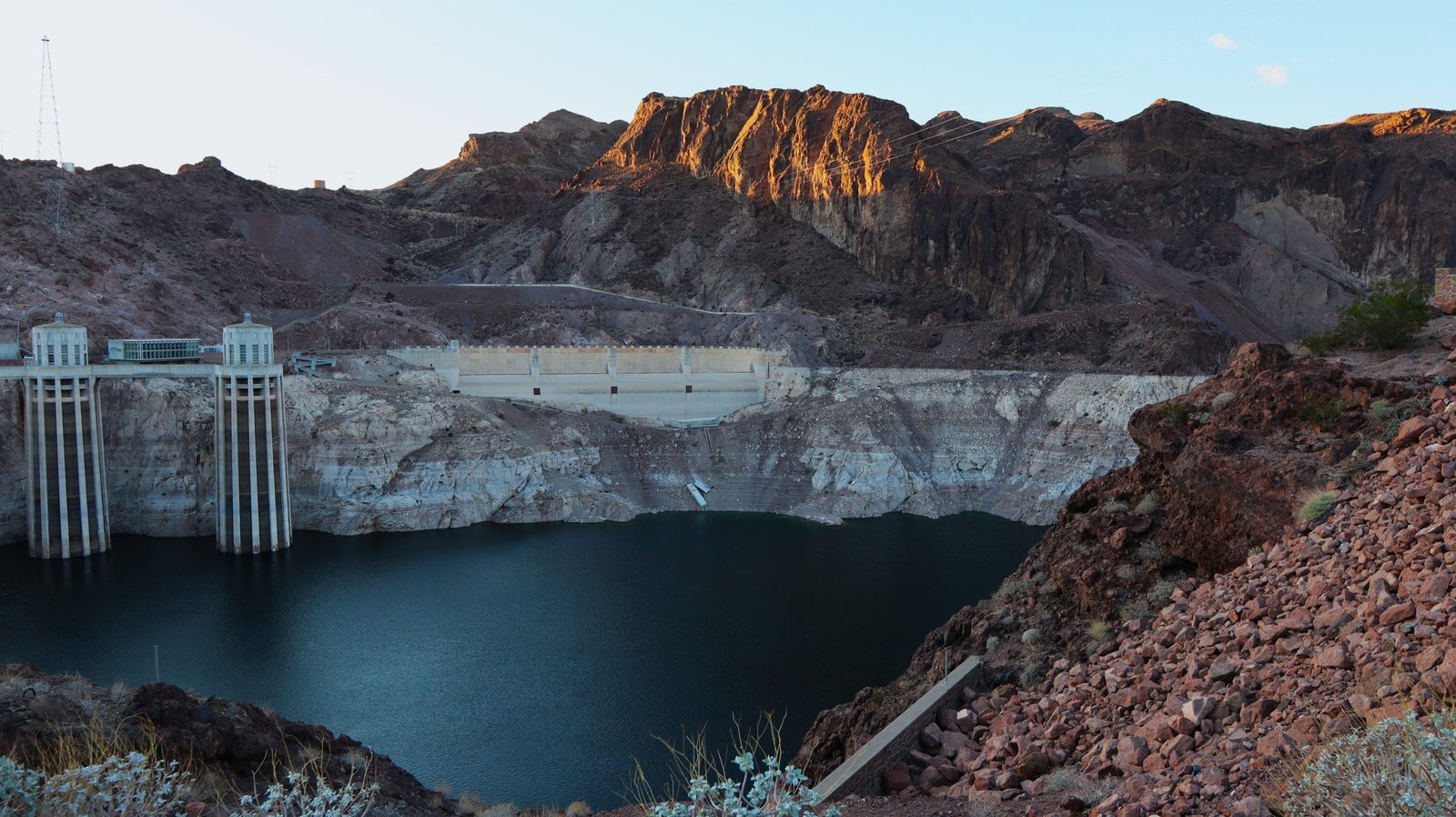
Today, the ‘high-tide’ marks are evident all along the natural walls of the lake before the dam. When I visited, the area was severely drought-affected and the water level looked critically low (termed as ‘dead pool’ level), potentially being unable to feed water into the hydro plant below.
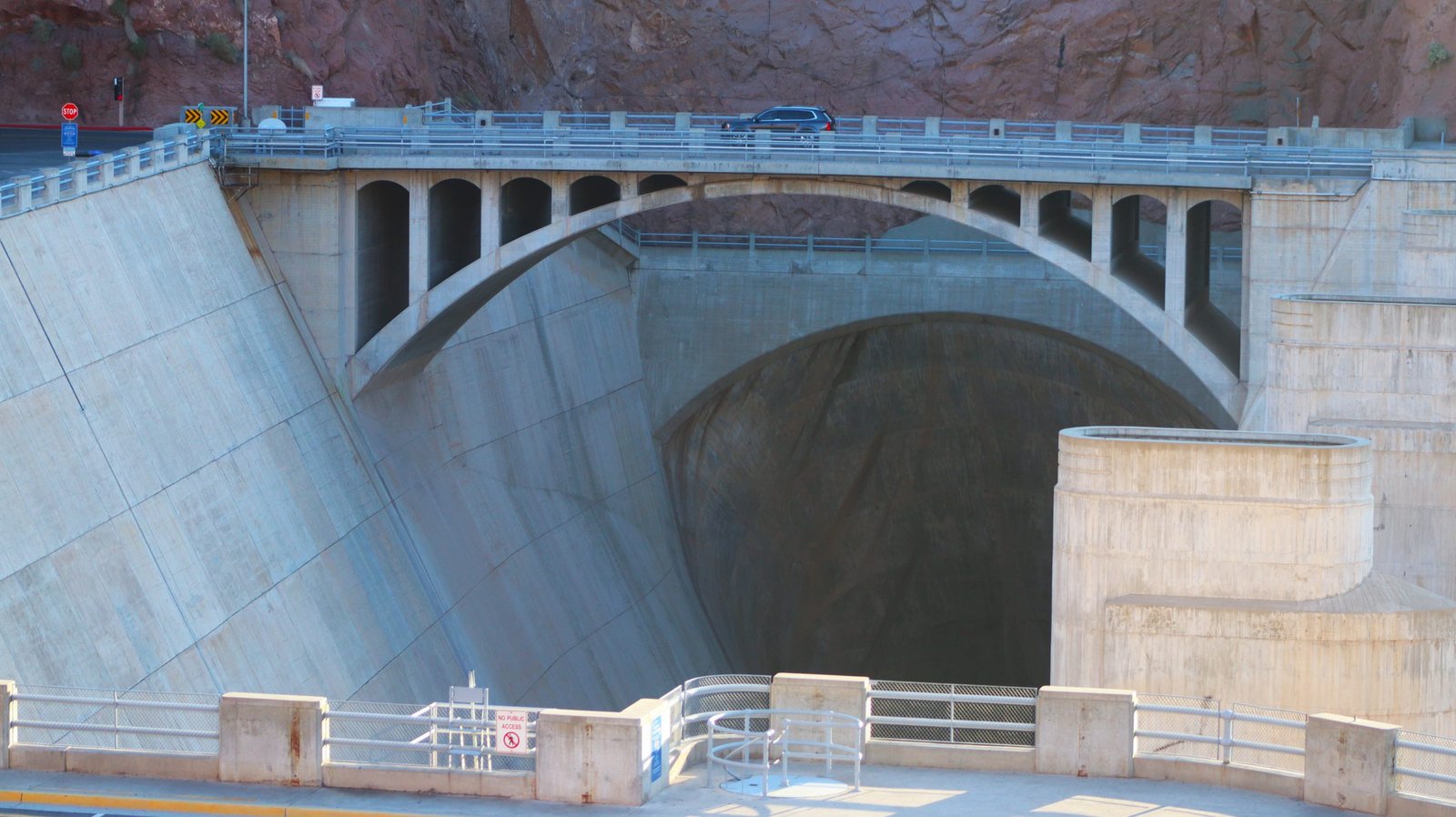
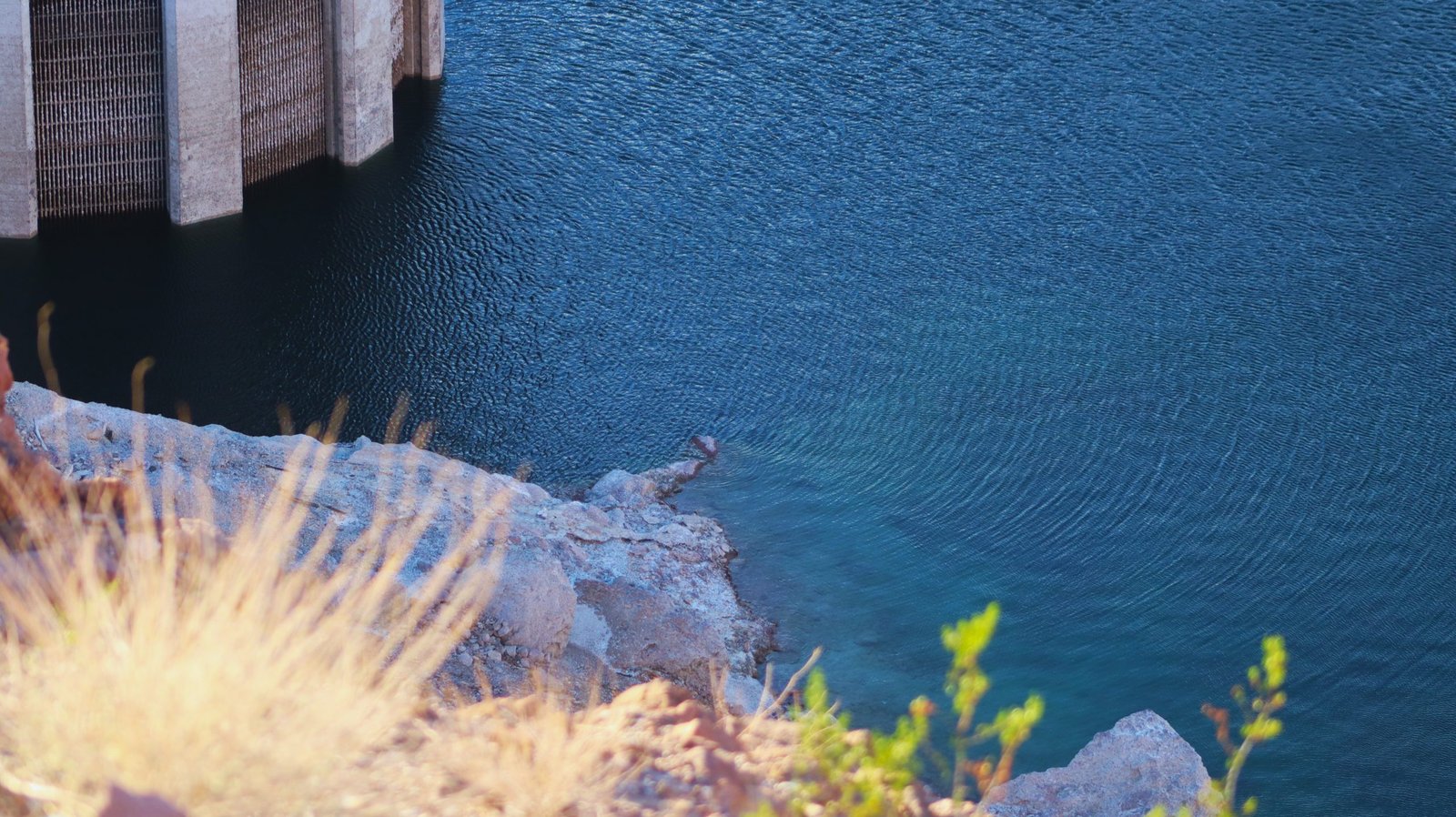
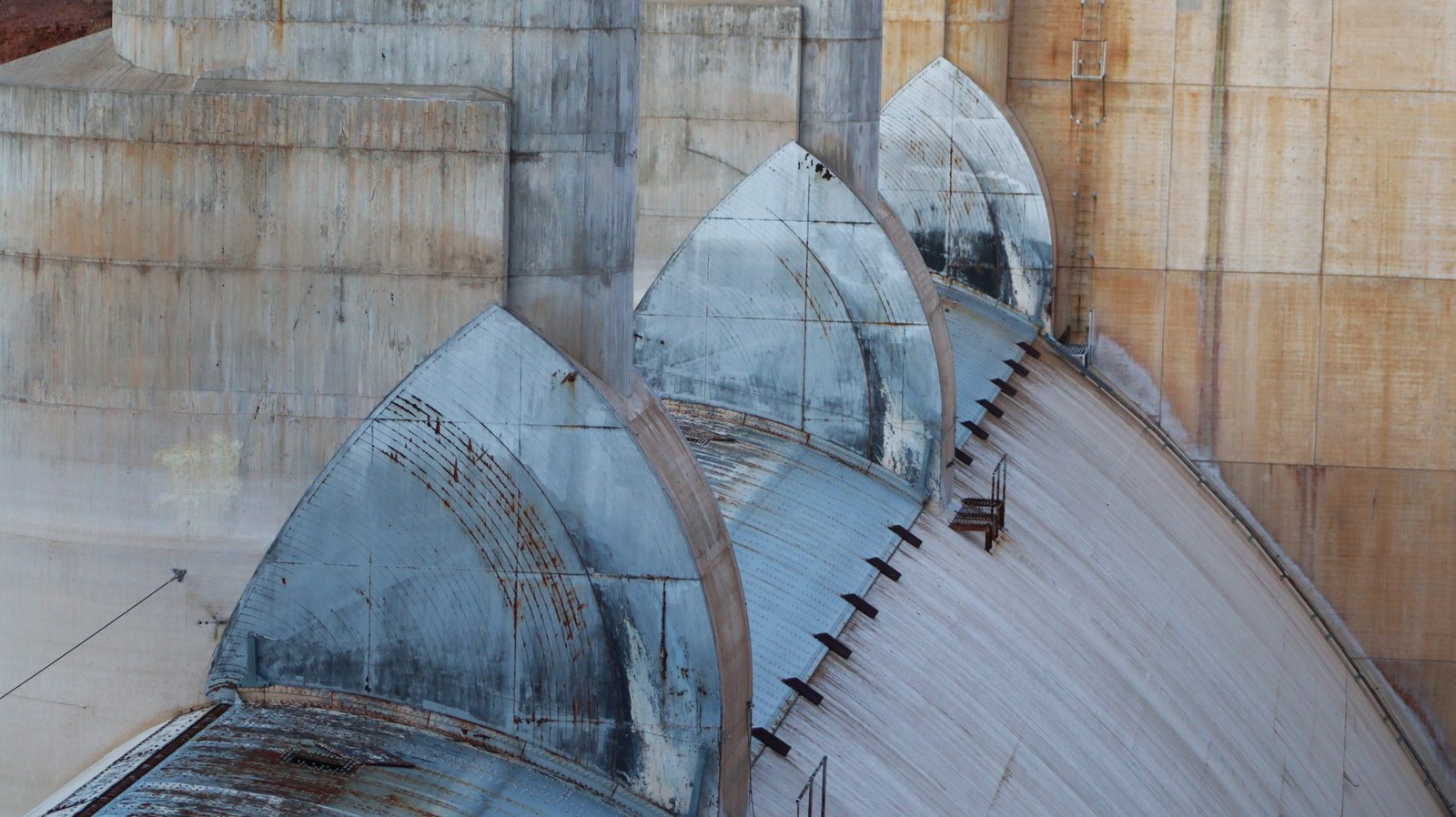
The gigantic 17m (56ft) diameter diversion tunnels on each side of the dam (below-left), look barren and unused in years. Each one looks like a giant, bottomless throat.
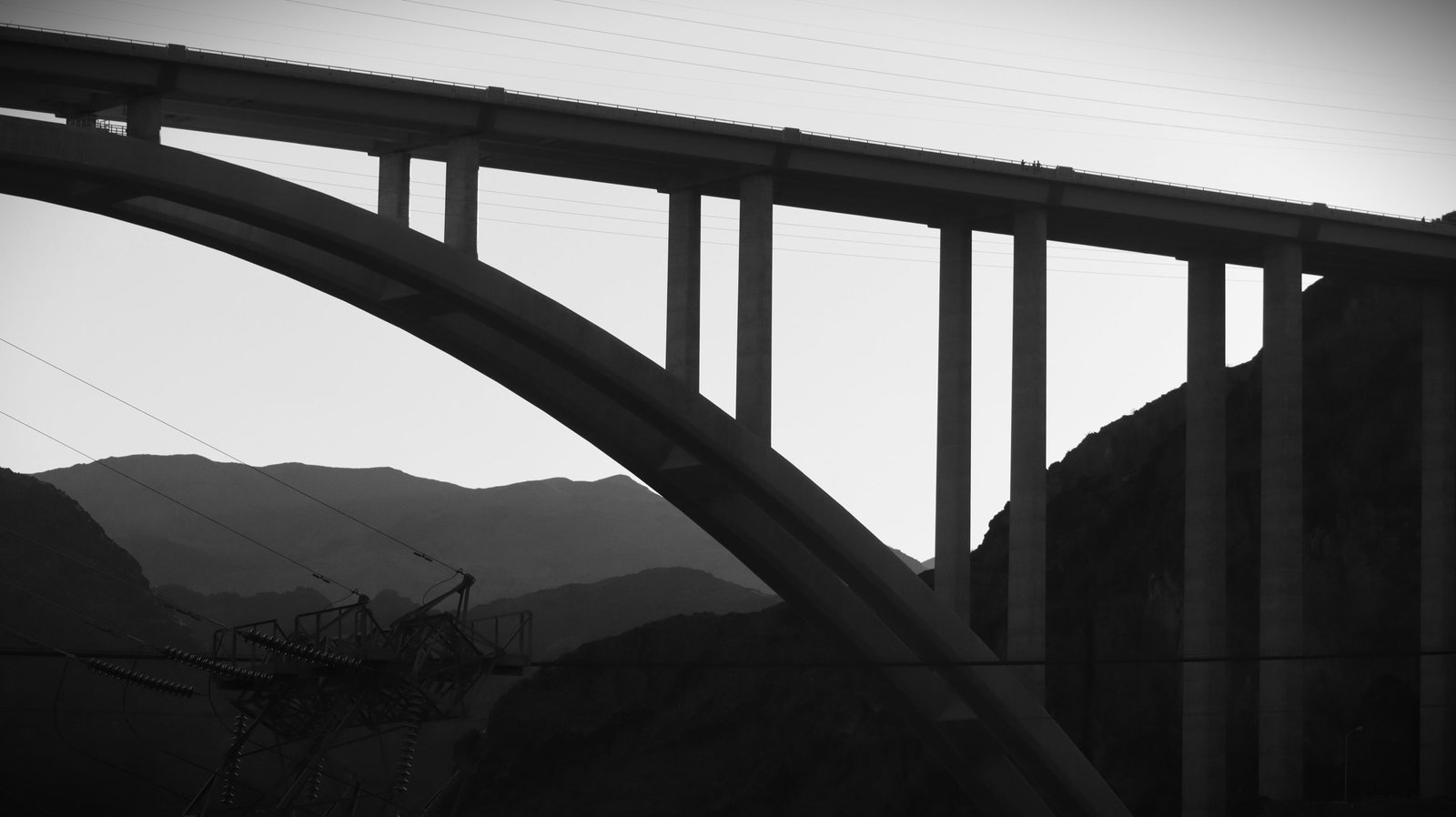
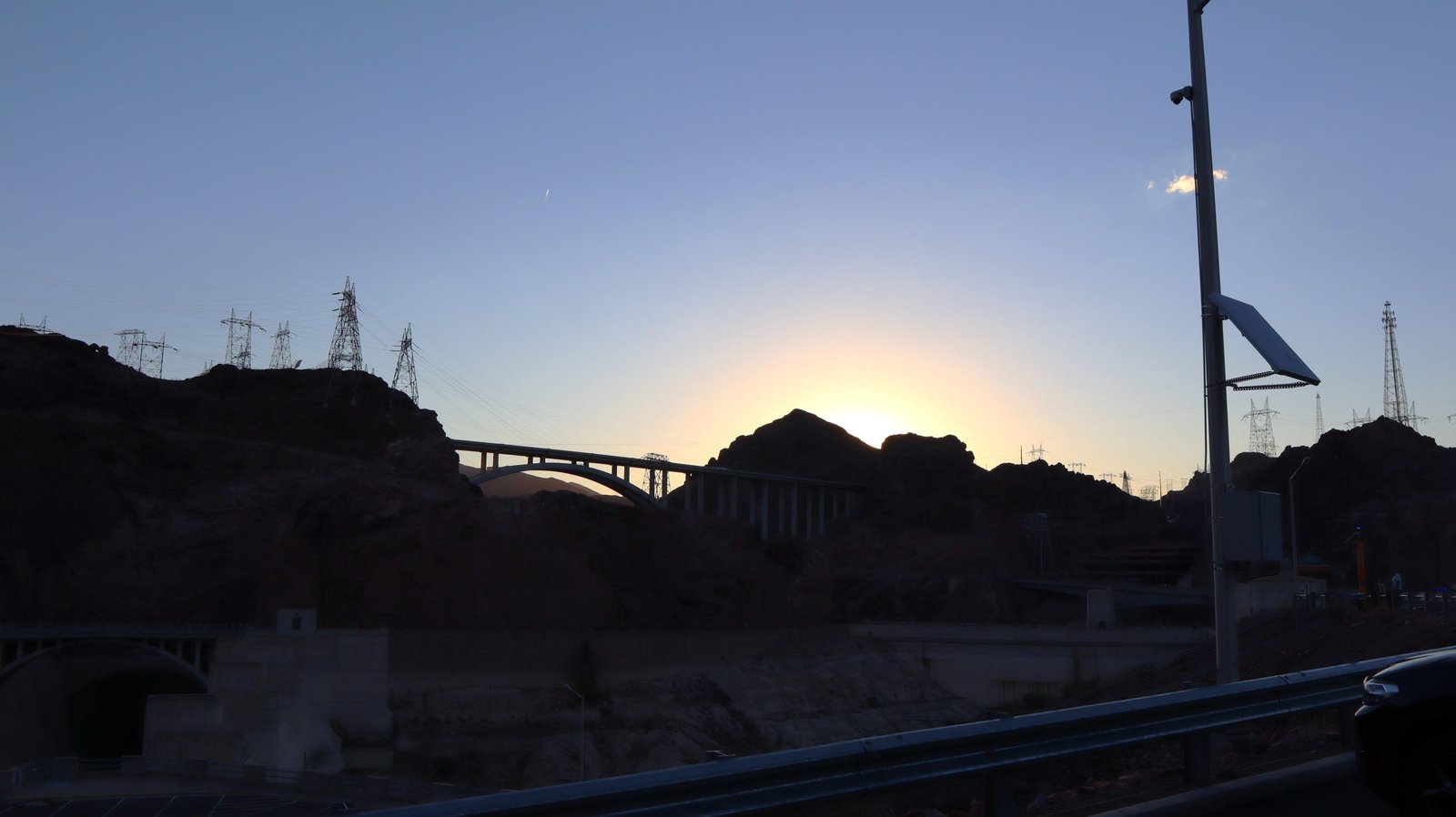
The O’Callaghan/Tillman Memorial bridge that spans the width of the dam, crossing from Nevada to Arizona, is a monster in its own right. Opened in October 2010, those specks on the bridge, toward the right of shot (below), are actually people.
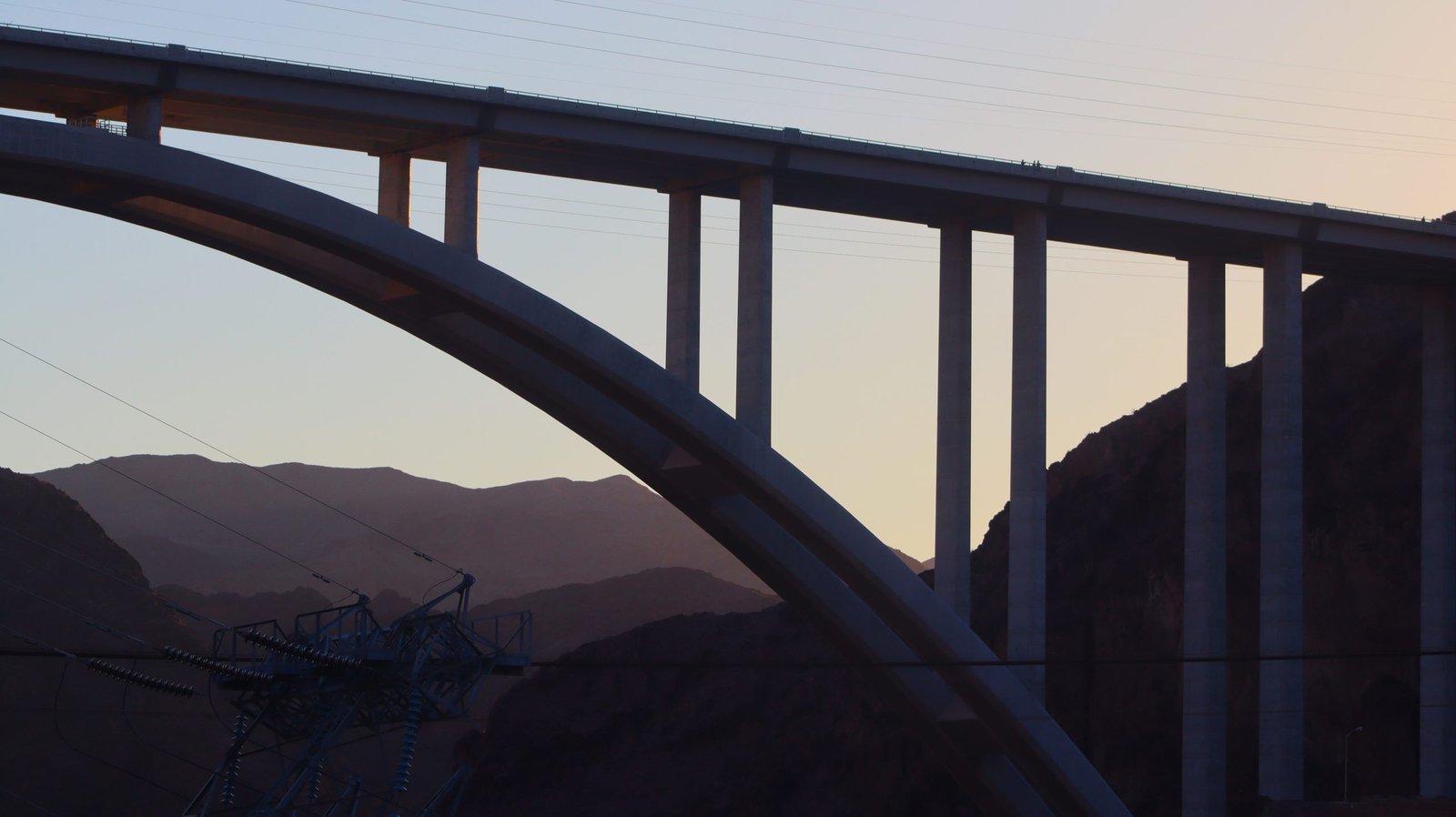
Bryce Canyon National Park, Utah
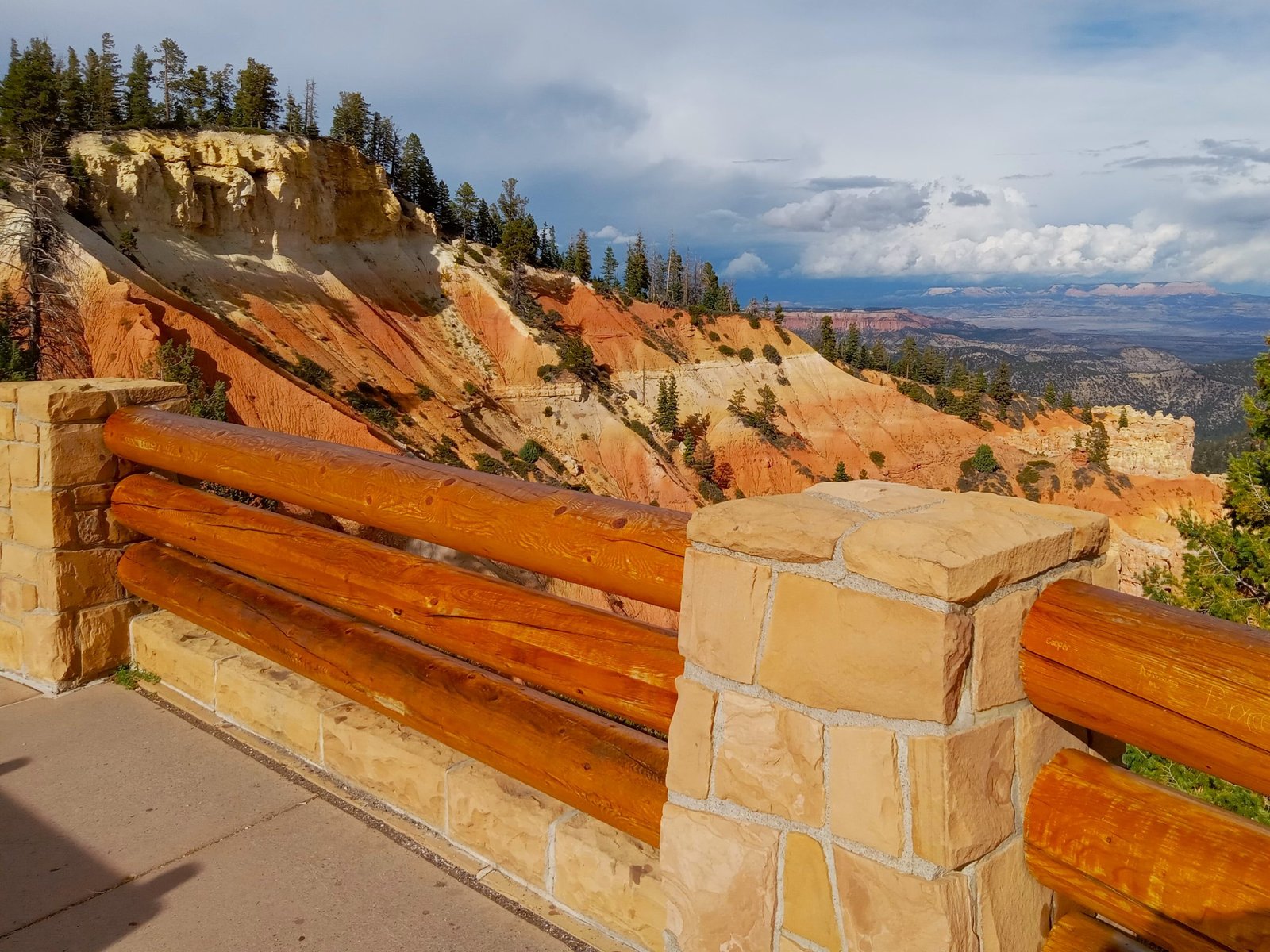
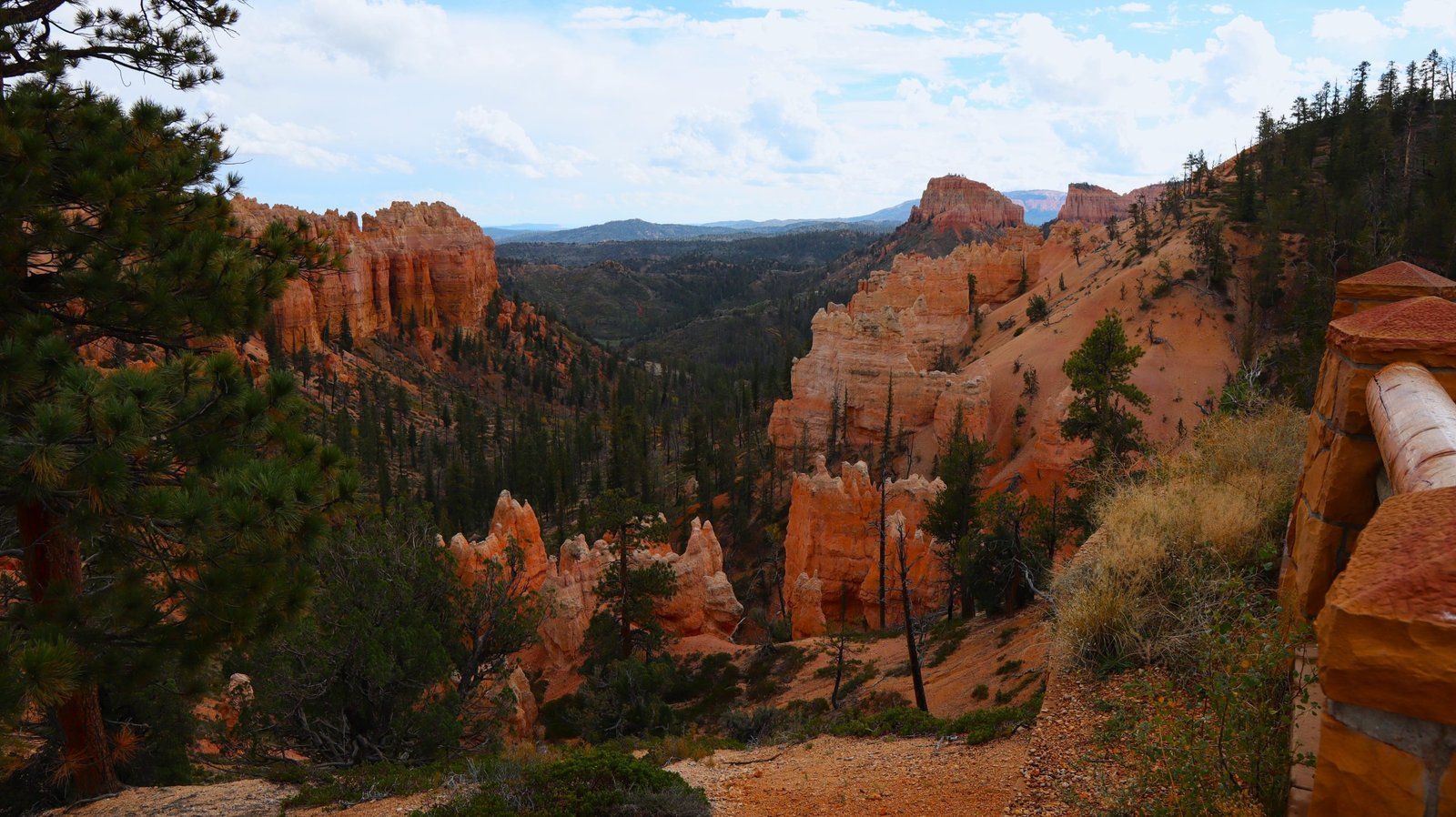
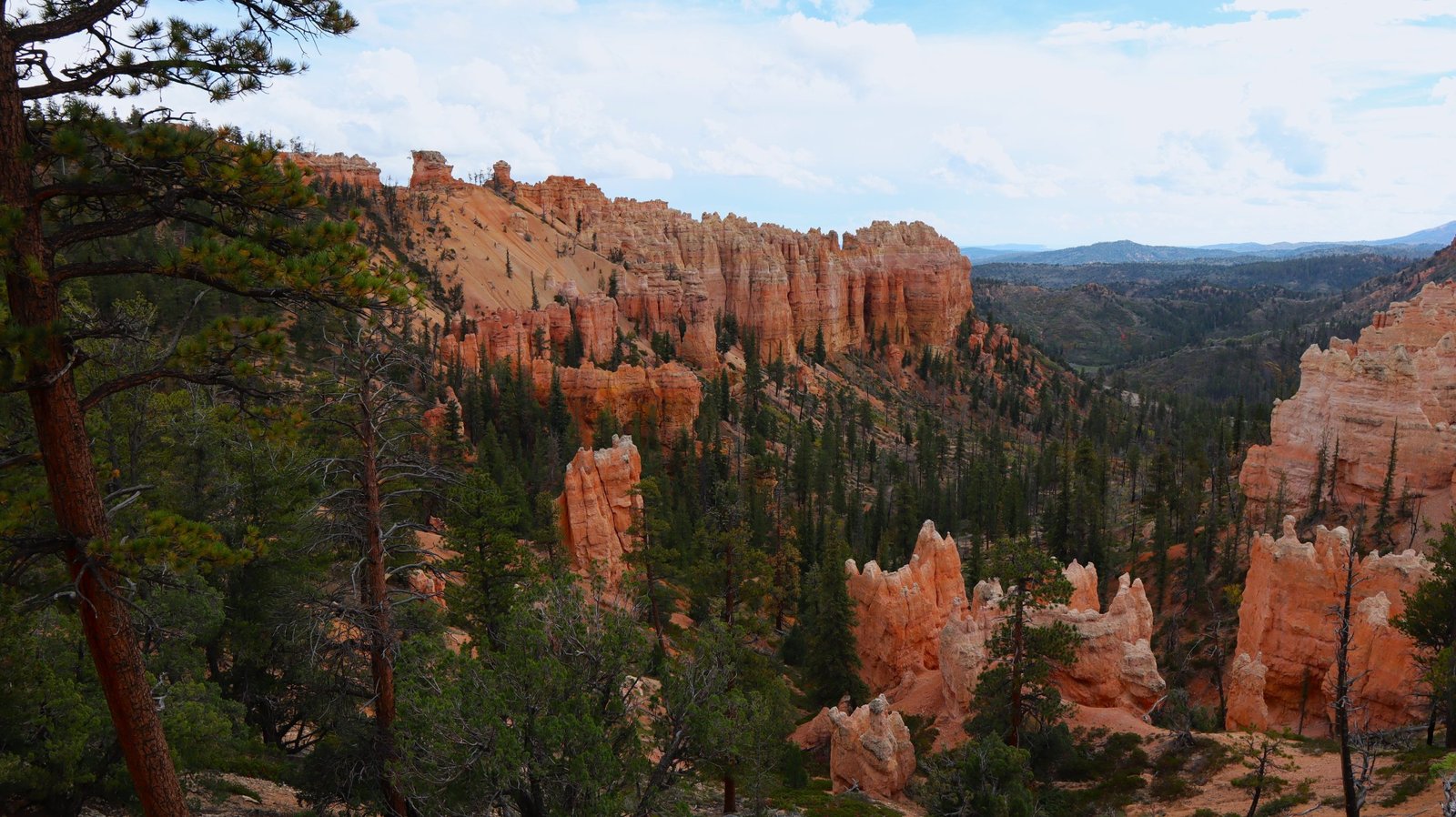
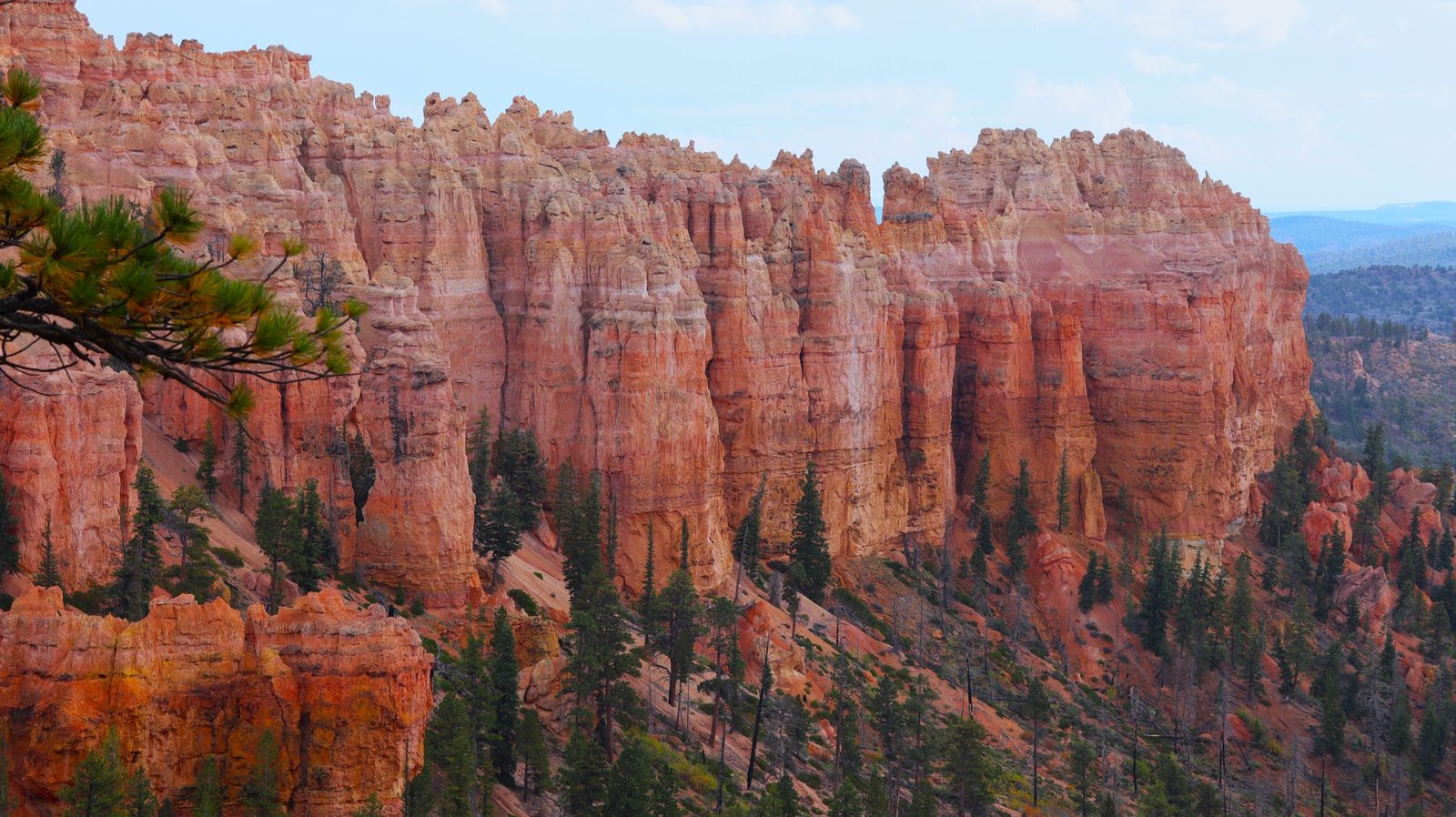
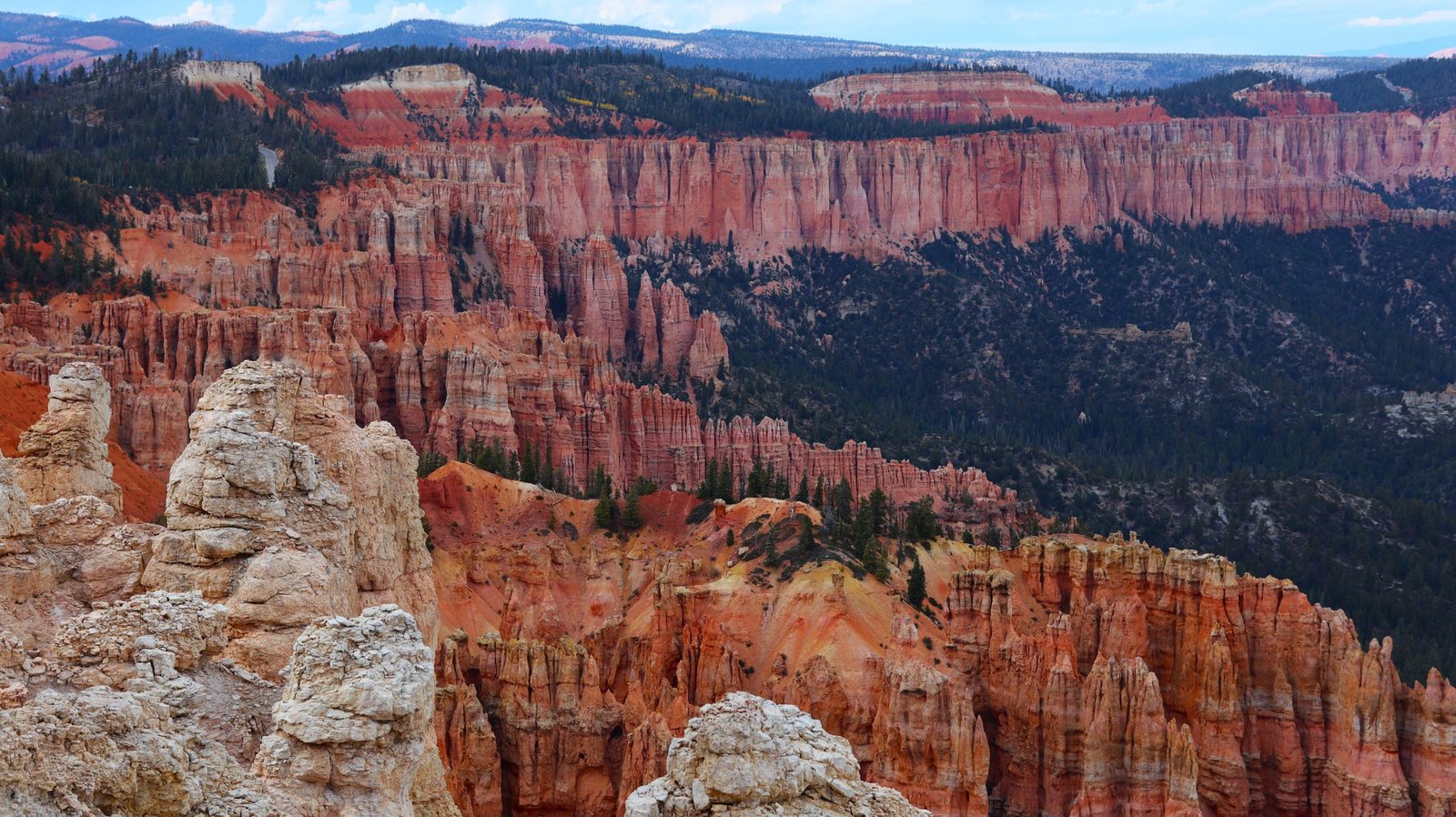
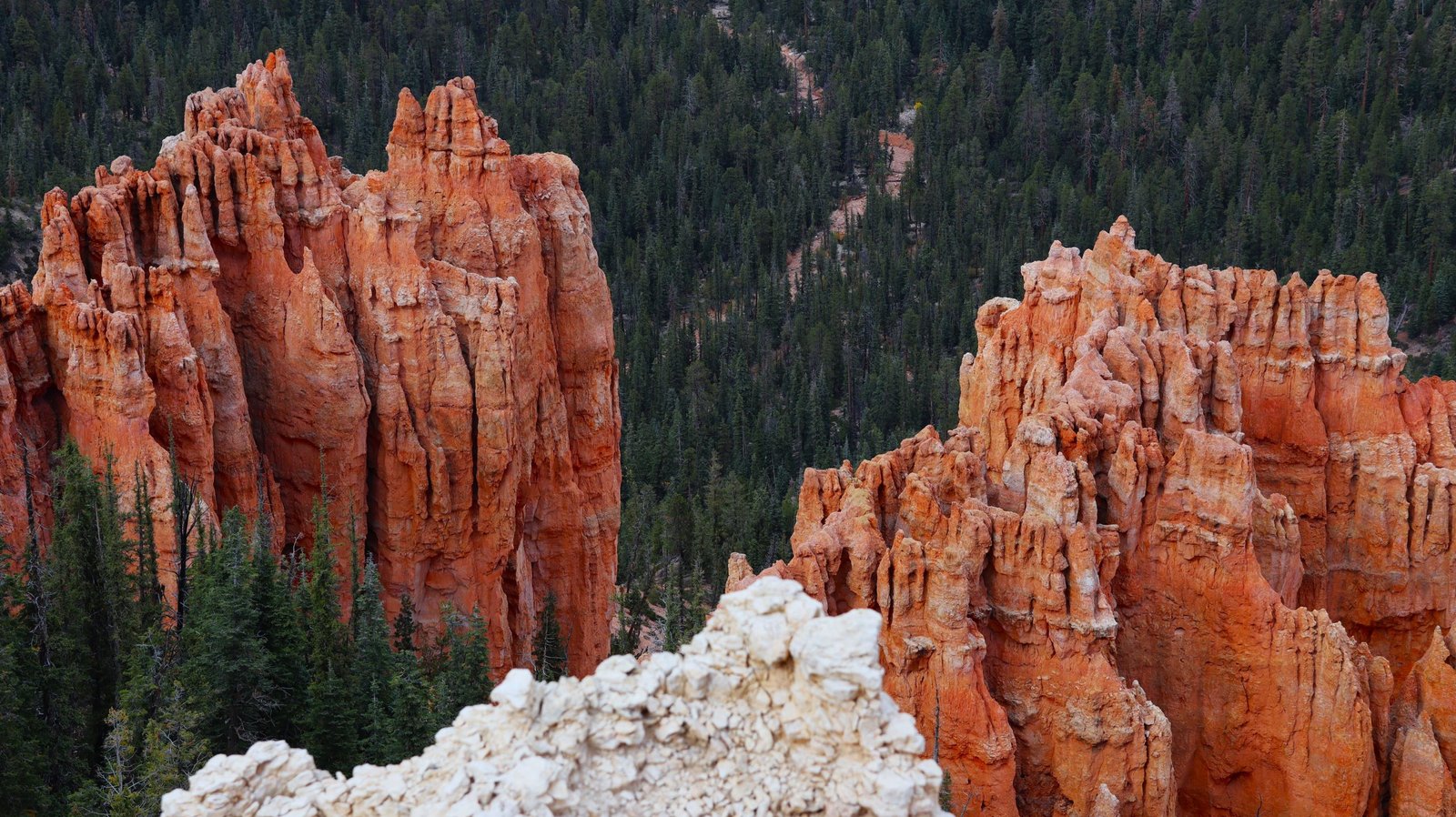
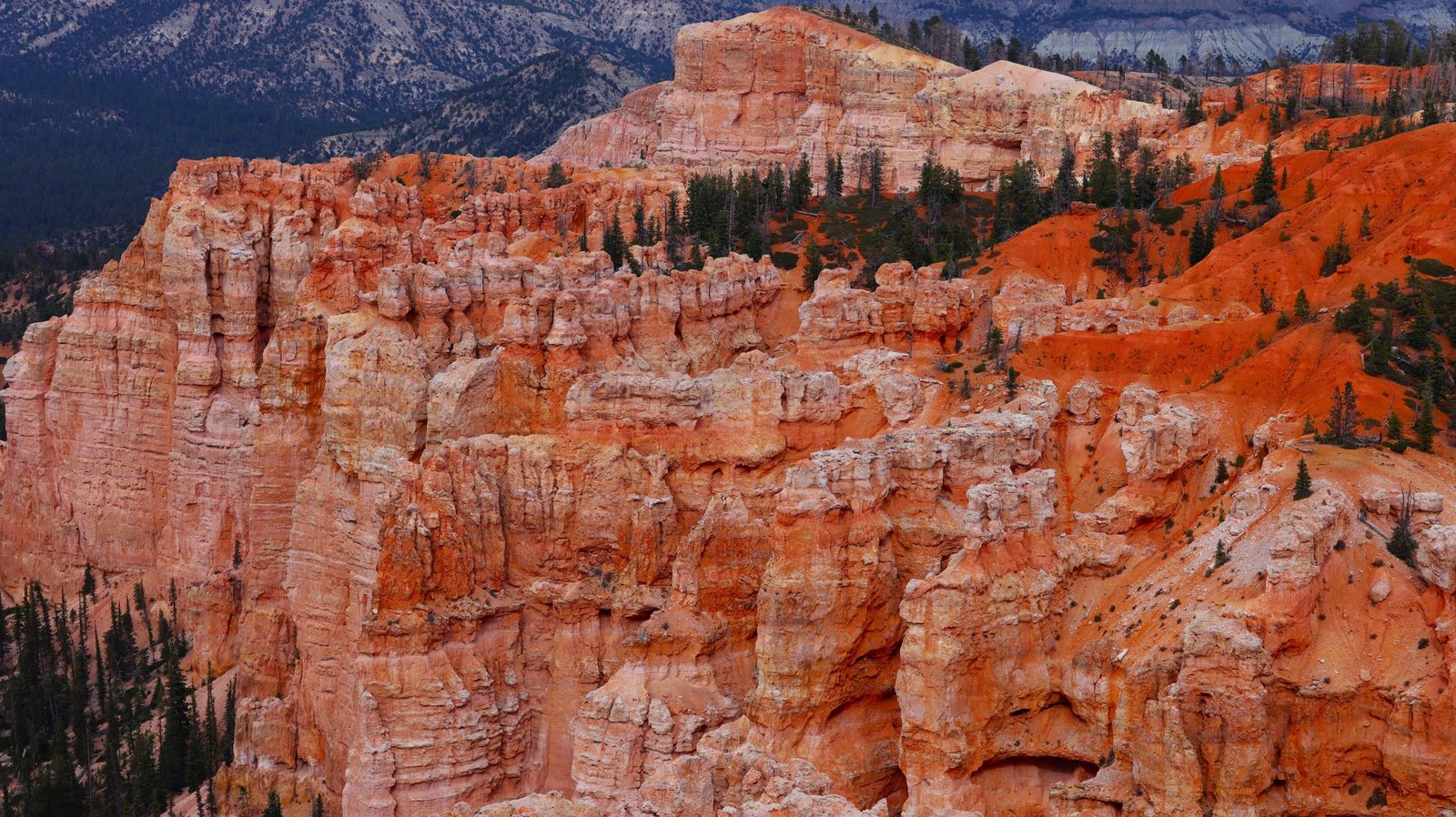
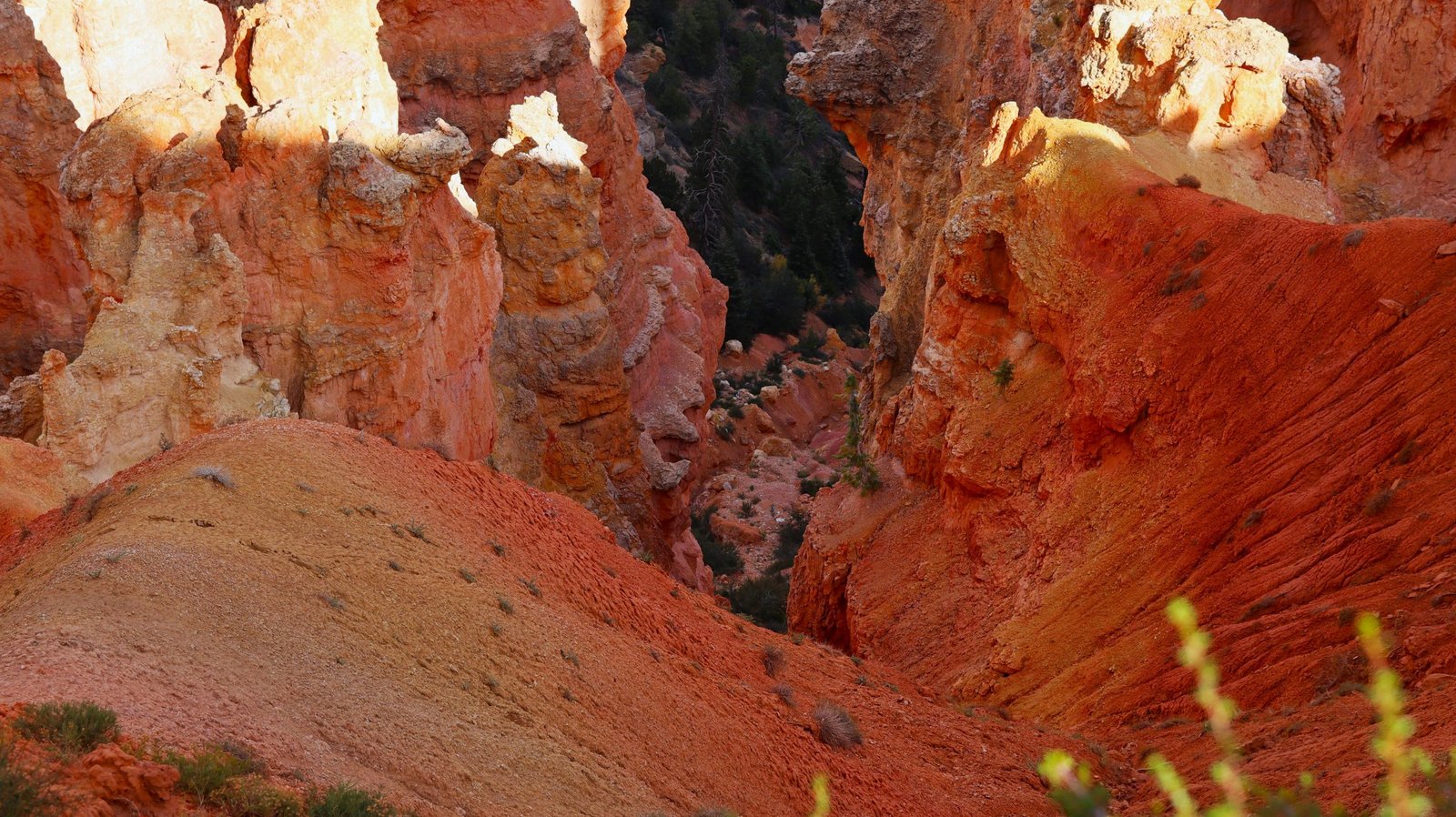
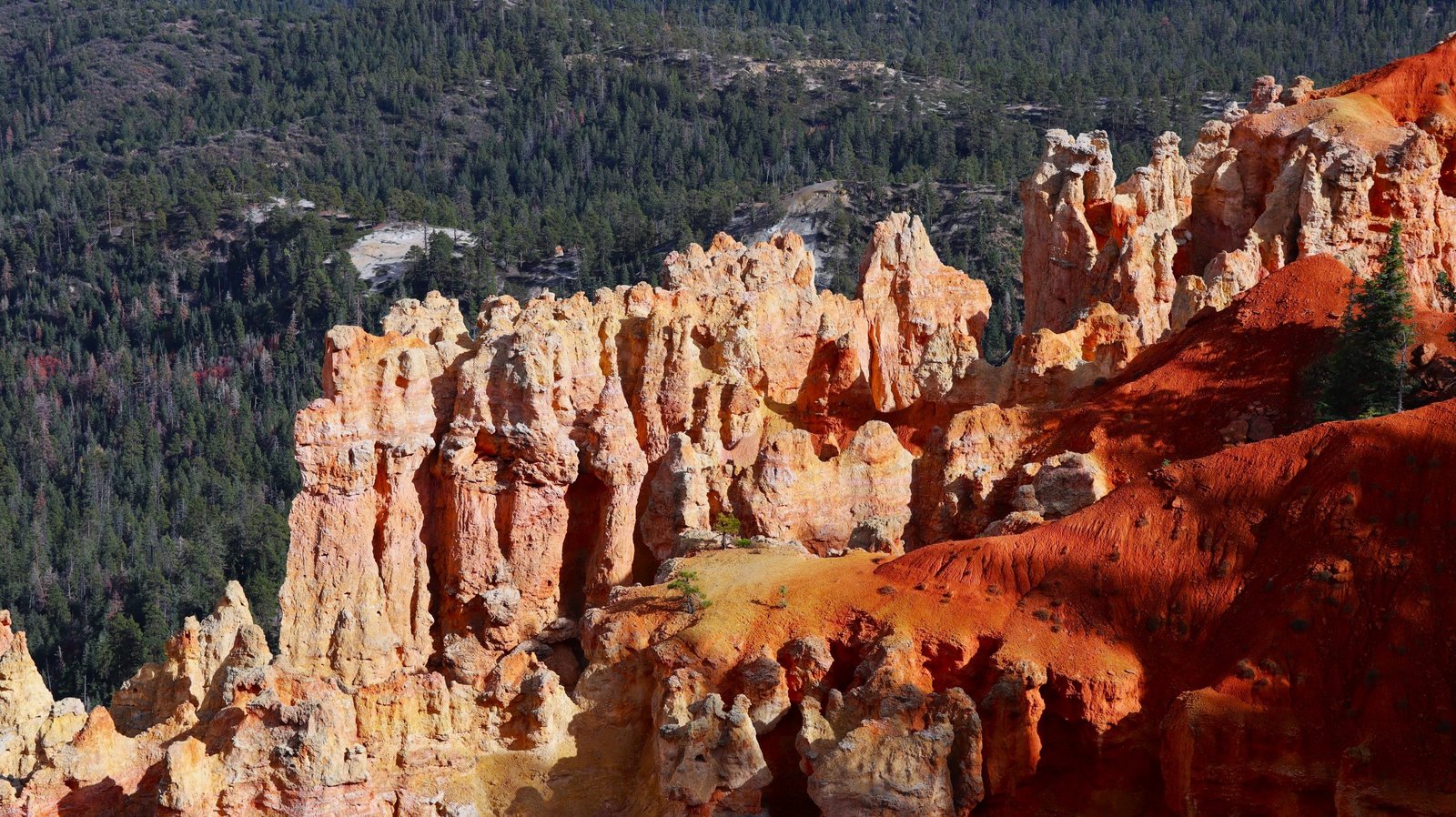
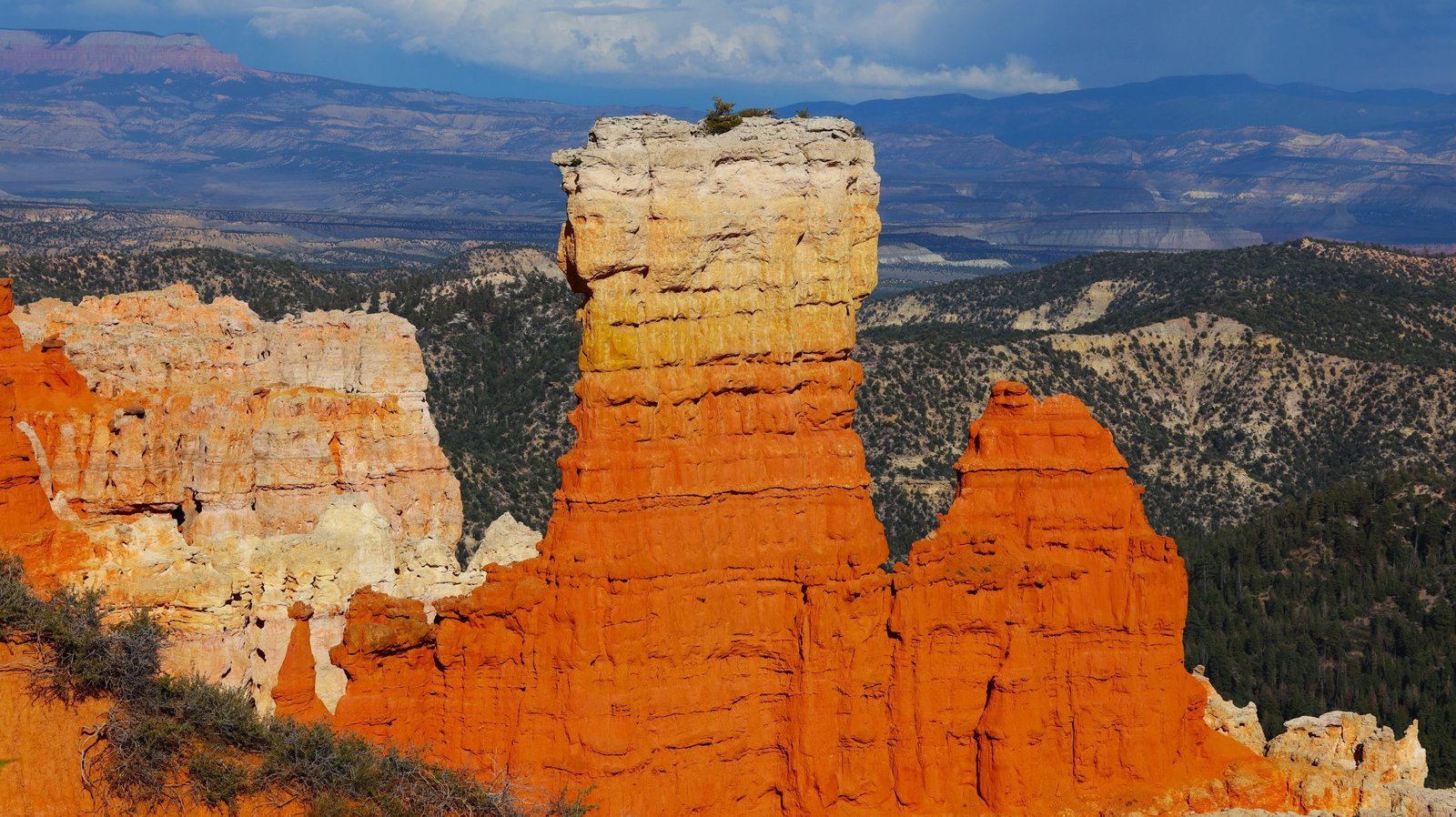
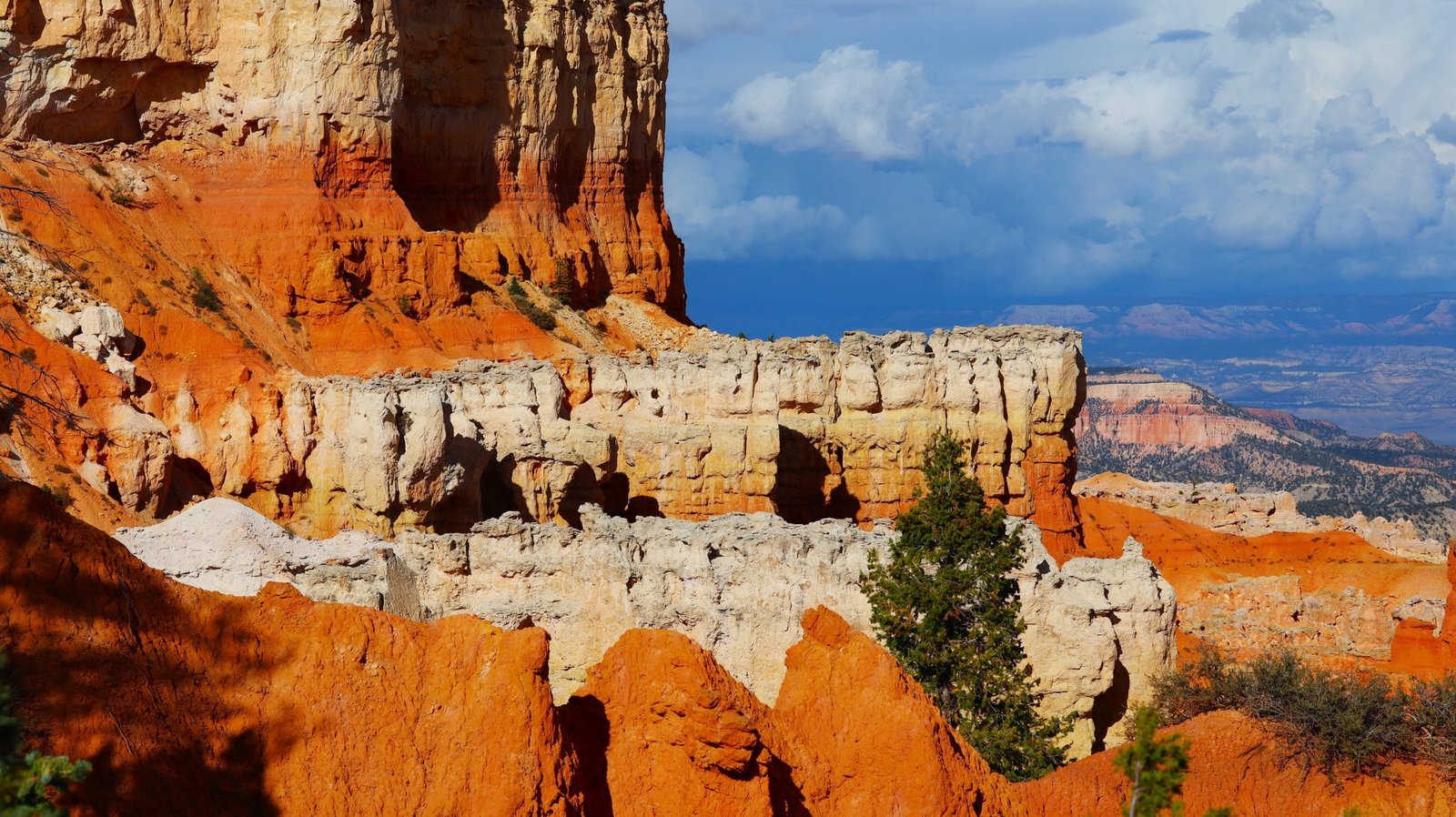
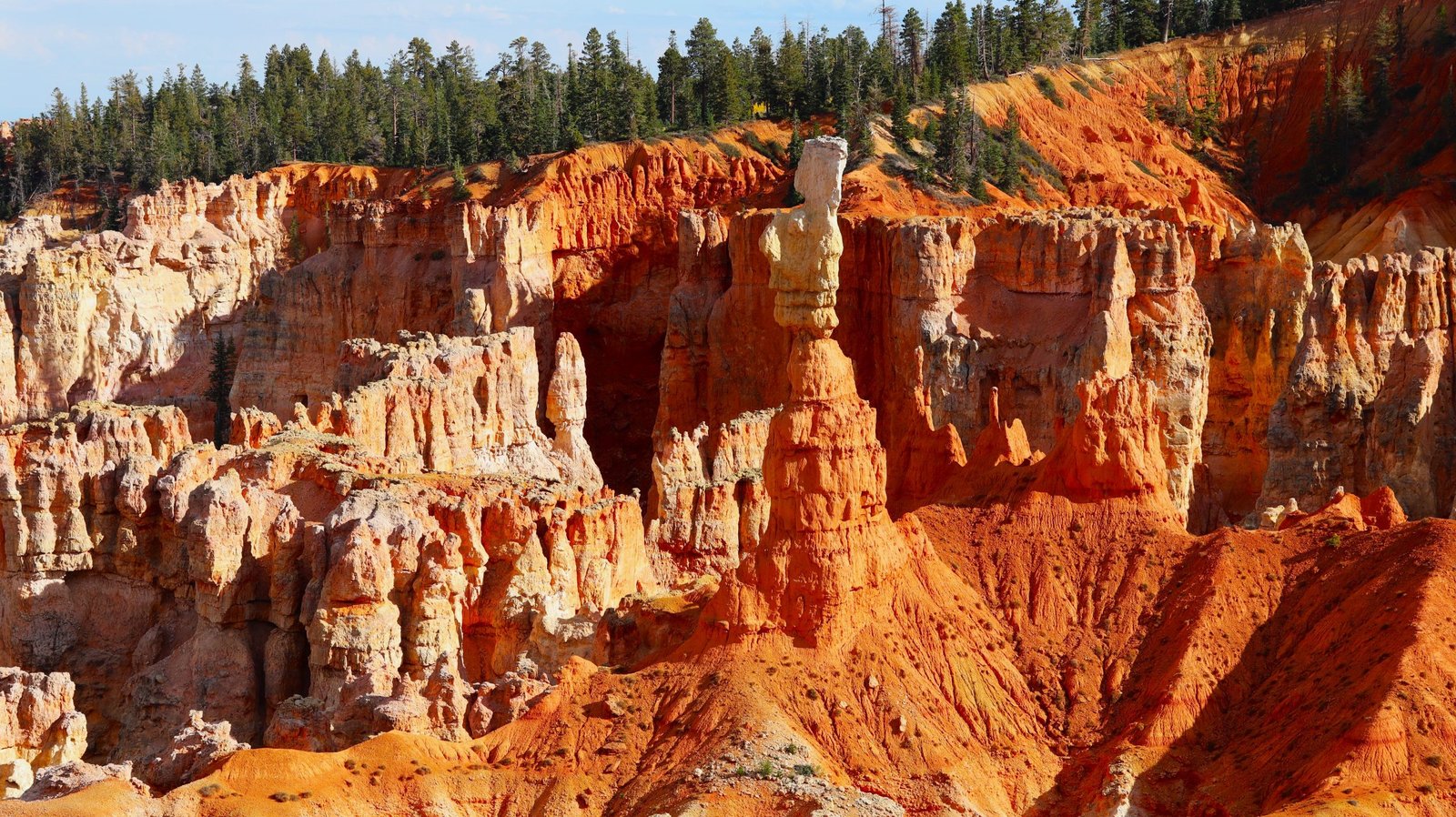
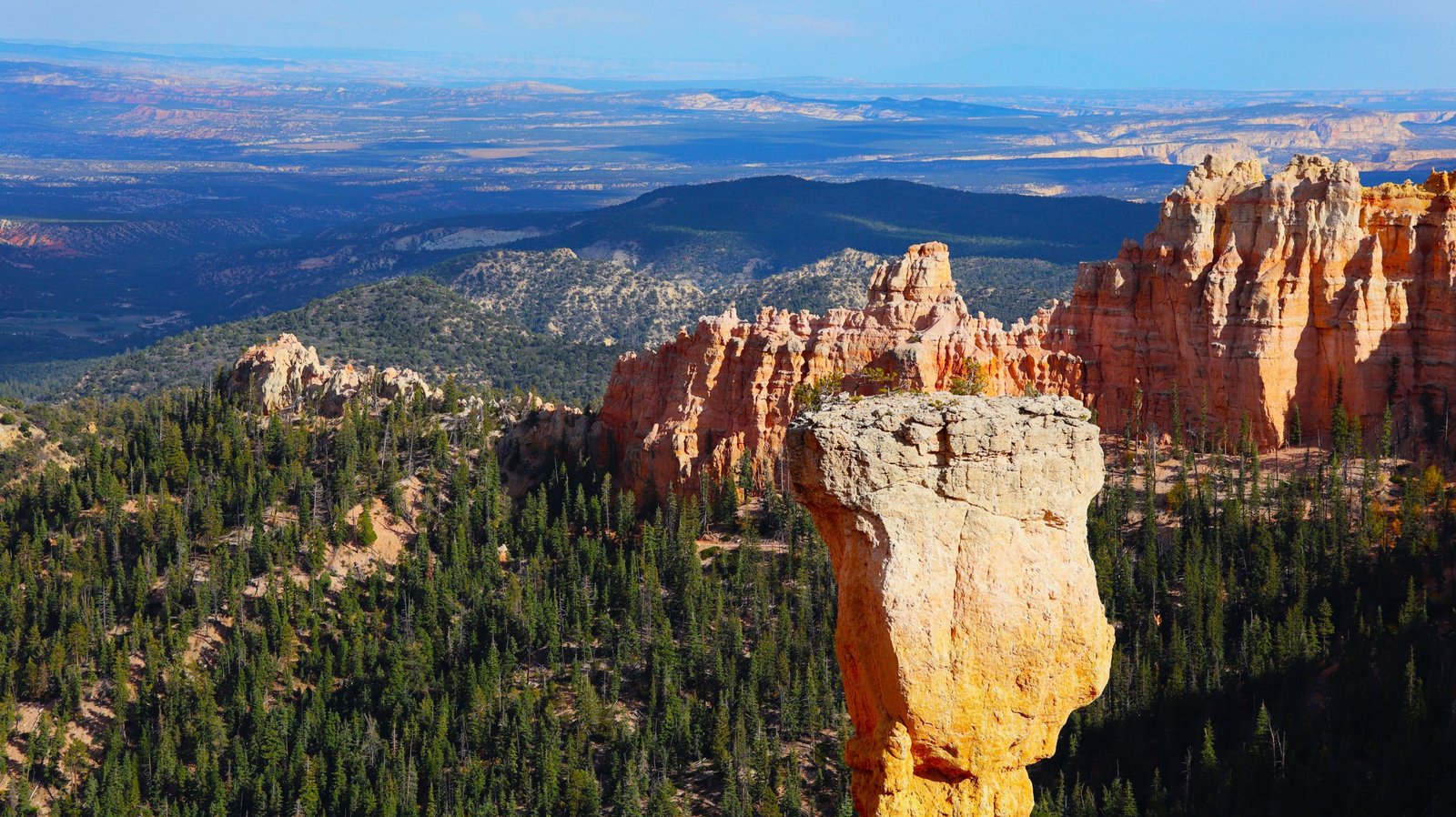
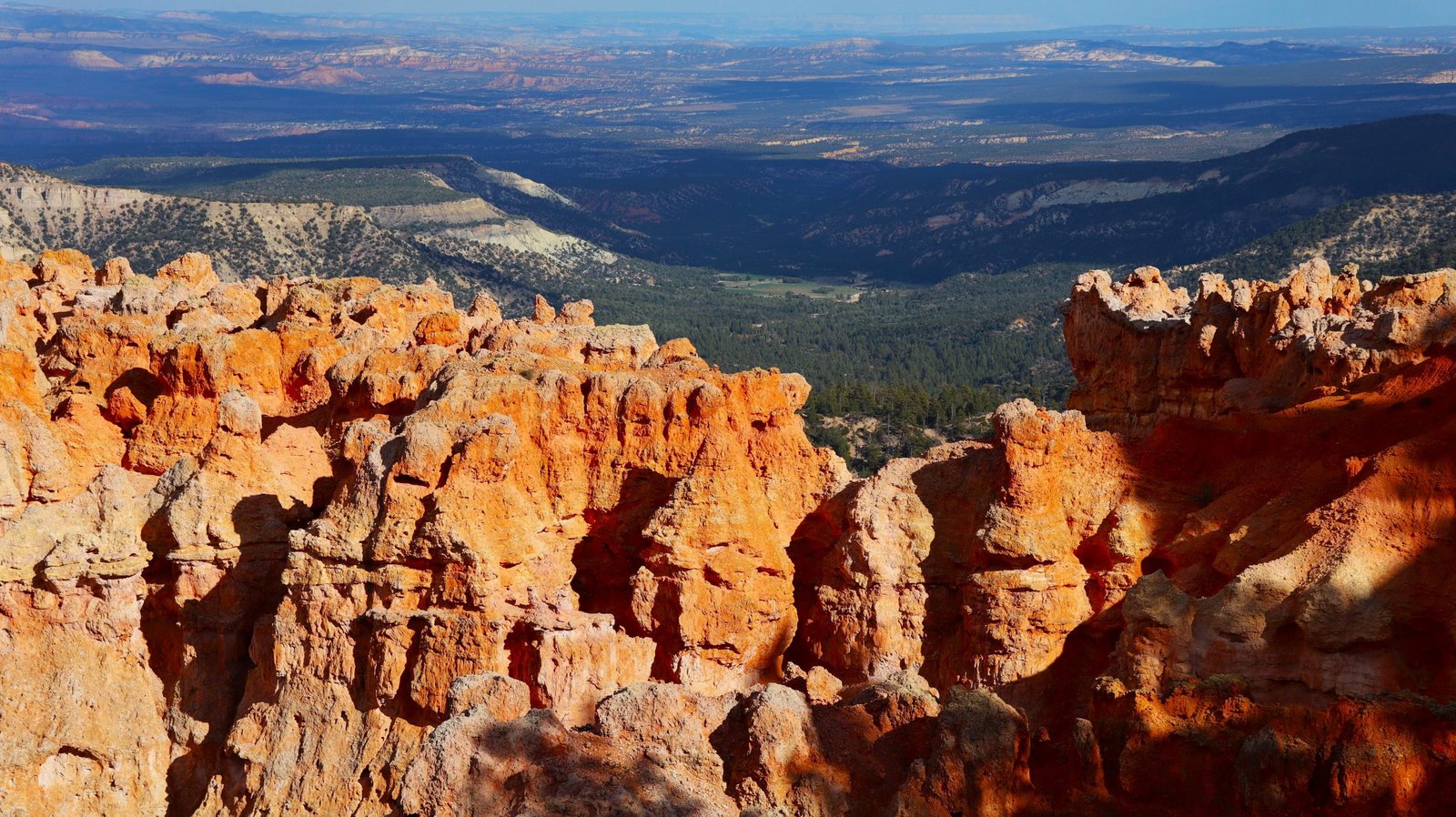
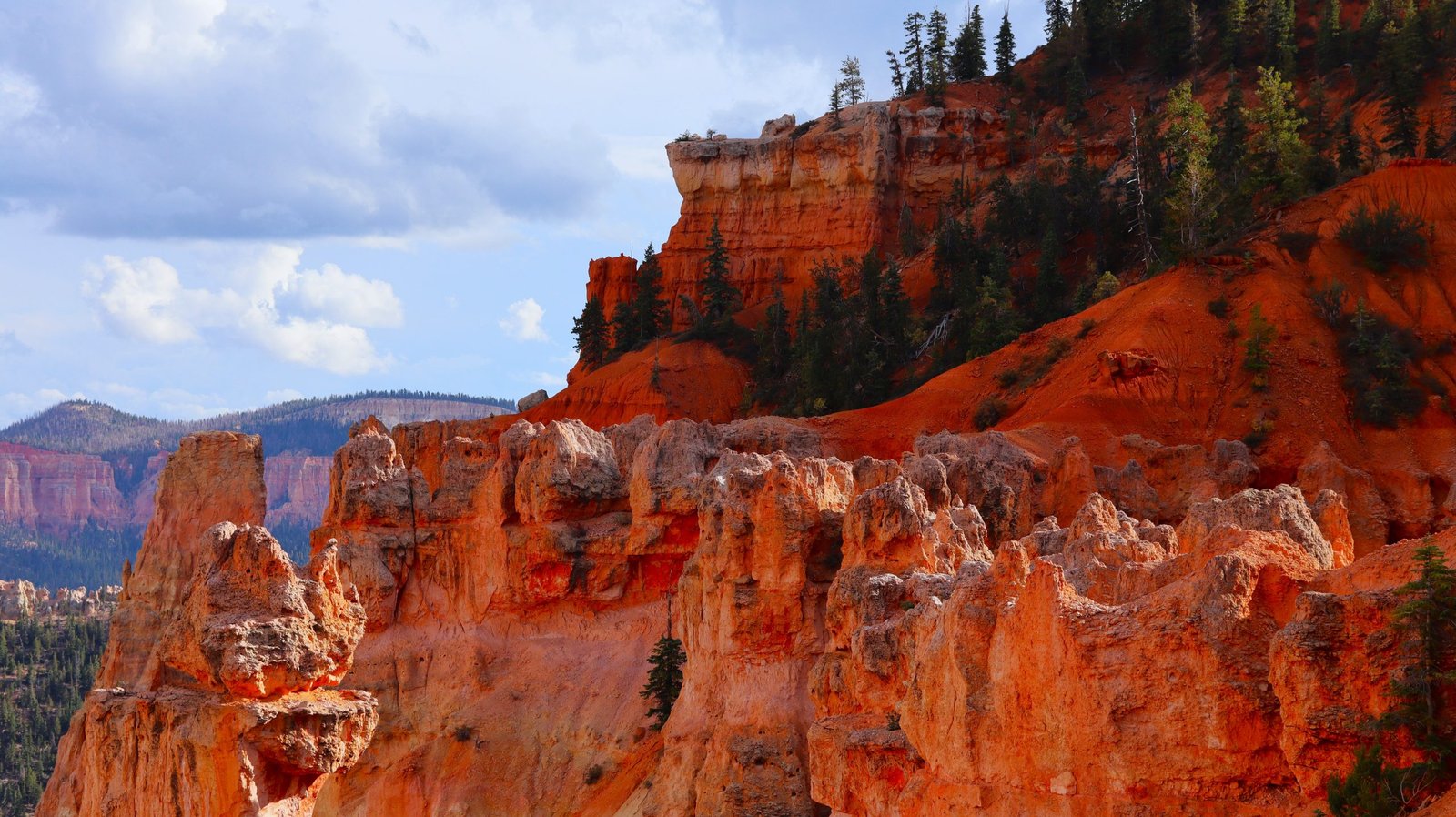
Looking for more epic scenery? Over the border to Utah is Bryce Canyon, with its altitude and vibrant and earthy red tones being defining characteristics. This area is vast, covering 145km² and known for its stargazing appeal. Astronomy nerd alert: being a “Bortle Class 2” night sky, it’s not quite the dark-sky area that Jasper, AB Canada is known for, but it’s not far off.
Because of its stunning beauty, it’s one of the most photographed areas in the US.
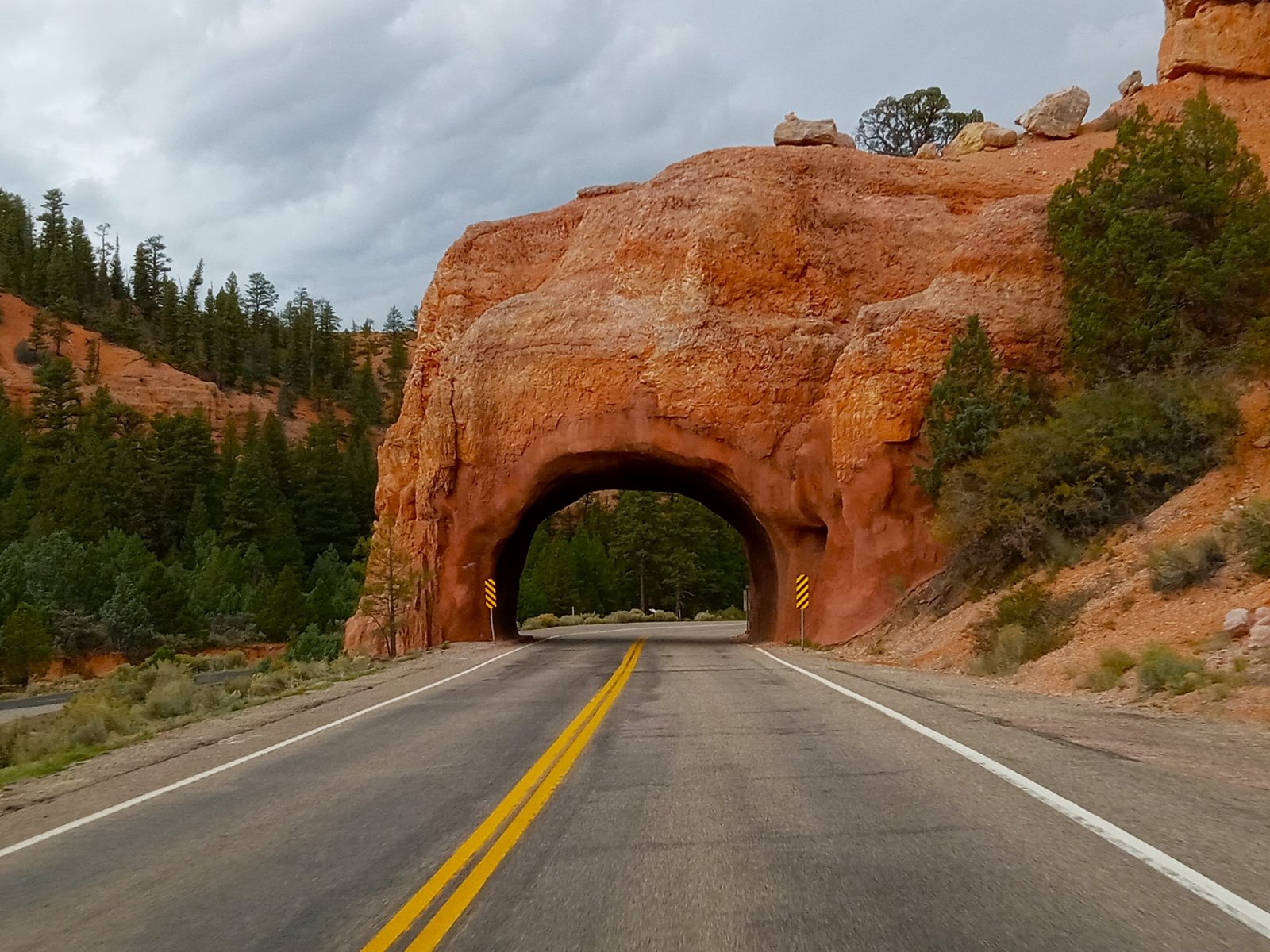
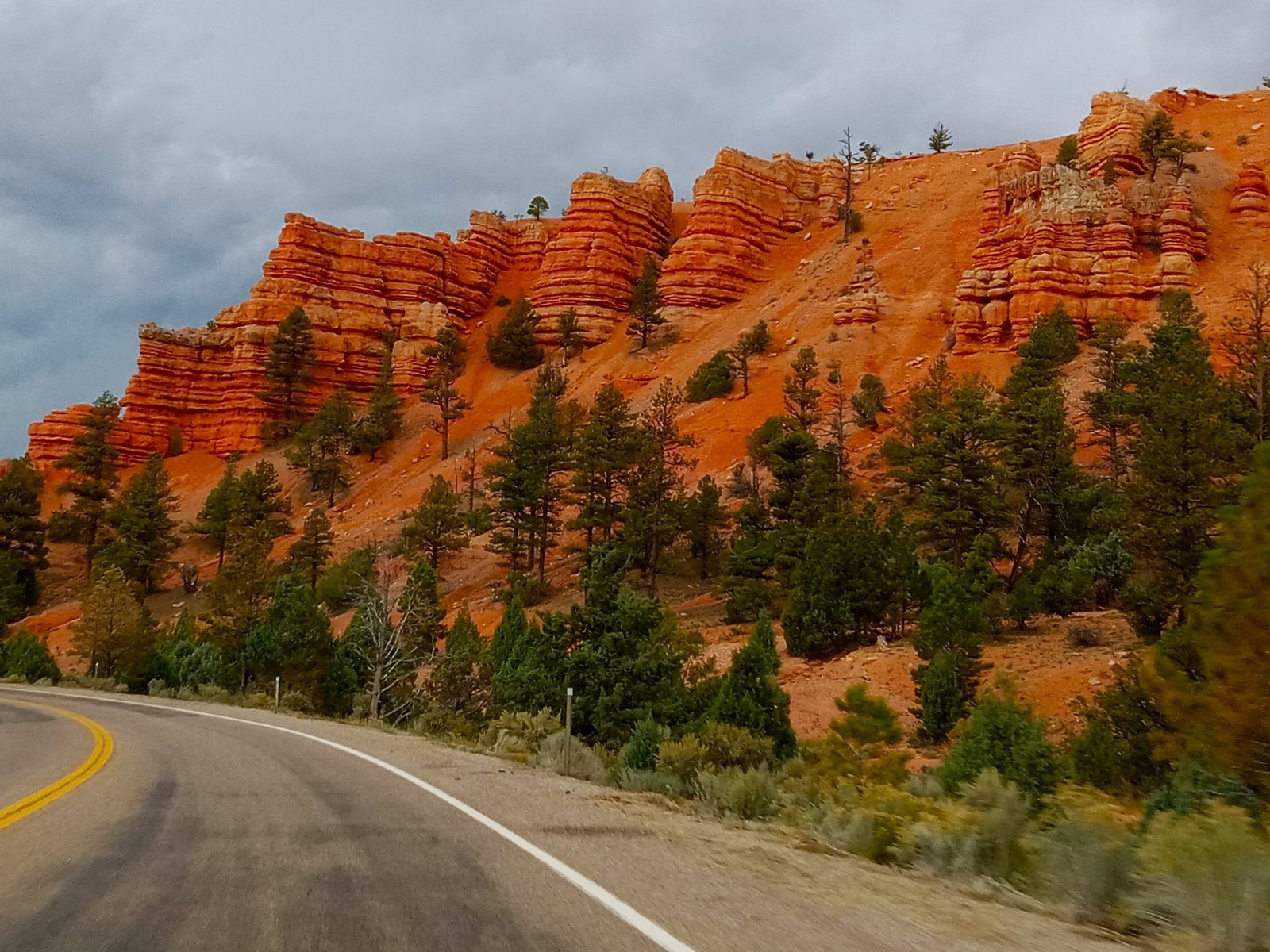
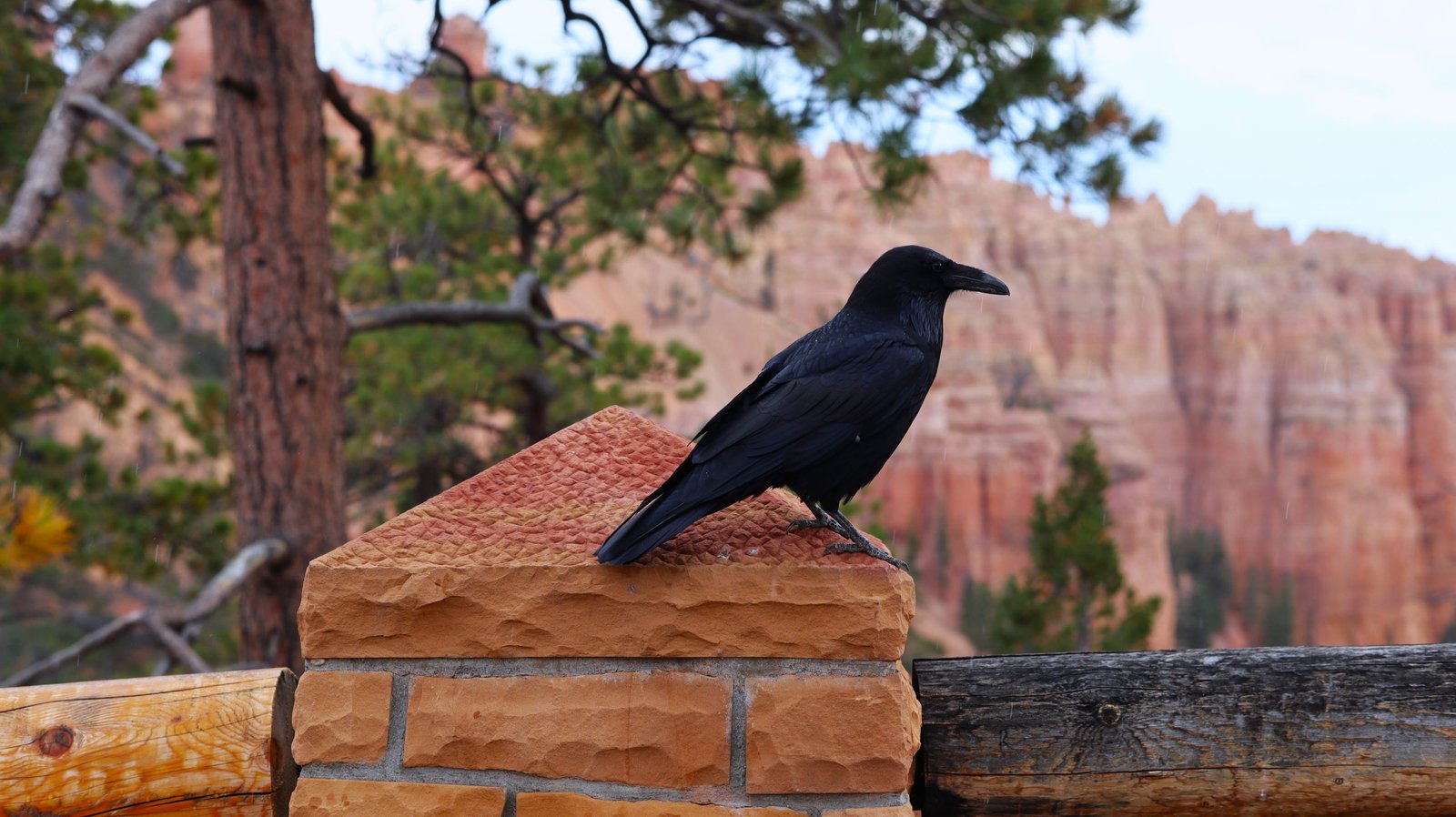
I visited several areas along the tourist route, including Rainbow Point, Black Birch Canyon, Ponderosa Point, Agua Canyon and Natural Bridge. It’s rather difficult to choose a favourite part, but I’m just sorry I didn’t have more time to explore further. I’d hoped for a clear day to take these shots, but the clouds covered a lot of the park. On the bright side, they also made a great tonal backdrop against the landscape when the sun was out.
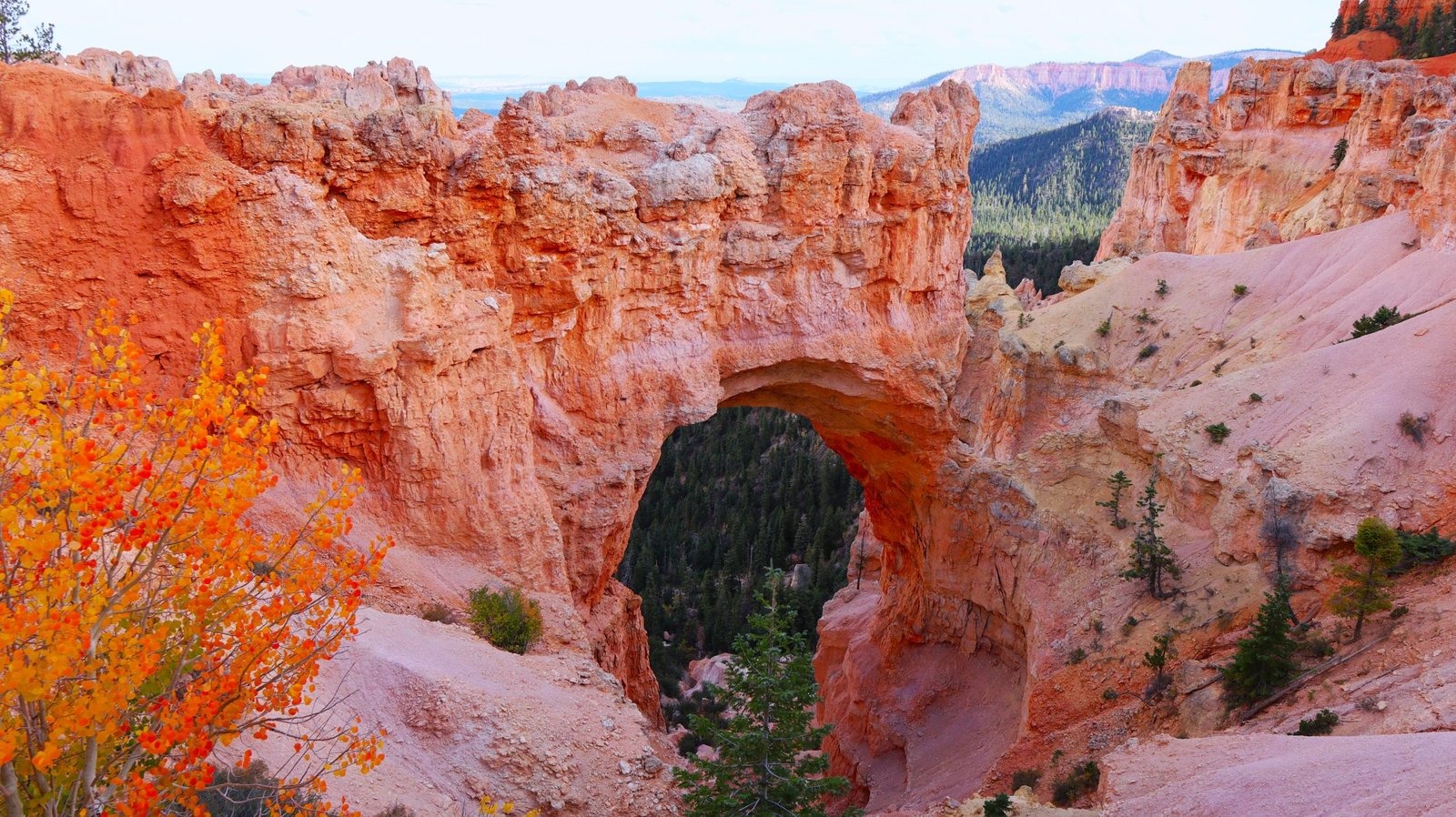
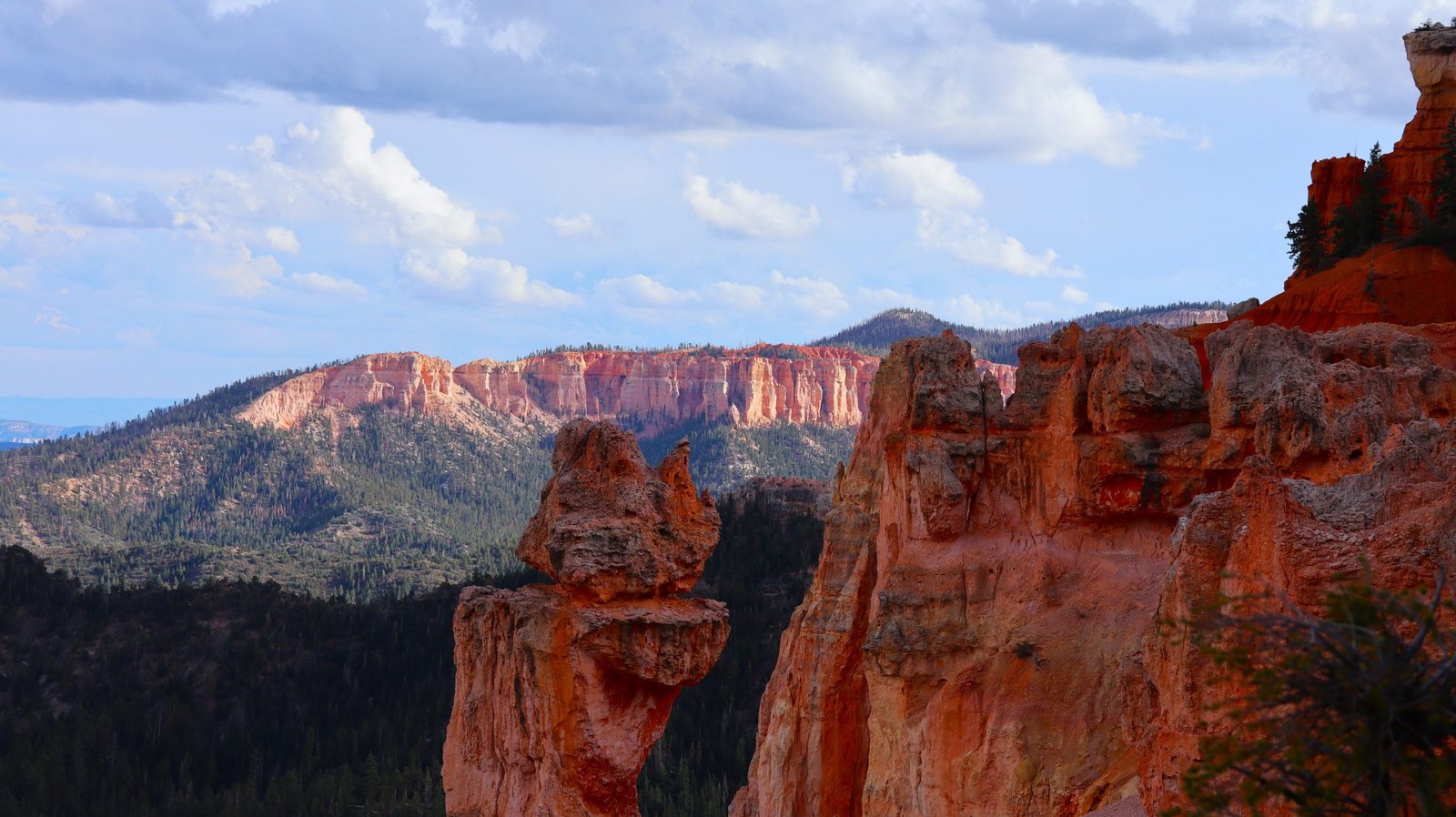
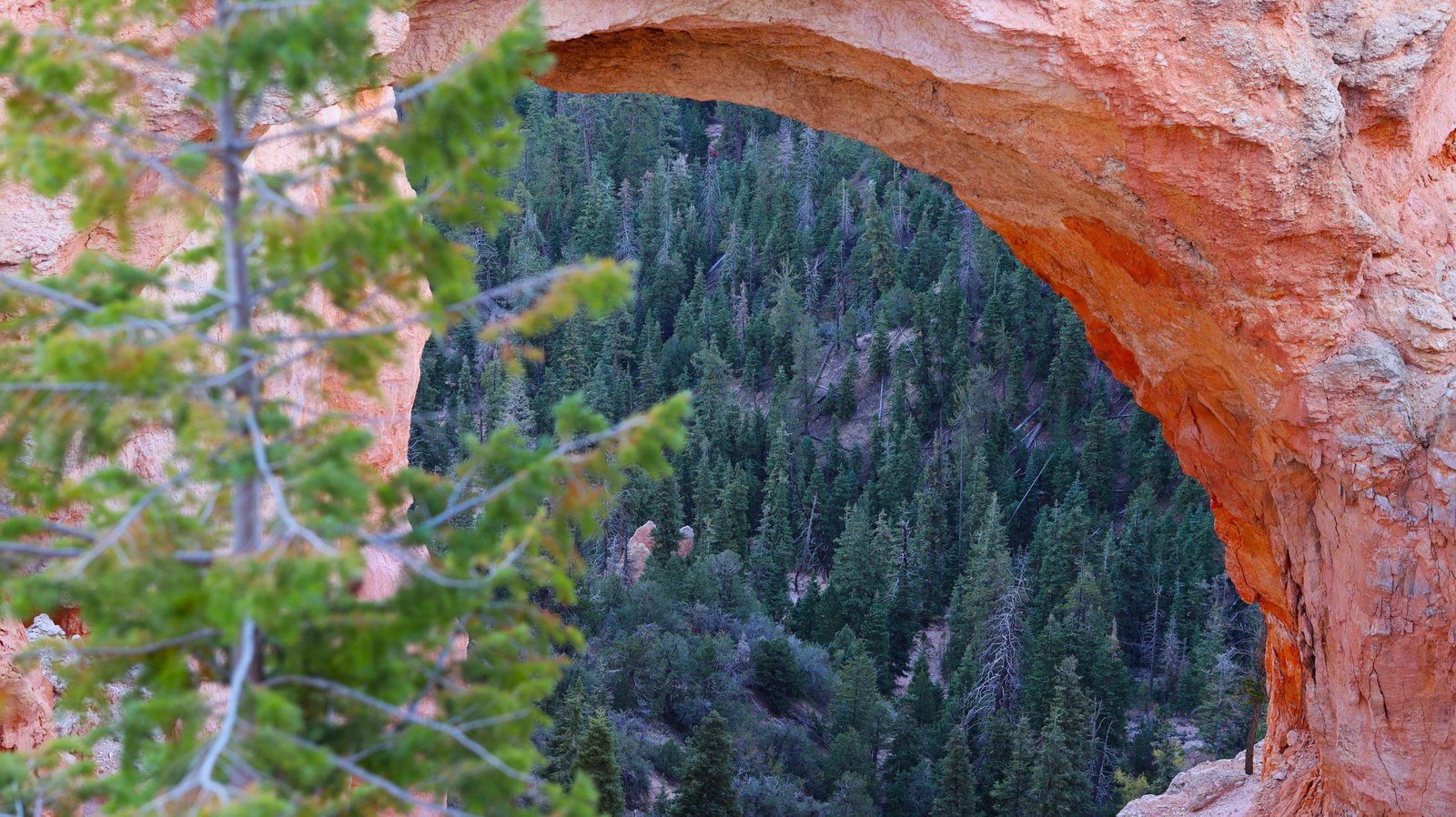
Banff AB, Canada
While I’d visited the USA (and many states within) several times, this was my first foray into Canada. I don’t really do “cold weather”, but this was an exception.
After crossing over the border from USA, through a very desolate and flat Montana to the Sweetgrass crossing and into Canada, it wasn’t long before the scenery changed – drastically.
One of the first ports of call was the Banff Gondola and up onto a rather cold and windy Sulphur Mountain, in the heart of Rockies country.
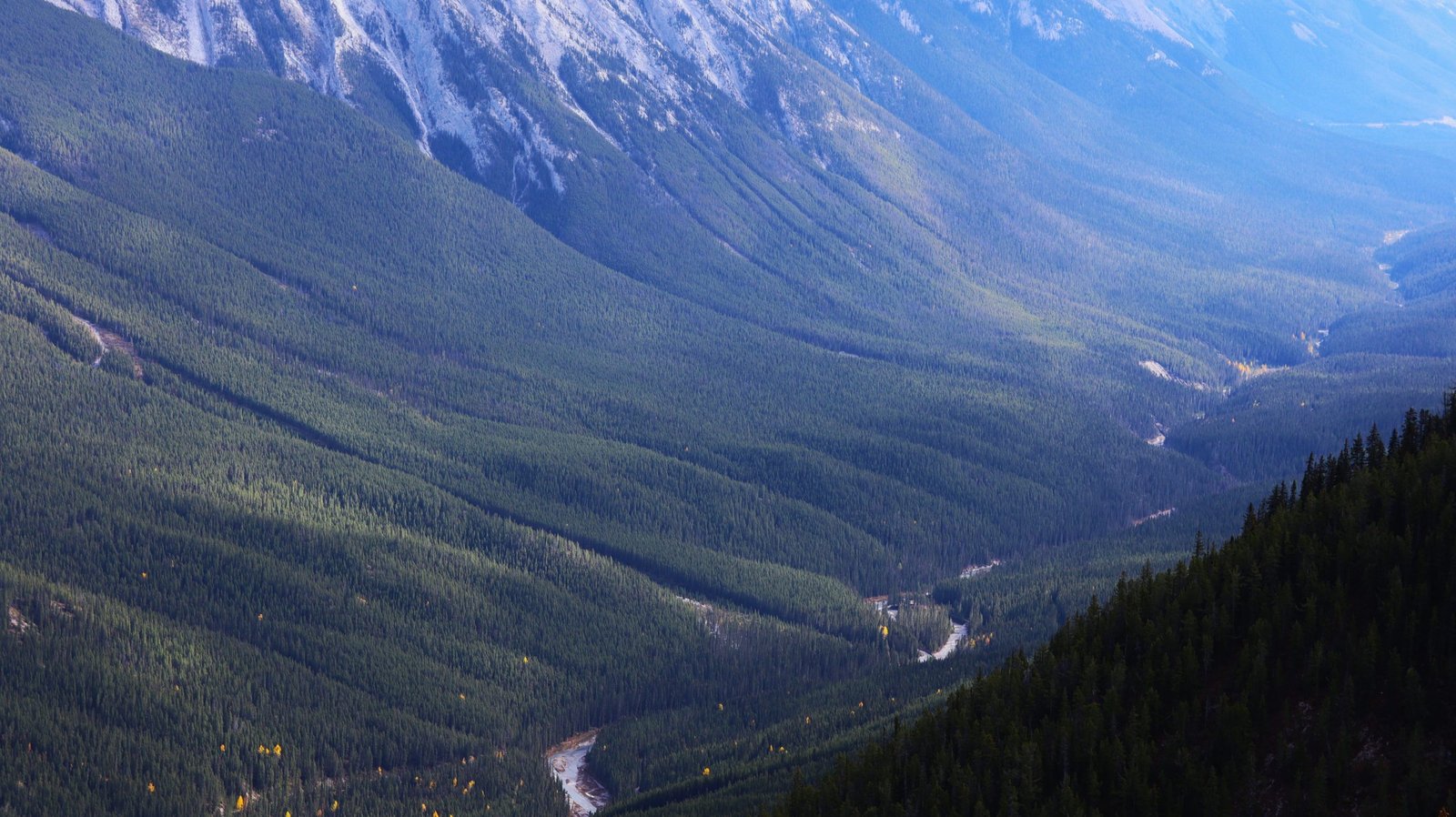
Looking down from the observation deck, there’s plenty to see including Banff township, the Fairmont Hotel, and dense forests of Lodgepole pine, Douglas fir and white Spruce trees.
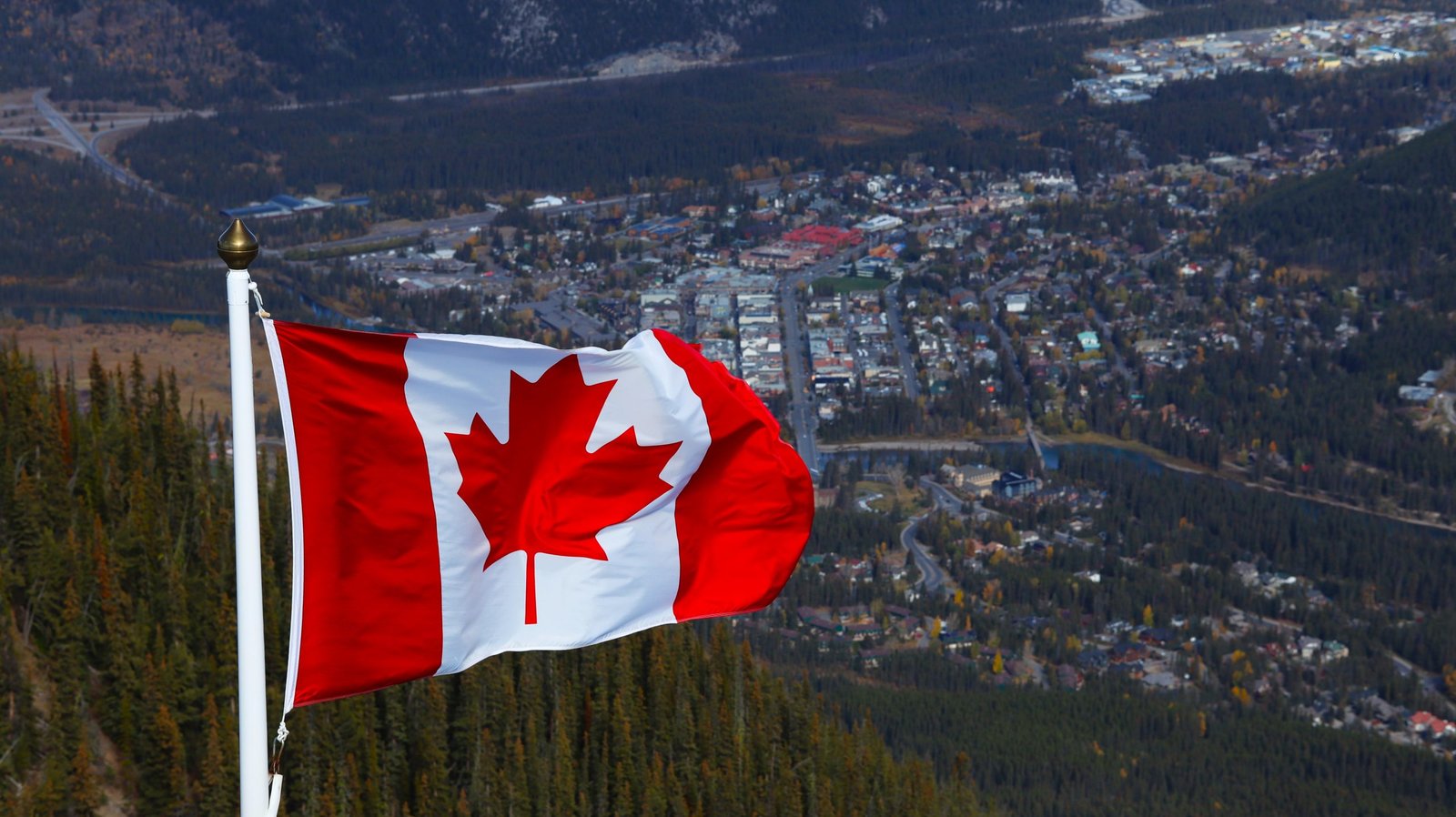
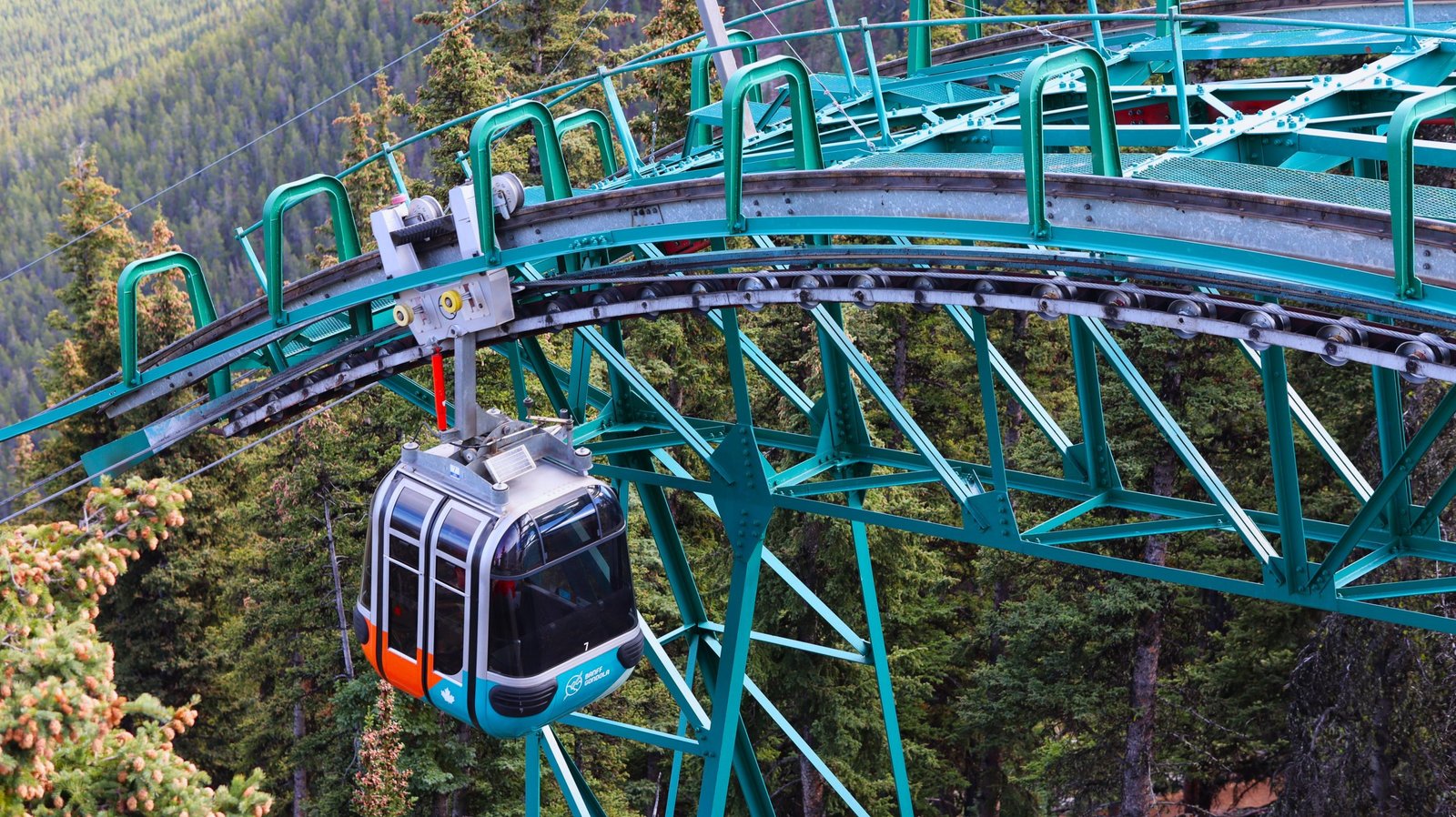
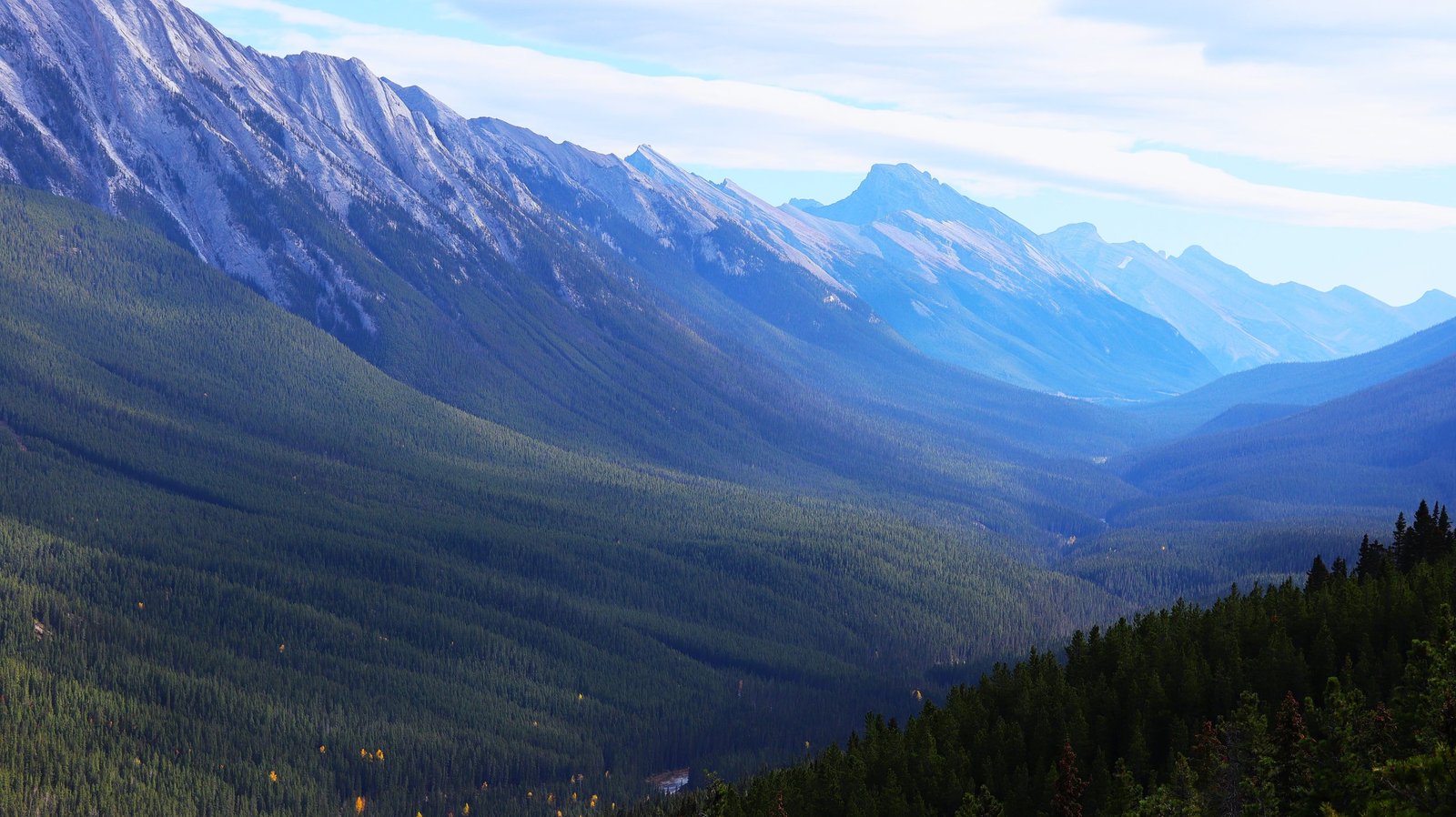
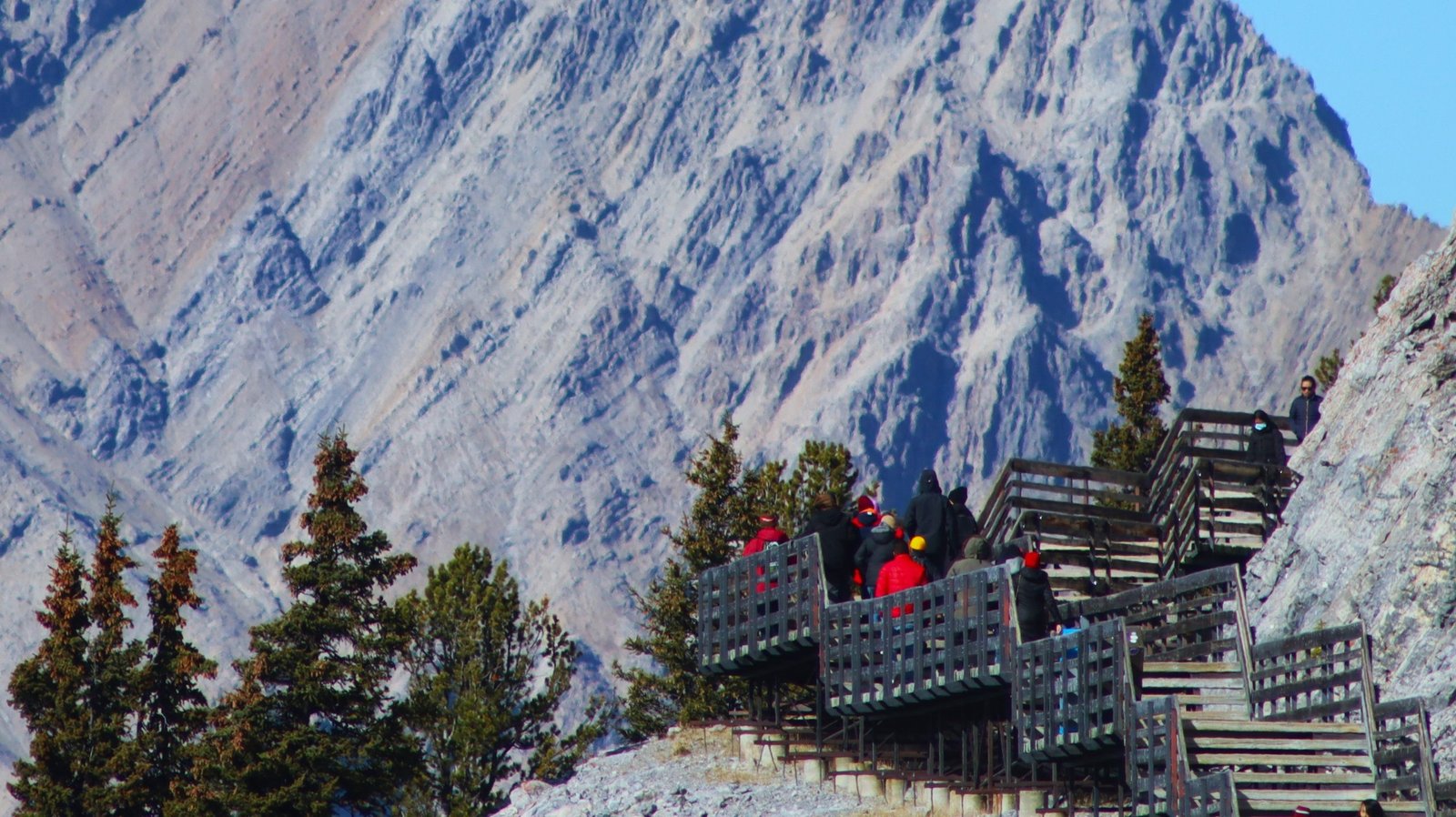
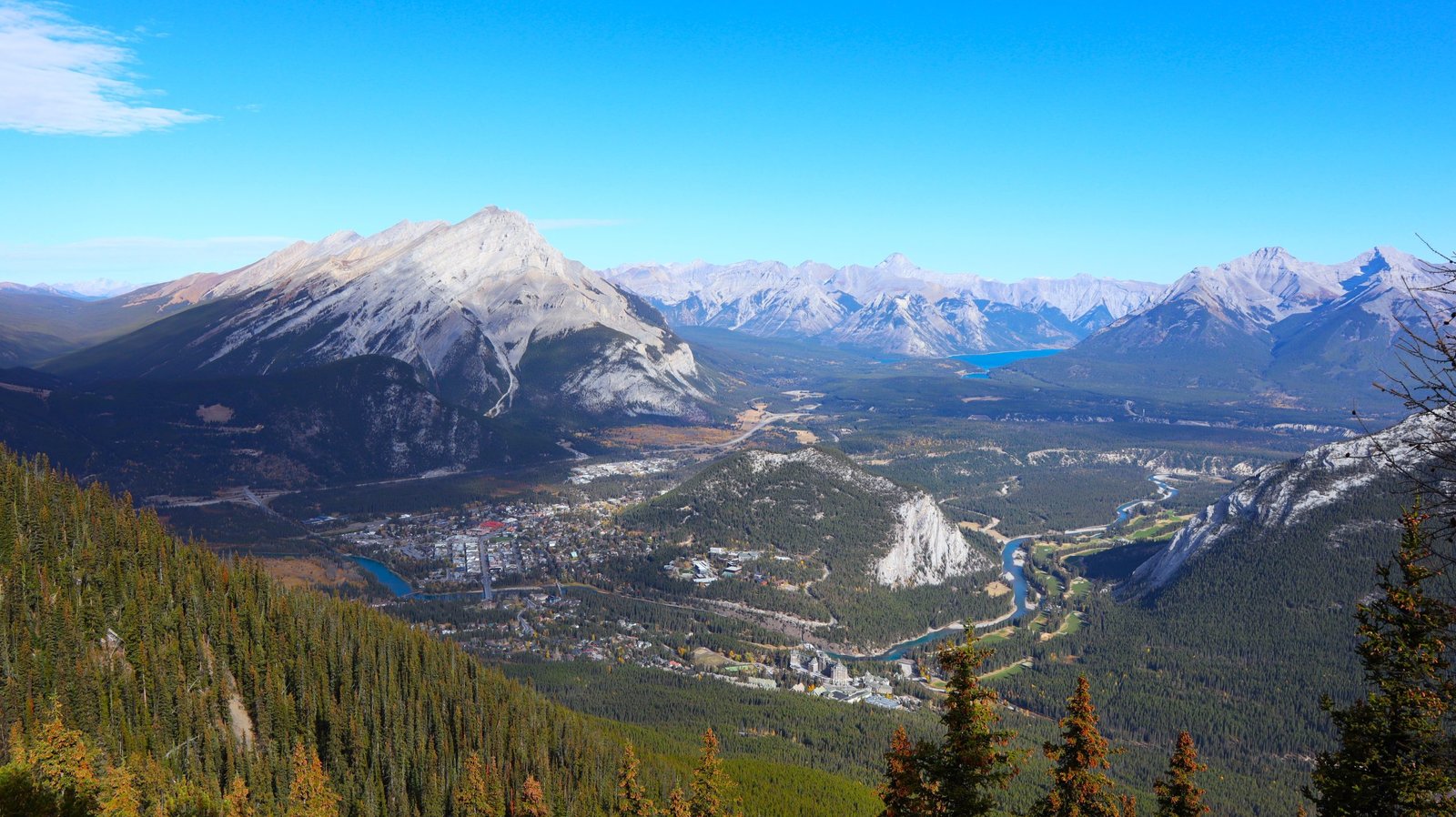
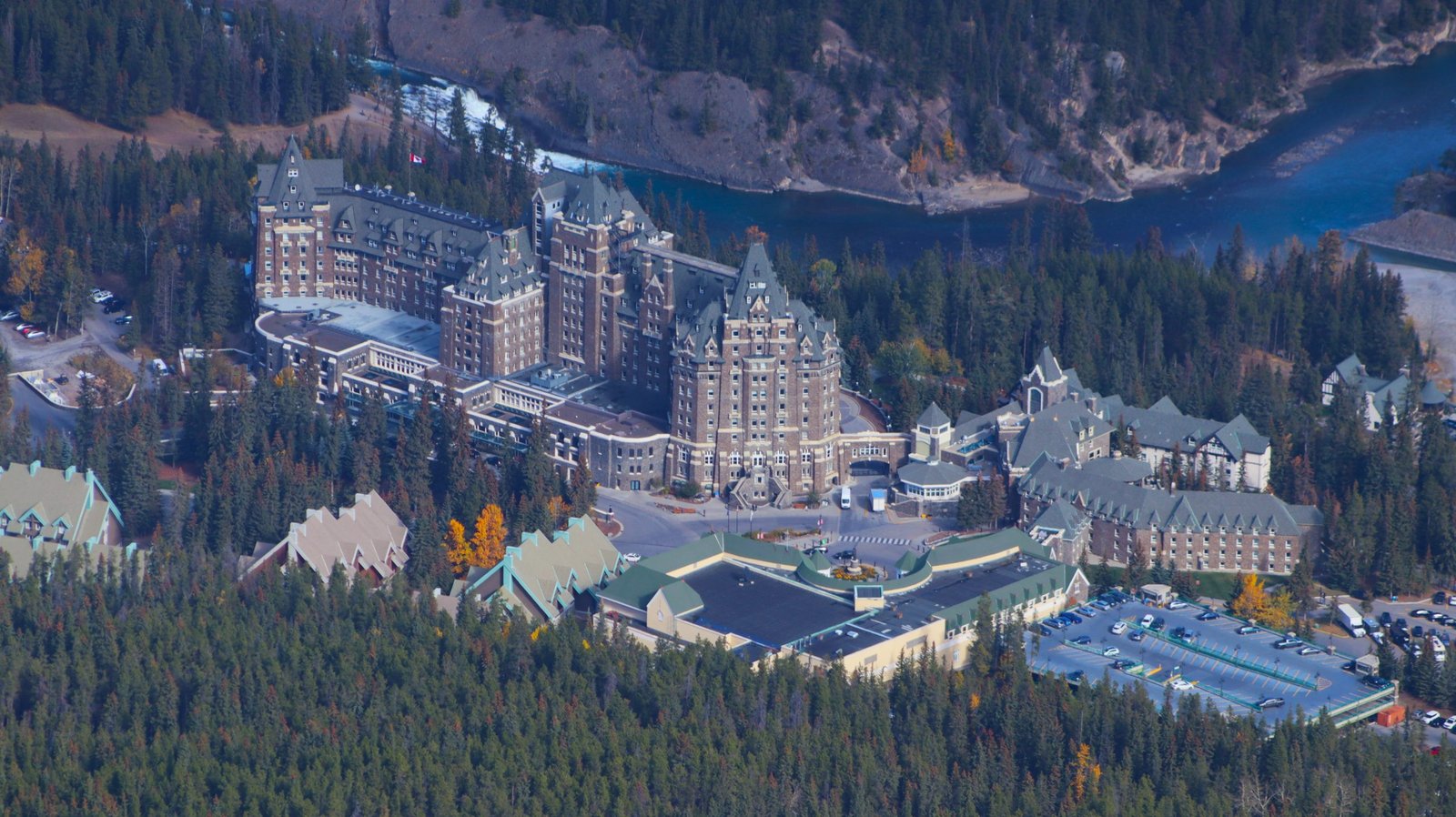
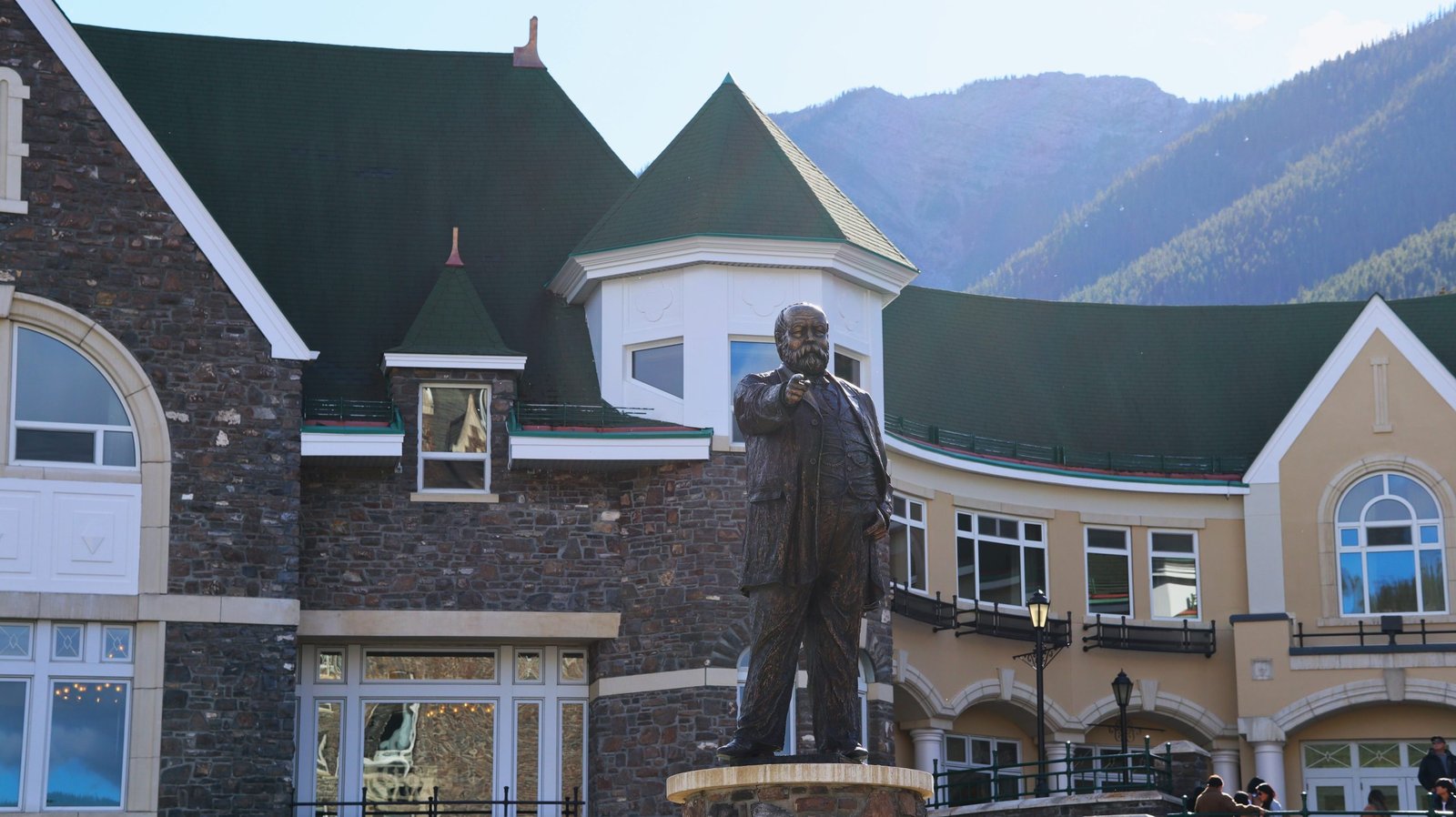
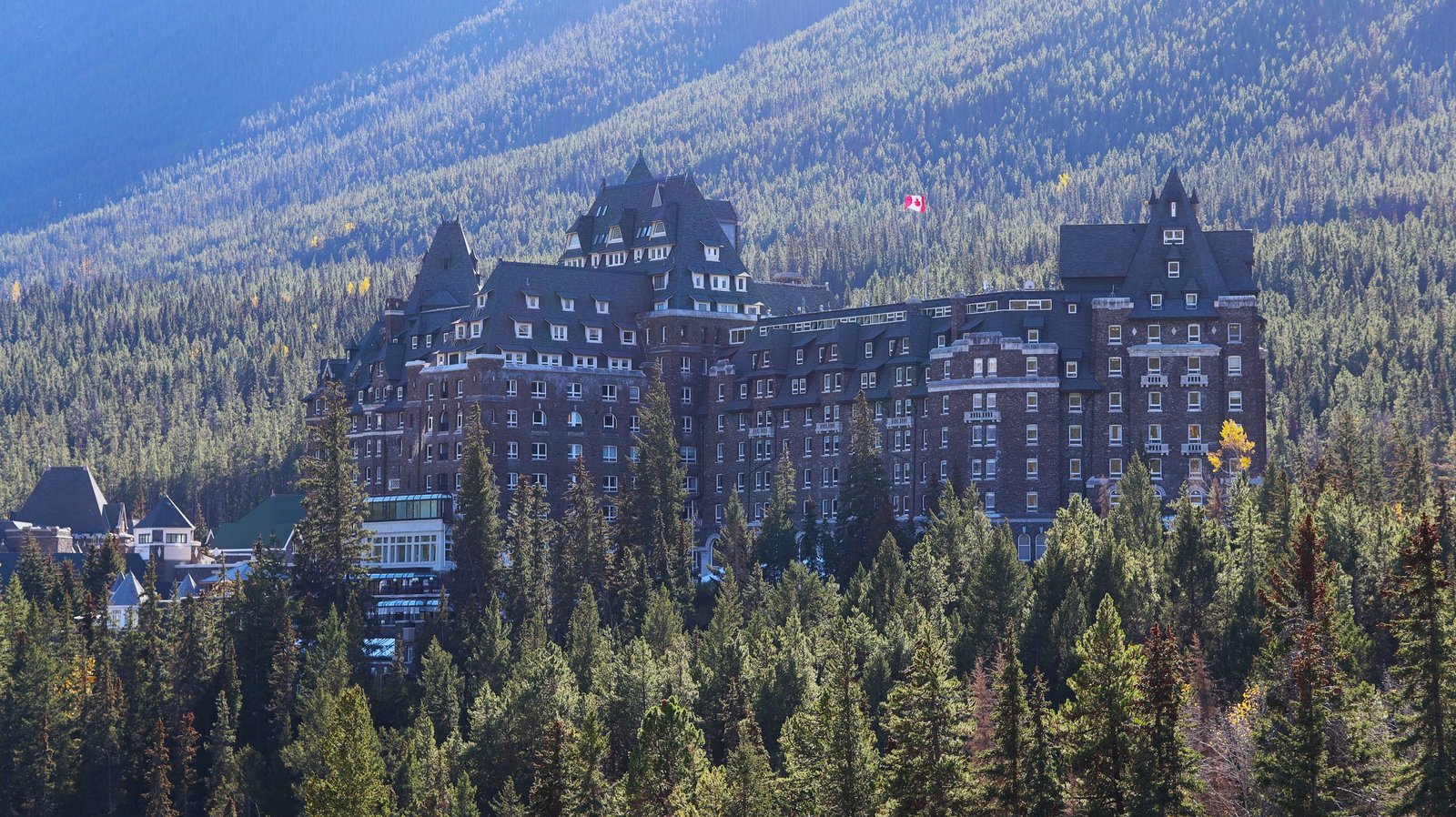
At ground level, Banff is just as scenic and very pretty. The Fairmont Banff Springs Hotel (left) is a grand centrepiece in the town, not to mention being one of the most costly places to stay at. It was inspired by Scottish Baronial architecture, the chateaus of the Loire Valley, and the romantic architectural trends of the time.
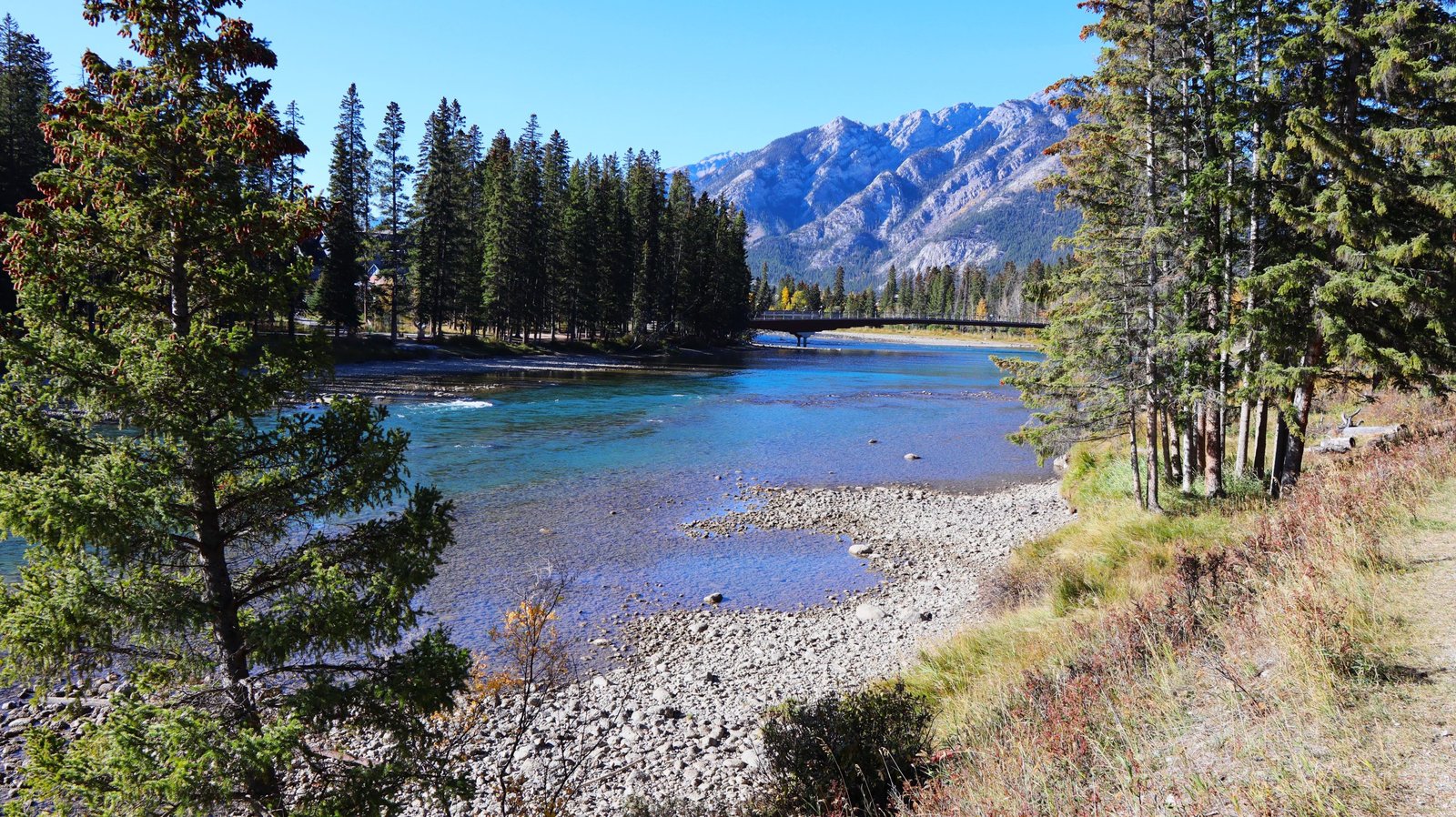
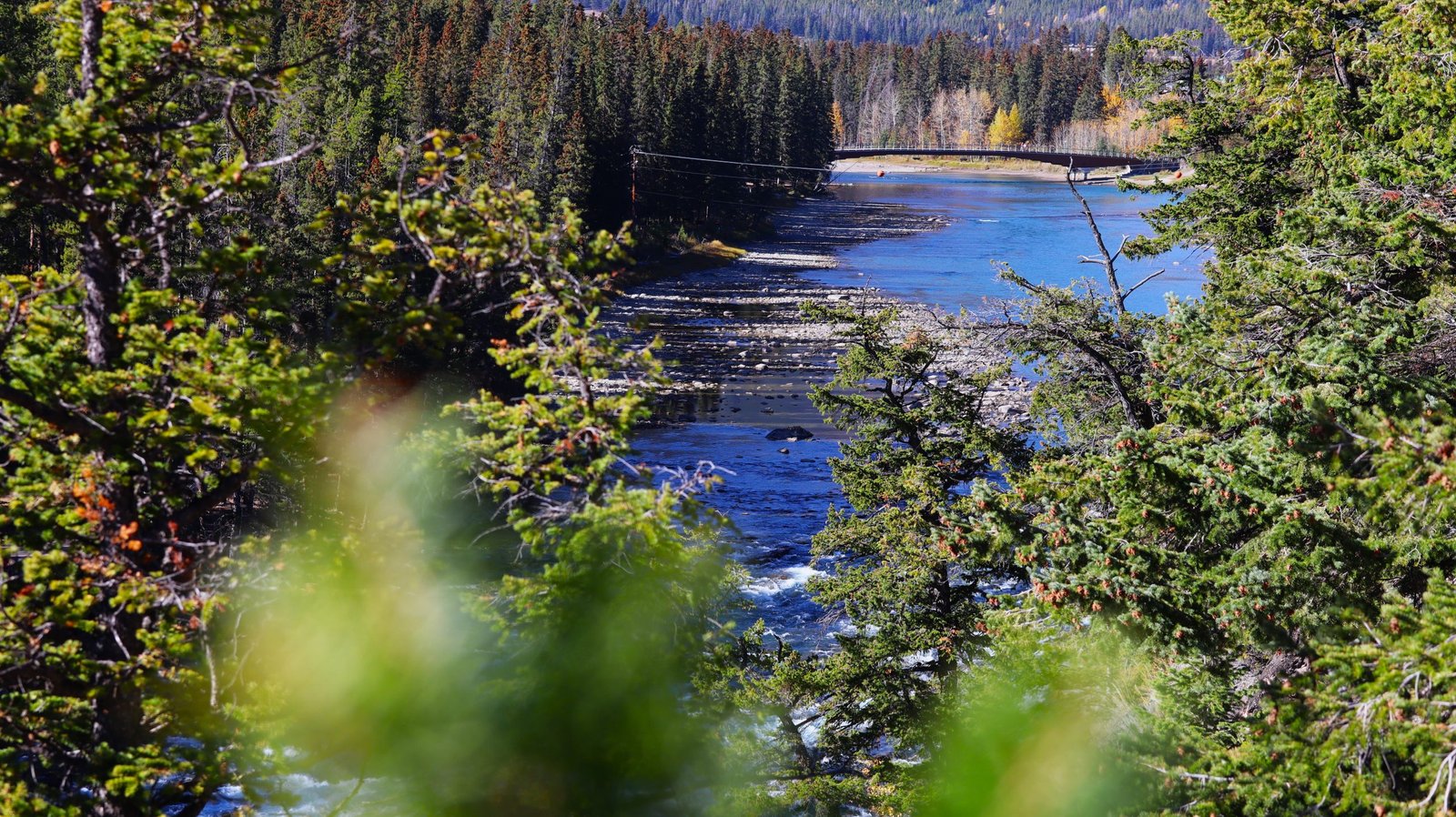
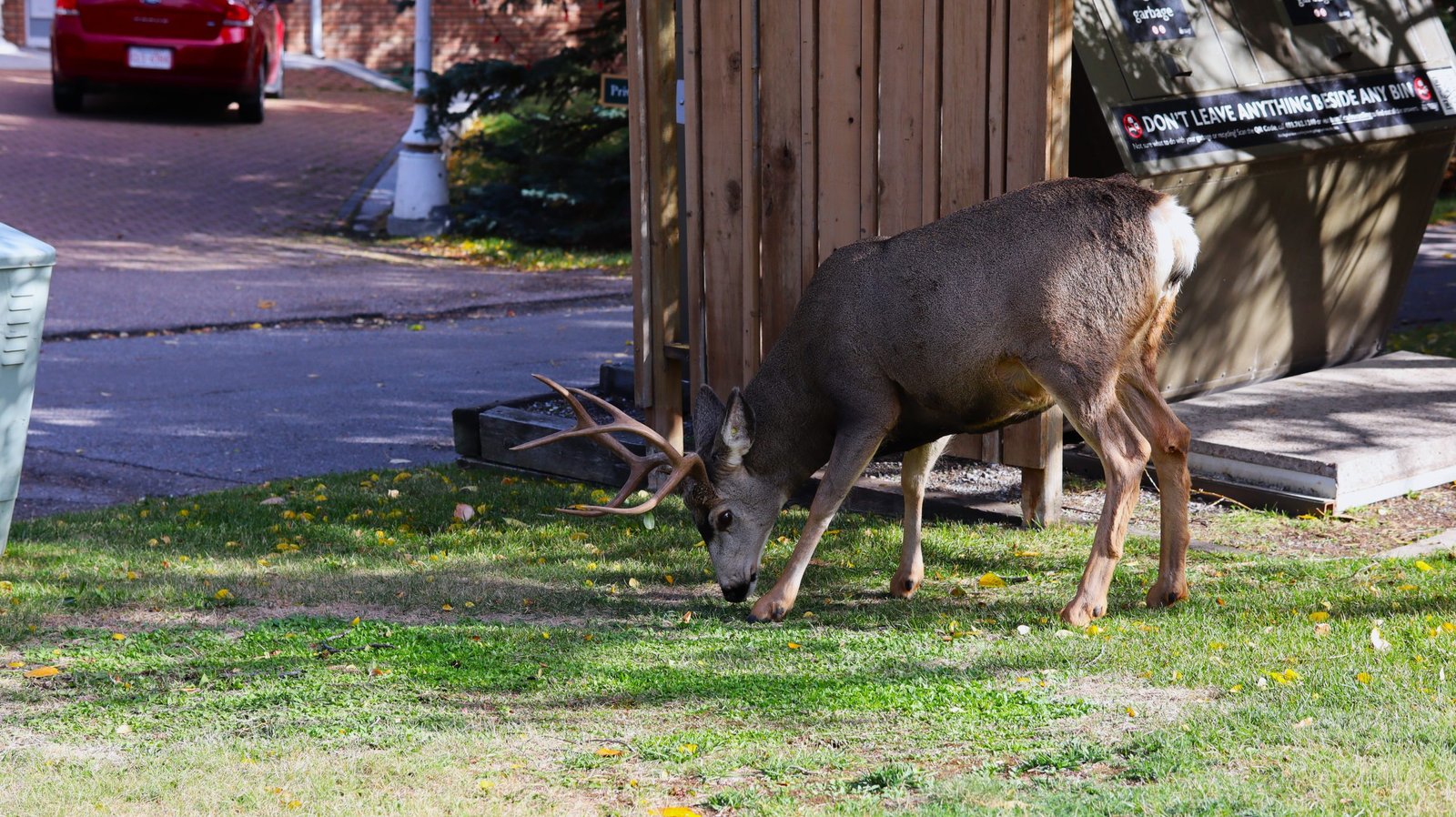
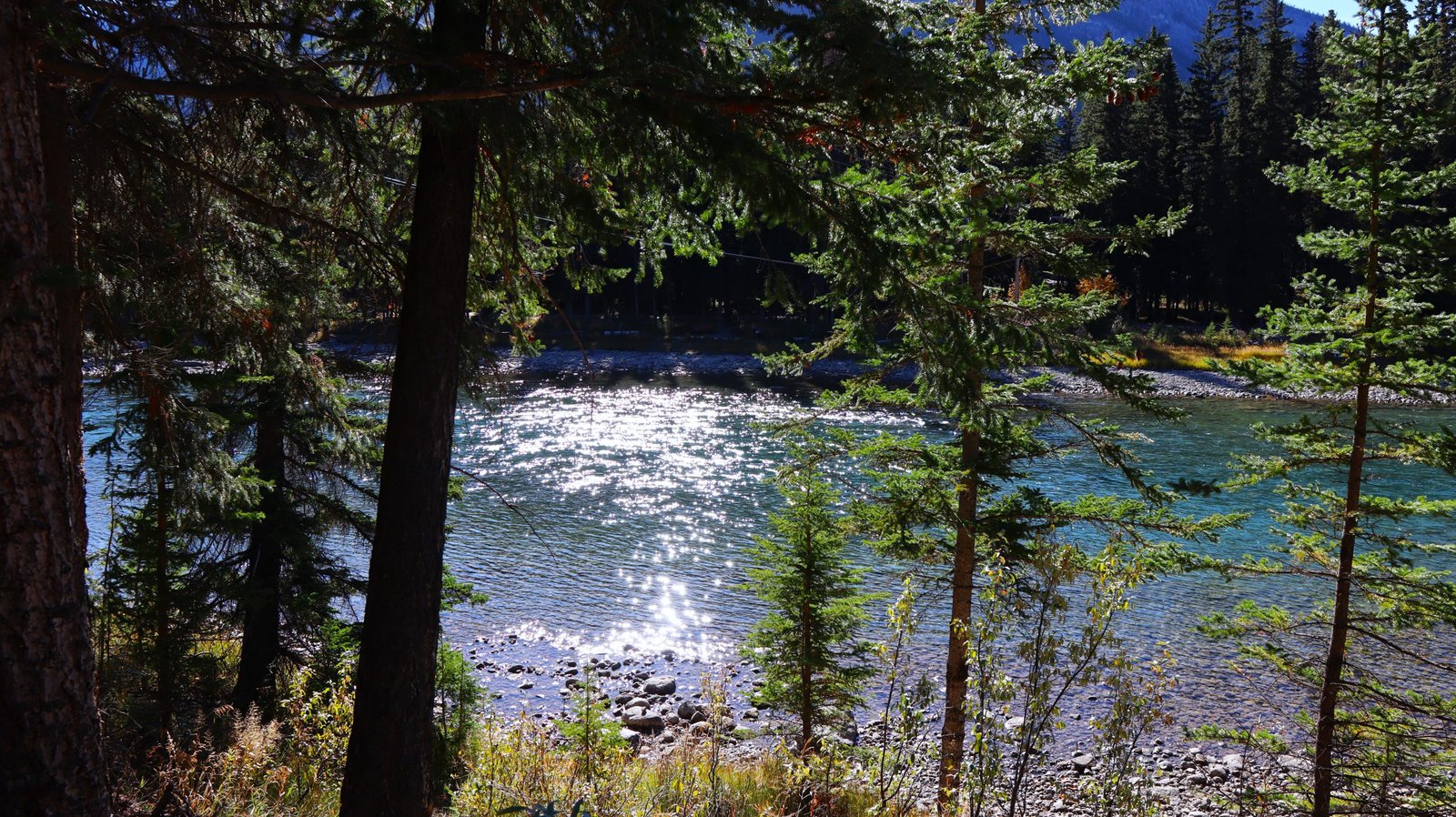
The elk, which people are warned to keep a distance from in Yellowstone, are roaming freely among the township. Below-left is a juvenile buck-elk grazing on grasses only metres from cars and homes. The pristine Bow River (below) runs through Banff and is almost 600km long – and for a fast-flowing river, this section is one of the more serene parts.
Lake Louise
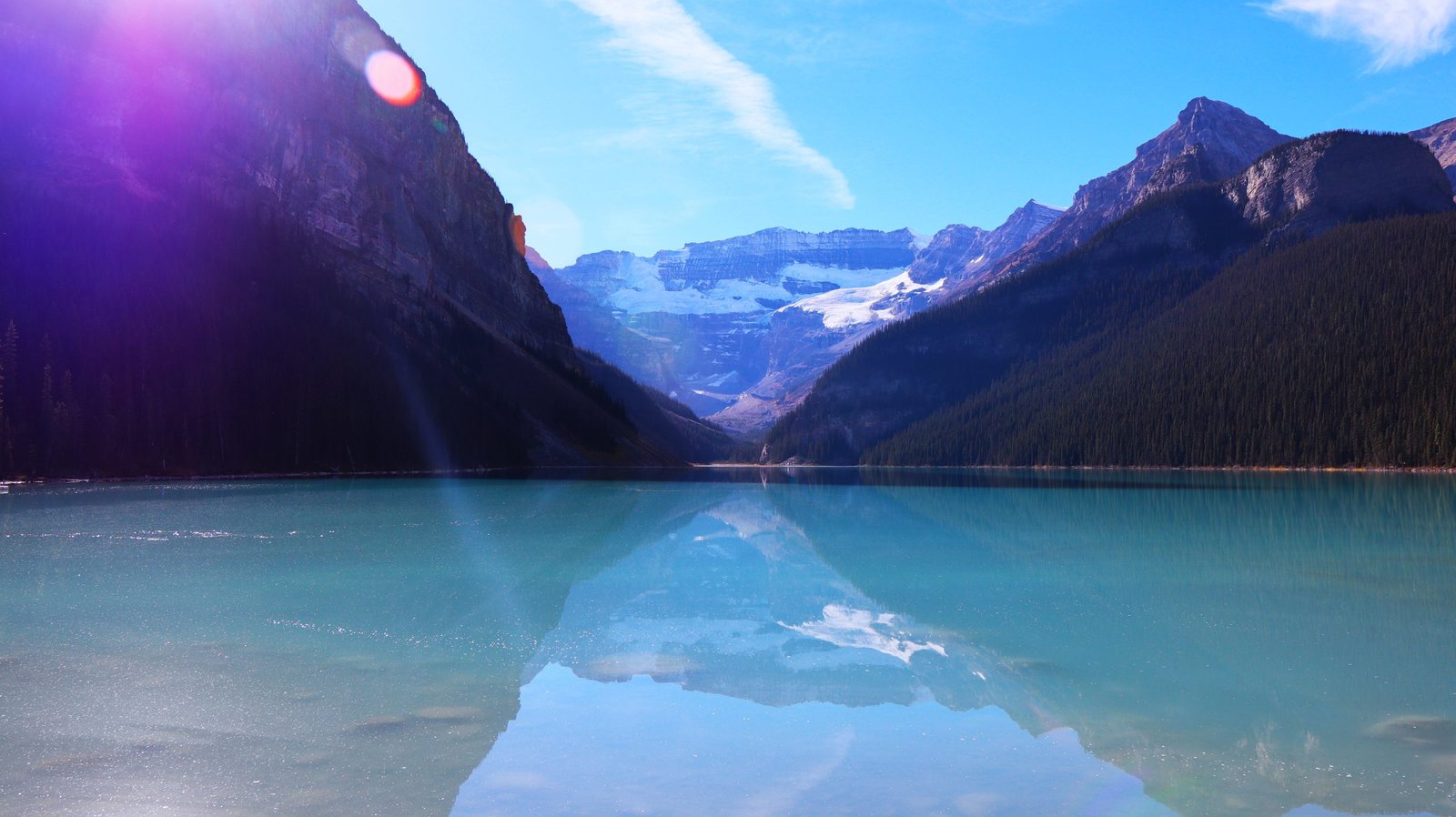
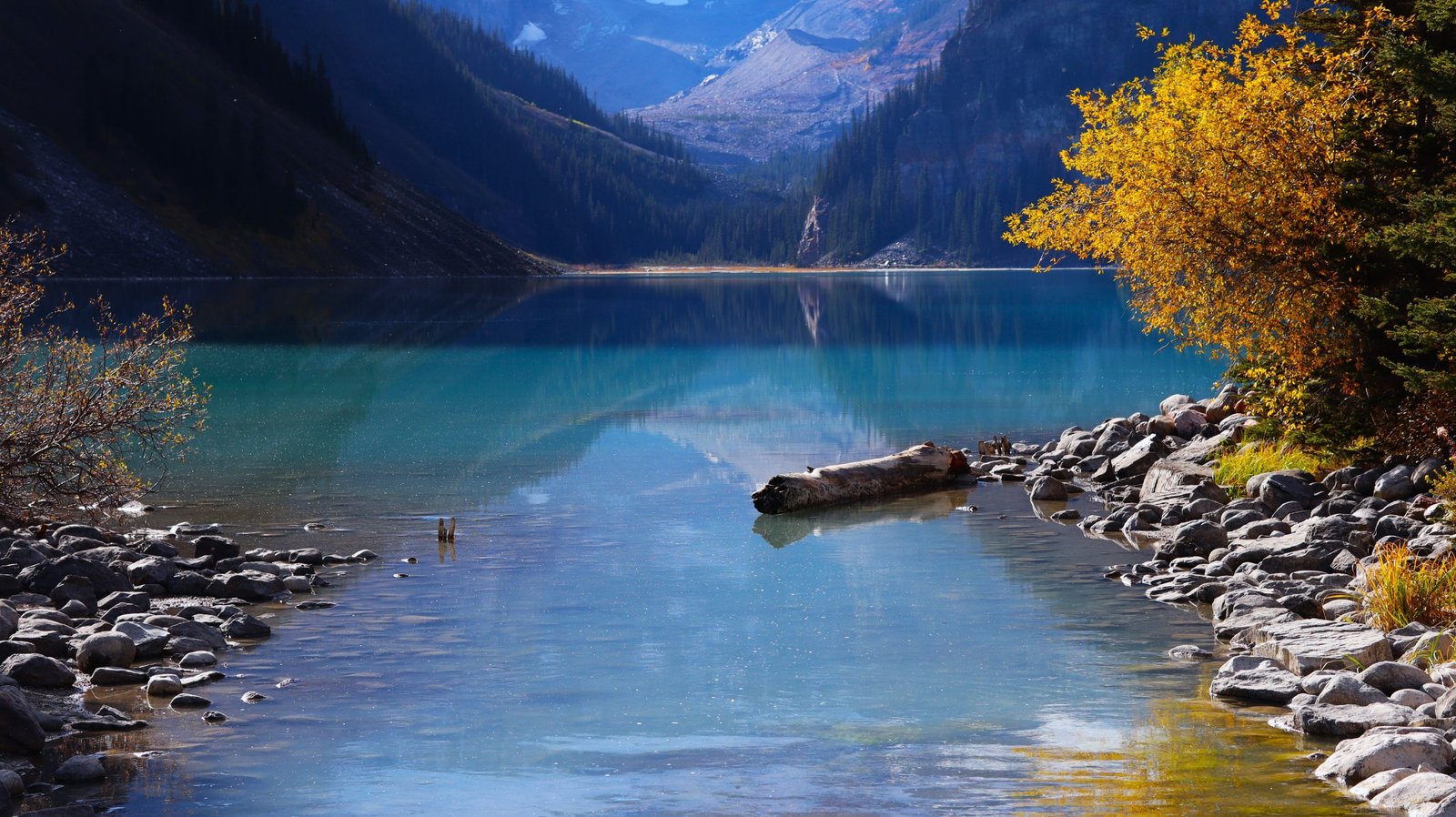
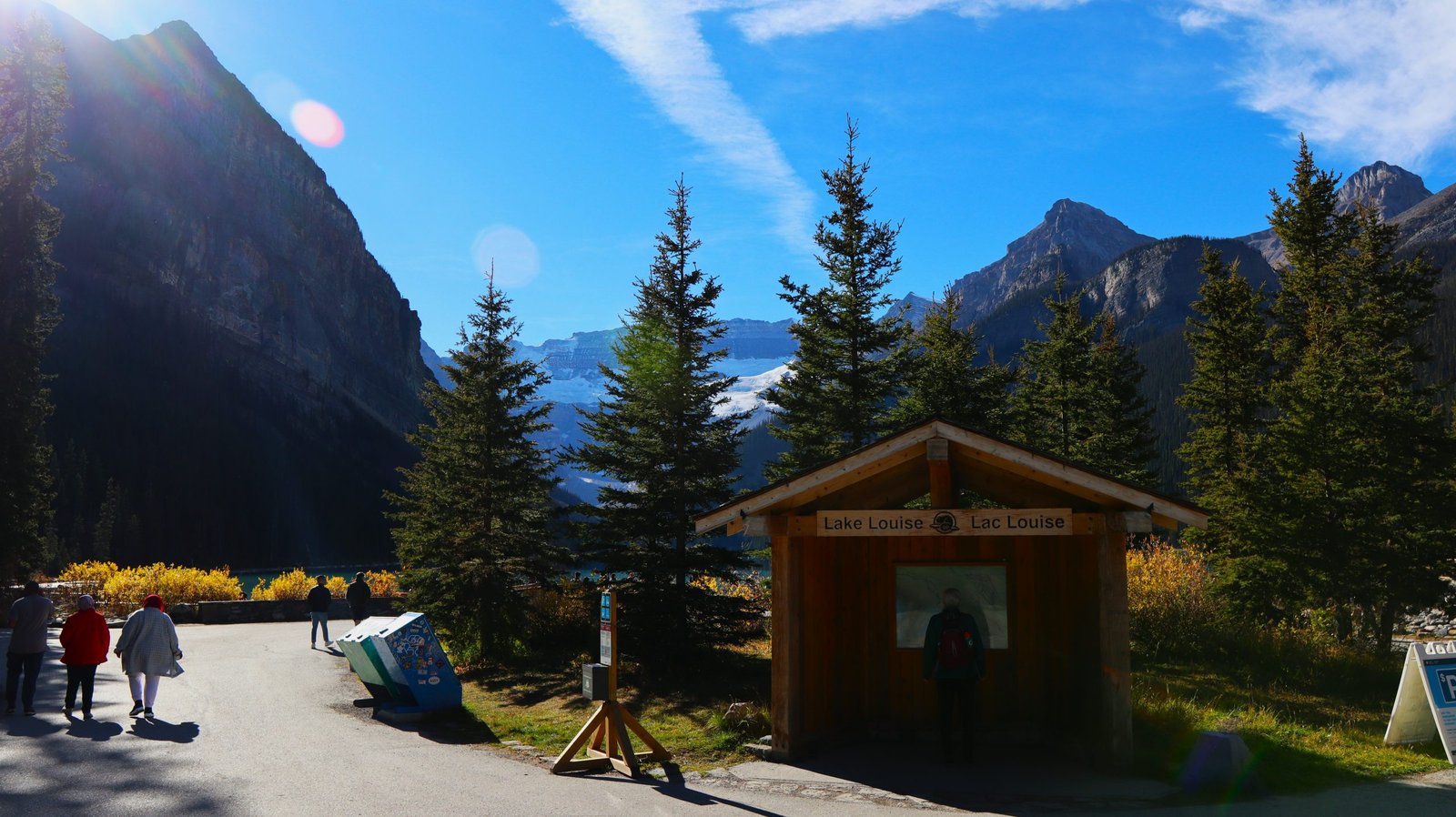
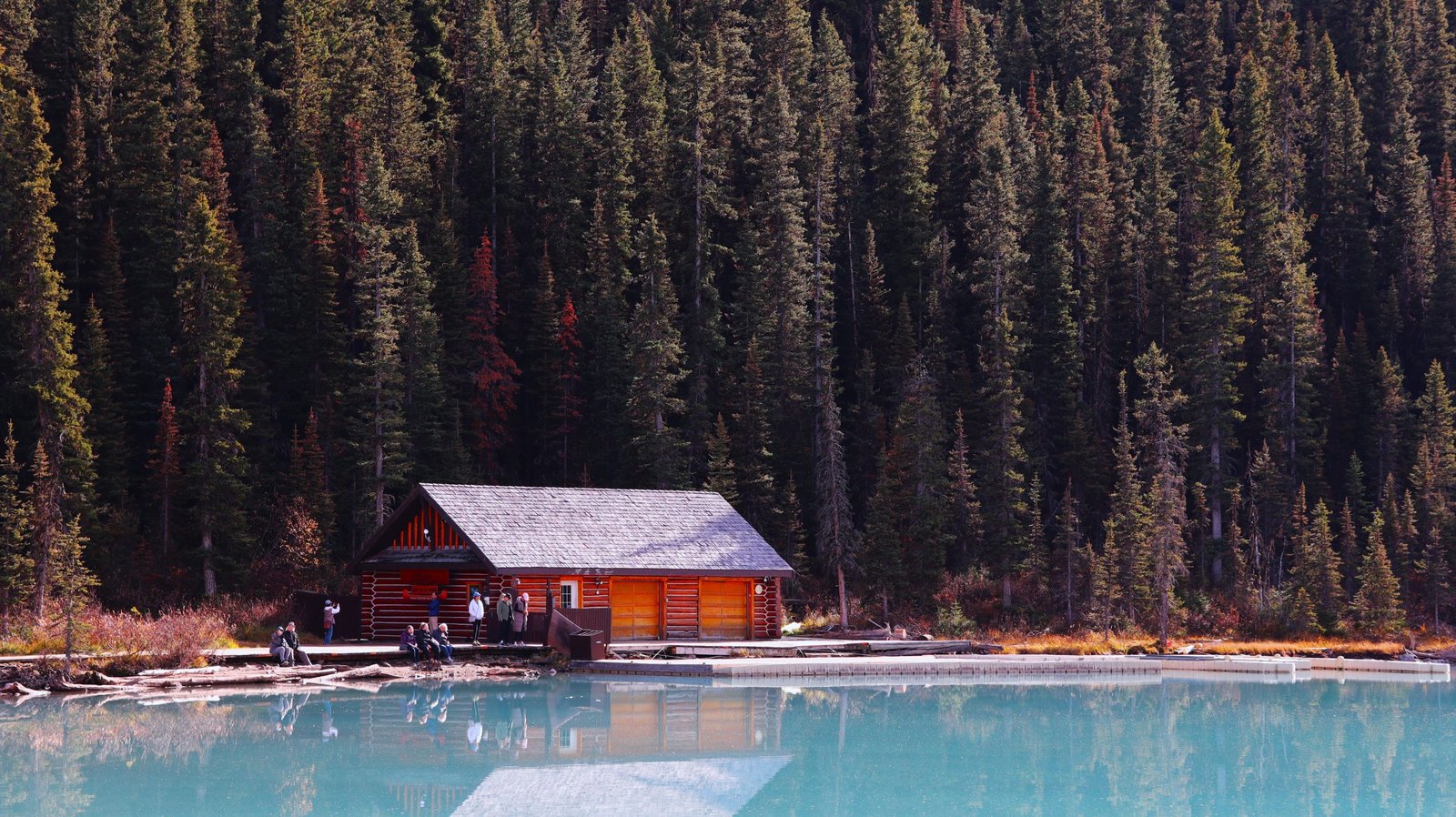
About 45 minutes from Banff, up the Trans-Canada Hwy, is another tourist drawcard – Lake Louise. The picturesque setting and mountainous backdrop afford dozens of incredible angles, all of them unique. The turquoise water colour (right/below-right) comes from fine particles of rock flour carried into the water by glaciers. Many lakes in this area have this same magical colour.
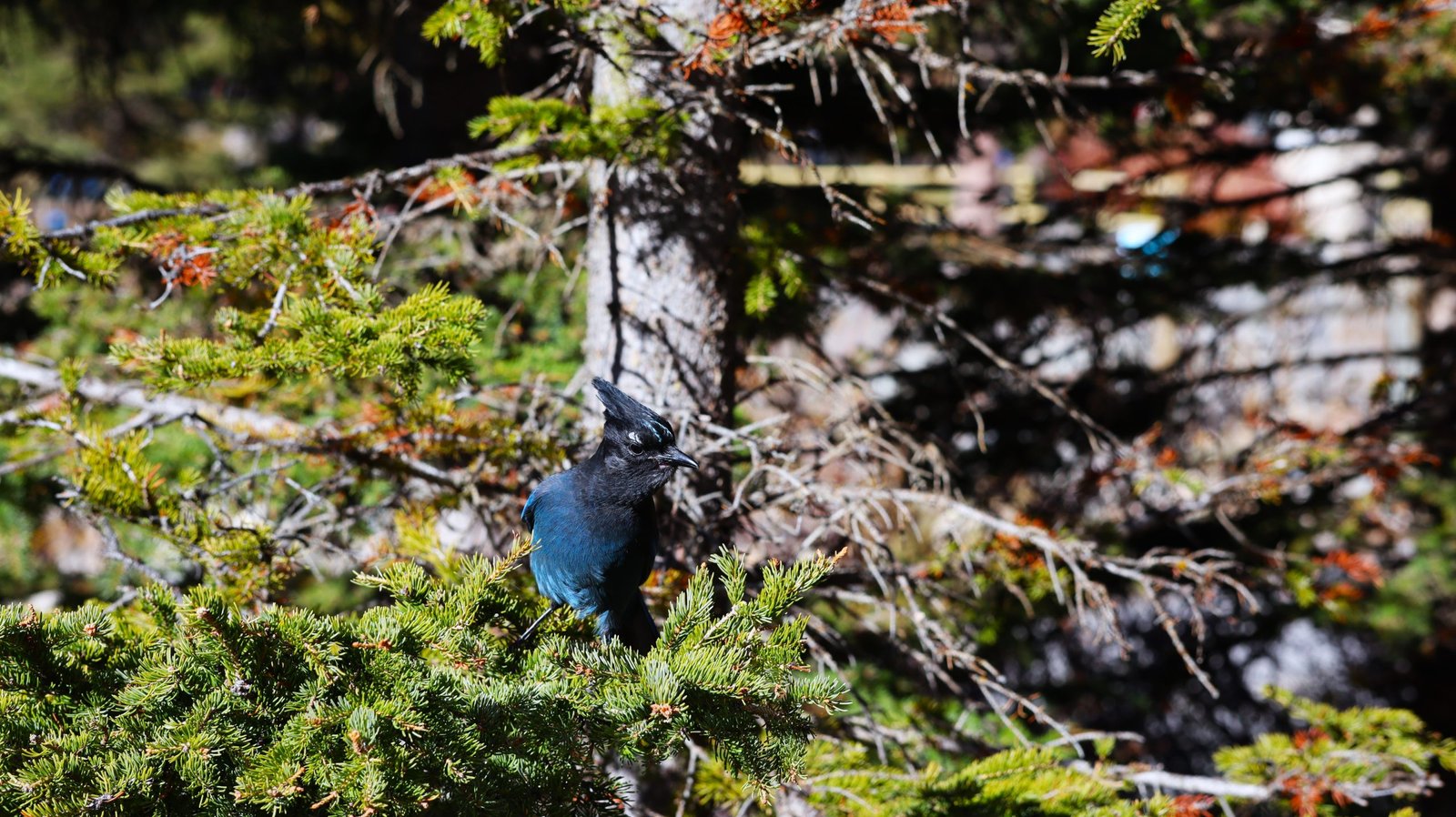
Below was my first photographic encounter with a Steller’s Jay, although this shot was very hard to get, as this bird would not stop moving.
Road Shots (Travelling Media)
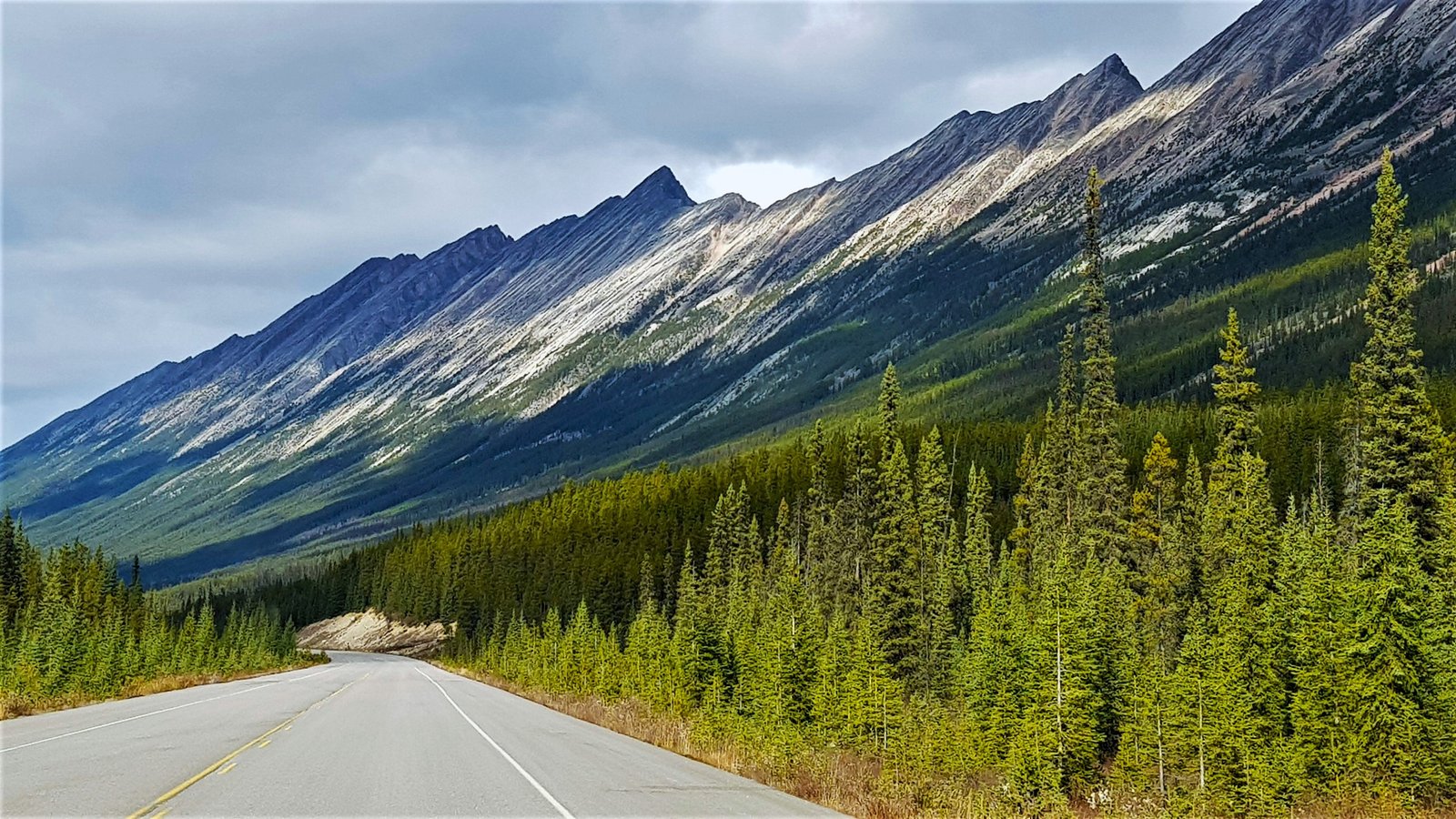
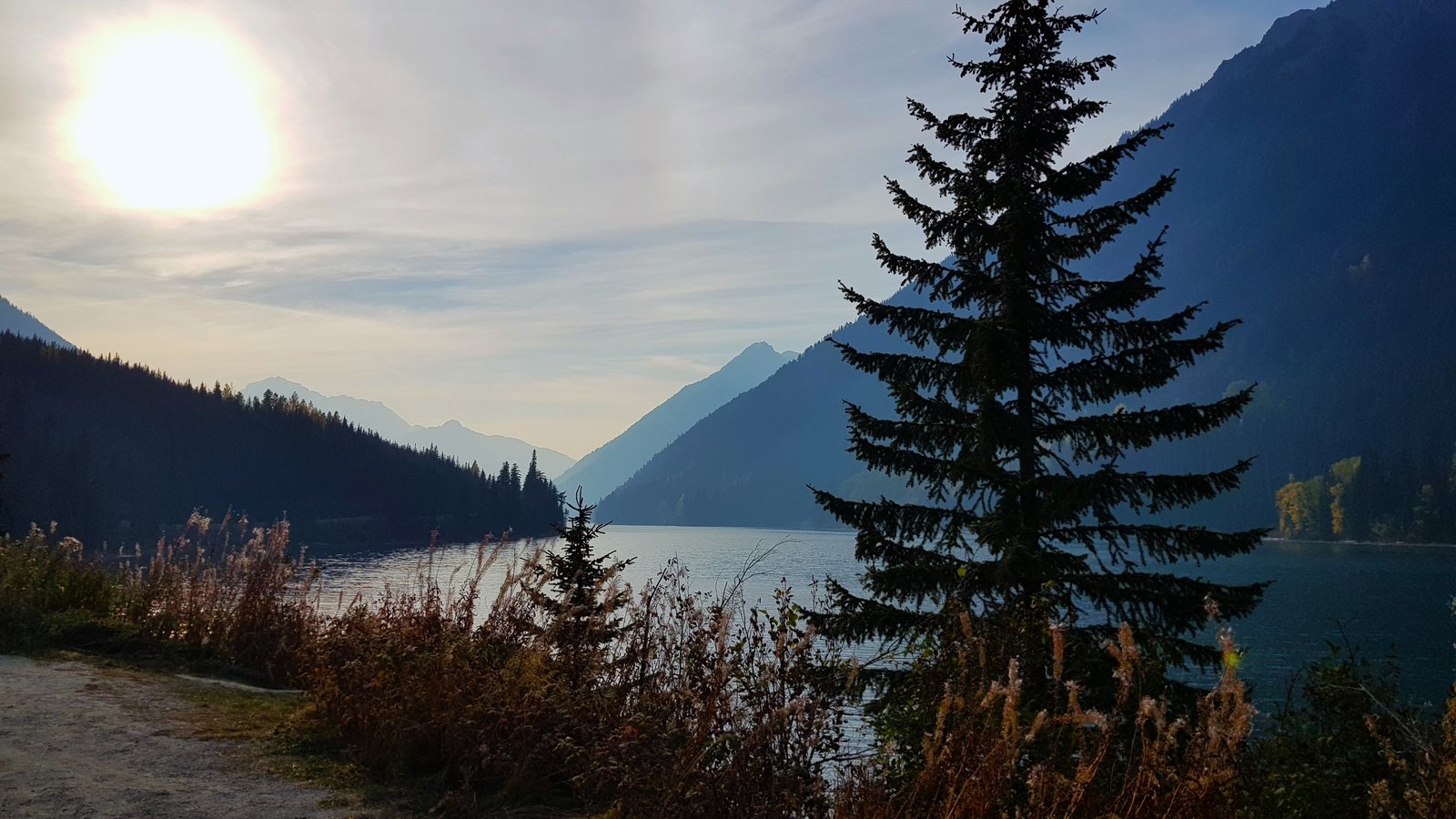
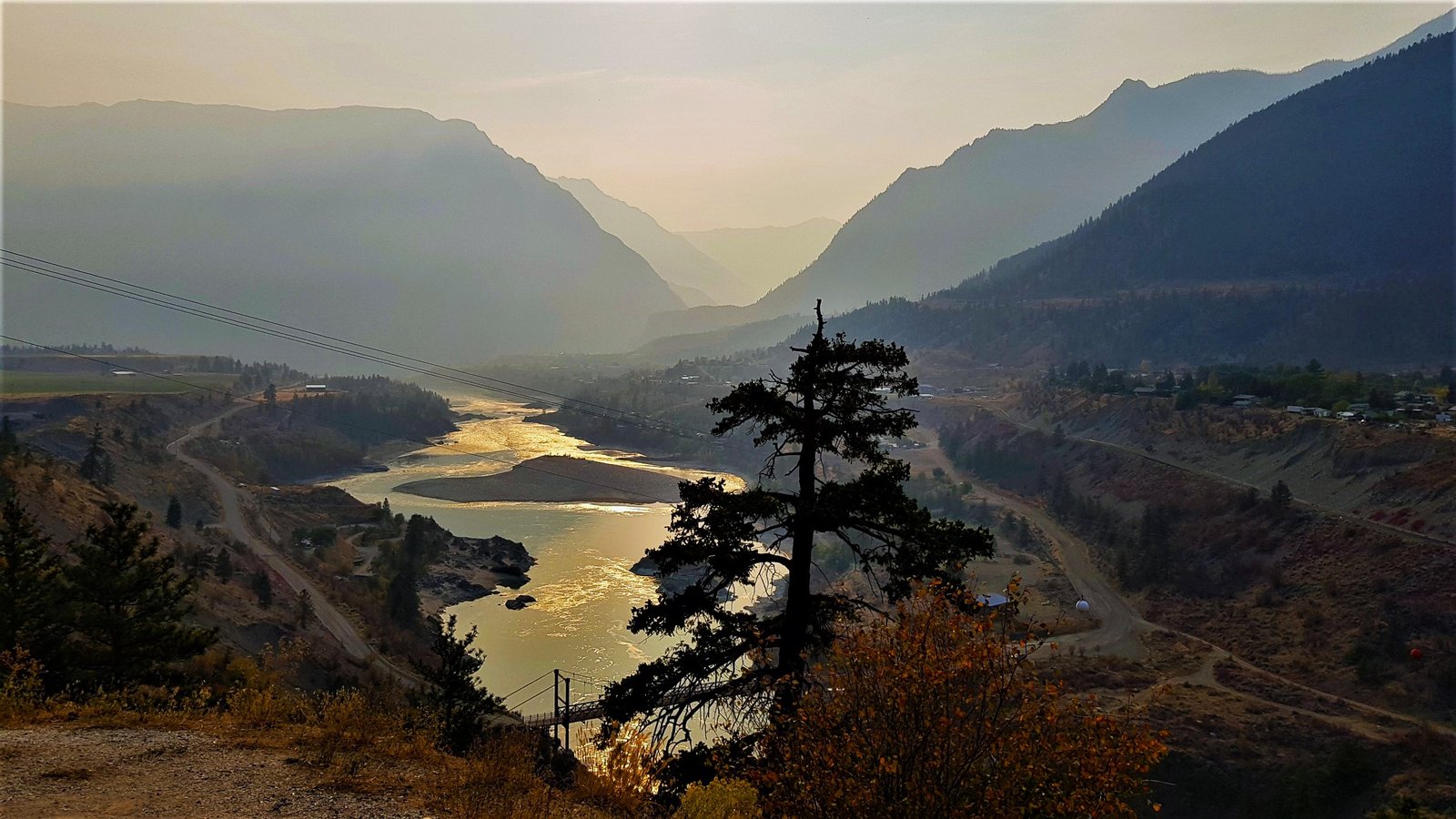
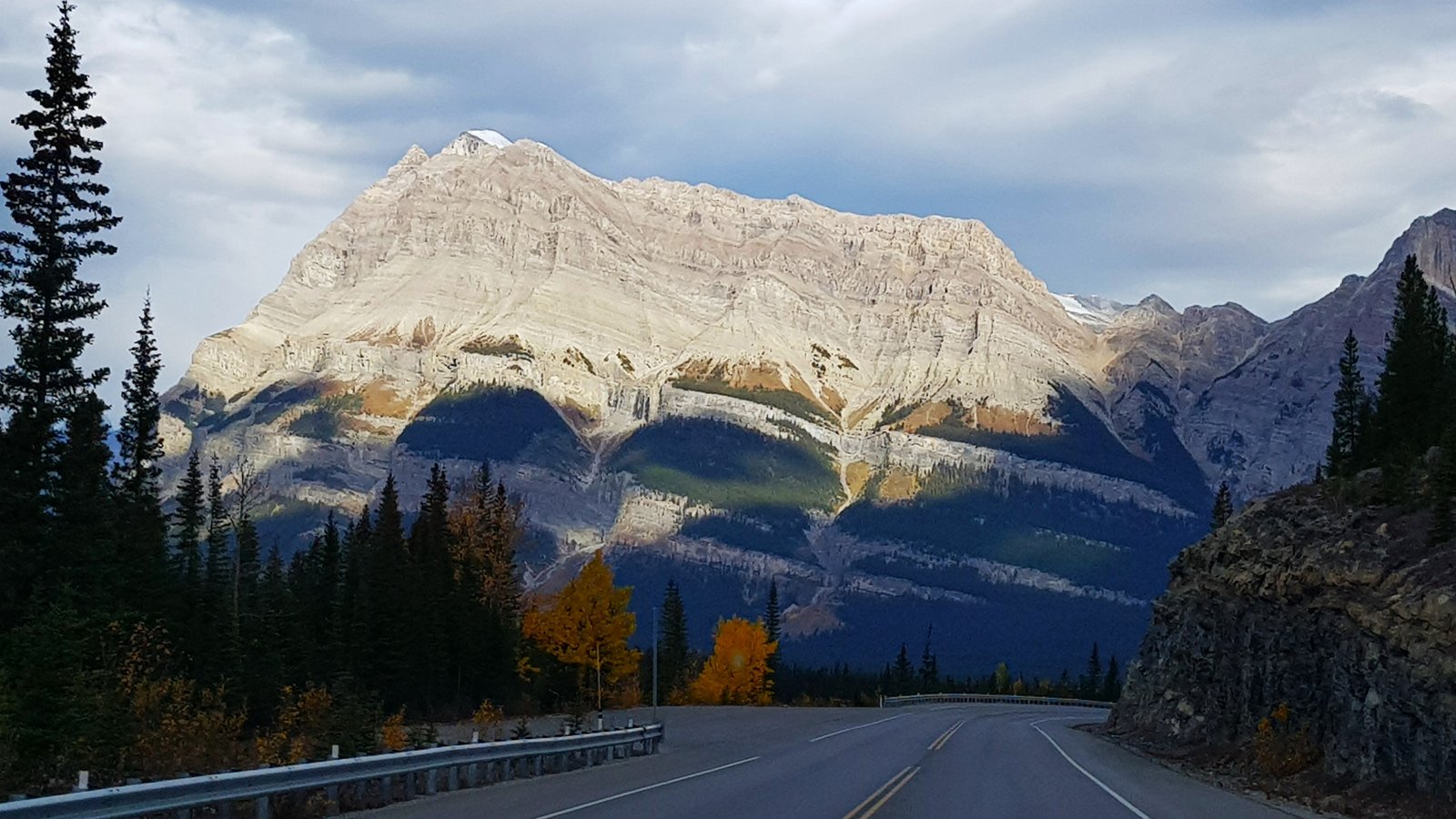
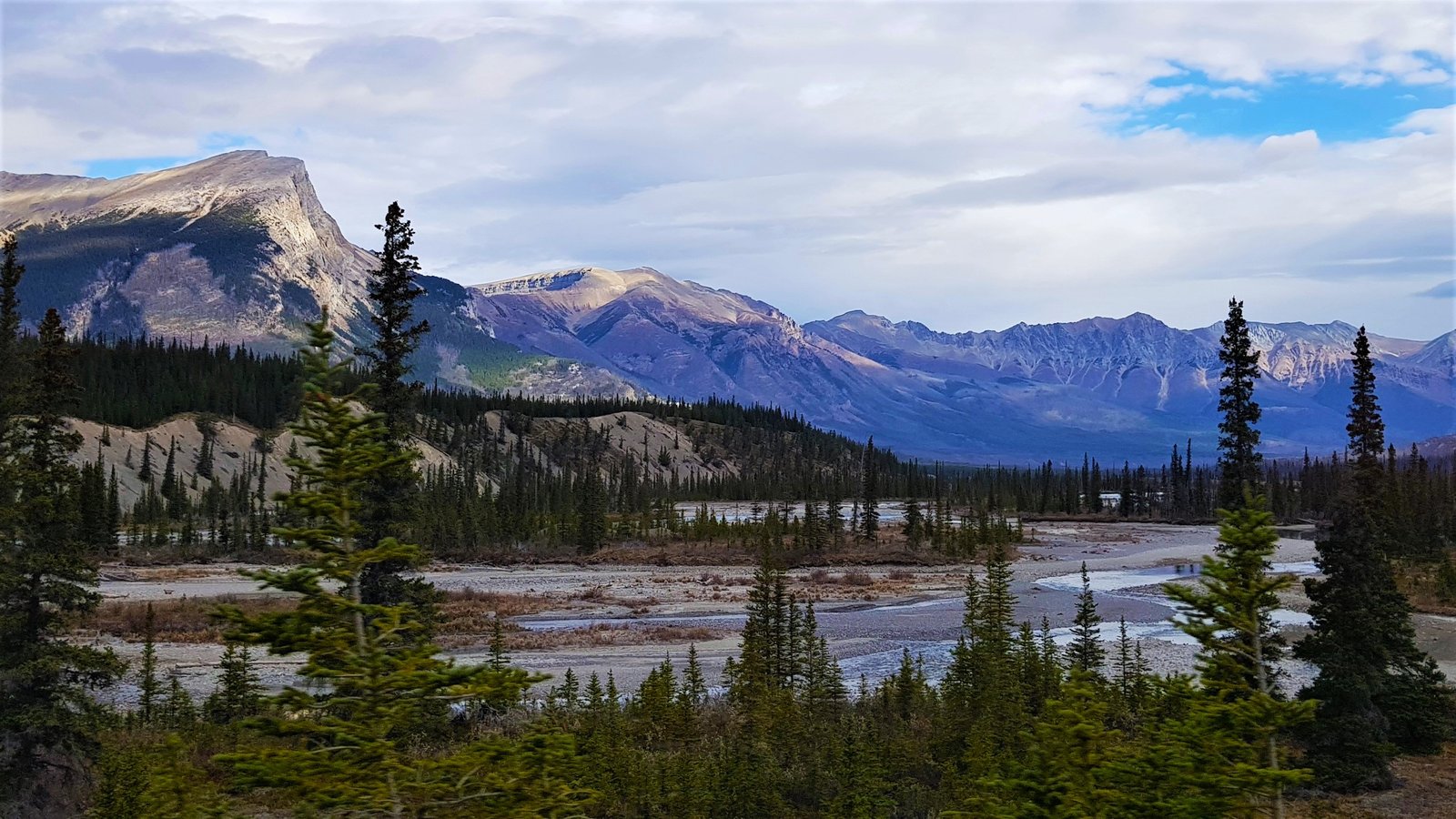
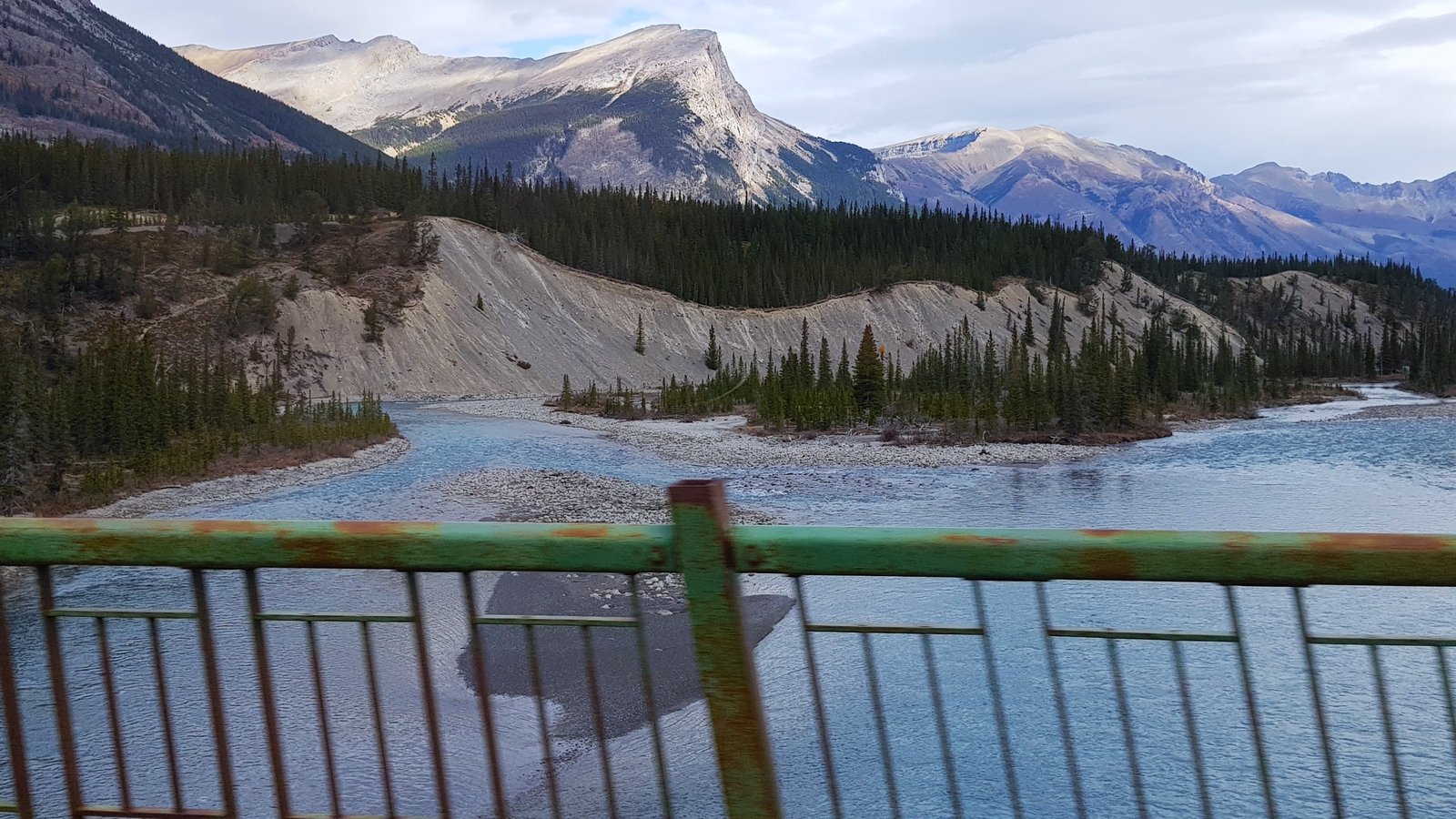
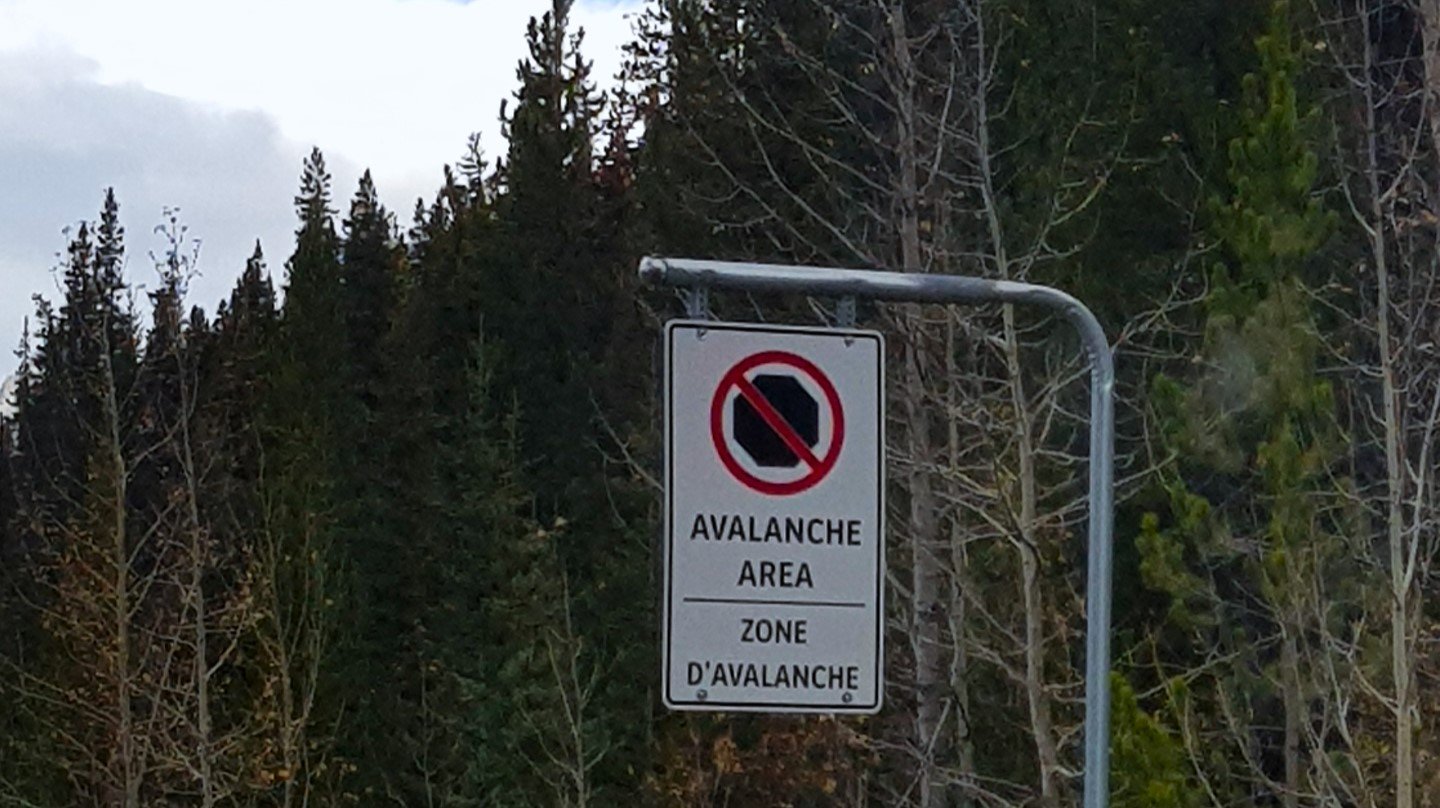
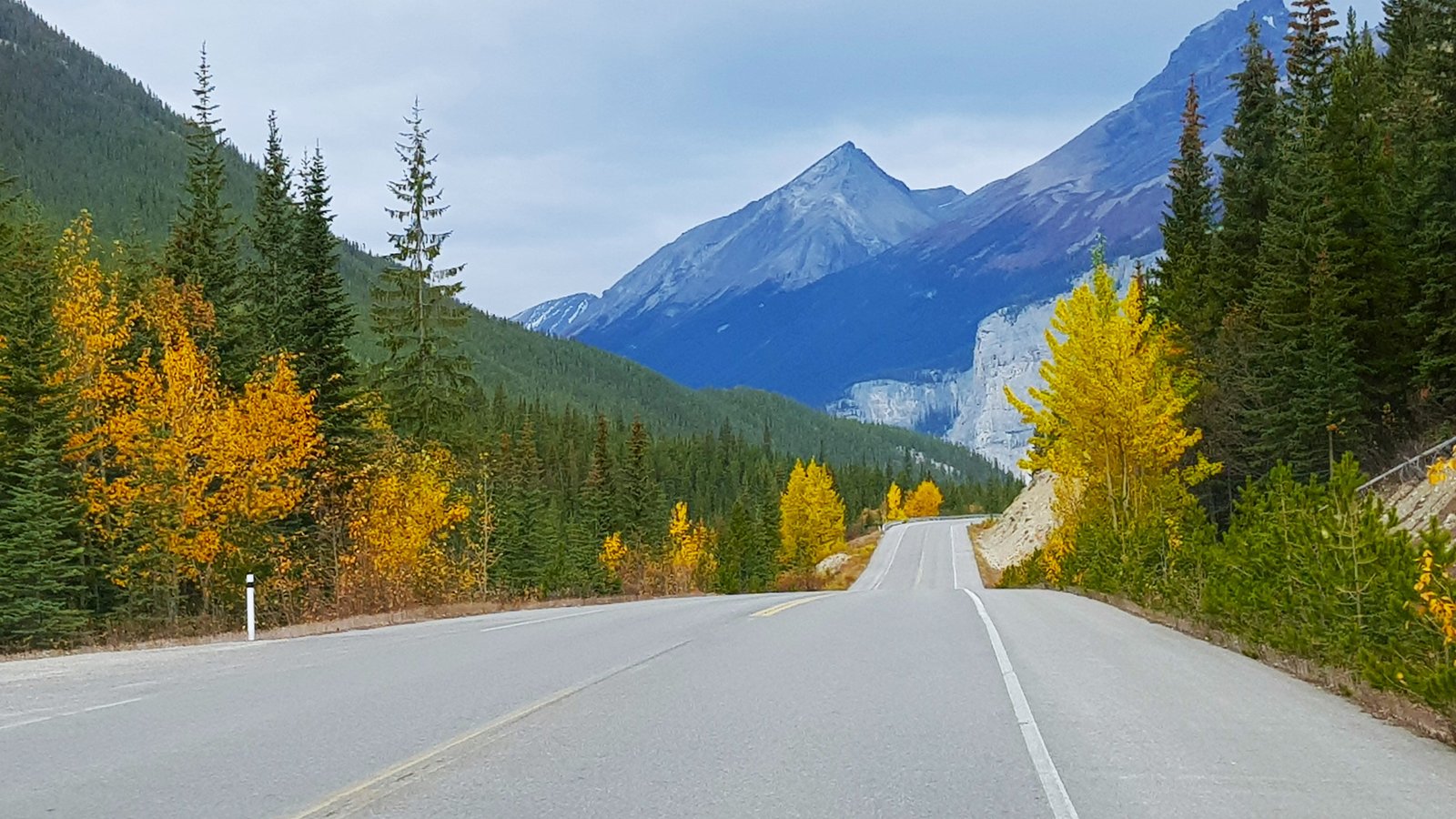
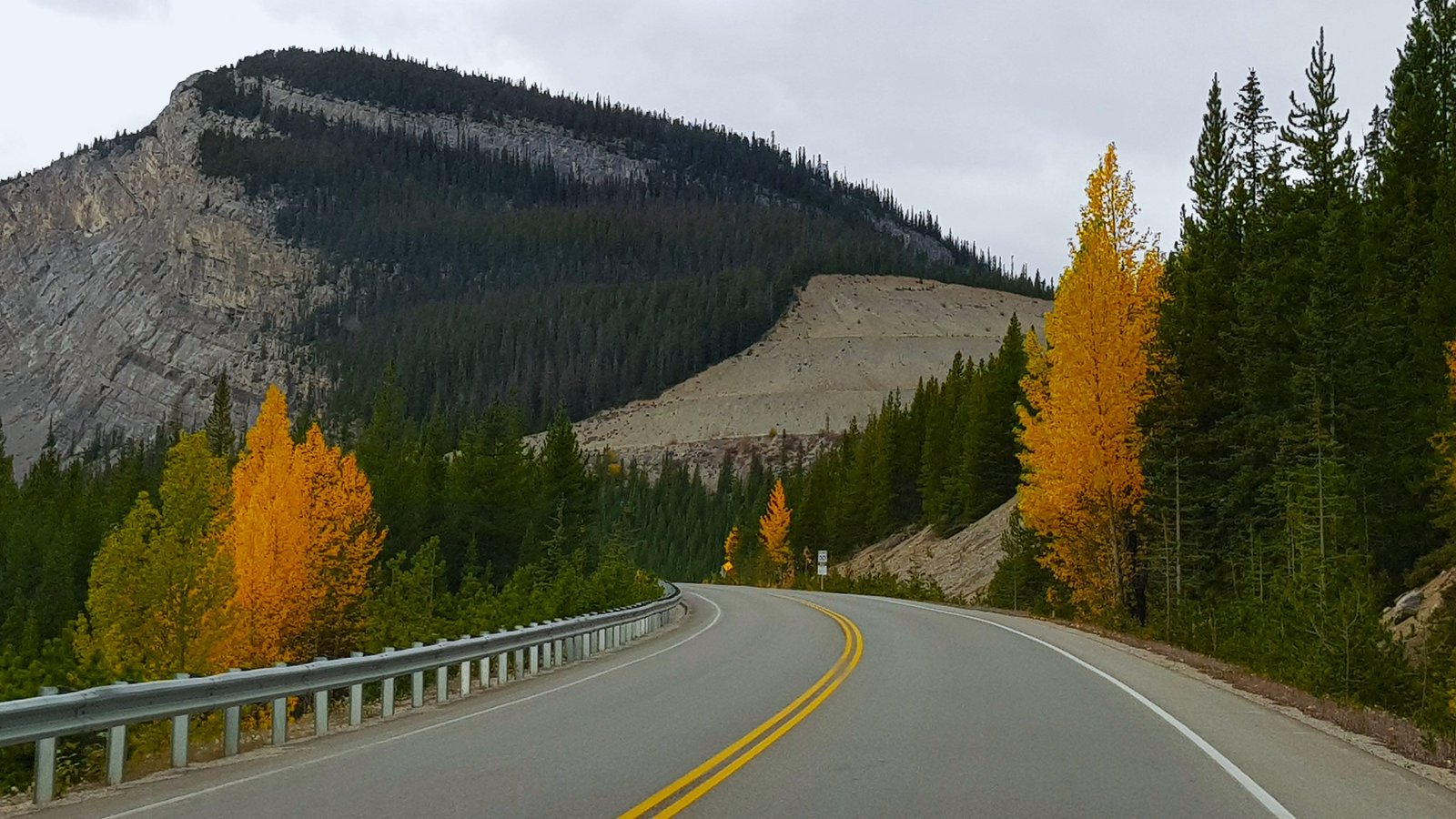
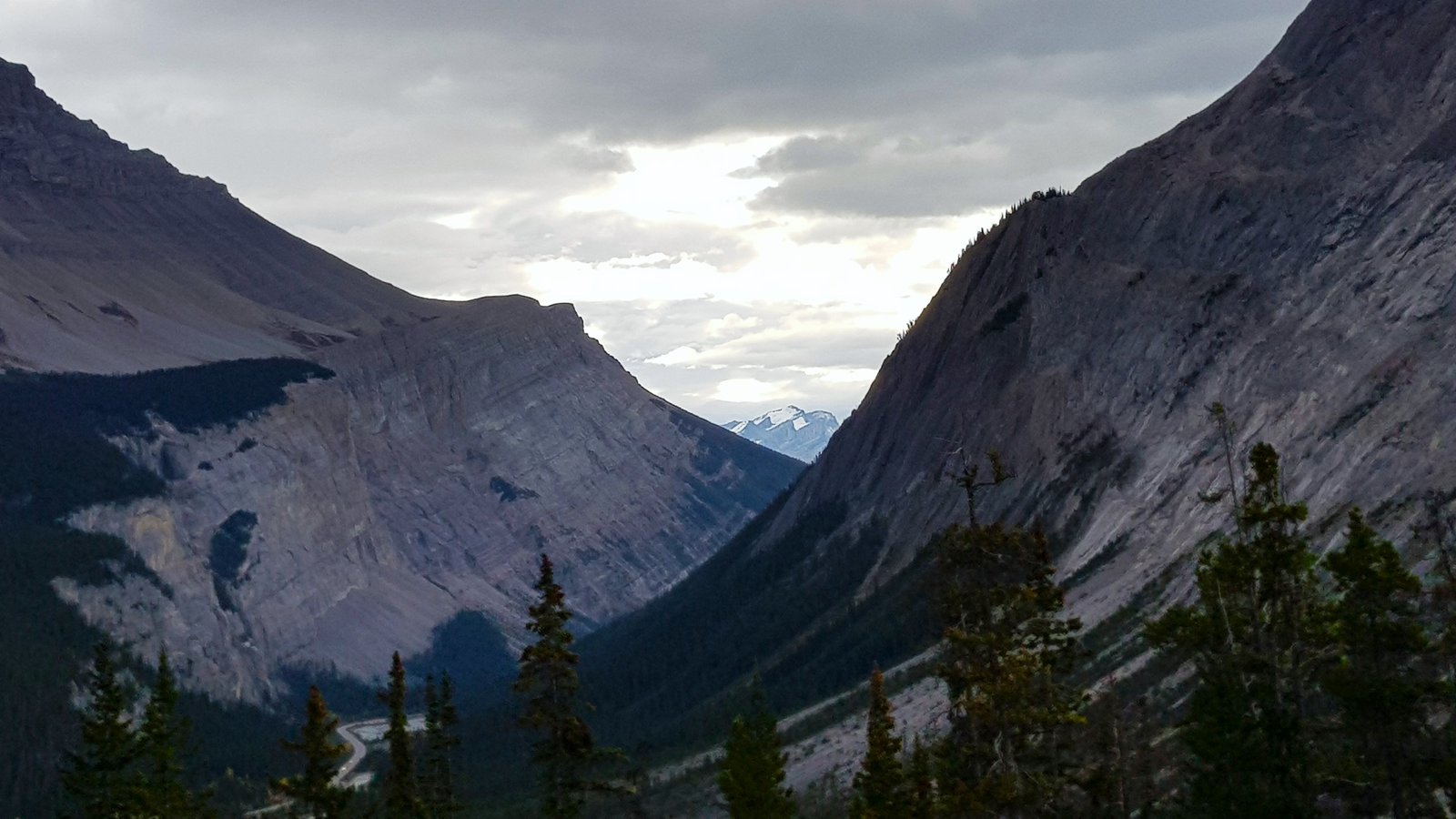
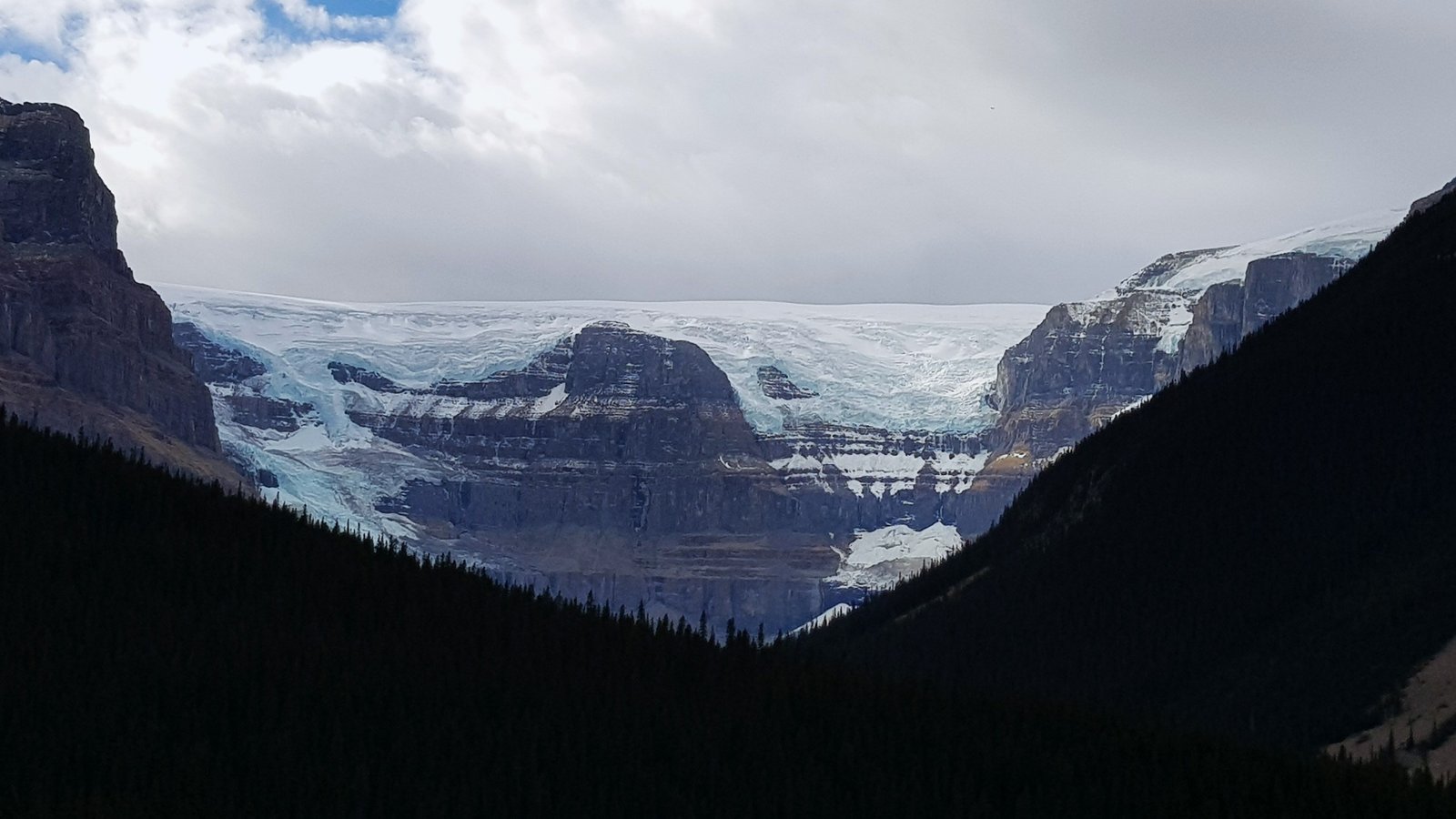
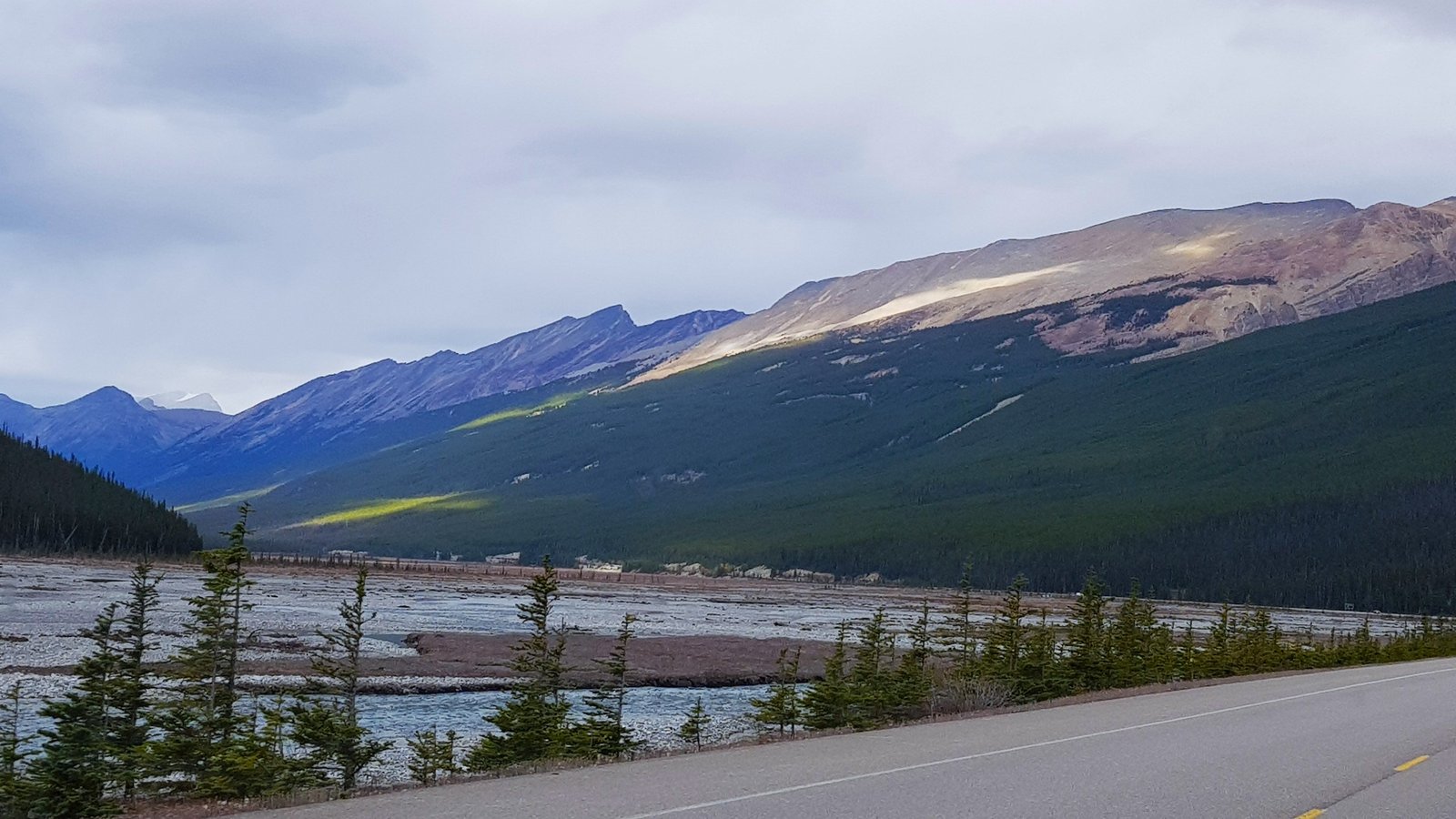
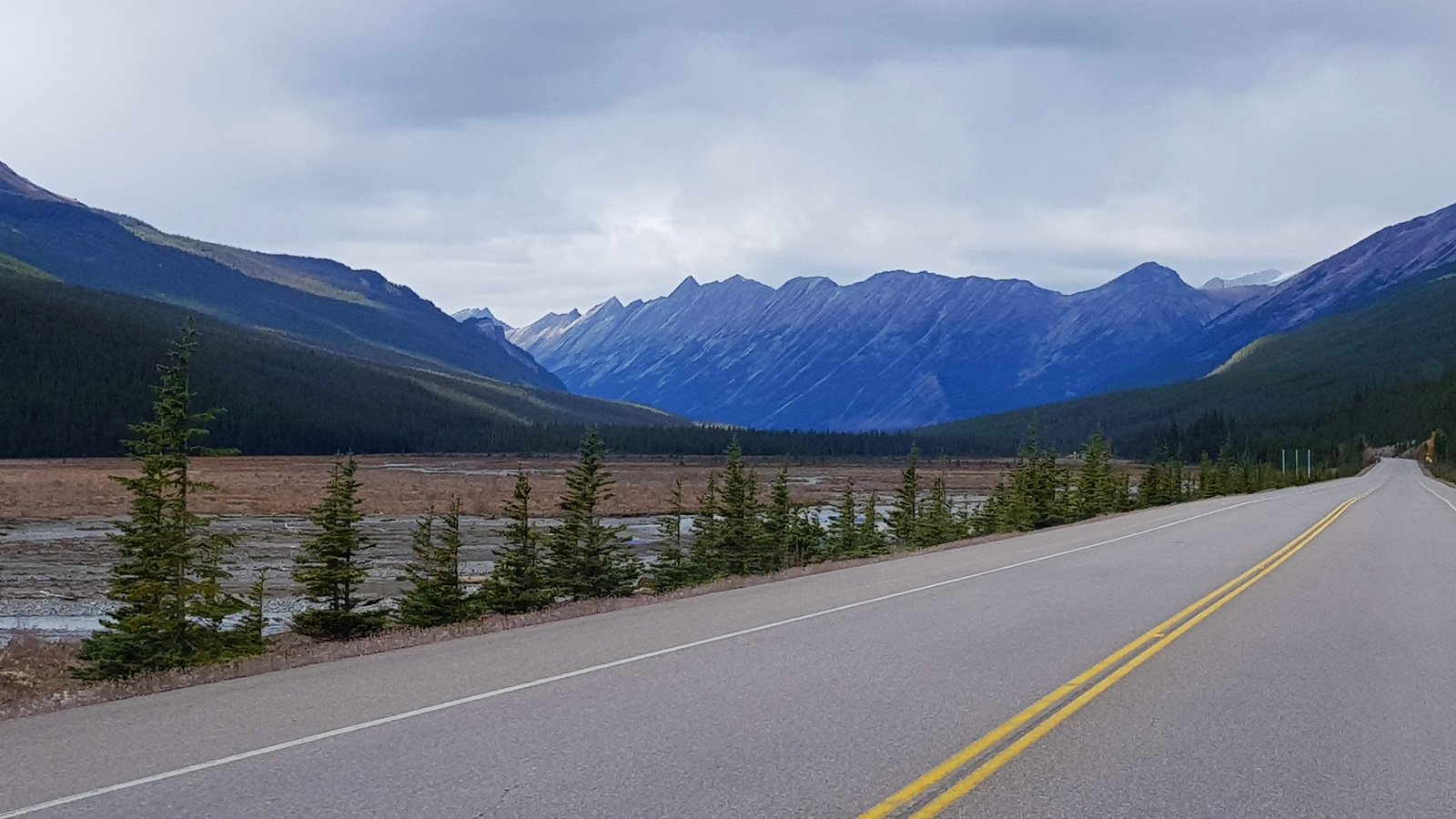
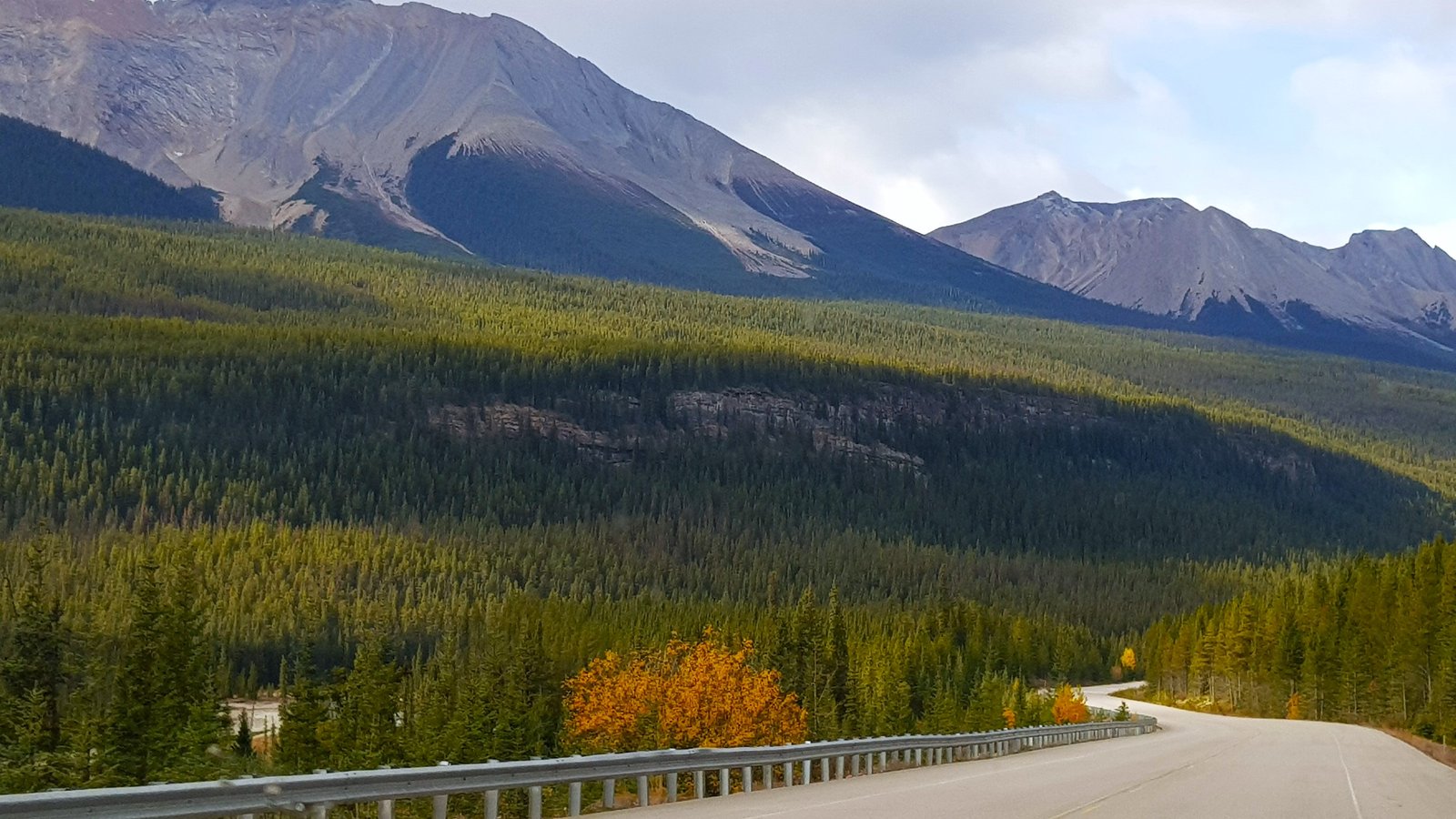
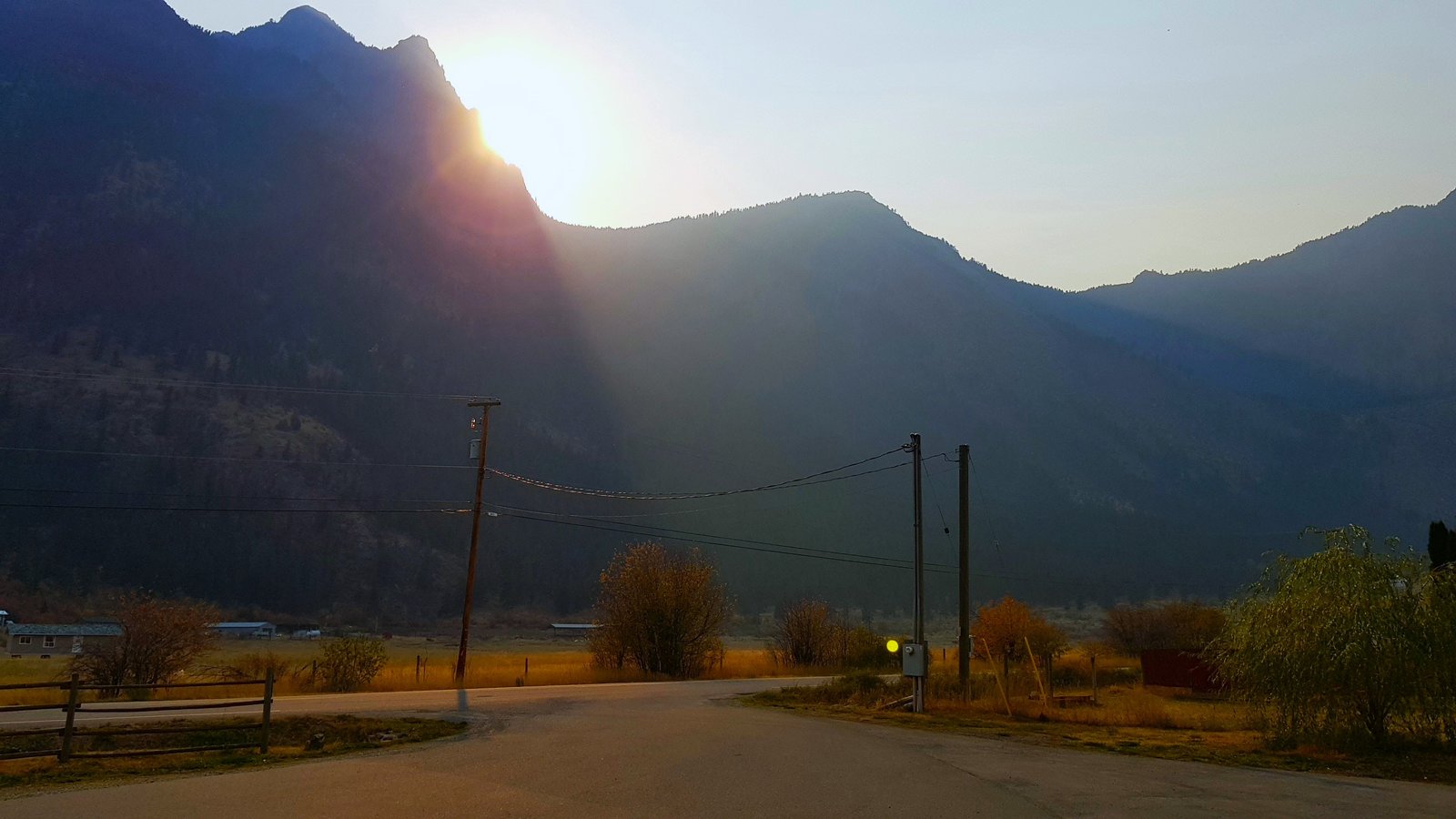
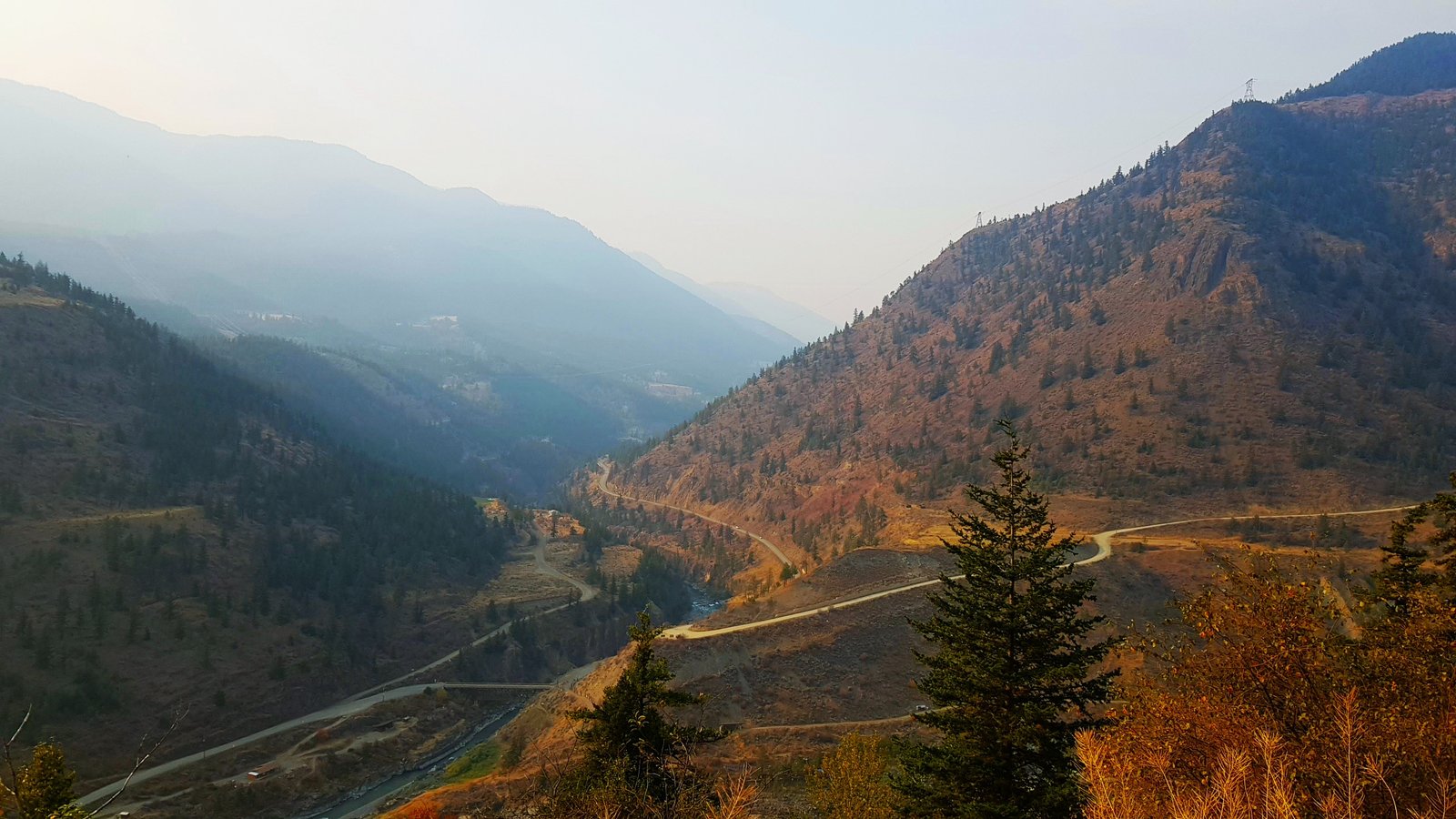
Ordinarily, I wouldn’t bother putting in media from a road trip between a point of origin and a destination, but this scenery is quite the exception to my rule. This journey of ~230km has to be one of the most picturesque of any road trip that you’re likely to take. The scenery is stunning – from lakes and densely-wooded forests, to seemingly never-ending narrow streams surrounded by trees, to physics-defying mountains, glaciers and jaw-dropping panoramas.
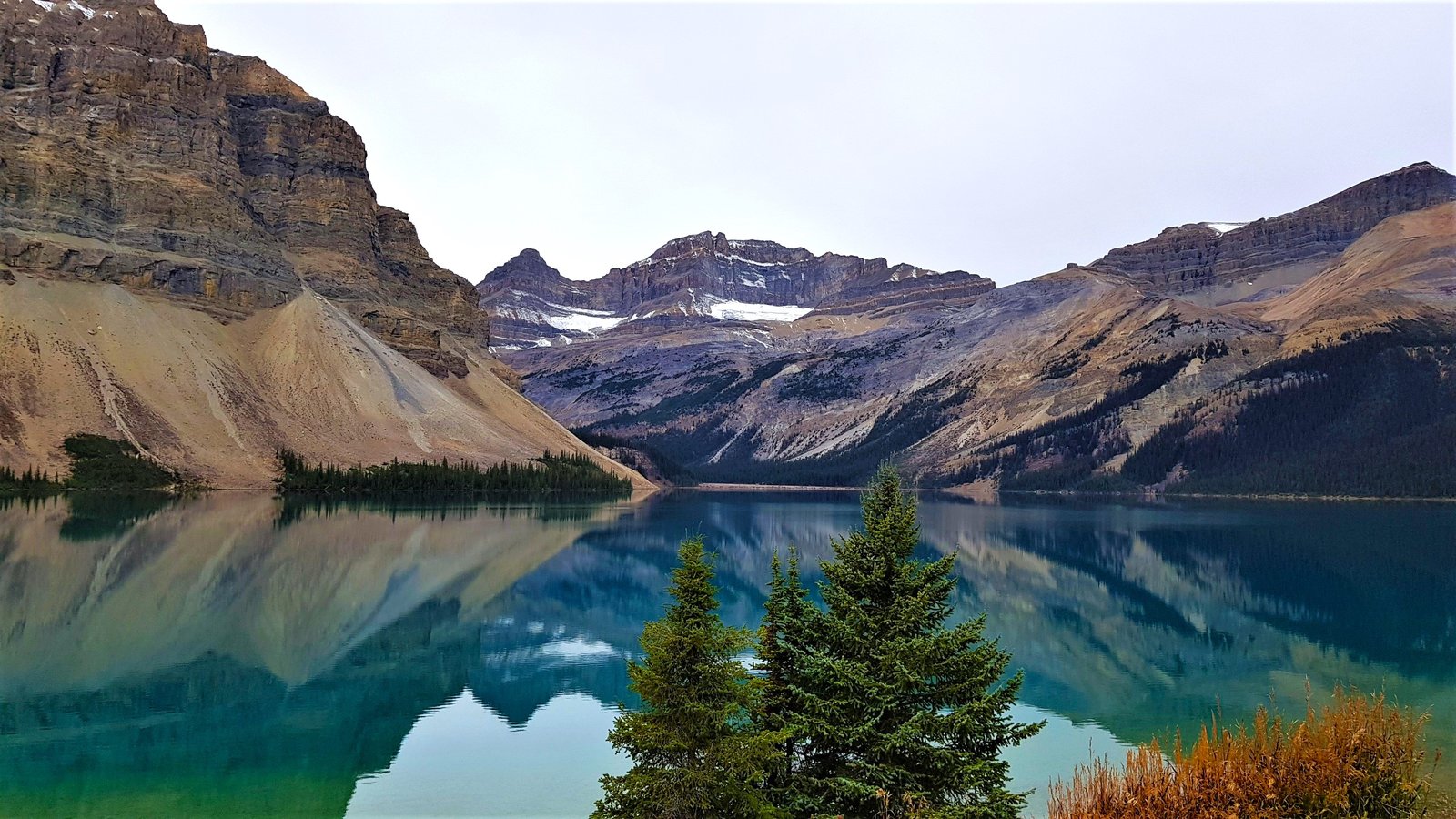
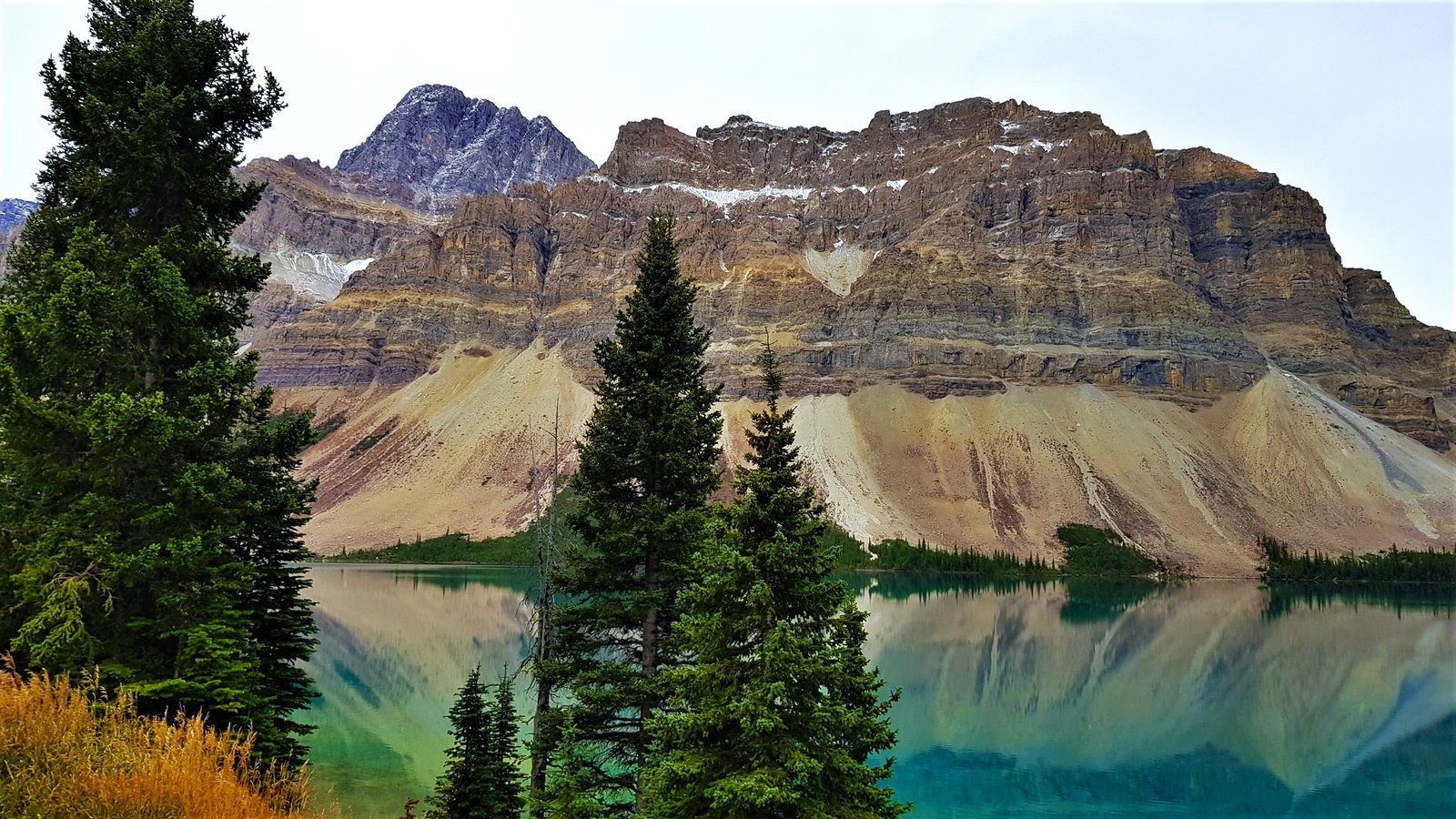
Bow Lake (left and below-left) is just as stunning as Lake Louise, but the mountainous backdrop is even closer.
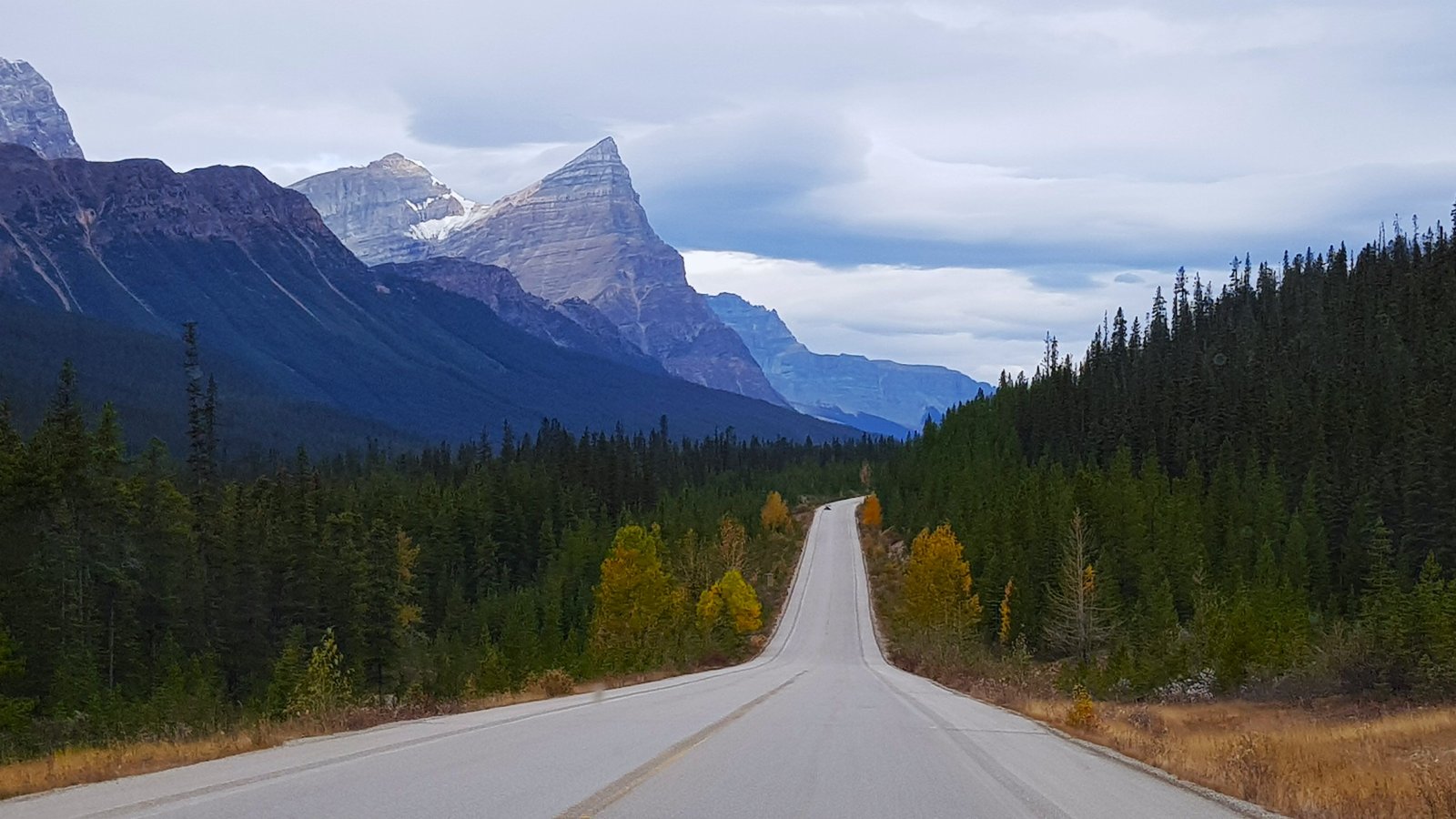
The Icefields Parkway (below) is smooth, wide and affords some very unique scenery.
A few stops were made along the way, which have their own stories and scenery further down.
I didn’t set any expectations for the trip along this motorway, but if I did, they surely would’ve been exceeded.
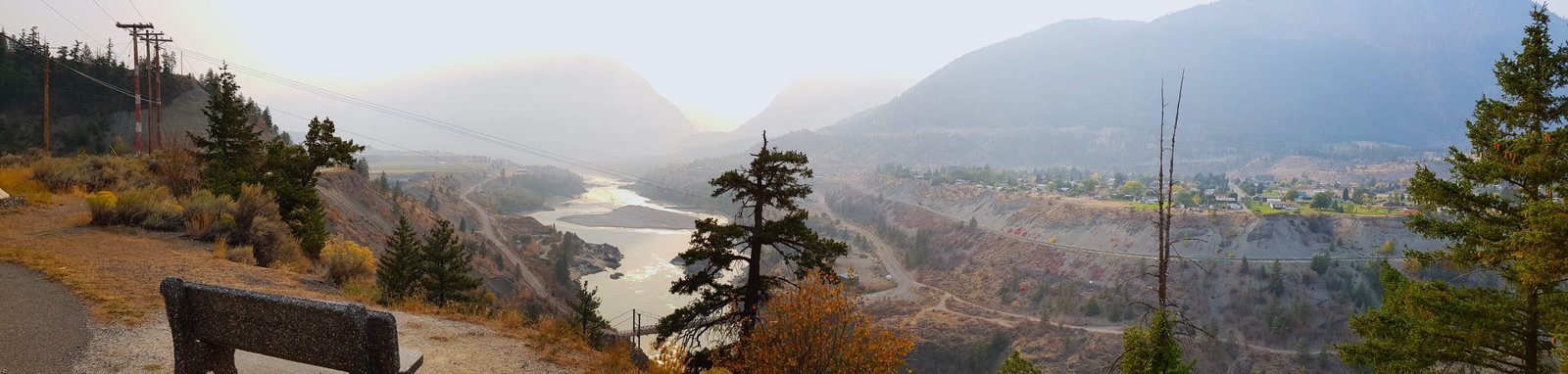
Peyto Lake
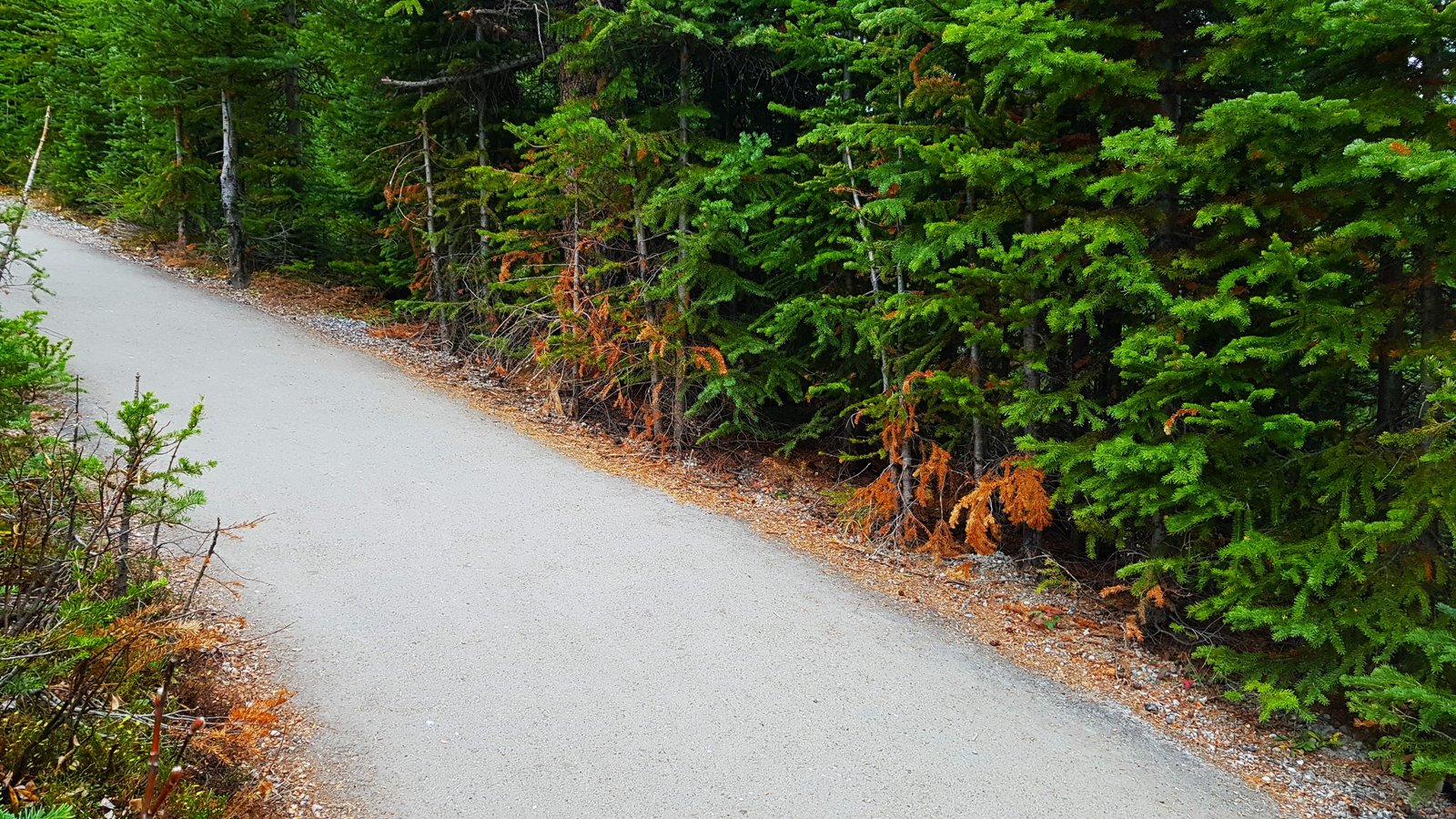
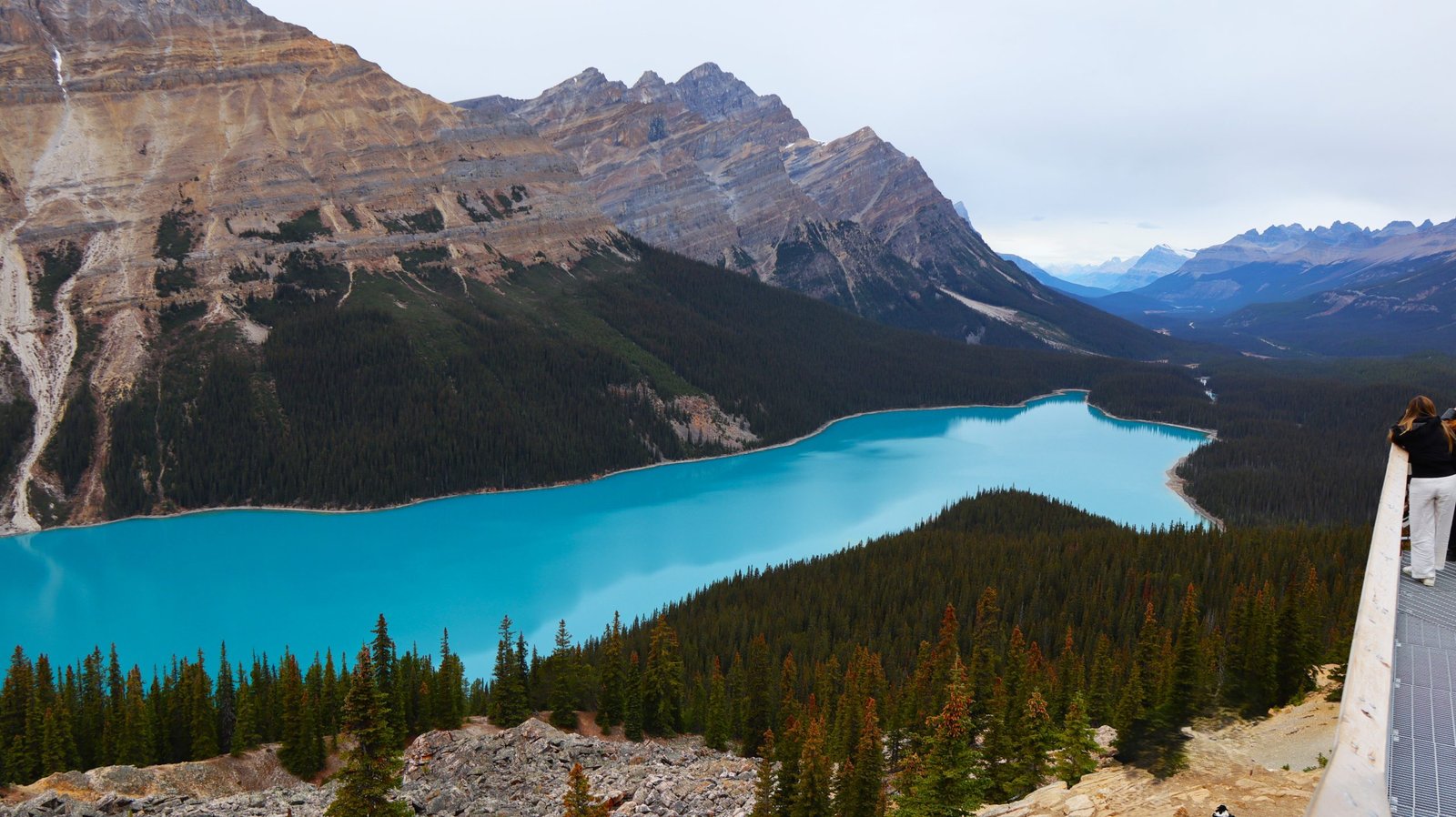
Peyto Lake is regarded as one of the must-see’s of the Icefields Parkway route. The hike up to the lake contains multiple sections of steep paved walkway, interspersed with a few flat spots. Regarded by online sources as “Moderately Challenging” (perhaps to someone who never skips a cardio session), it’s a bit more ‘push’ to someone who’s not used to abrupt climbs. Below is one of the climbing sections not angled out of proportion as you can see by the way the trees are growing.
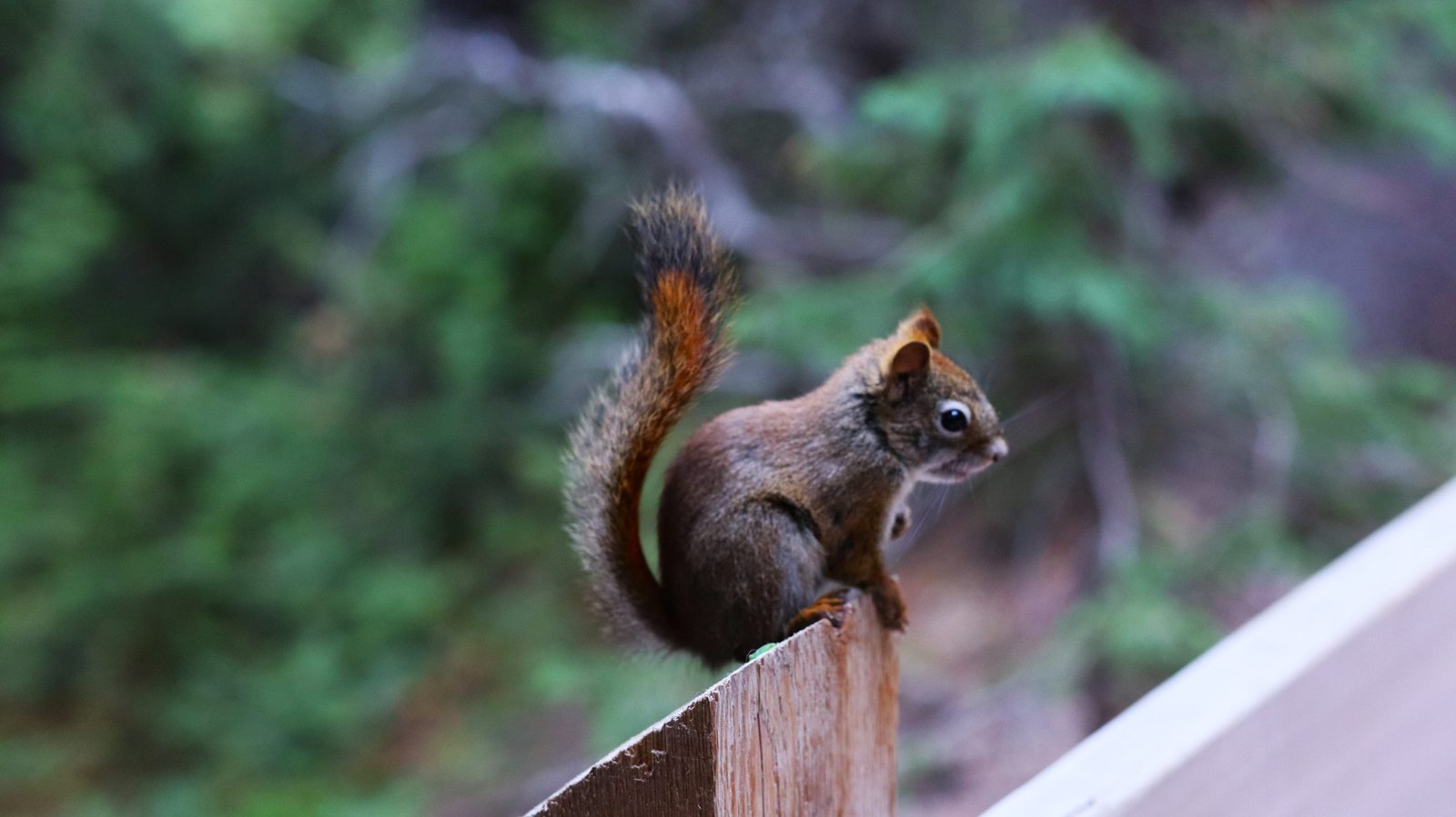
It’s on one of these flat spots that I came across my first squirrell. This tiny thing dashed in front of me as I was catching my breath, and it squeaked as it went, surely muttering something about protecting its nuts or the like. It climbed up a fence post and gave me a unique photo opportunity.
But getting to the top of the trail was worth the effort at the end. A sunny day would’ve been better, but beggars can’t be choosers.
Athabasca Glacier
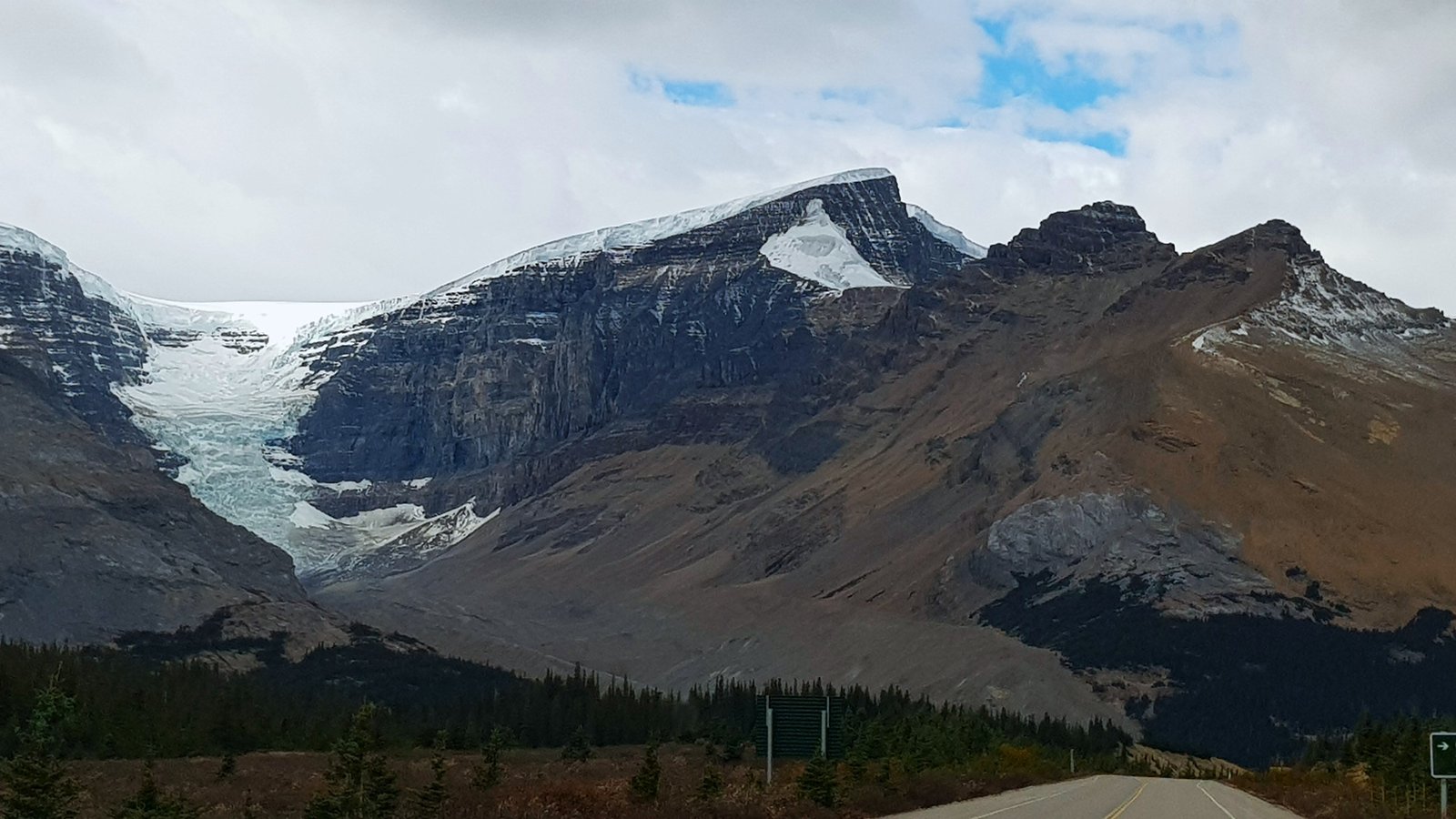
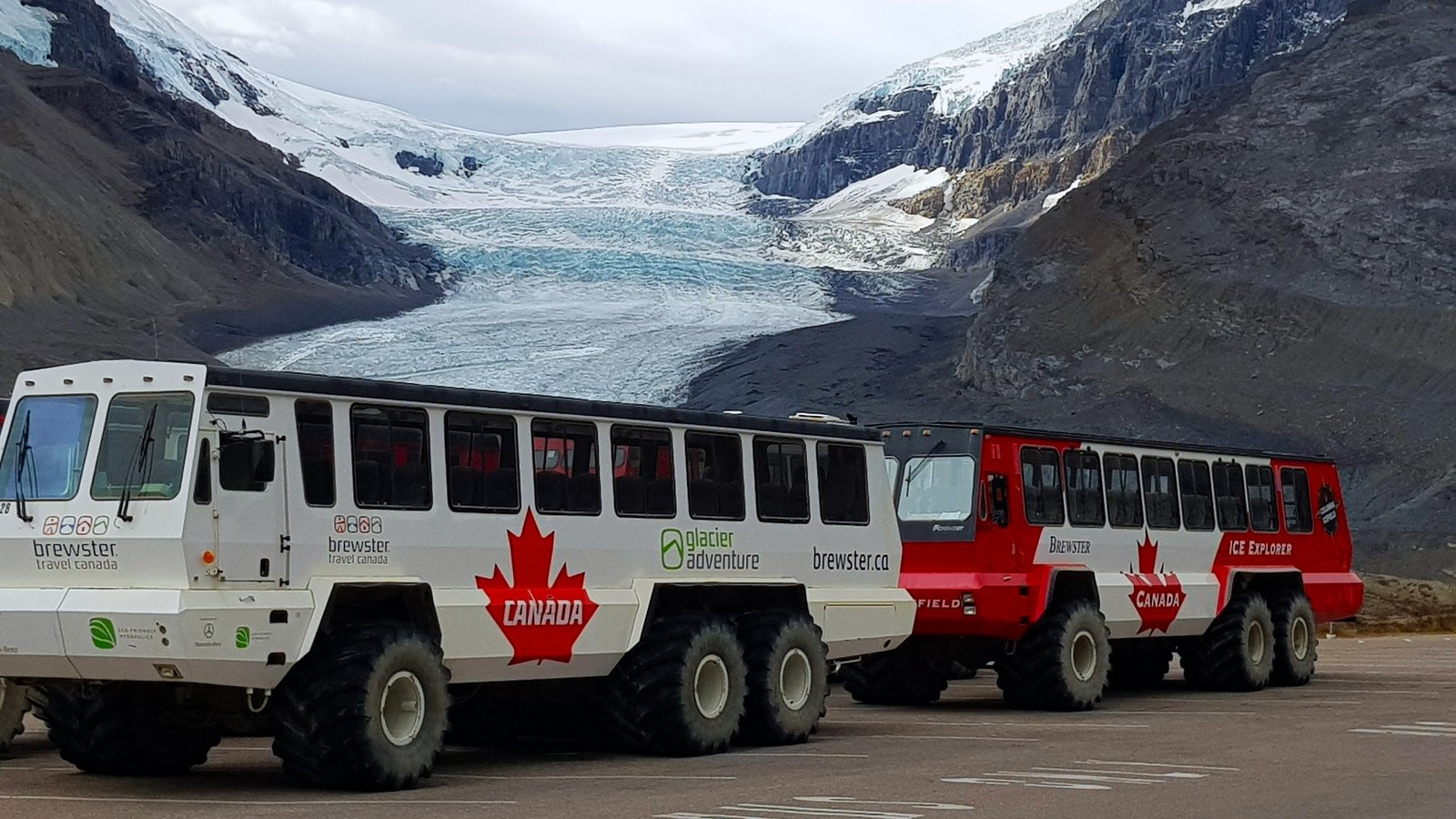
One of the tourists attractions that defined the Icefields Parkway was a trek along the Athabasca Glacier. This was done in large Mercedes-powered transports, outfitted for snow trekking – seating up to 56 people and costing $1.6M apiece. These were out of service when I visited because it was off-season.
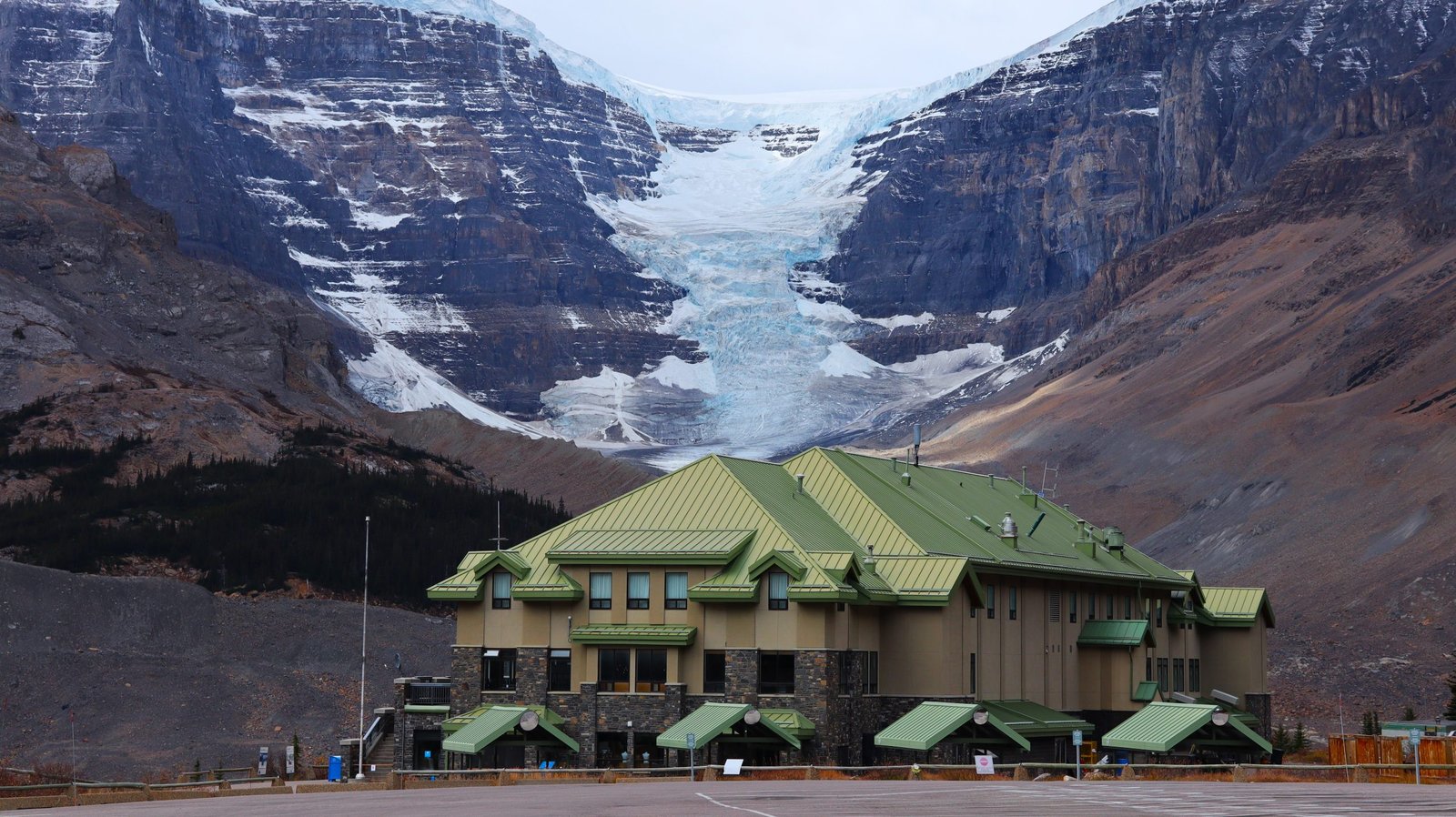
The glacier has been gradually receding for about 125 years, and this was very evident when I visited. Large areas that were once ice-covered now reveal the brown mountain surface that the ice sheet was based on.
Below is the Athabasca Glacier Hotel, contrasting the ice sheet behind and above it.
Athabasca Falls
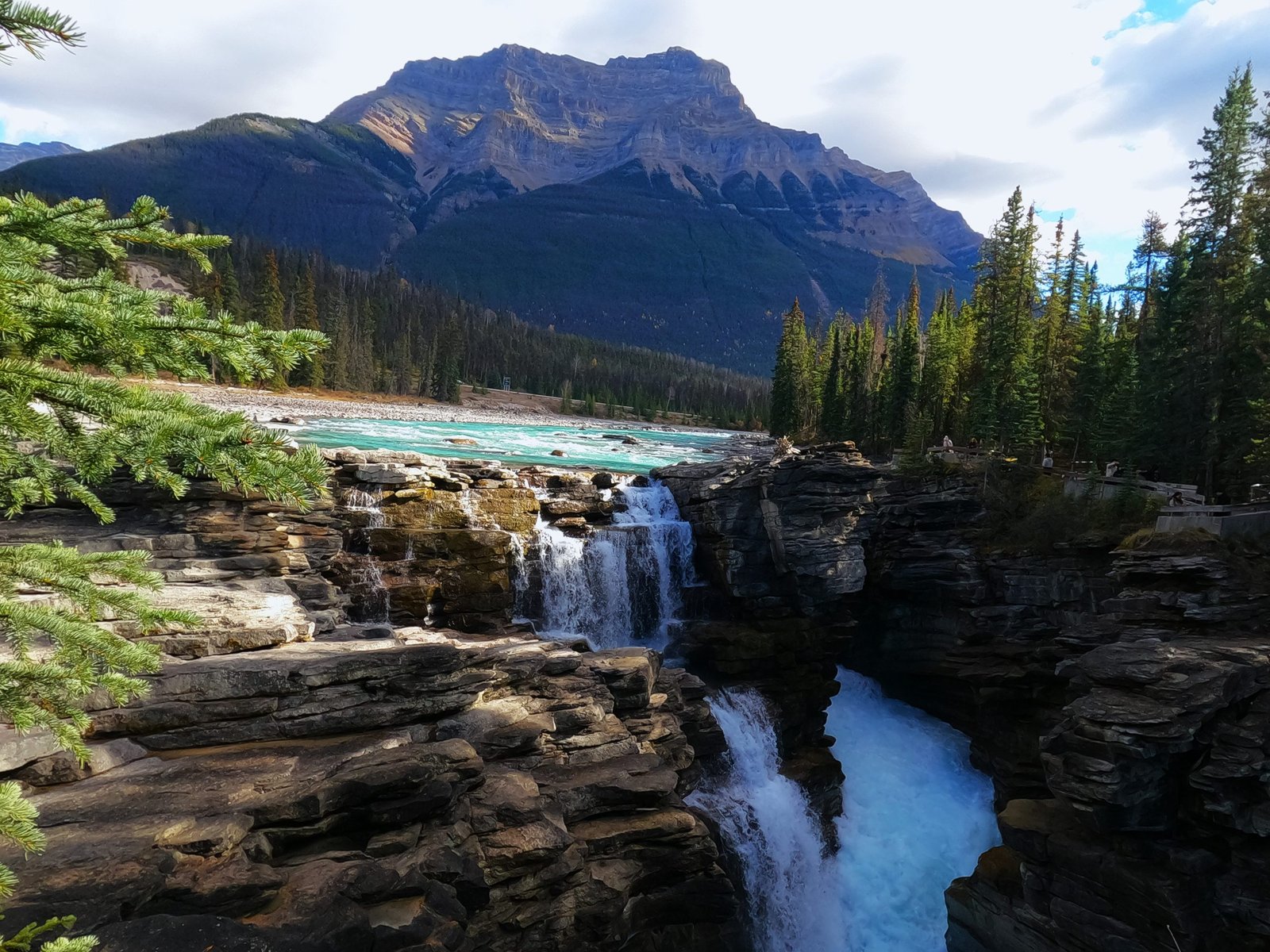
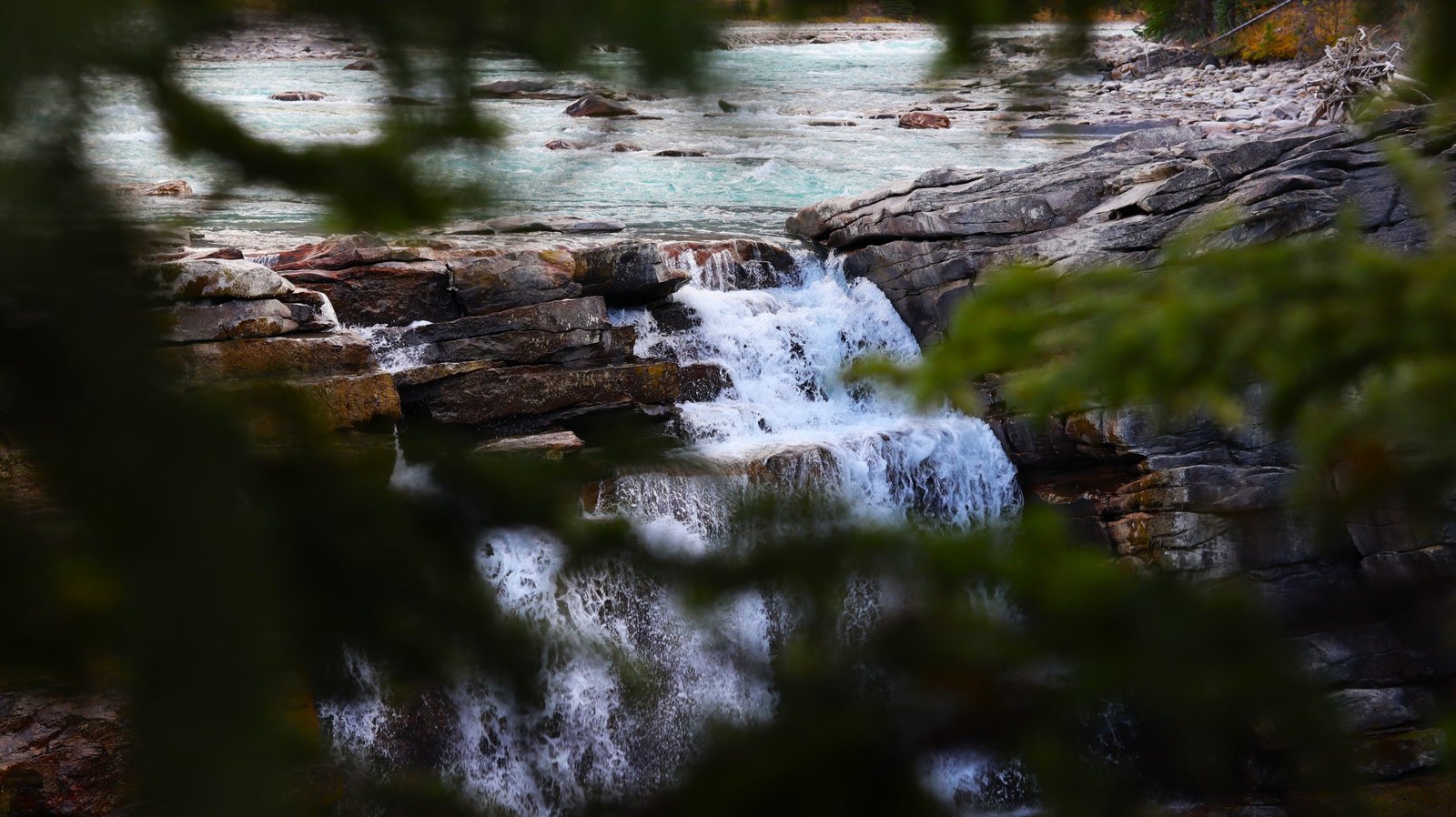
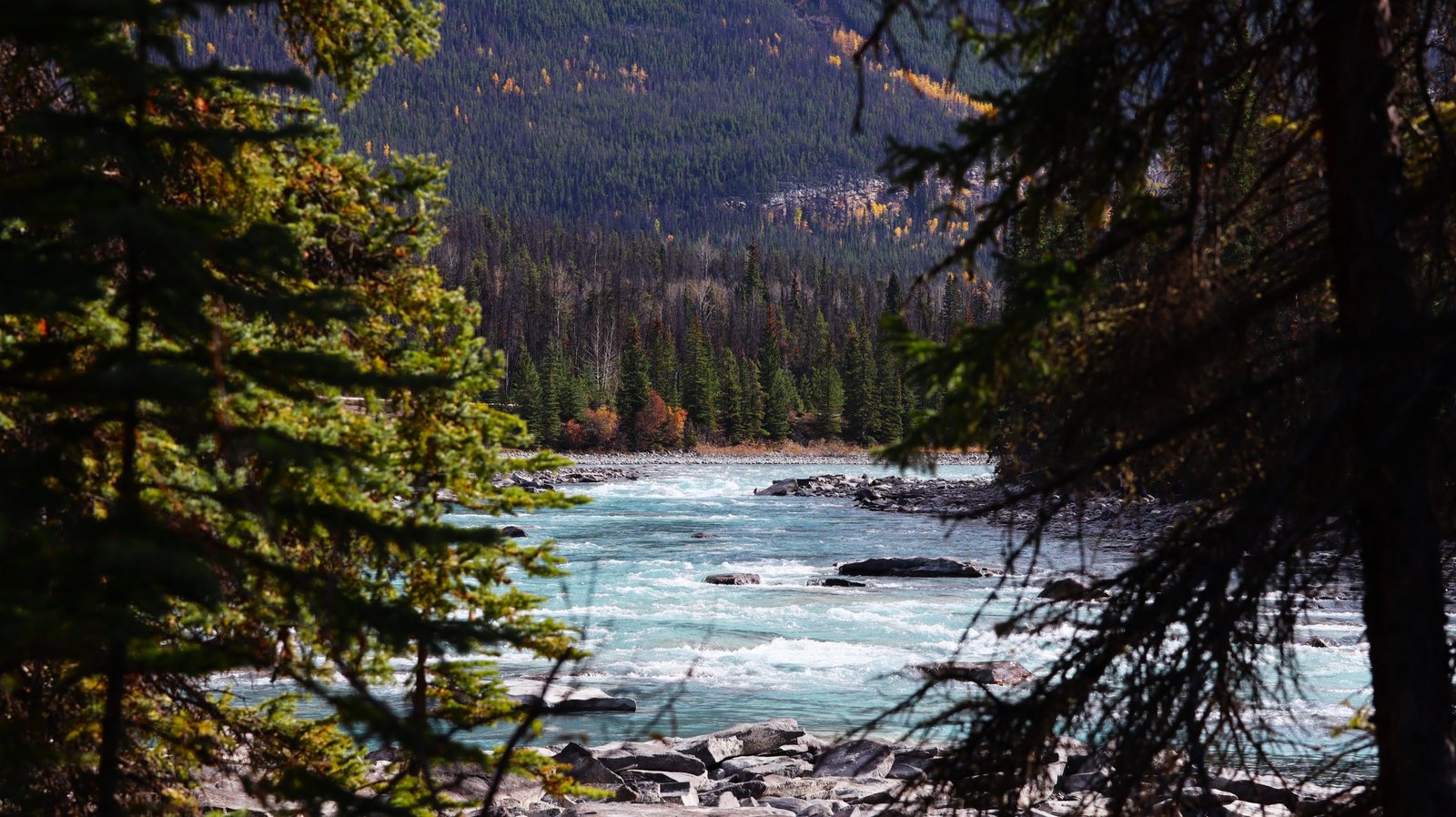
Driven by the Columbia Icefield snowmelt and rainfalls, the Athabasca Falls are a very pretty sight, but can also be quite dangerous. During my time here, the GoPro actually got some of the better shots, with the native wide-angle lens affording the grander scope of these falls, which needed to be captured.
The roar of waterfalls is really quite something. This was taken during Autumn when the falls are fairly tame, so next time I’ll bring ear protection if I visit again and the falls are at their peak.
Again, I need a really sunny day to bring out the turquoise colour of the water, as being cloudy meant this effect was very sporadic.
Jasper AB, Canada
Jasper is one place I was really looking forward to on this trip, not only because of its marvellous scenery and rather high population of fellow Aussies (people that can understand what you’re saying!!), but also because of the famed Skytram, and this trip was timed around the Jasper Dark Sky Festival (Sept/Oct each year). Jasper is a Dark Sky Preserve, one of a handful of truly dark sky (minimal-to-no light pollution) areas in the world.
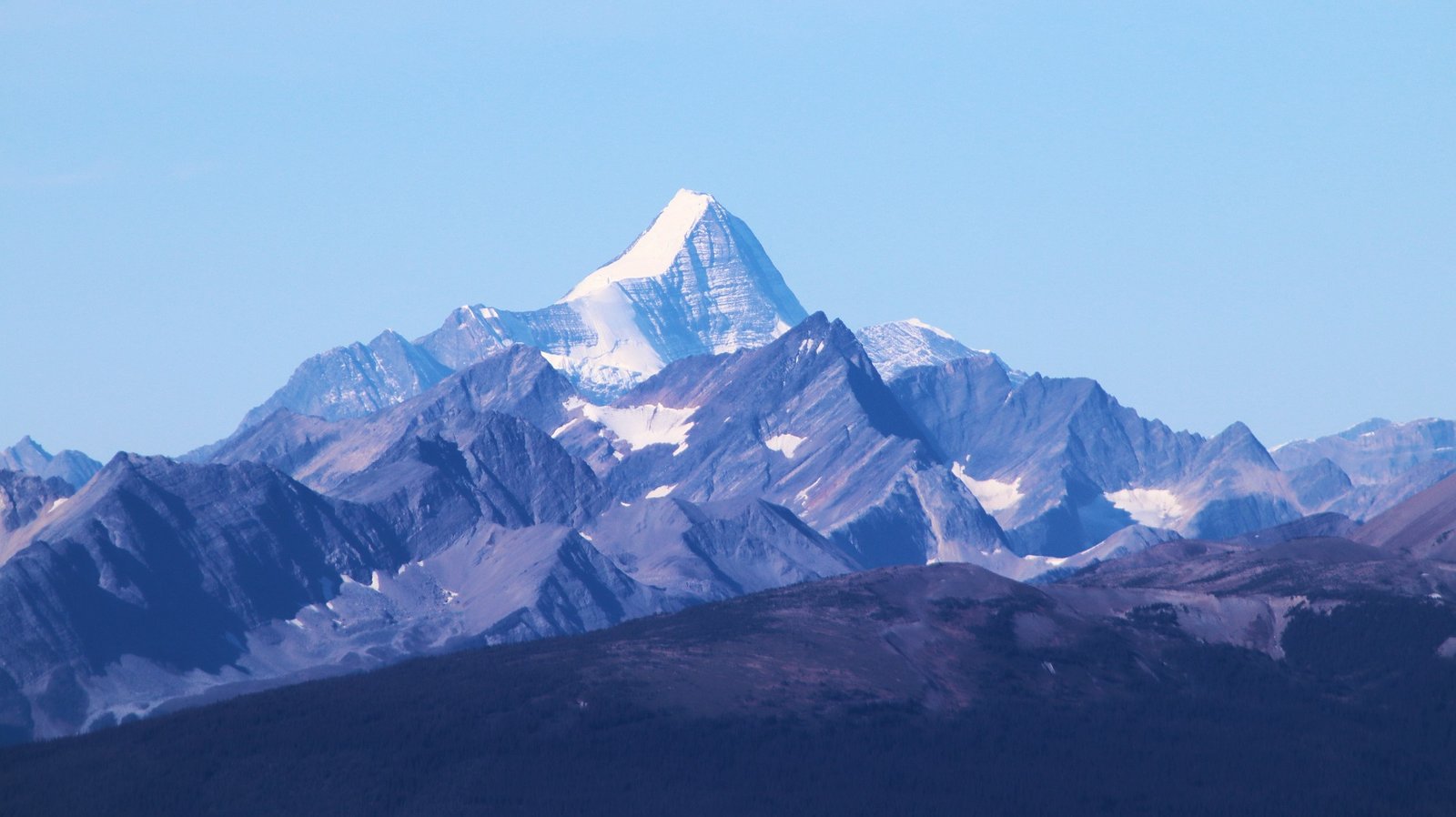
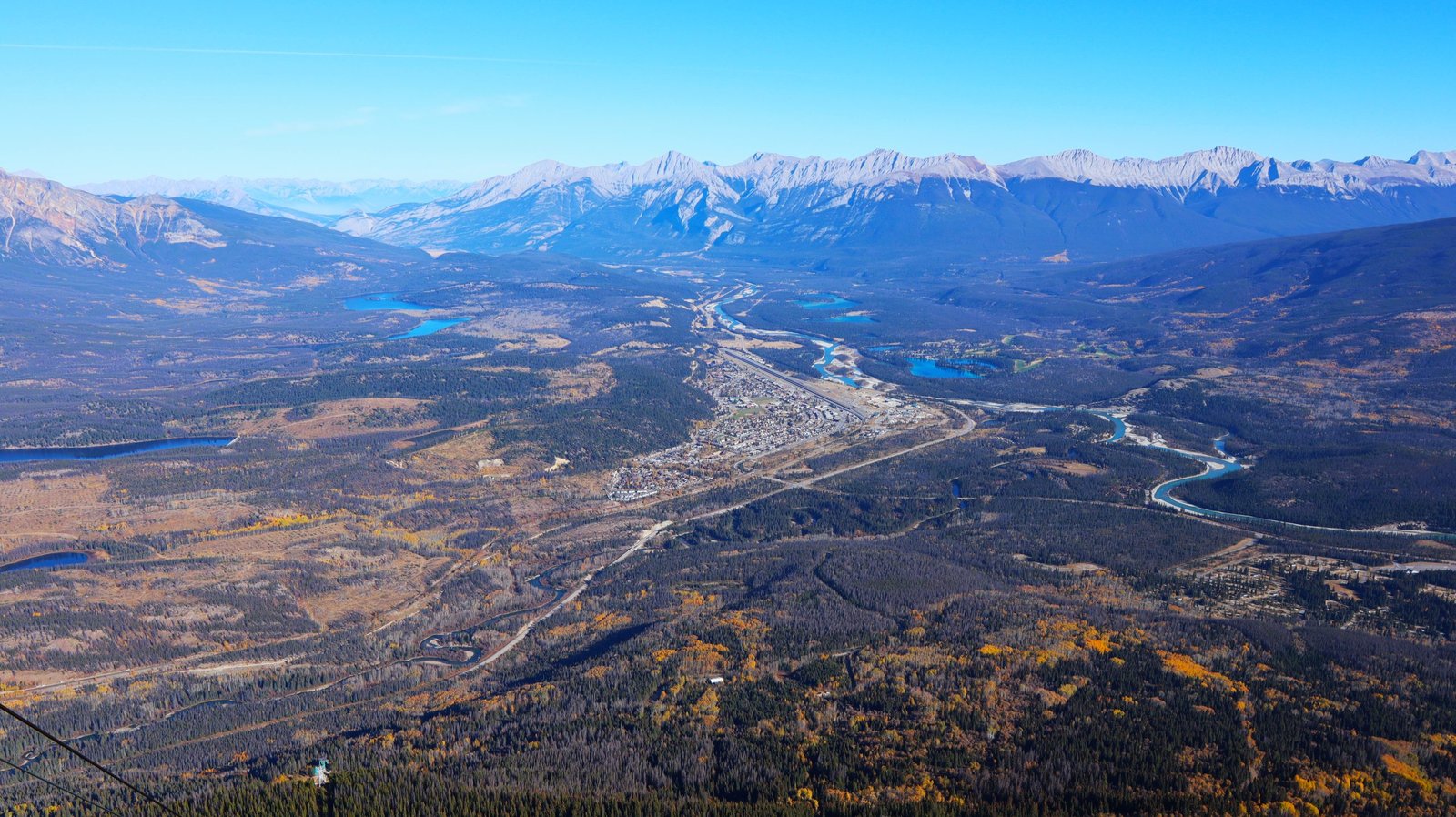
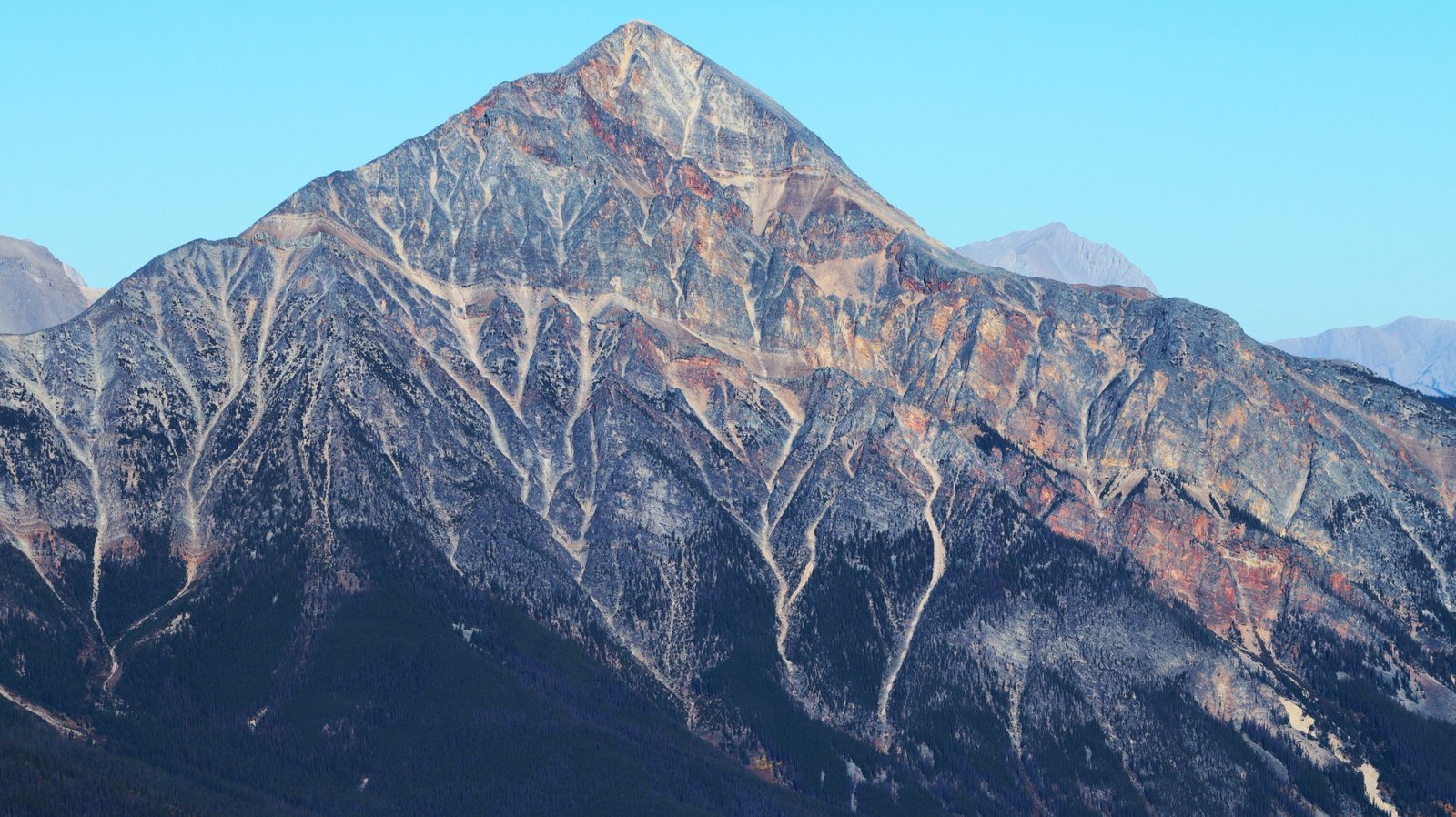
My visit on the Skytram turned out to be a rather special one, as Mt Robson (highest peak in the Canadian Rockies, almost 4km above sea-level) was completely in view. It’s rare that this happens as this mountain is so high that it often creates its own weather systems, and thus is usually obscured by cloud.
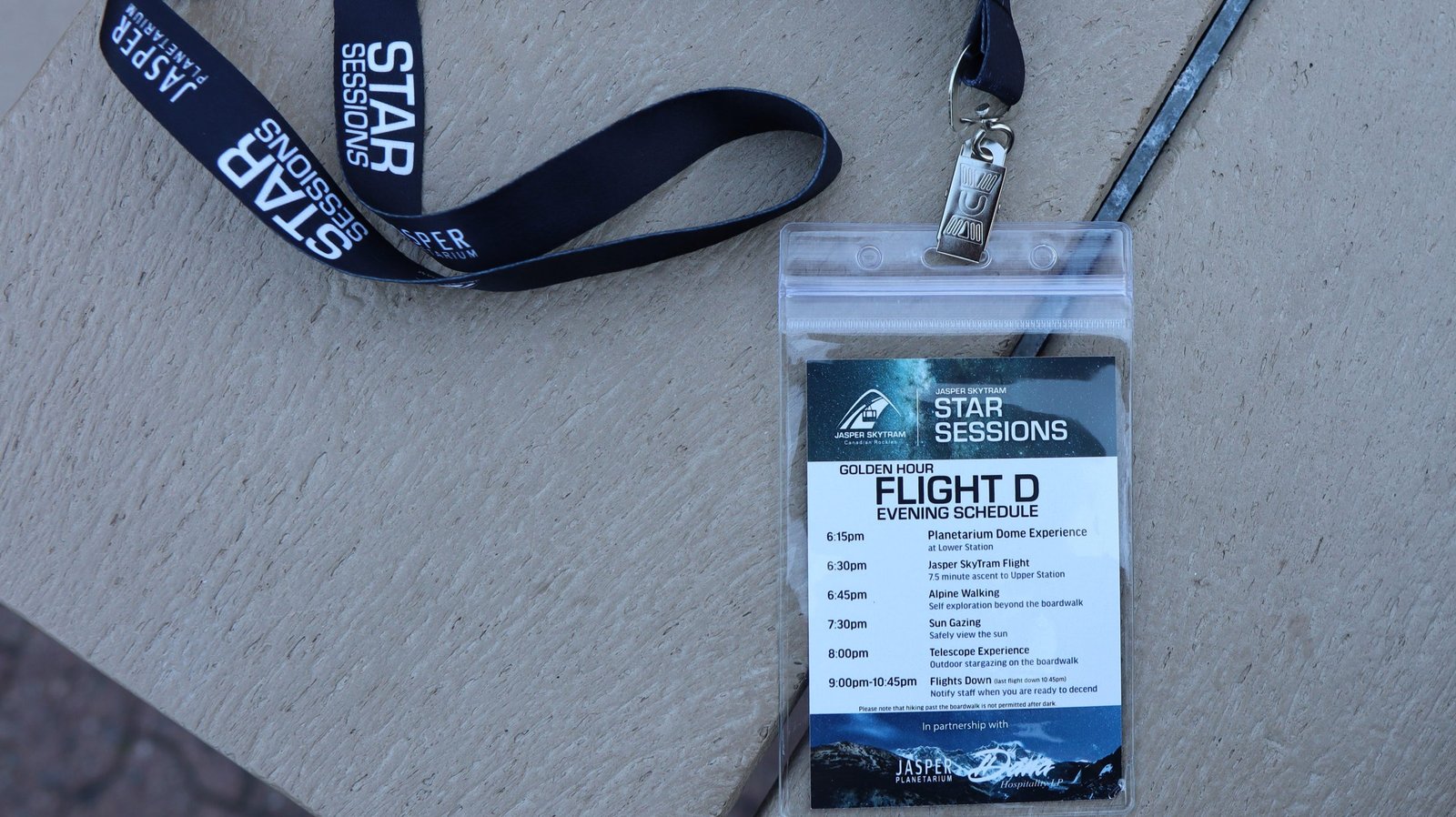
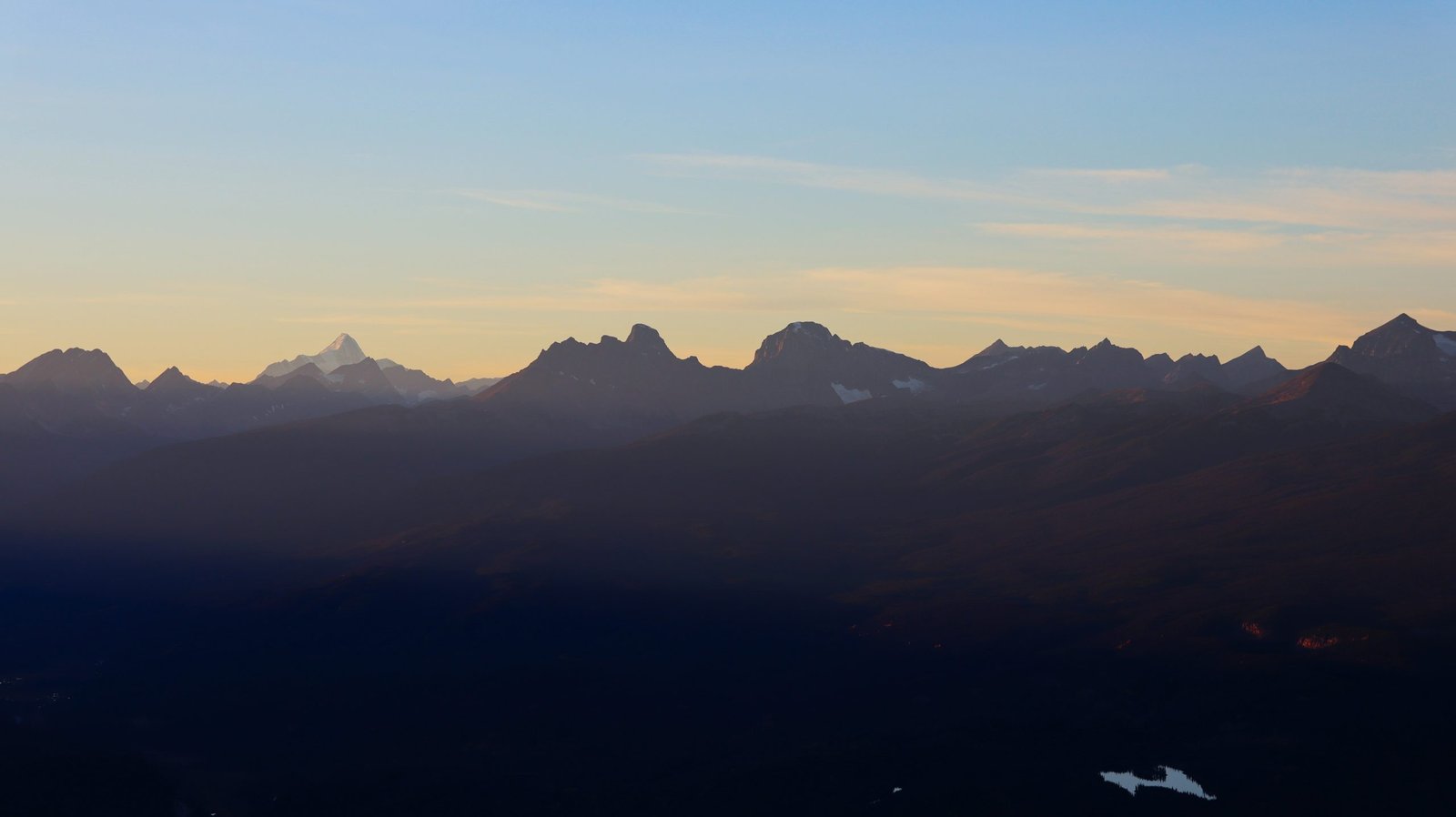
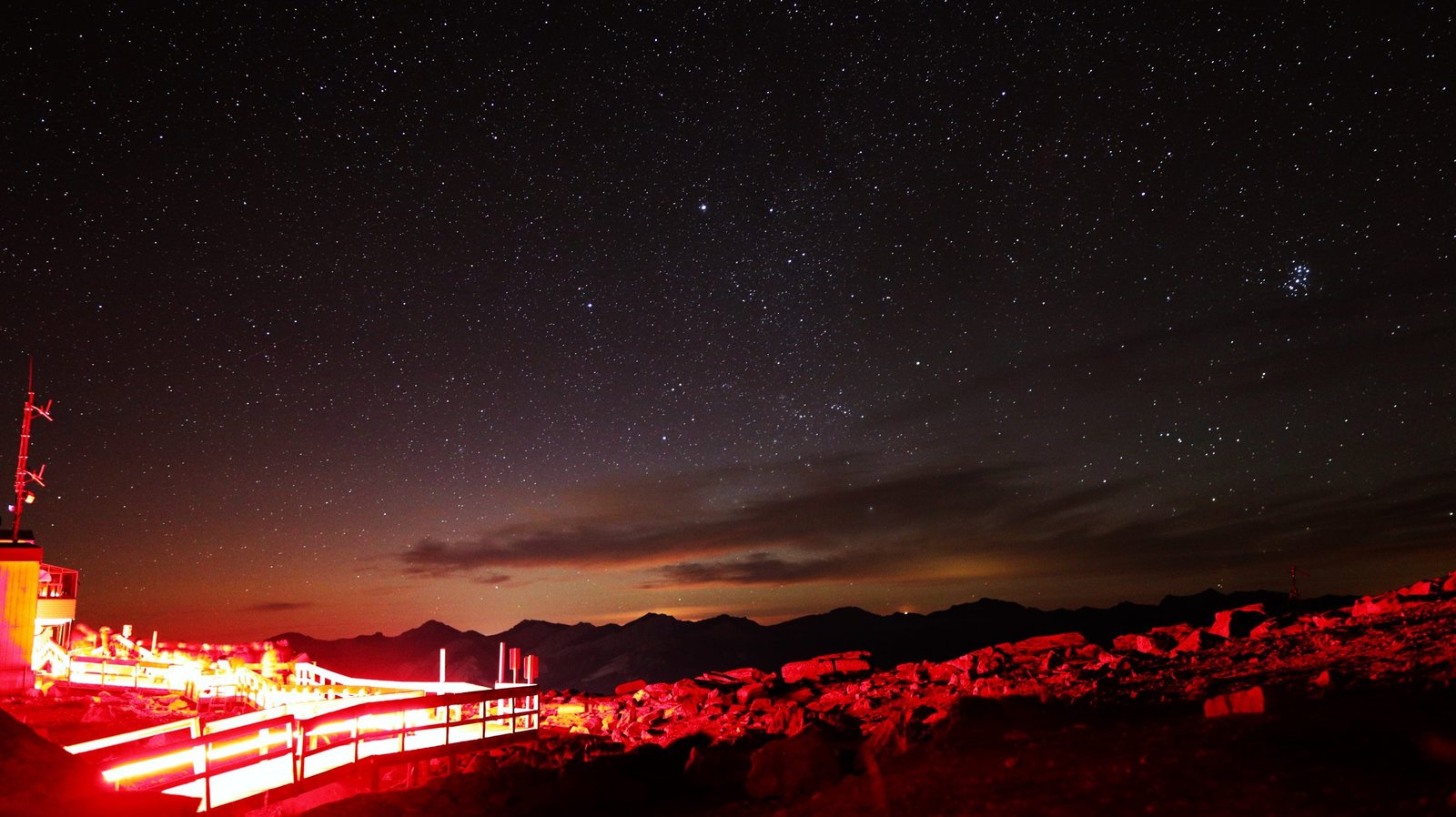
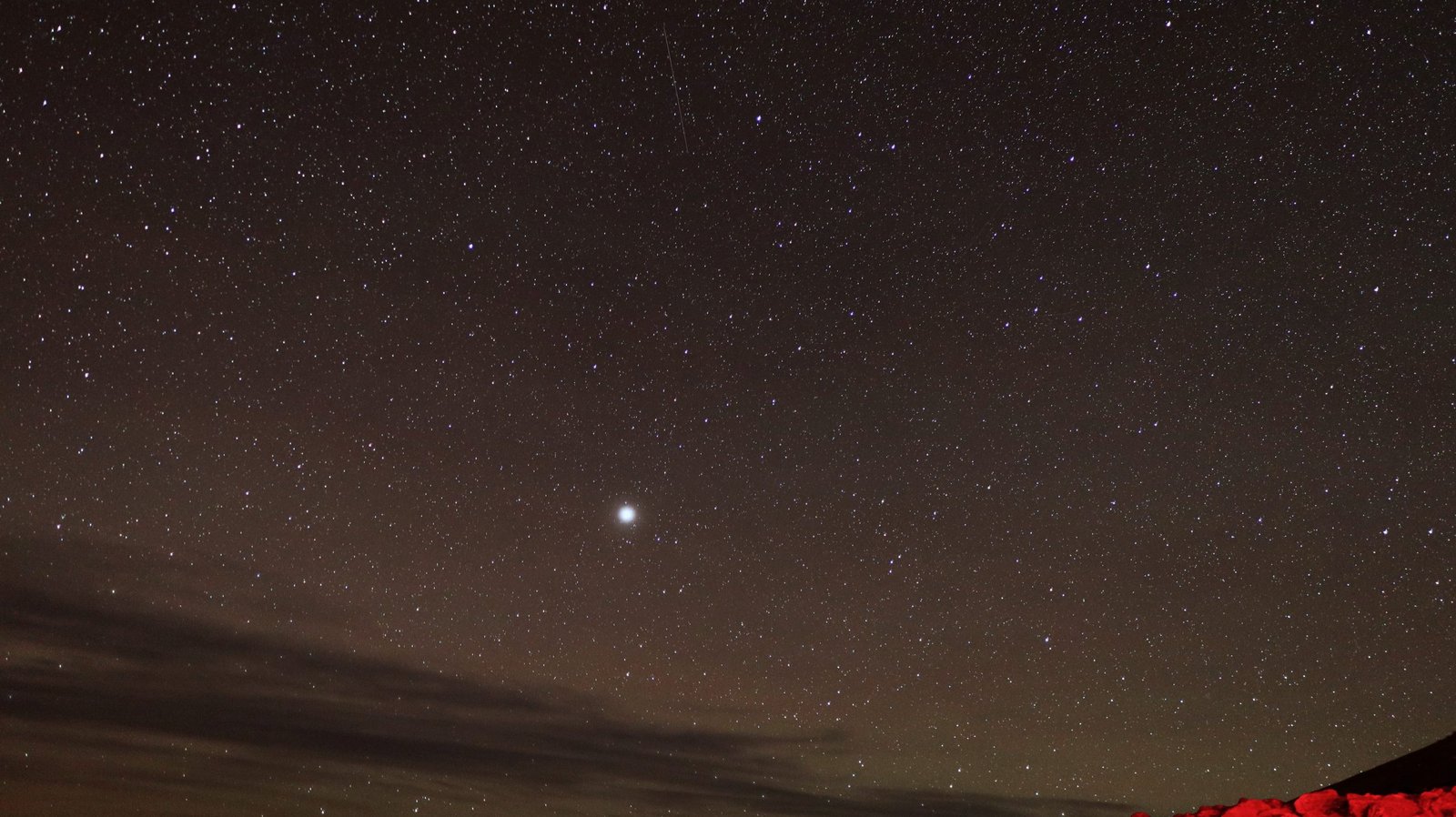
Because it was such a clear day with minimal cloud and great visibility, the tour guide thought it might be possible to catch an aurora during the night. Sadly, this didn’t happen, although the tour groups on the previous night got a nice green aurora. I was happy to be up among the stars, and it really is a surreal feeling to be up there at night – the stars do feel closer to you than at ground level, but essentially, you haven’t gained that much altitude.
I did meet someone that had a telescope and a gallery of images from night sky photography, a fellow shutterbug called Matt Quiring (Insta: @mattquiringphotography) that specialises in nightscapes and timelapse photos – and he had quite a gallery to display.
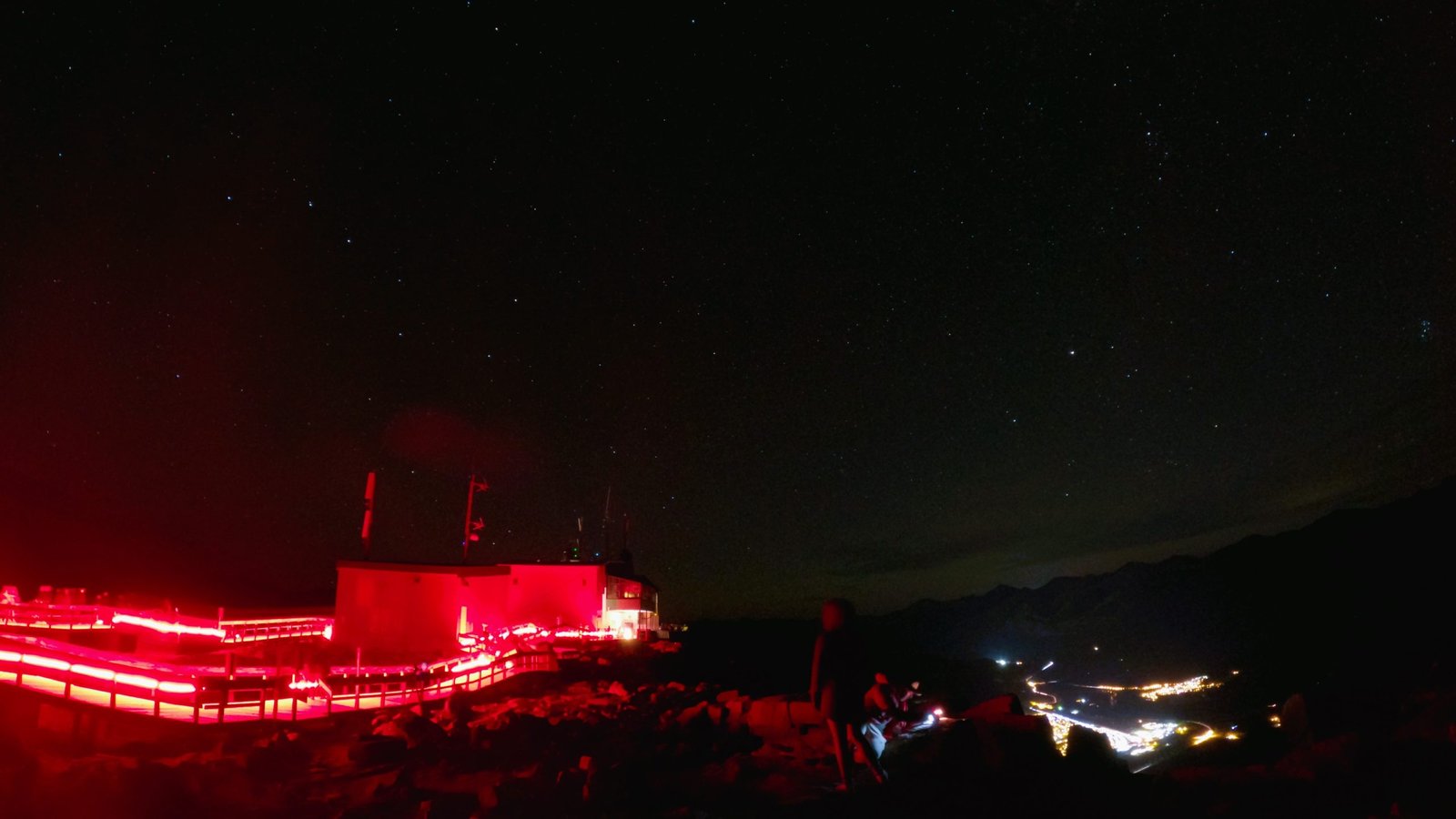
I did what I could to get my own nightlapse photography with the GoPro, a tripod and plenty of time. This shot (right) shows the clear night sky with the moon behind the mountain range. The image needed to be cleaned up in post because of the pervasive red glow from the boardwalk safety lighting.
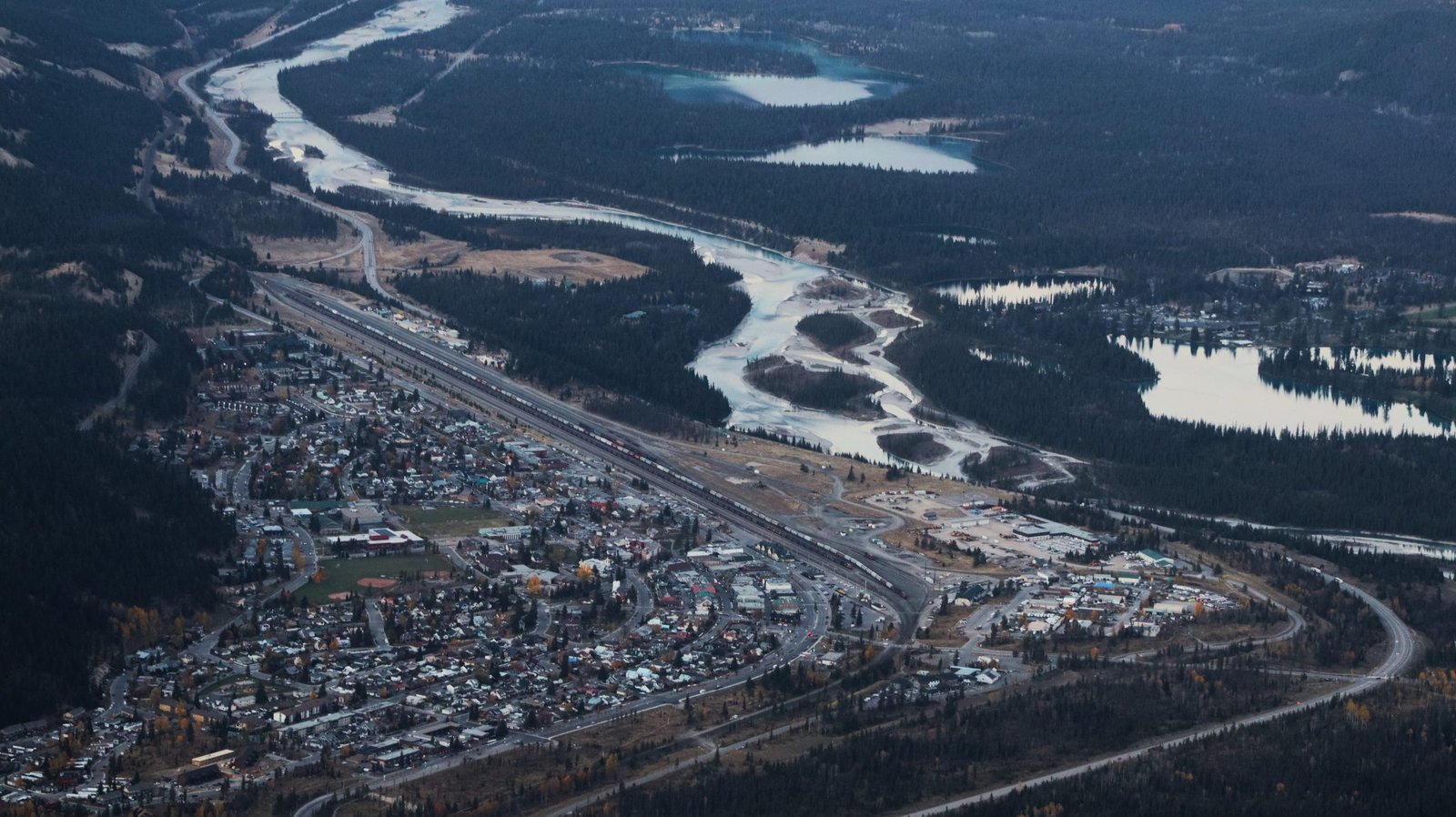
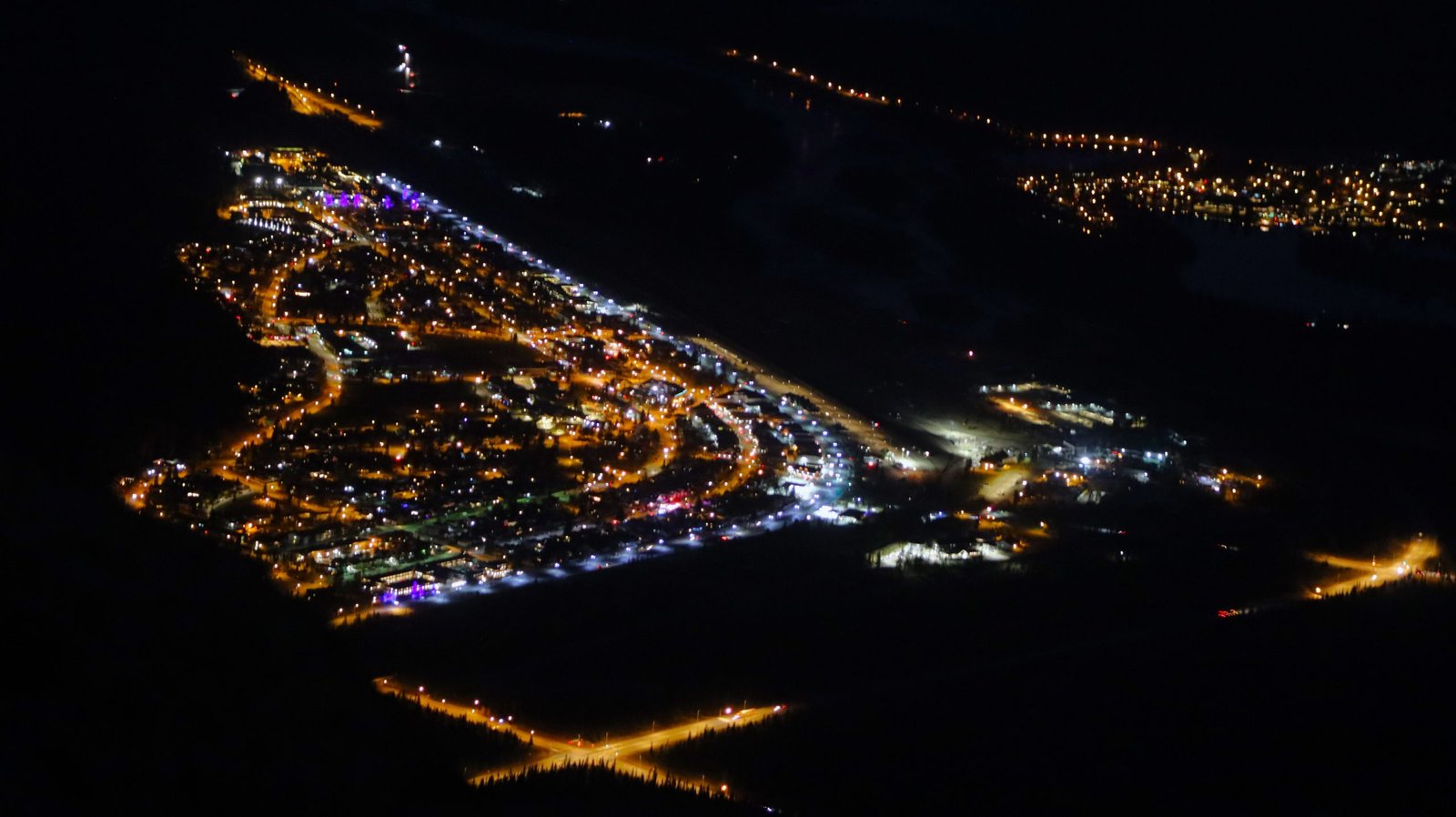
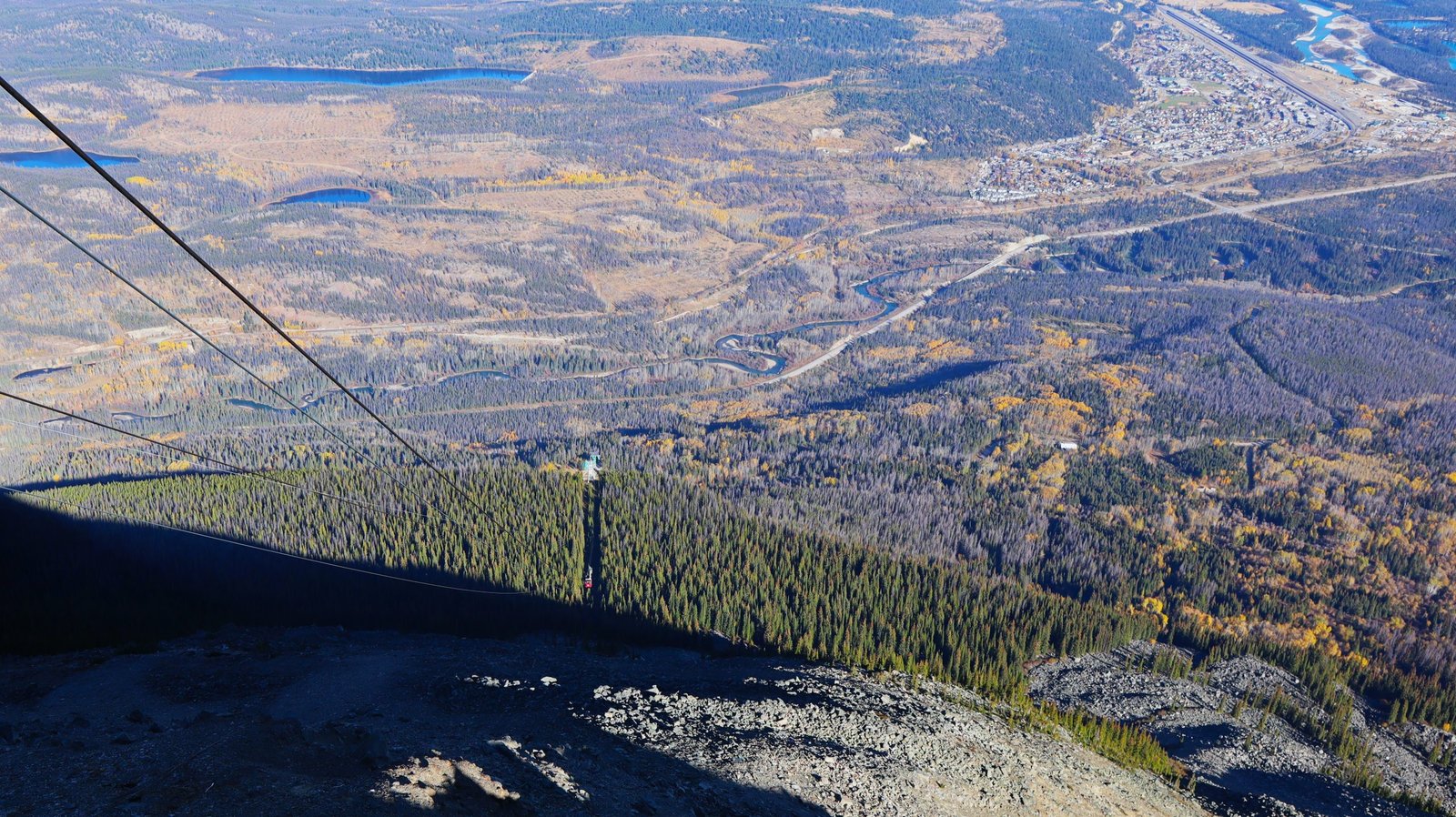
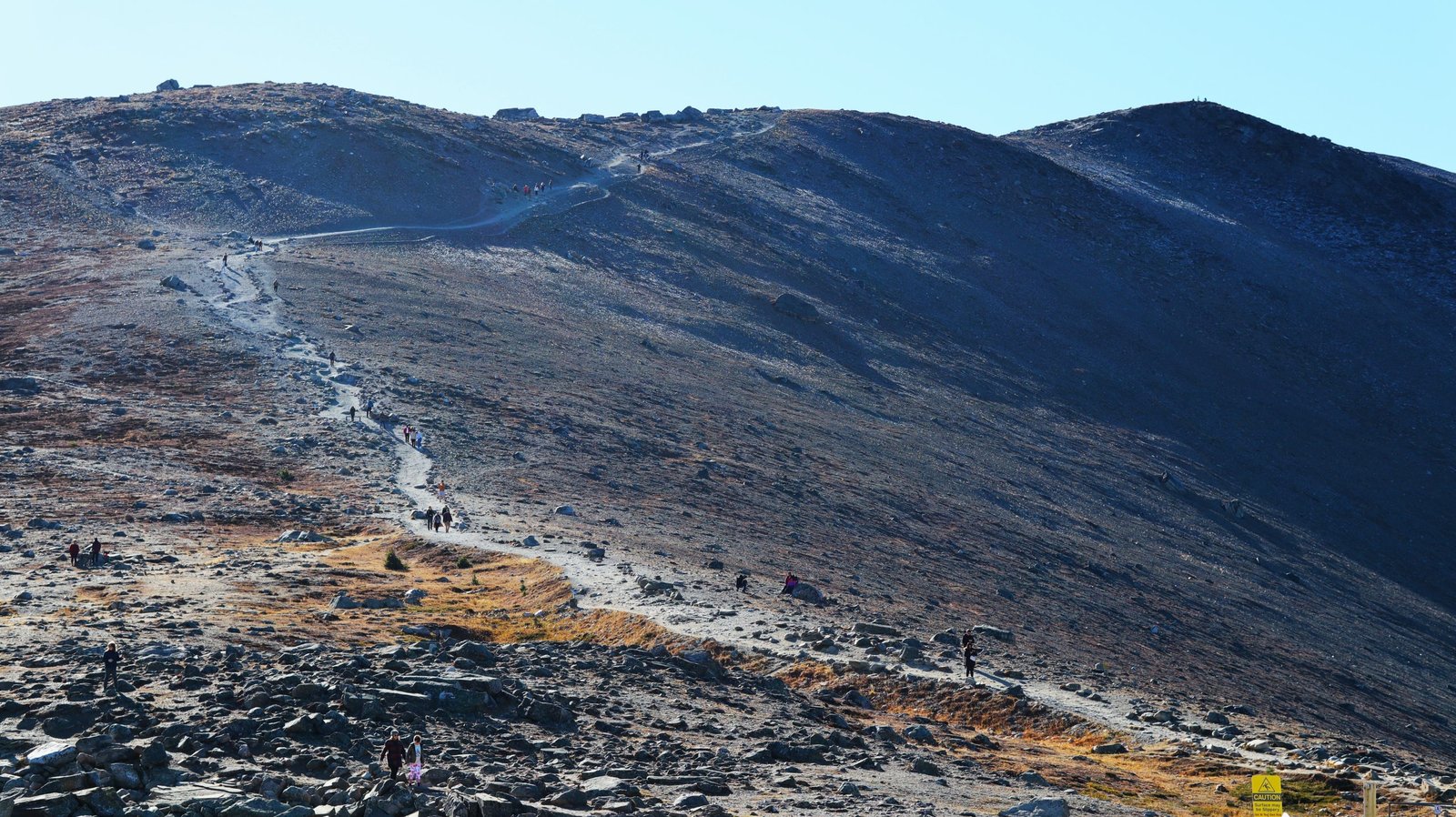
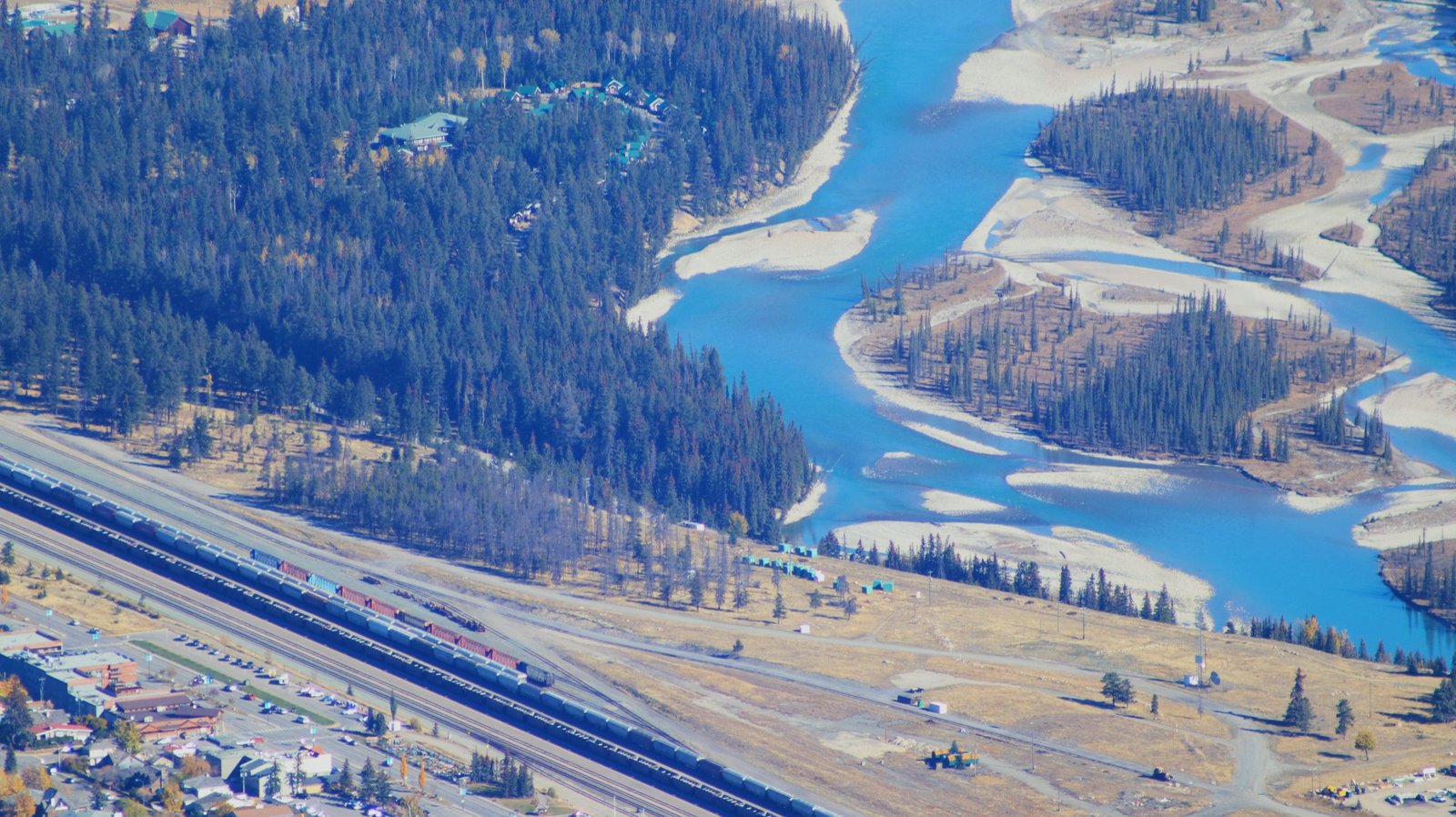
Jasper as seen by day (left) and night (right) from Whistler’s Mountain, accessed by the Skytram.
Whistler BC, Canada
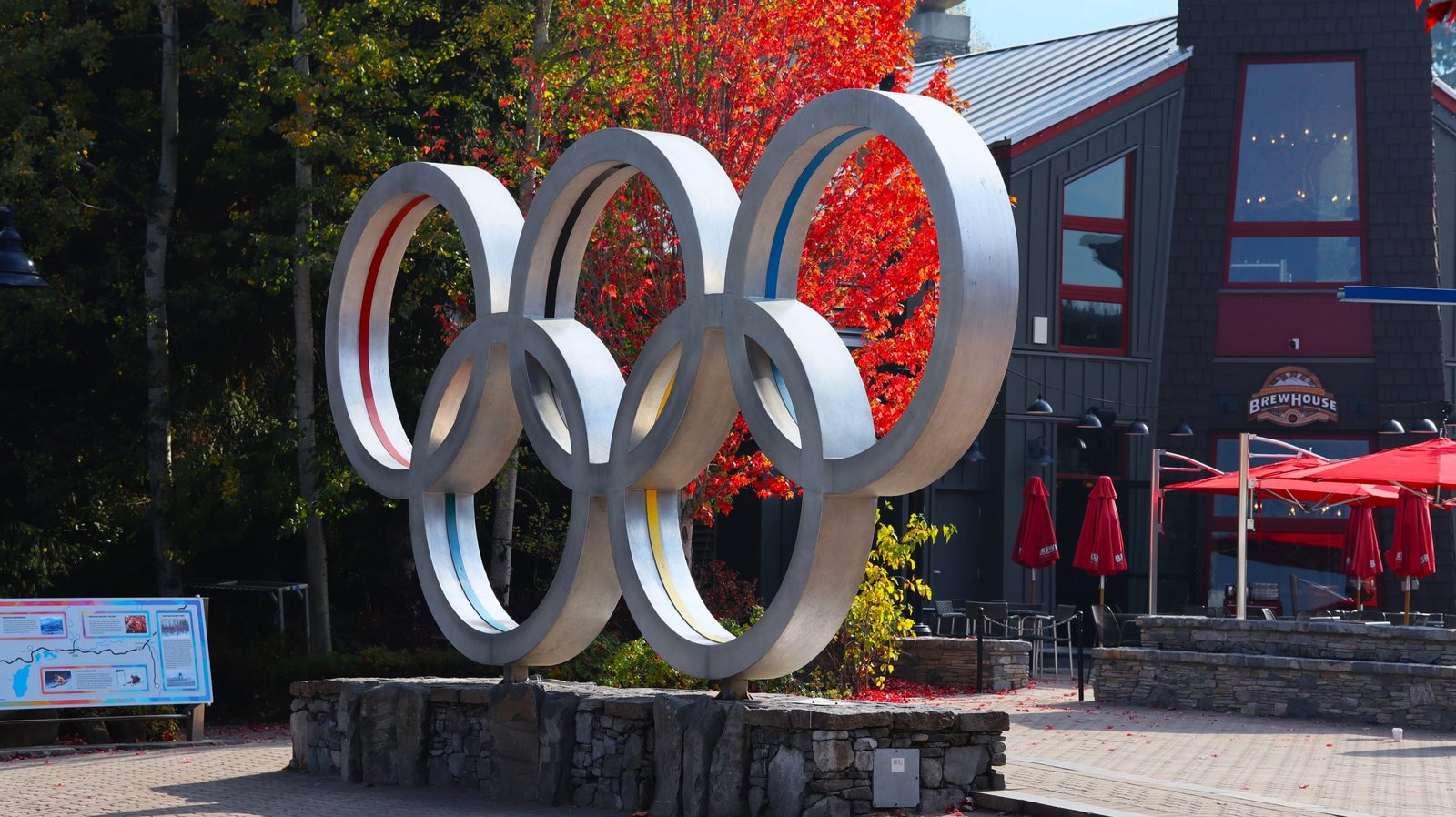
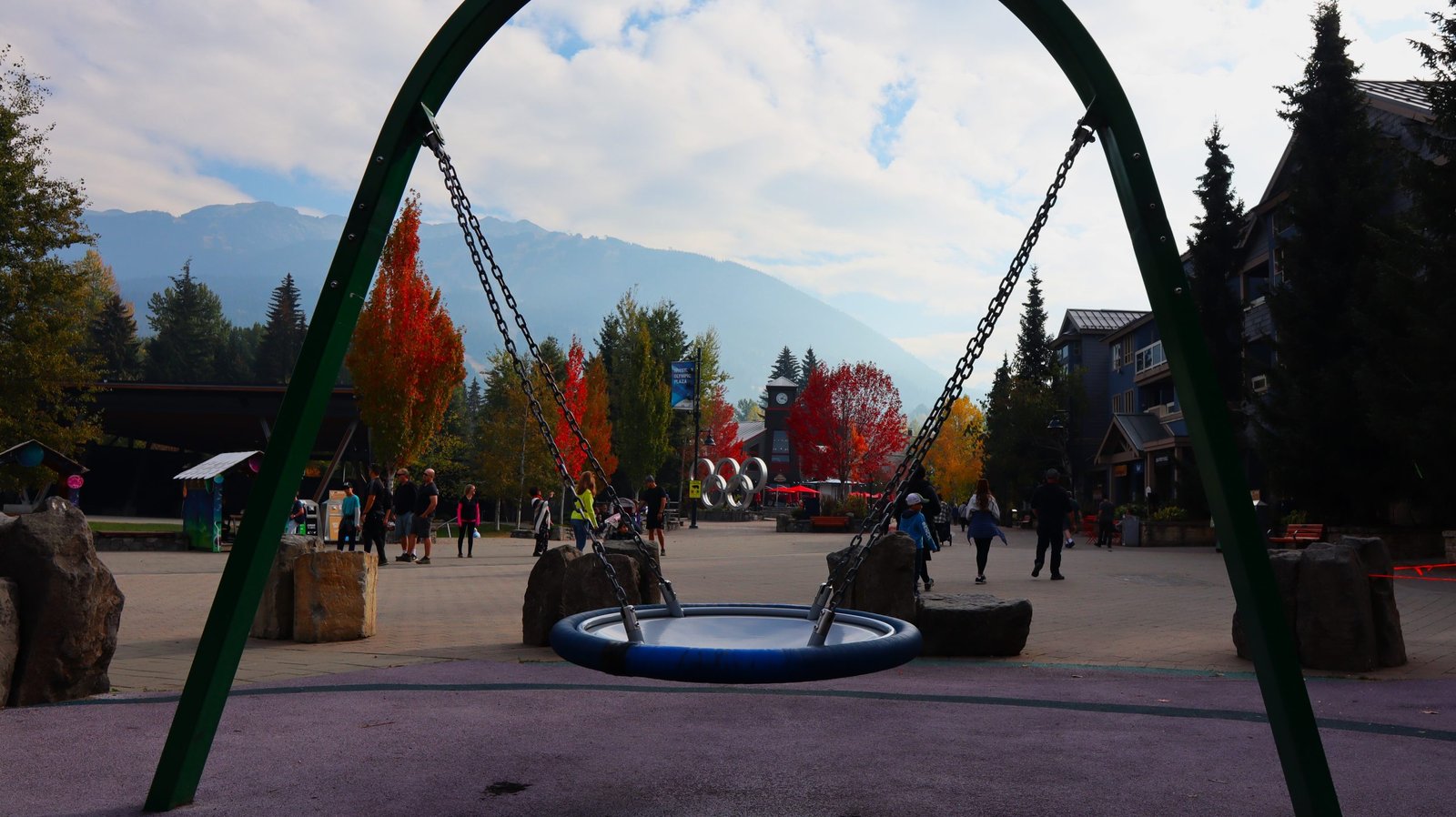
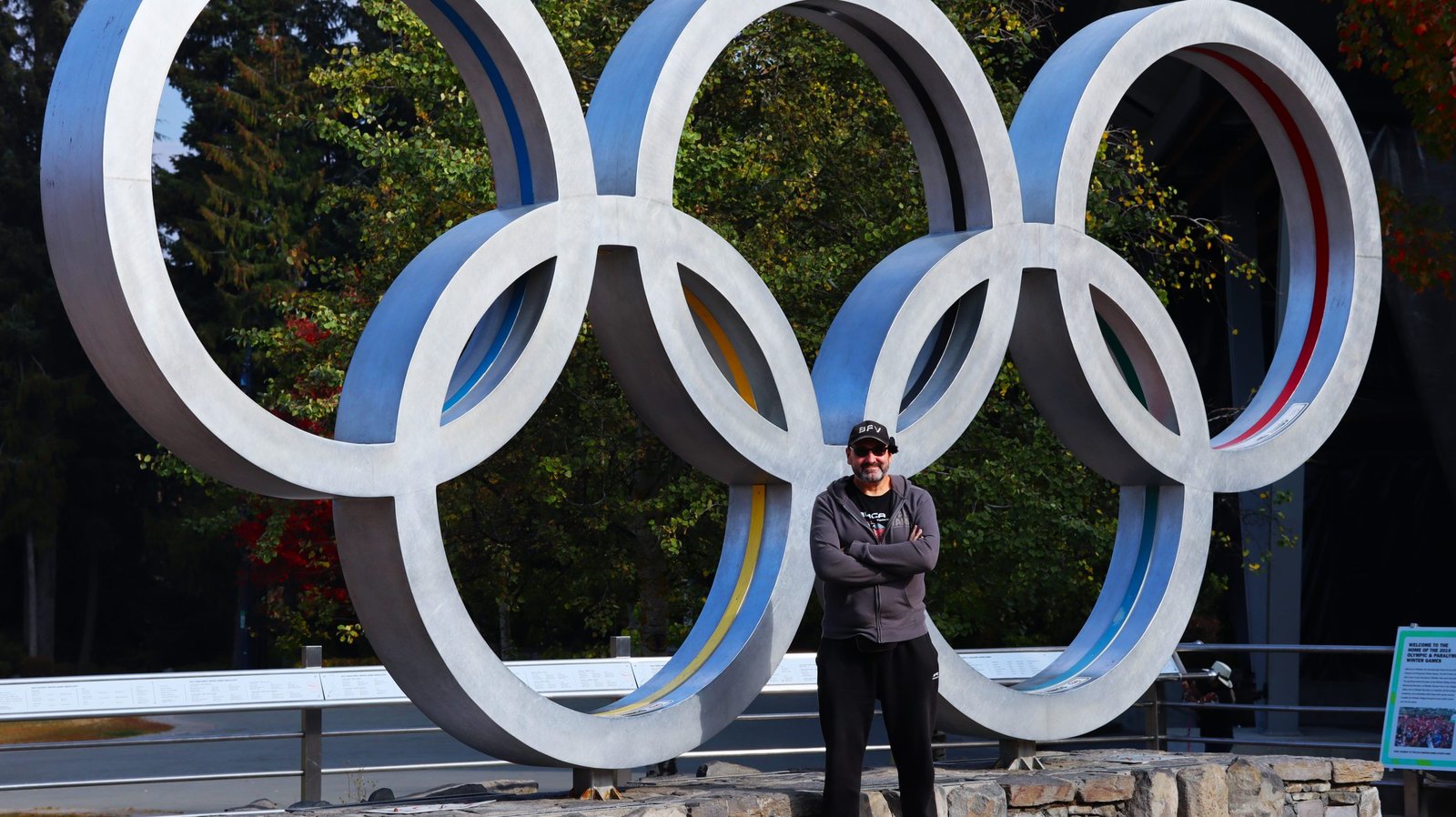
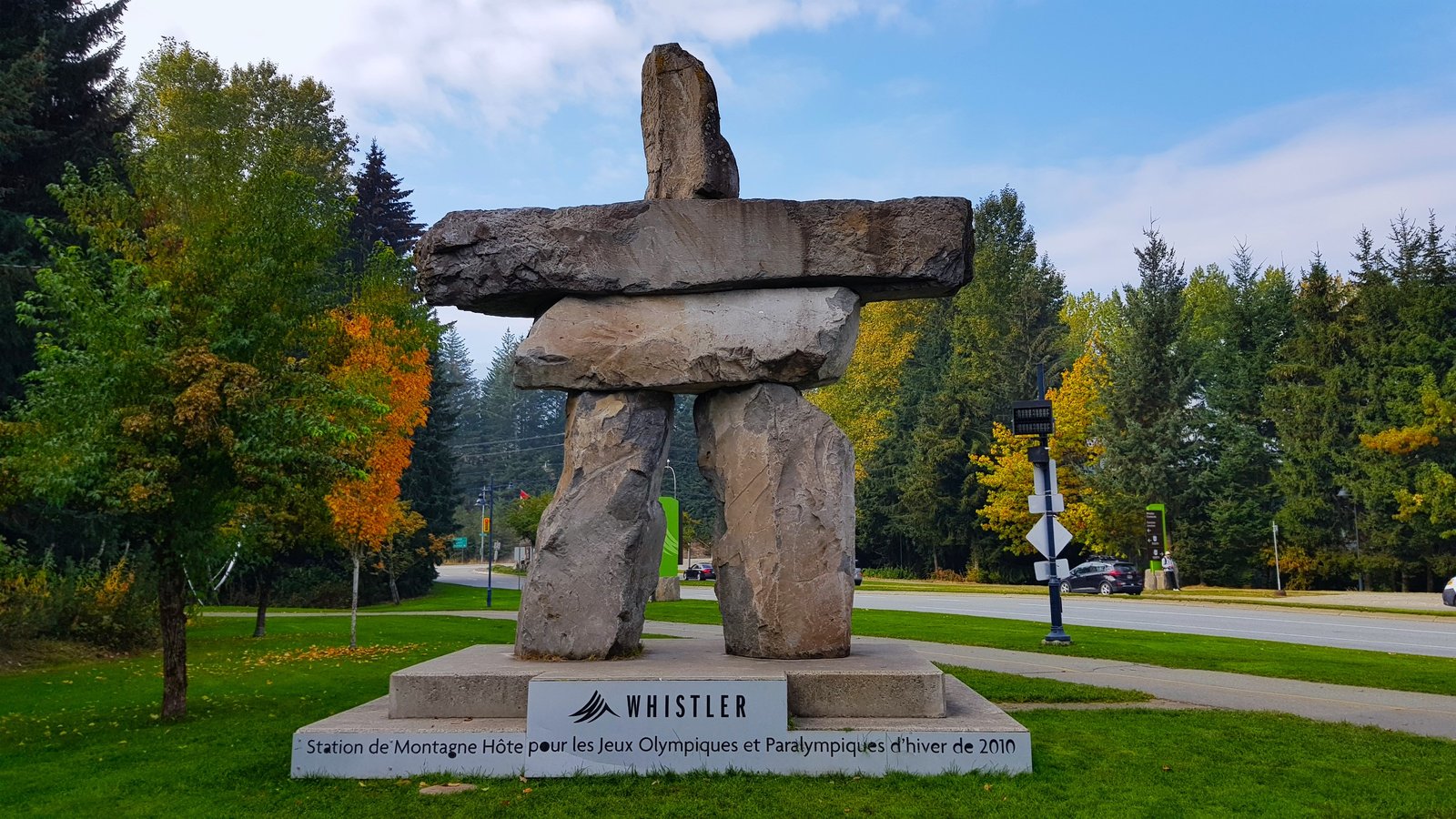
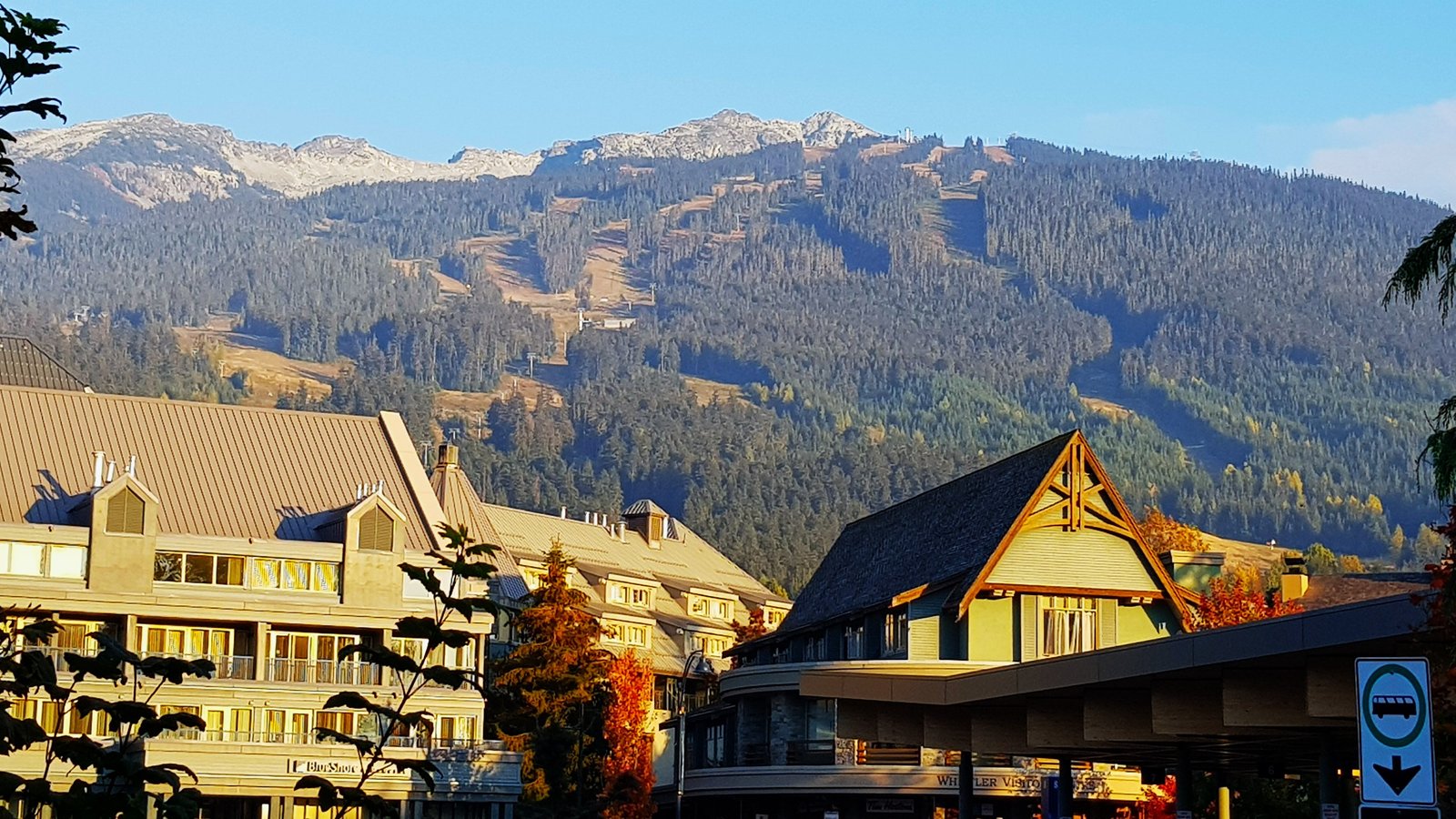
Home of the 2010 Winter Olympic Games, Whistler (19th Century Euro settlers called it “London Mountain”), is a thriving mini-metropolis of nearly 14,000 residents, and more than 2 million visitors yearly. Originally settled by the indigenous Squamish and Lil’wat peoples, Whistler has seen rapid development which was partly spurred on by Olympic Games participation/hosting.
This is another place where you’ll find a decent percentage of Australians, some of which are residents and ex-pat’s that came because of the booming tourism industry.
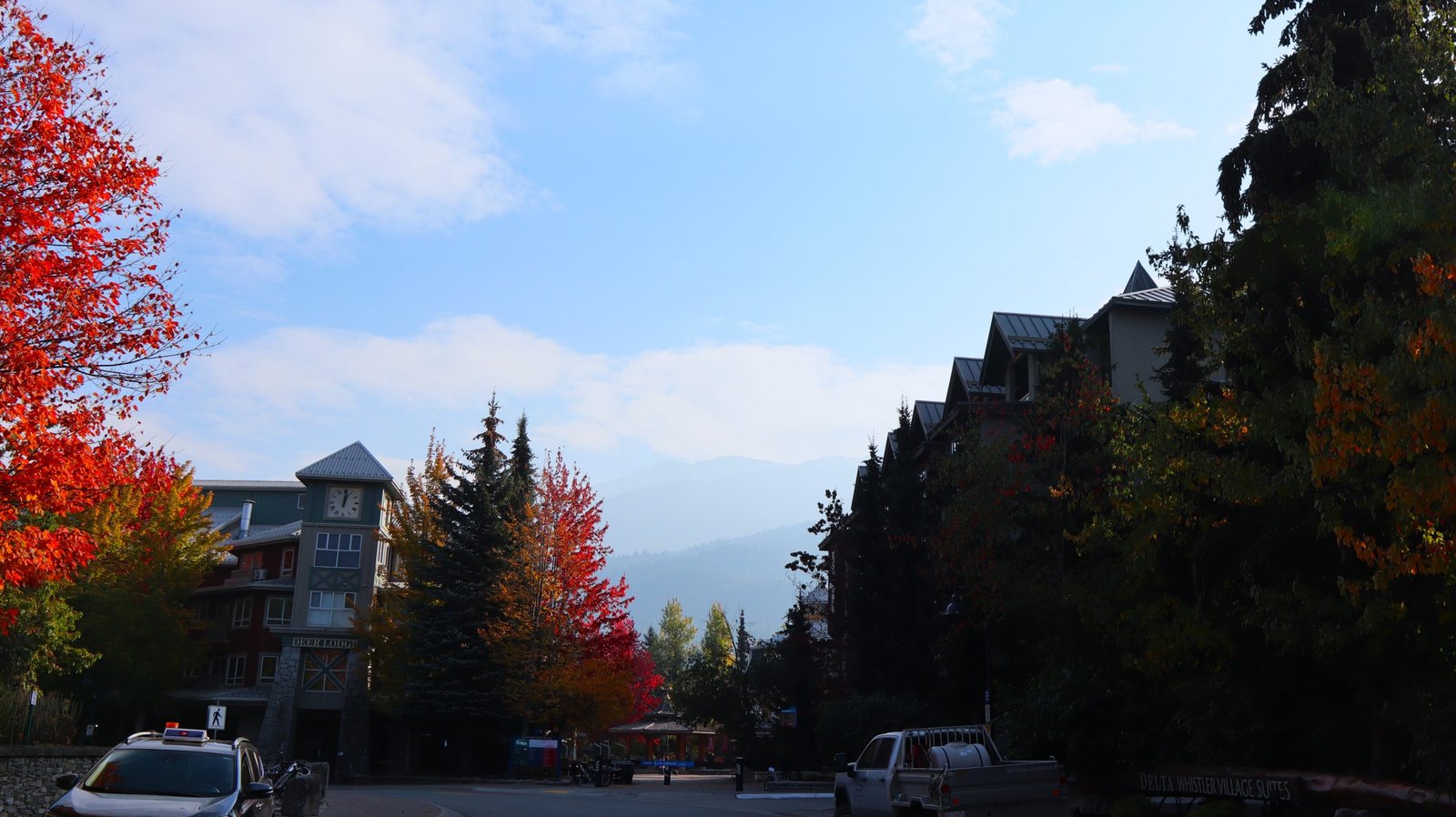
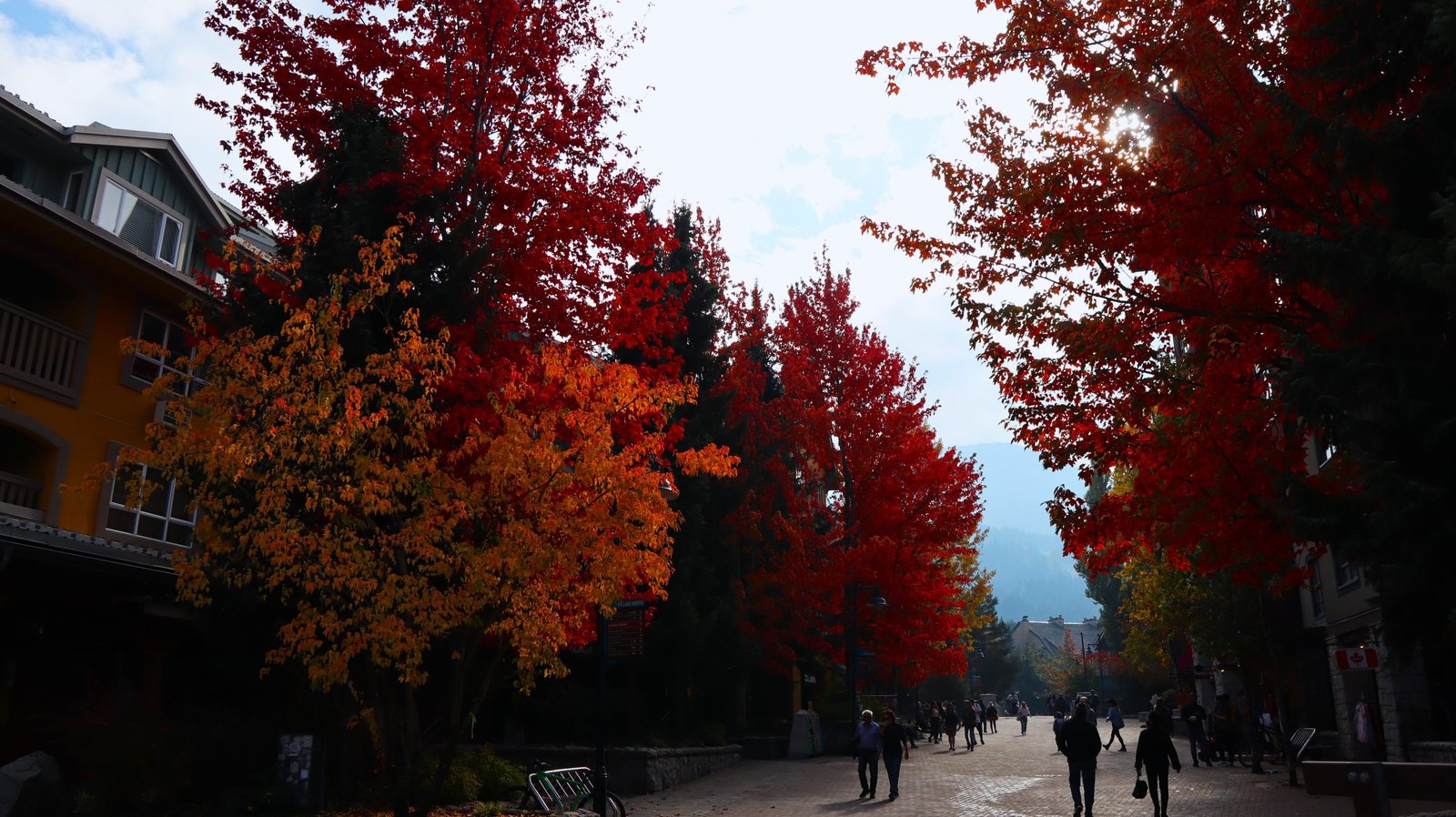
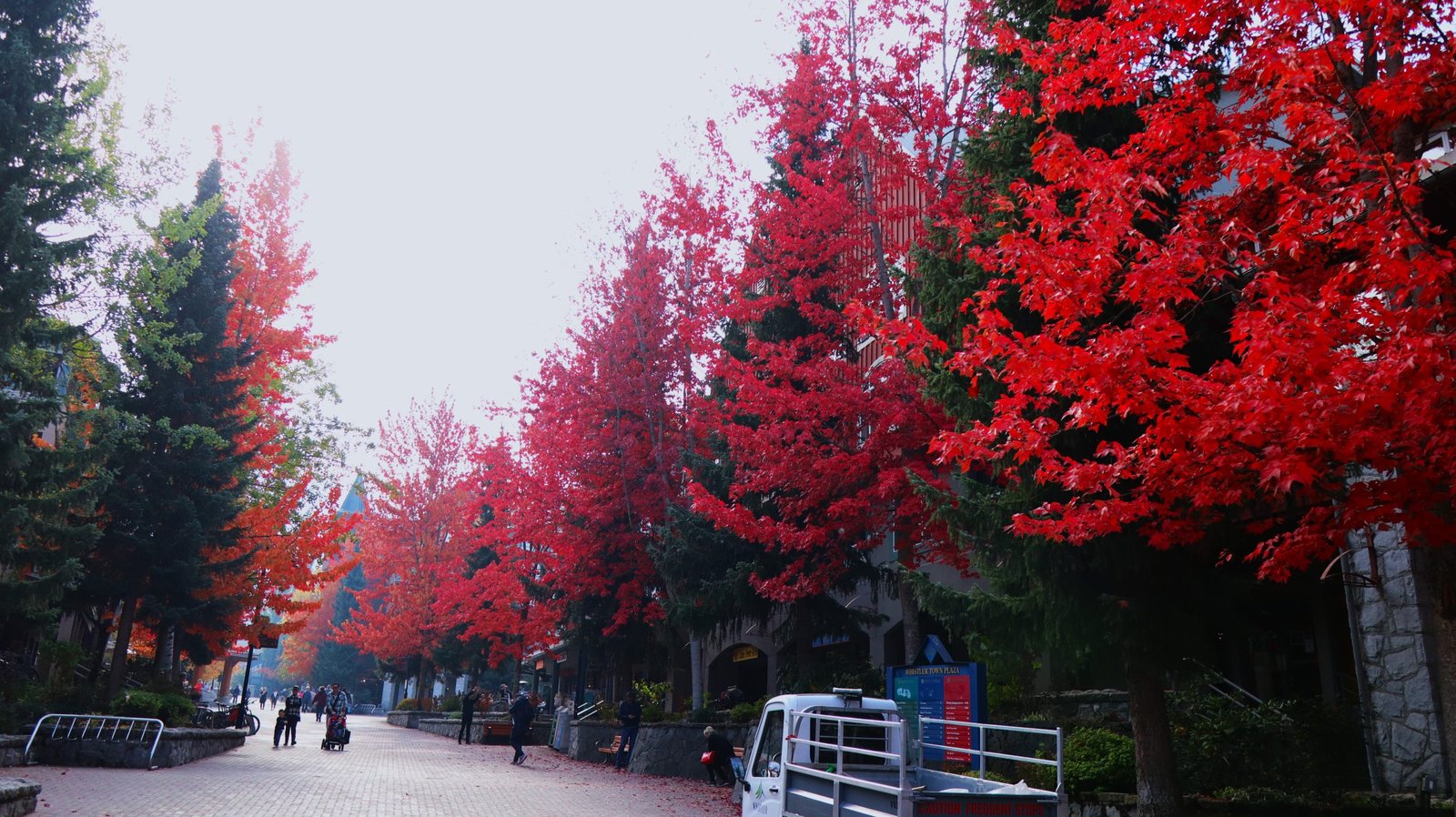
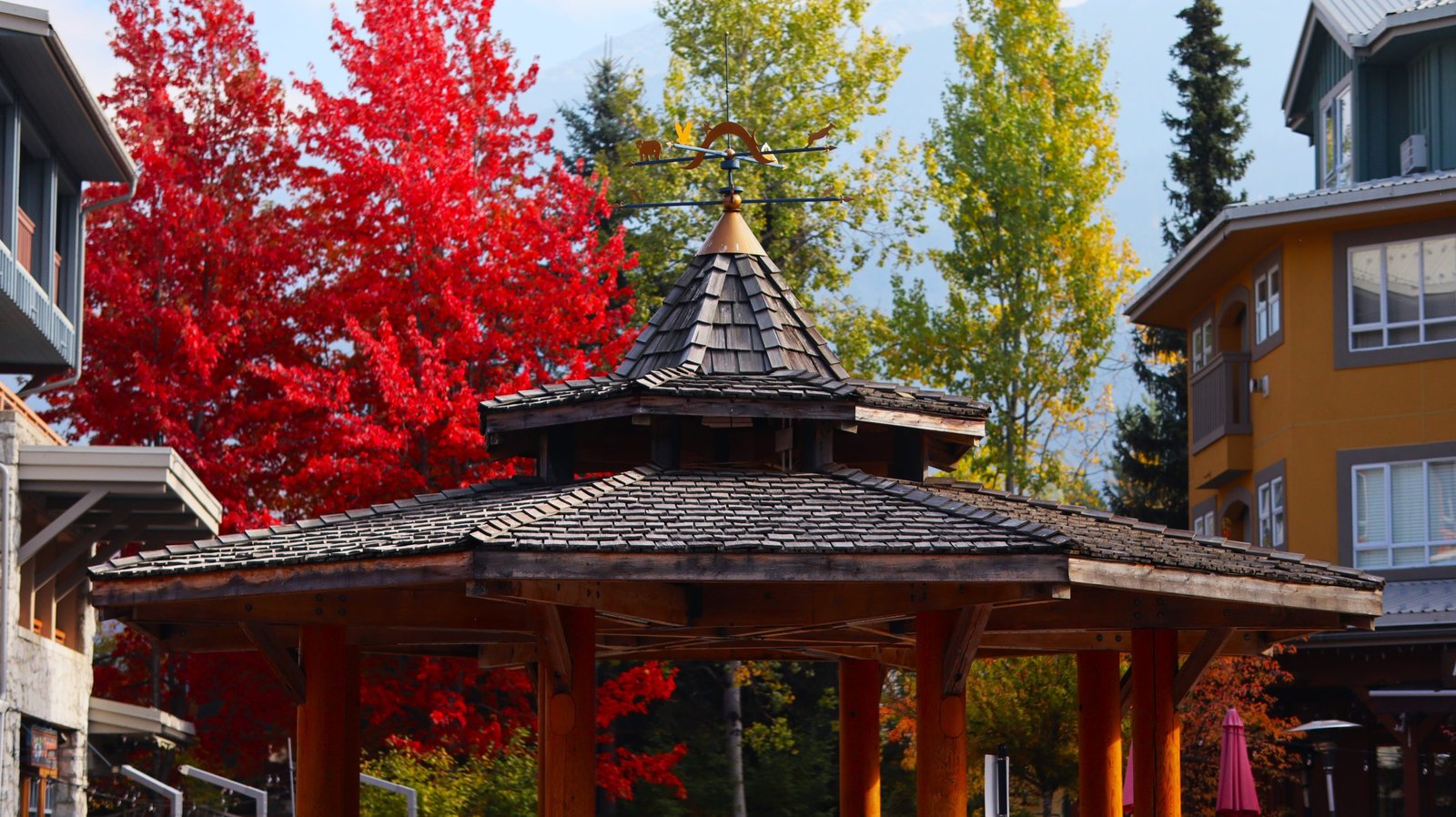
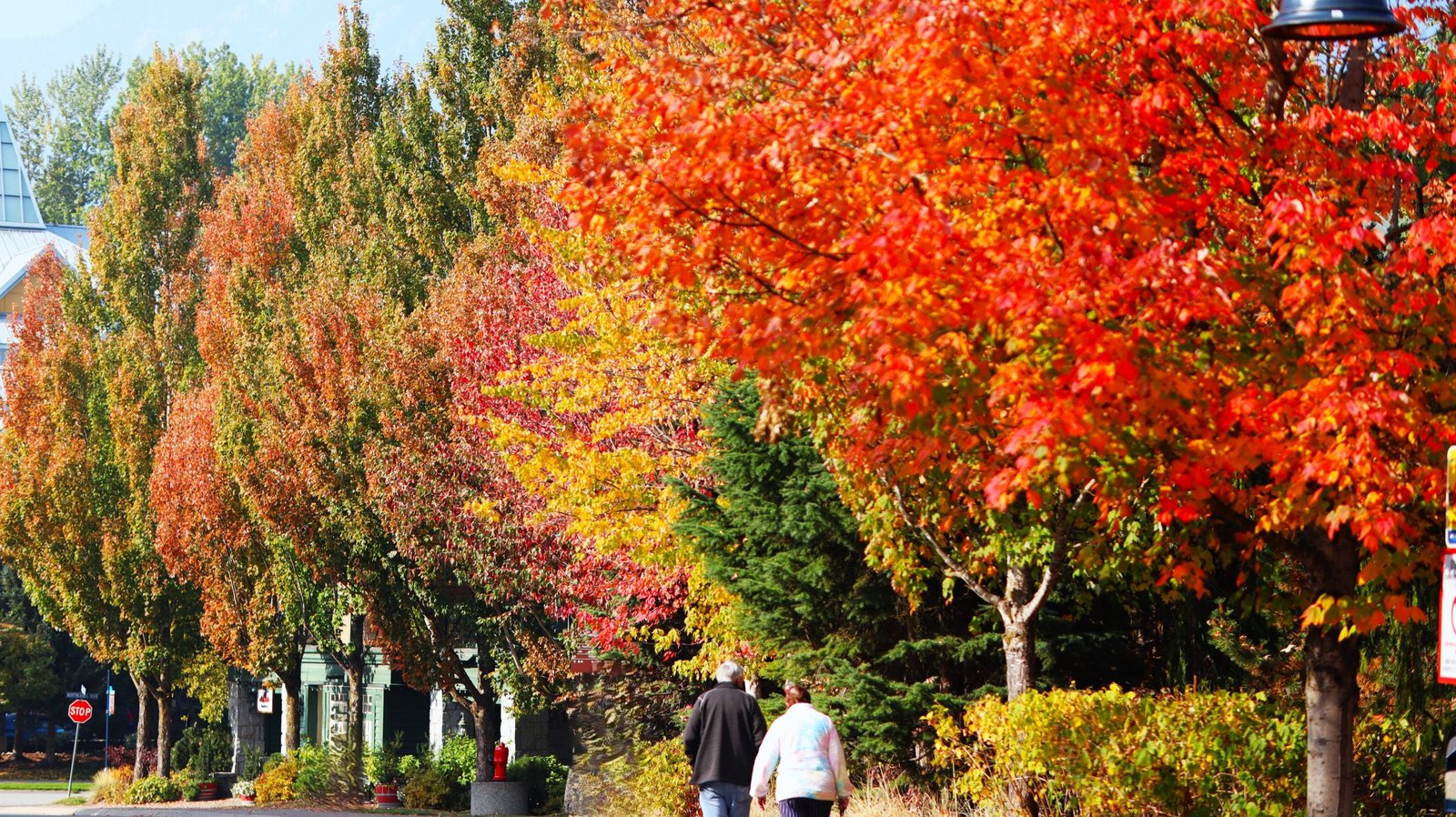
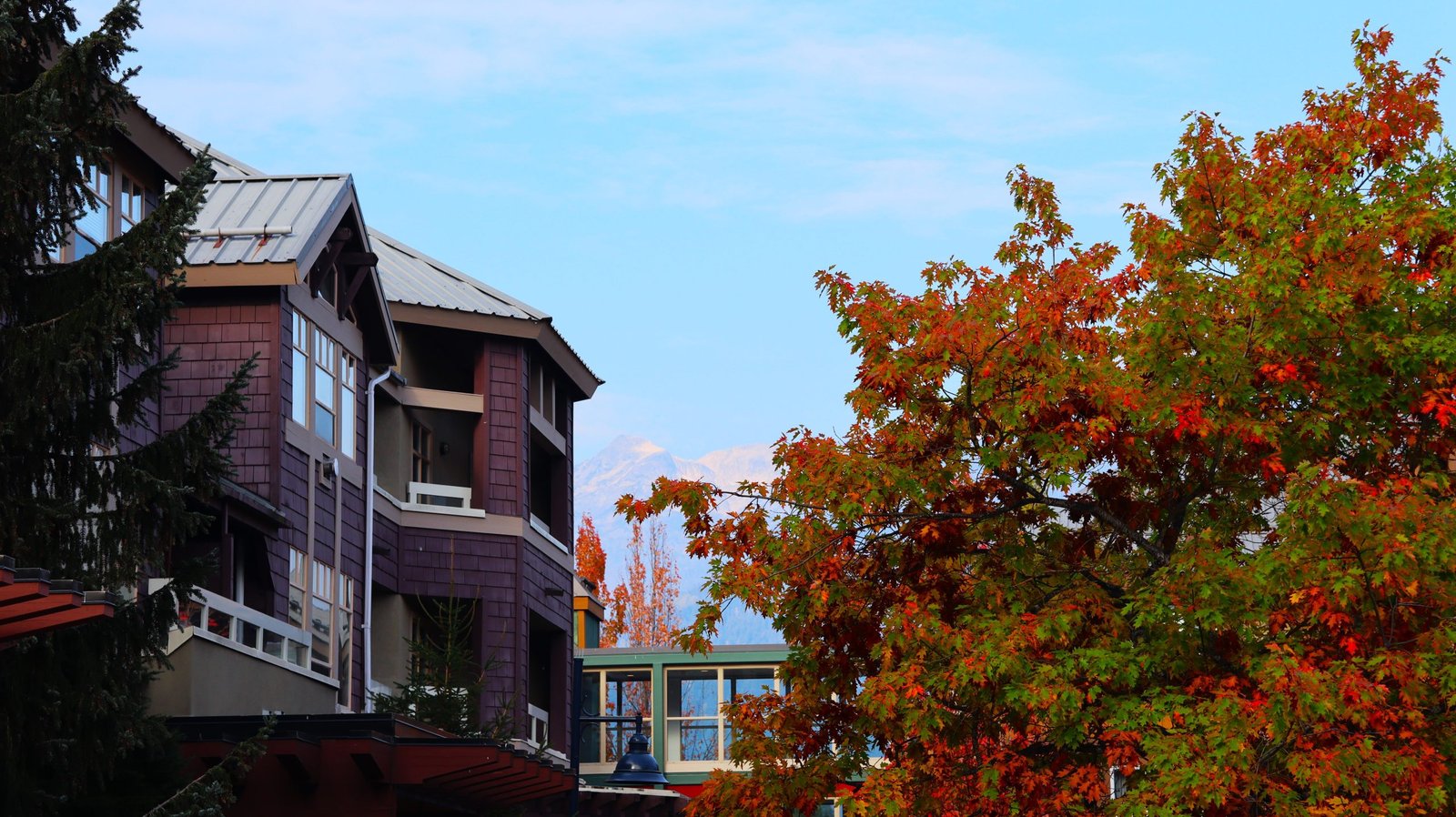
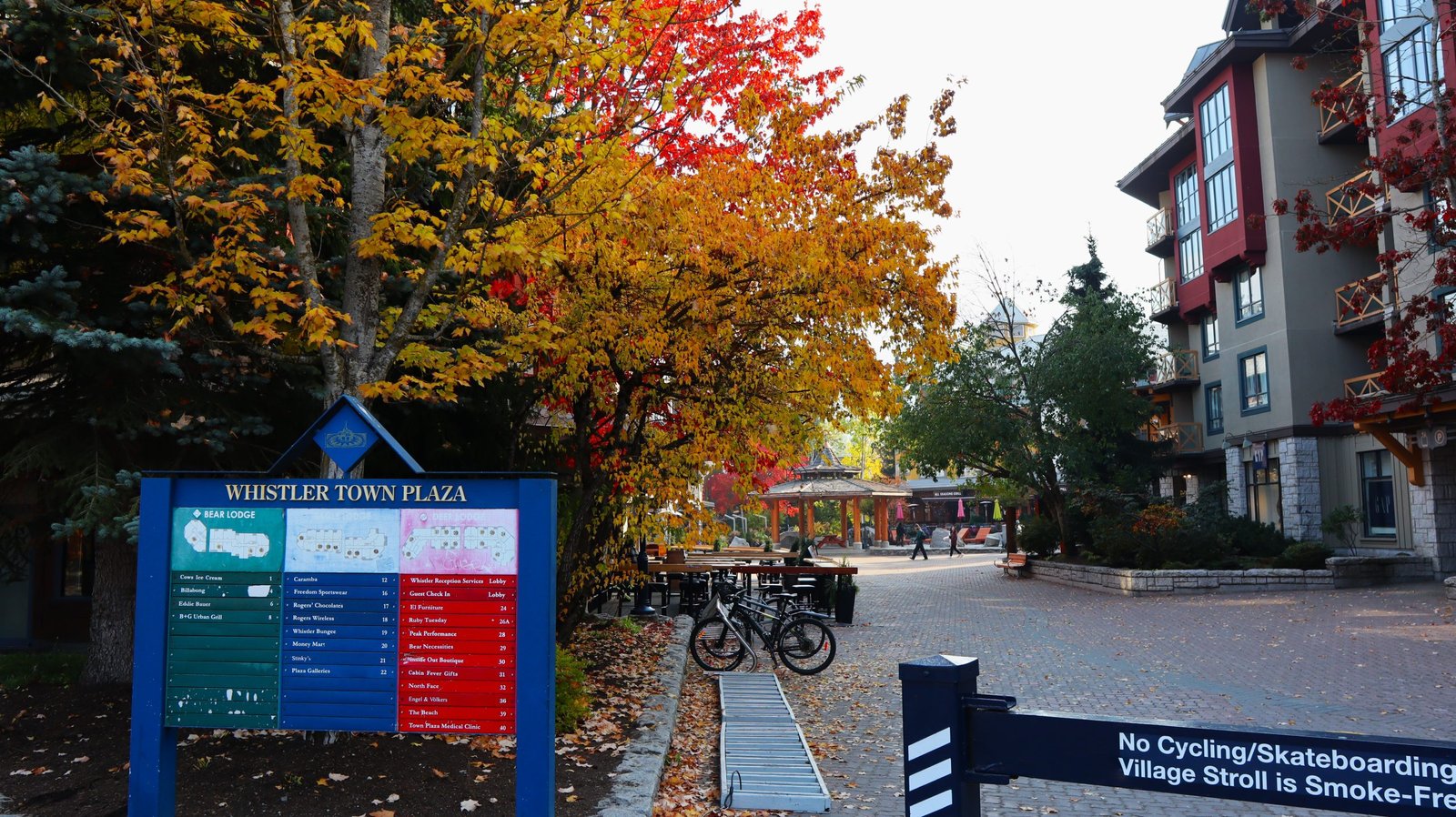
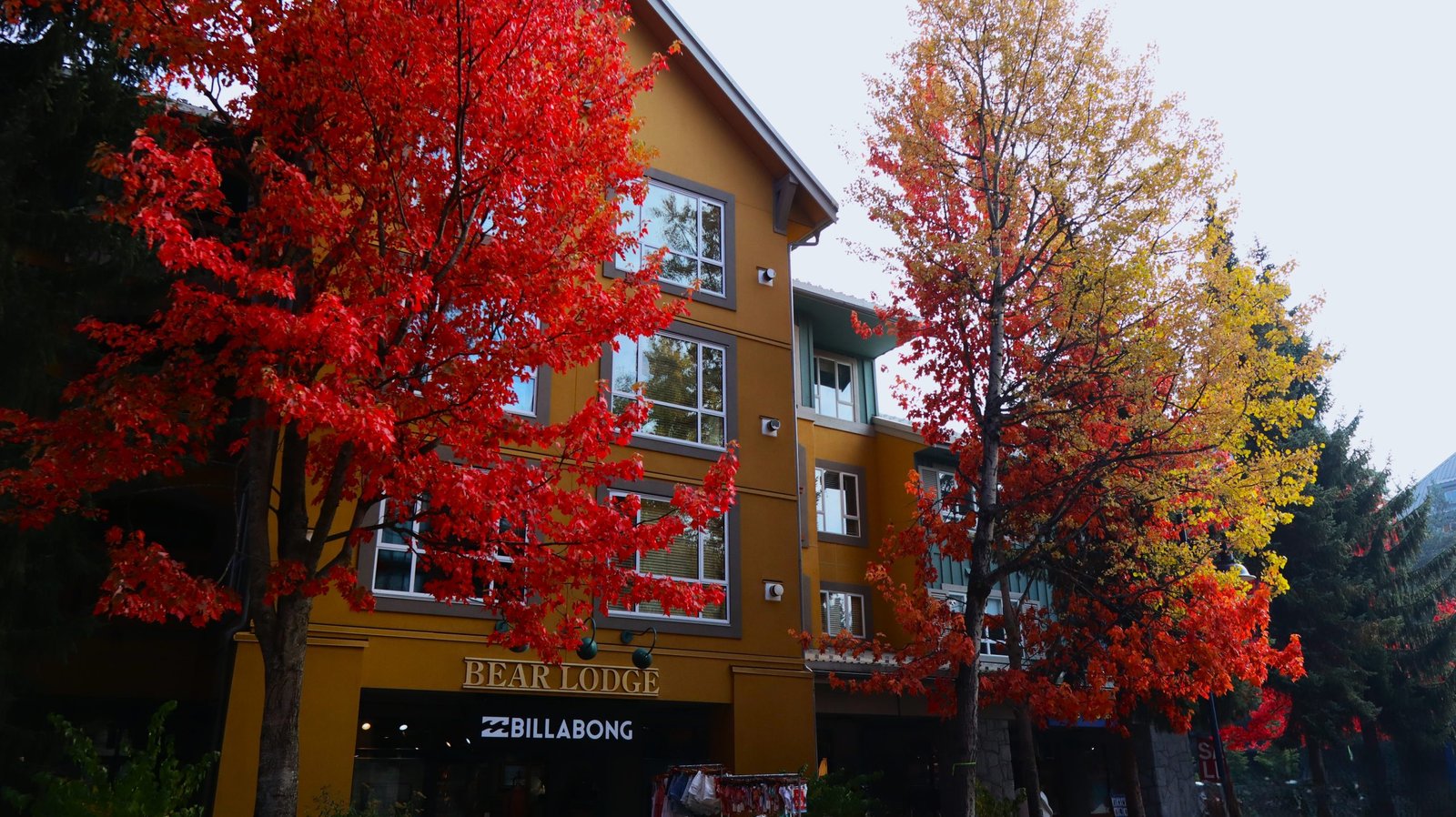
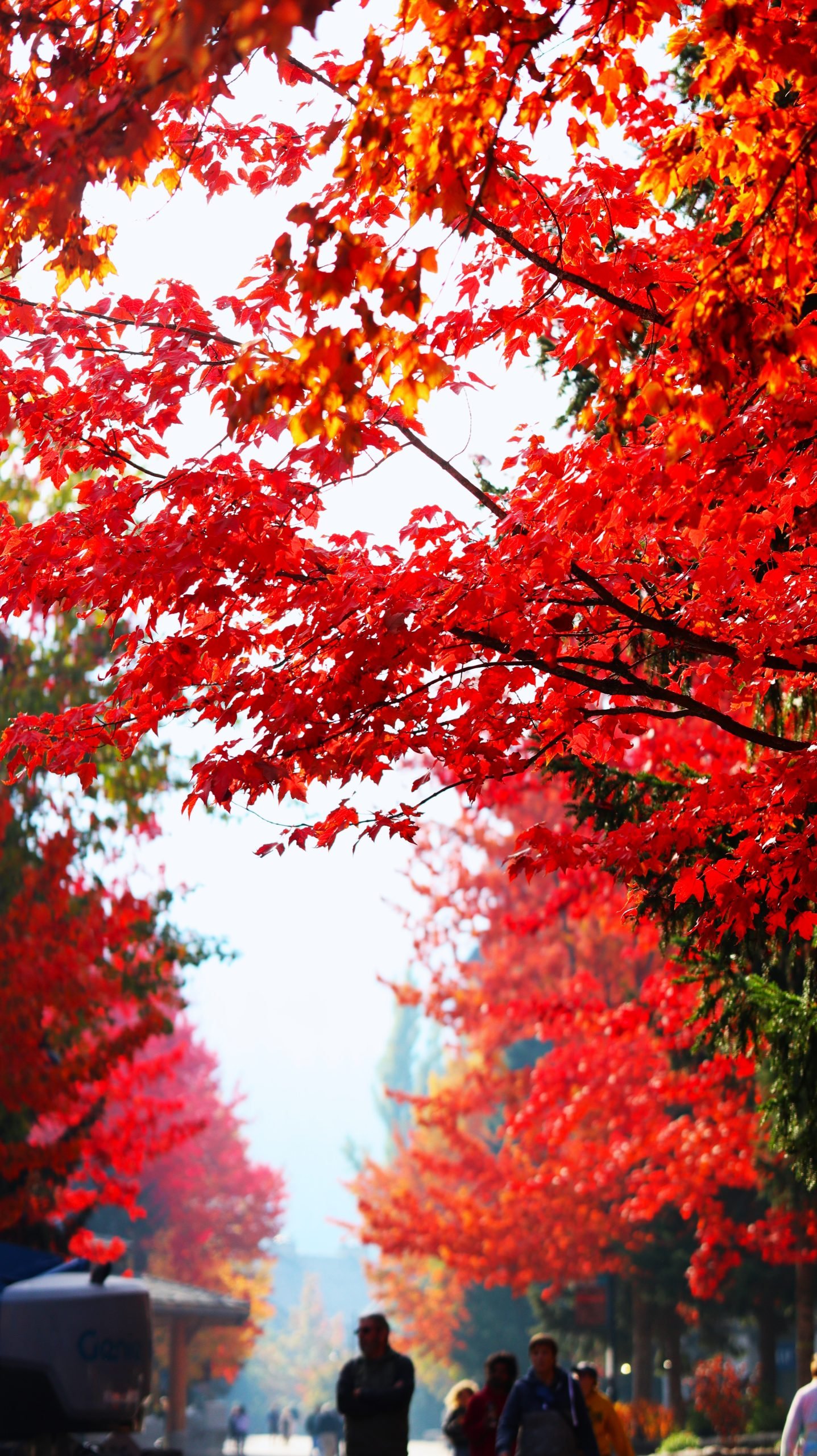
It’s rather easy to get lost in the retail villages (home to some of the biggest brand names to be found), because the walkways just keep on going. Flanking most of the foot-traffic areas are assortments of trees, mostly Maple, Lodgepine and Aspen.
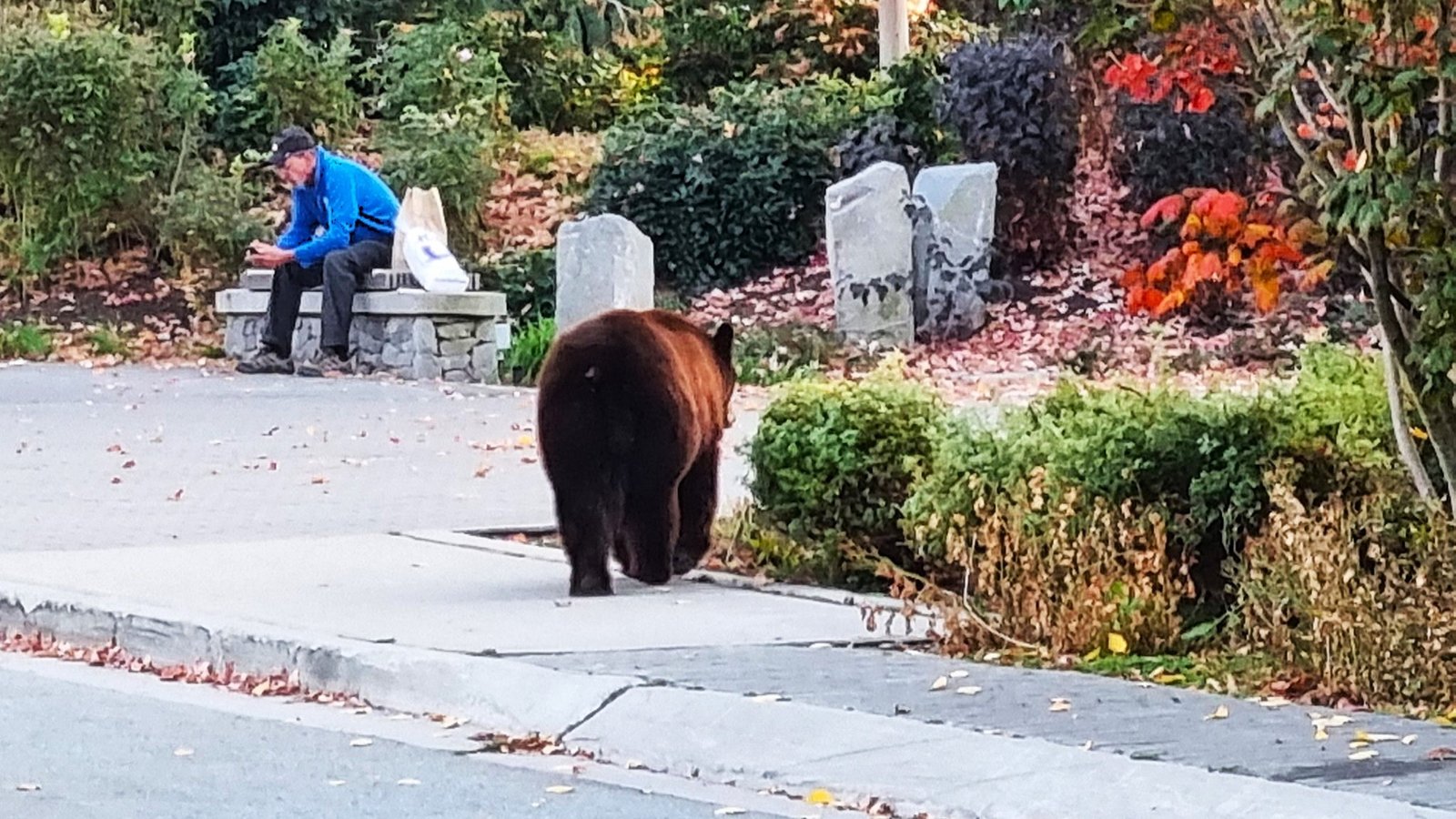
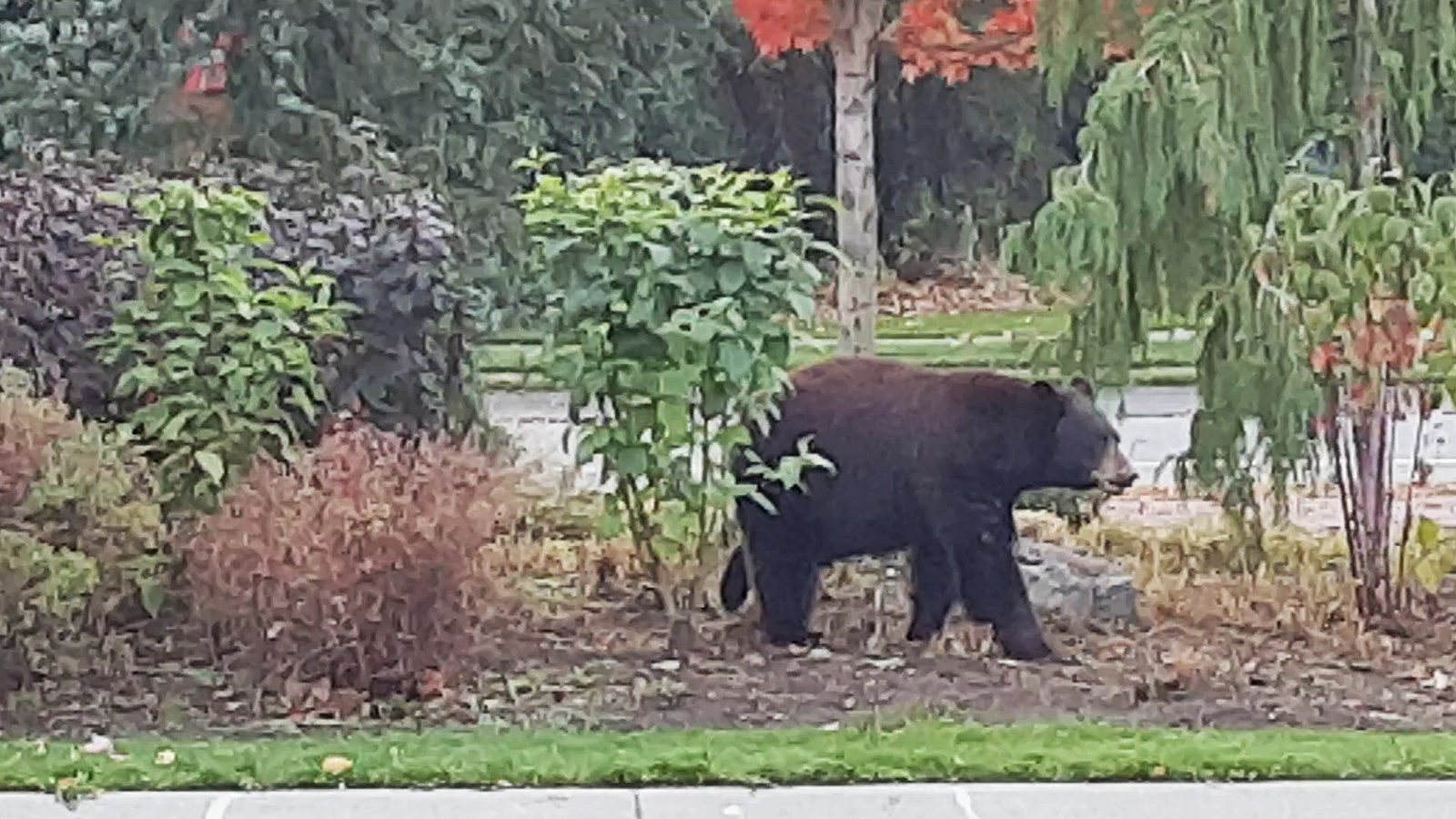
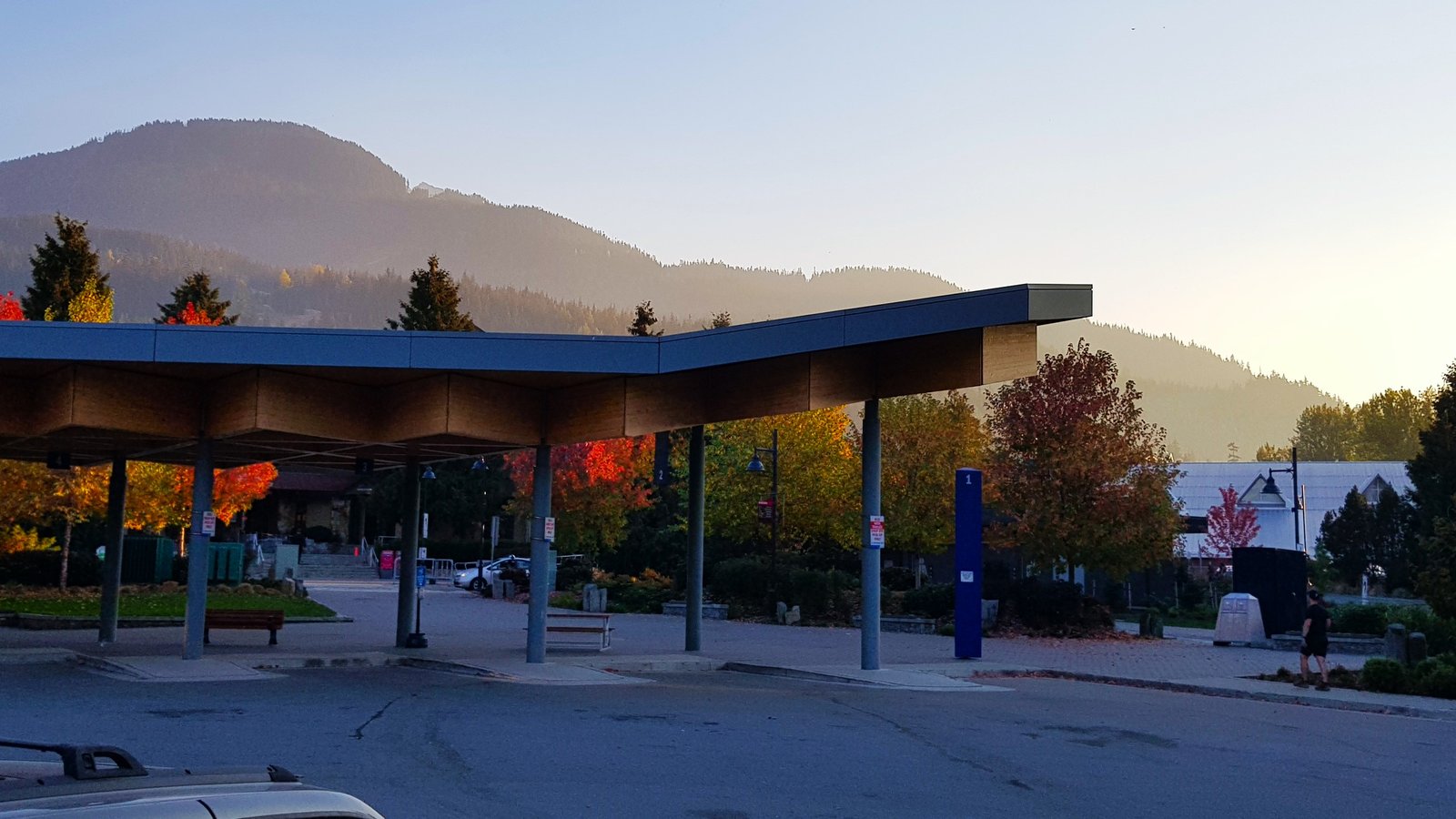
I mentioned earlier that I had more encounters with wildlife on this trip, and outside of a bus terminal in the middle of Whistler, strolls a juvenile brown bear. First it got rather close to the guy in the blue shirt, who’s clearly preoccupied with whatever is on his phone. “BEAR!” is shouted and the guy takes notice and walks off after seeing the bear was more concerned with the bushes. It was hiding among the bushes for a minute before emerging again, and finally seen walking across Village Gate Blvd (bottom-right).
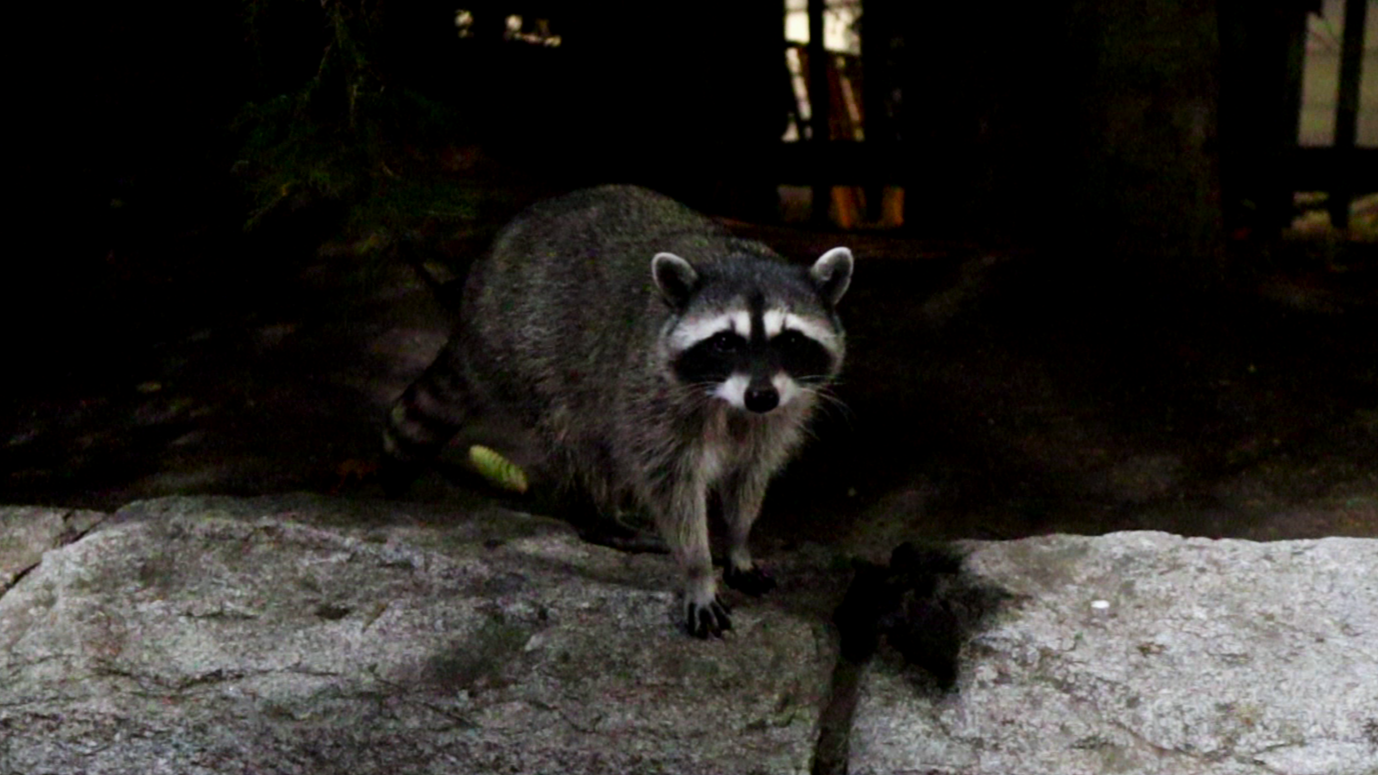
The other encouter with Canadian wildlife wasn’t so special, but more unique to me. I’d never seen real-life raccoons (locally colloquialised as ‘trash-pandas’). This was found near a pizza shop.
Unfortunately this series of pics isn’t the best quality, as they were taken on a phone camera zoomed in, and also excerpted from a video I took.