skywatching
This page is for everything pertaining to what happens in the sky, be it Weather-driven (storms), Solar, Lunar or Galactic.
2019 Sydney Bushfires
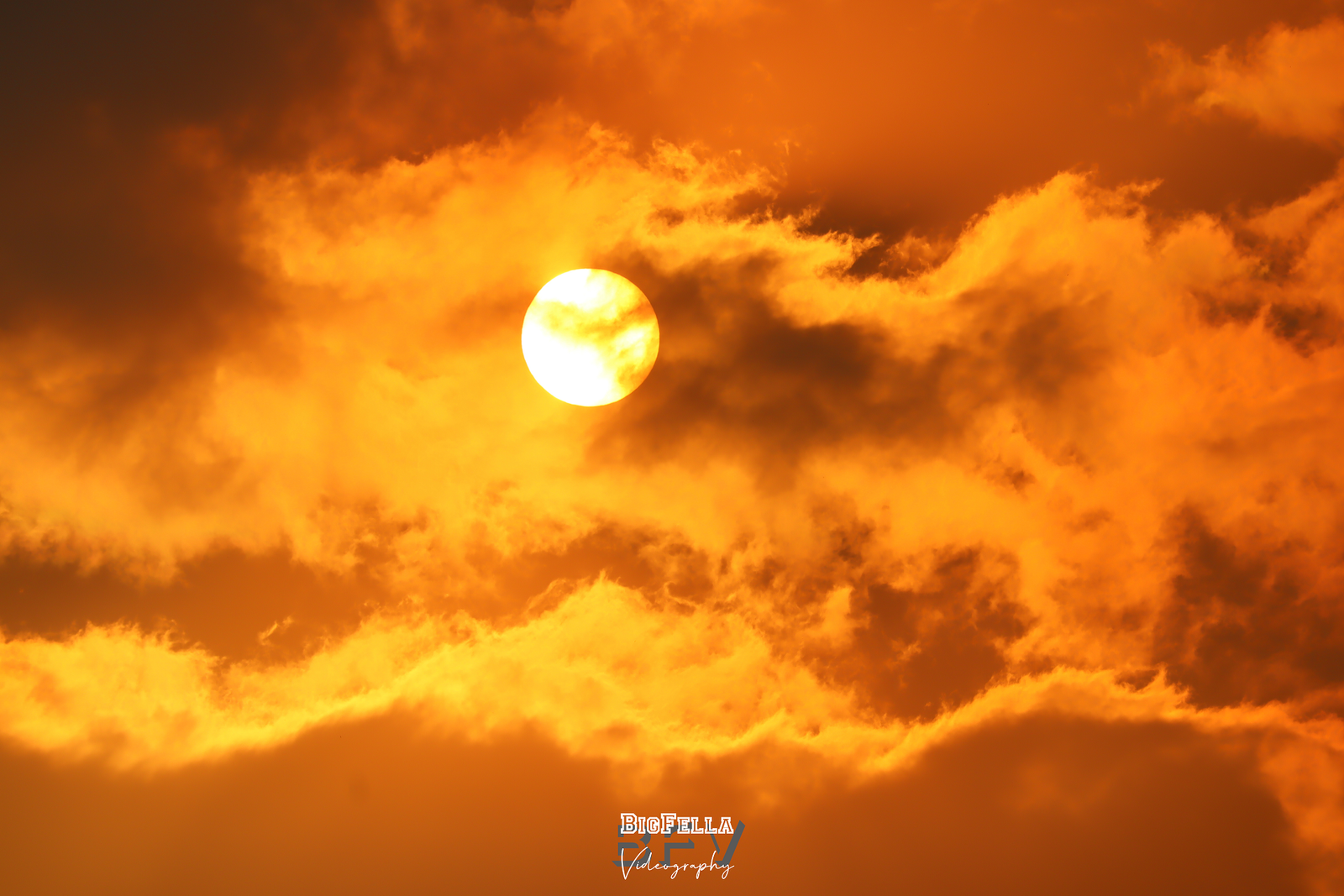
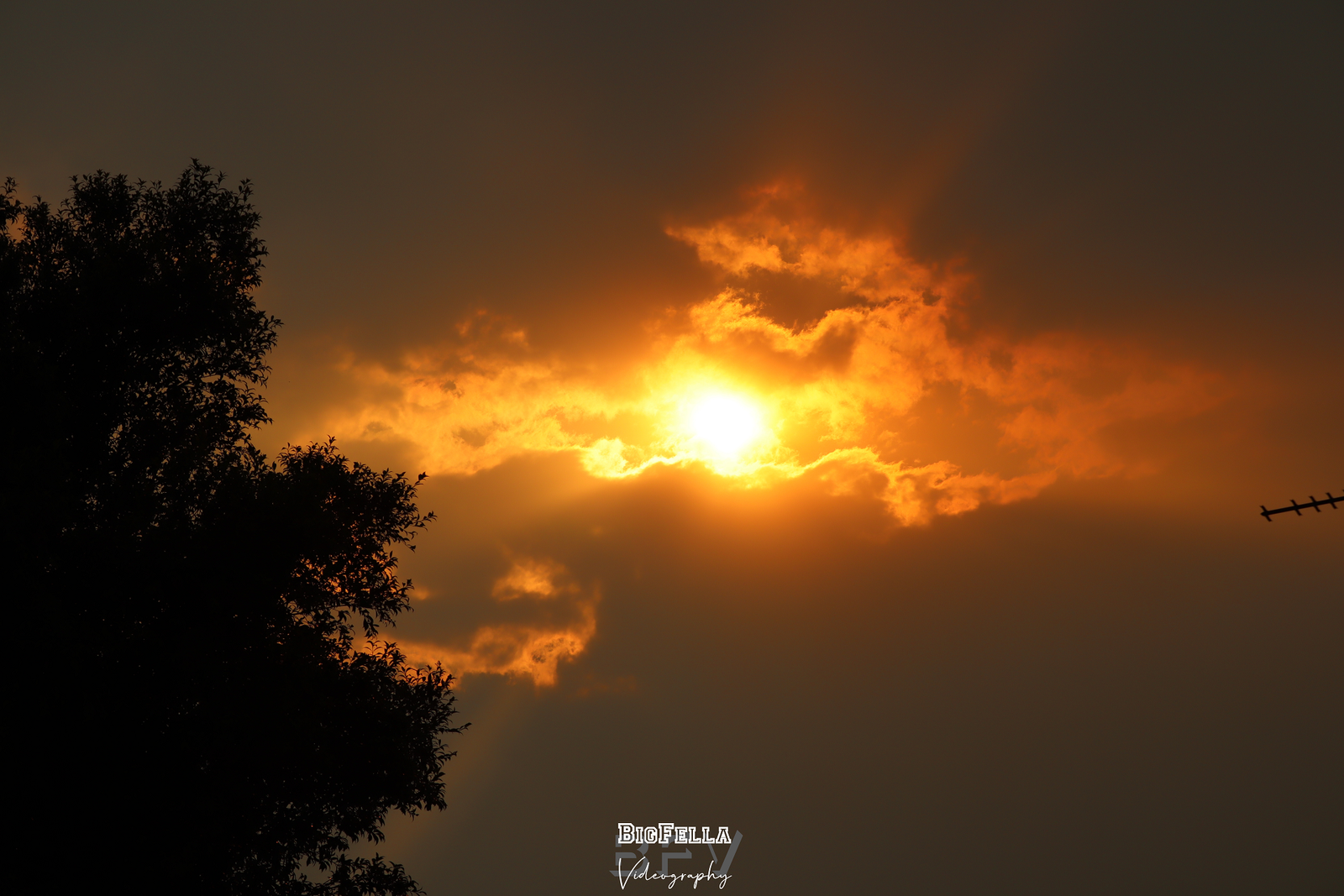
Ordinarily, bushfires aren’t something people take a lot of pictures of when it comes to the sky – sometimes “controlled burns” are needed to prevent more serious fires happening, and you might see a bit of smoke for a while. But this was an incredibly dry and windy time in the west of Sydney (specifically, the Blue Mountains) and the dry air and wind blowing towards the coast was carrying smoke and ash along with it, and the potential for fires in Sydney proper.
Humidity was a ridiculous sub-10%. Smoke lingered in the air for weeks and created this eerie smoke/cloud mix in the sky, which you could also see the sun directly through, because of the smoke acting as a filter.
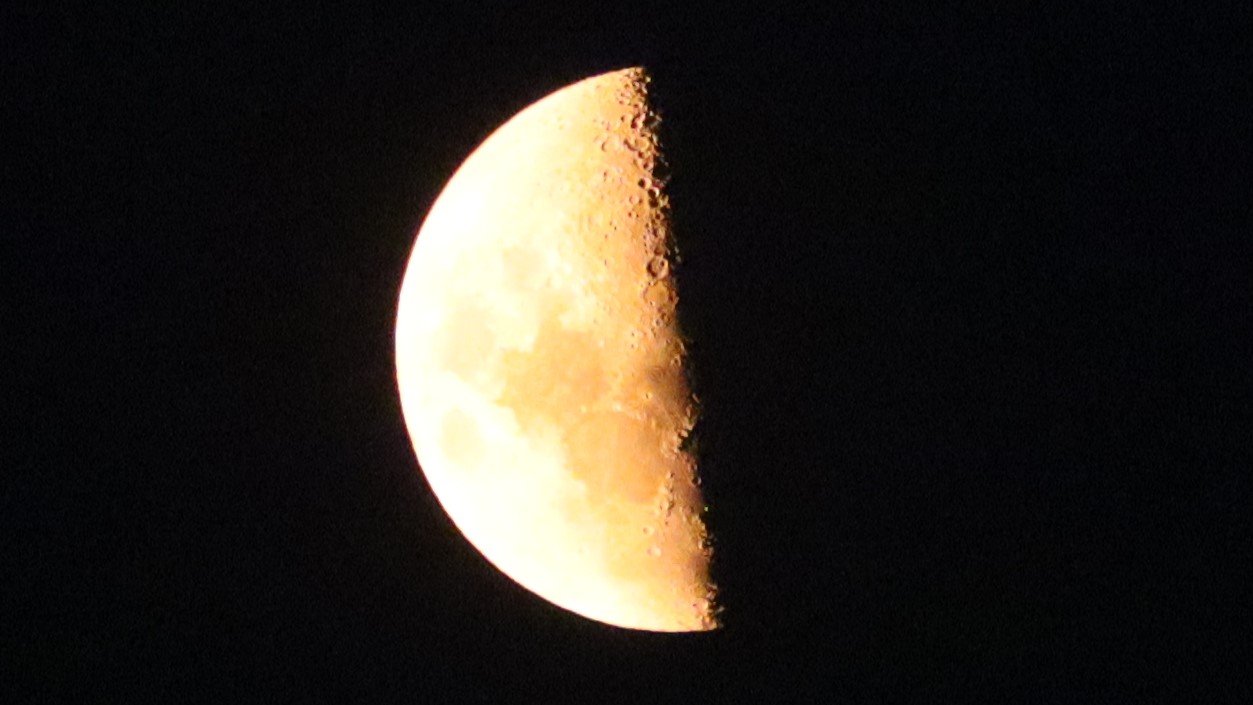
Even at night, the moon could also be seen with an orange hue, as if it had emerged from an eclipse.
Storm Photos & Timelapses
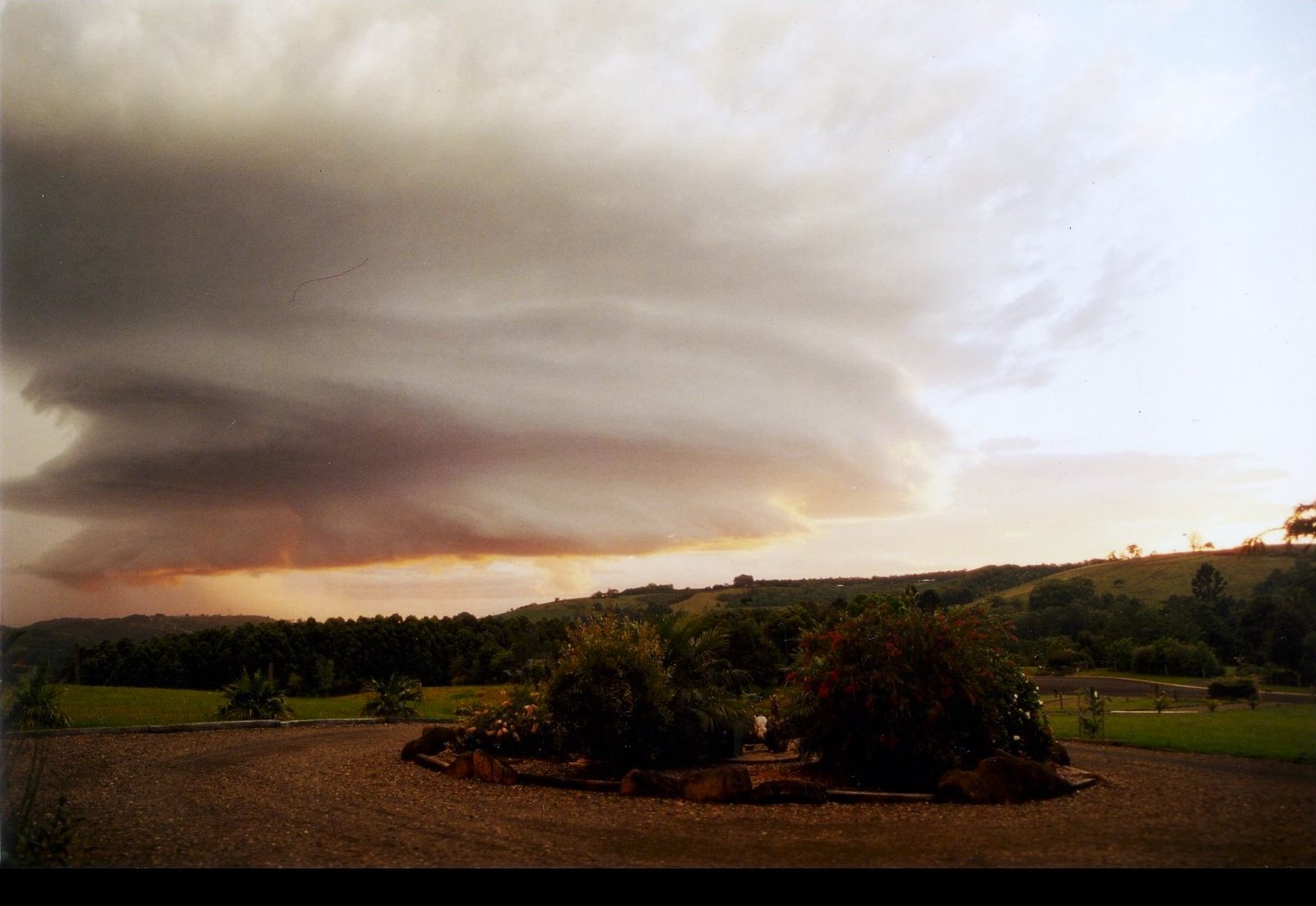
The Northern Rivers of NSW, Australia, gets some pretty epic storms, and with them comes jaw-dropping cloud formations and fantastic lightning shows.
The image (left) shows an arcus/shelf cloud approaching on a summer afternoon in 2005.
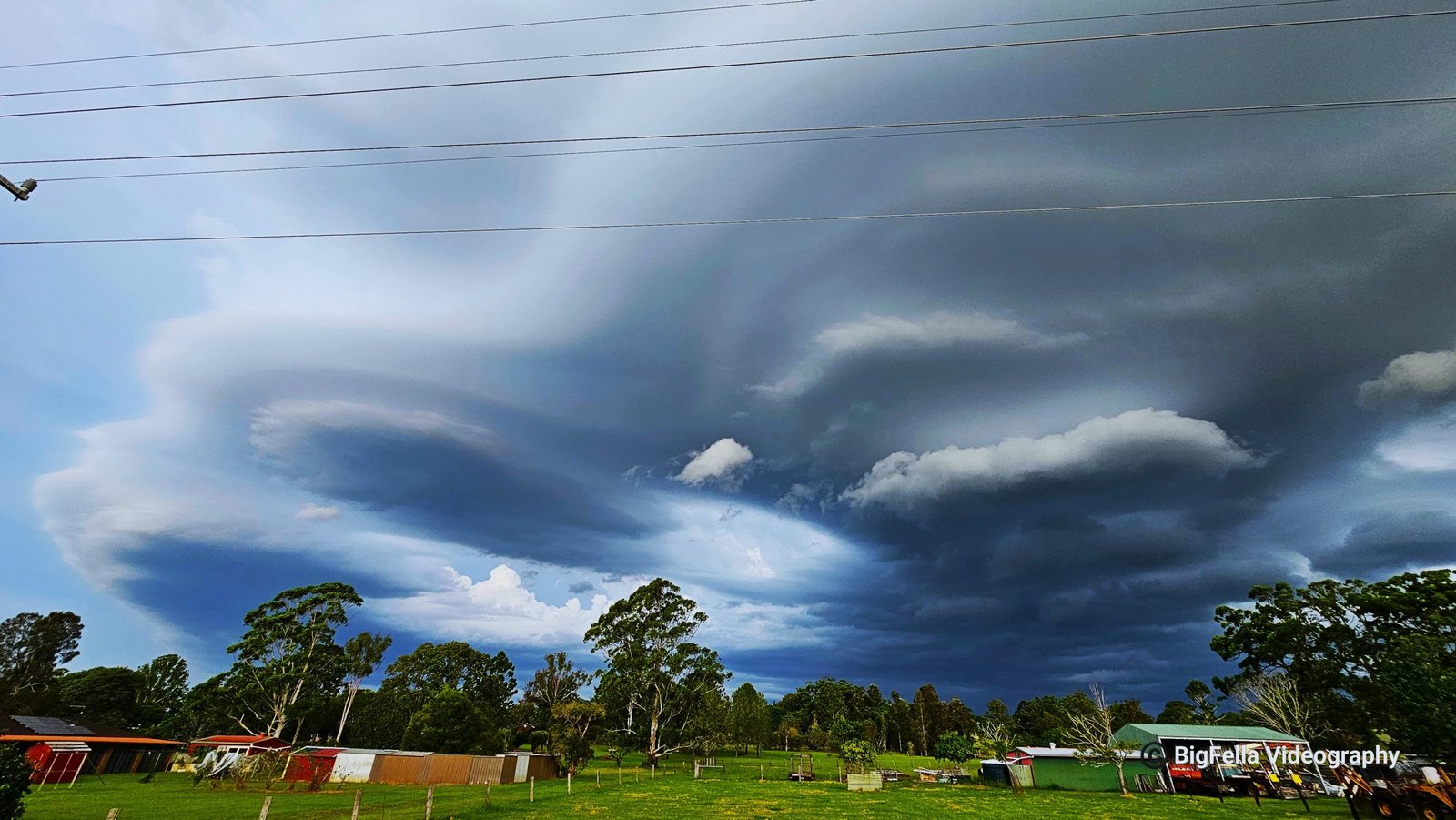
Below-left is another arcus cloud which started out as one massive cloud, but divided up into several smaller cells. I don’t make it a habit of taking professional-quality shots on a phone camera, but this is one of a very small number of exceptions.
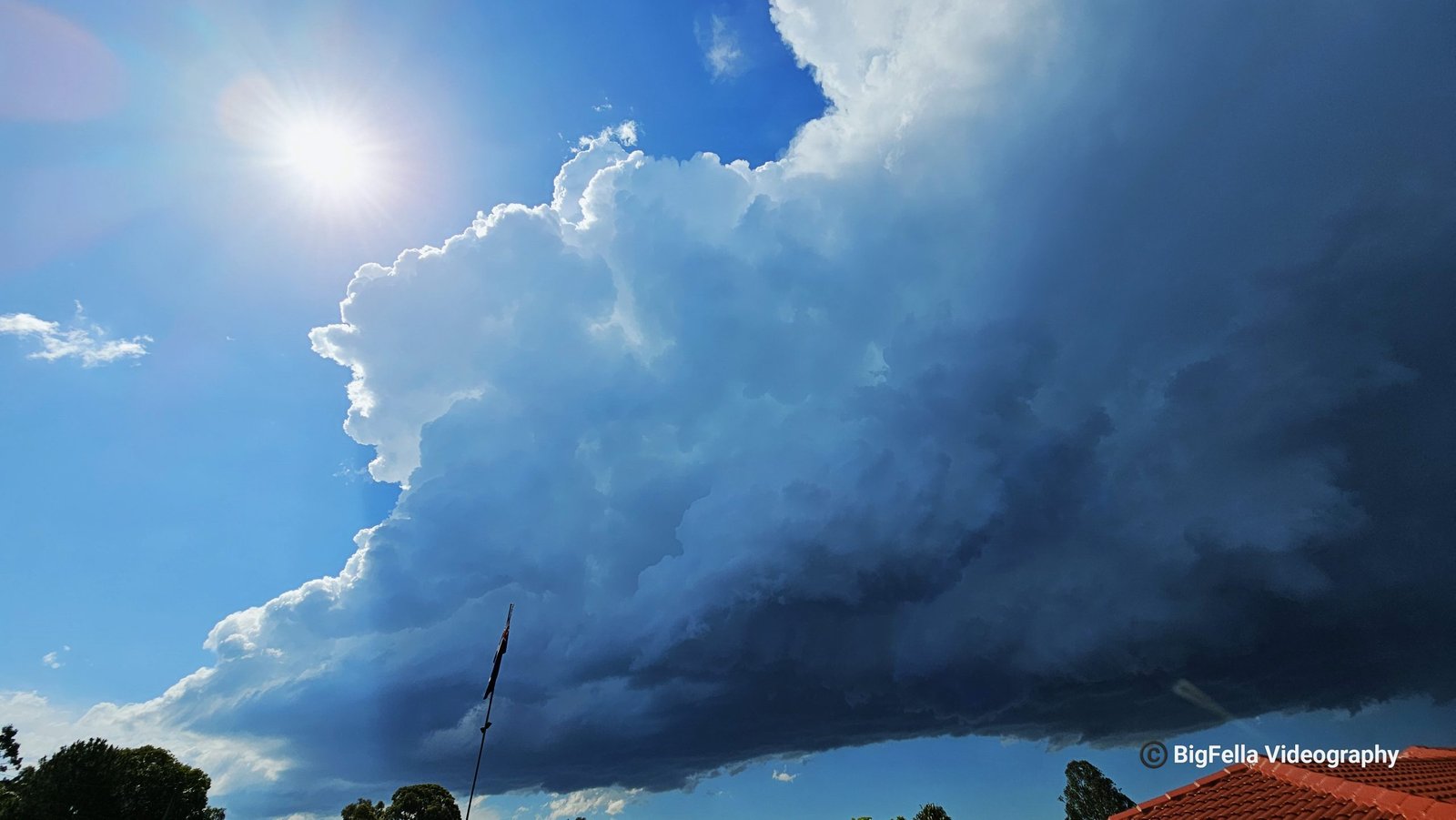
Below is a hail-bearing storm cloud which remained intact after it passed over. The sun is shining on the top of the big cumulus cloud which is passing from left to right in shot, and the mass of cloud is what remains of the hailstorm.
I’d love to have caught lightning in a photo, but videos do a much better job of catching every lightning strike.
Aurora Australis
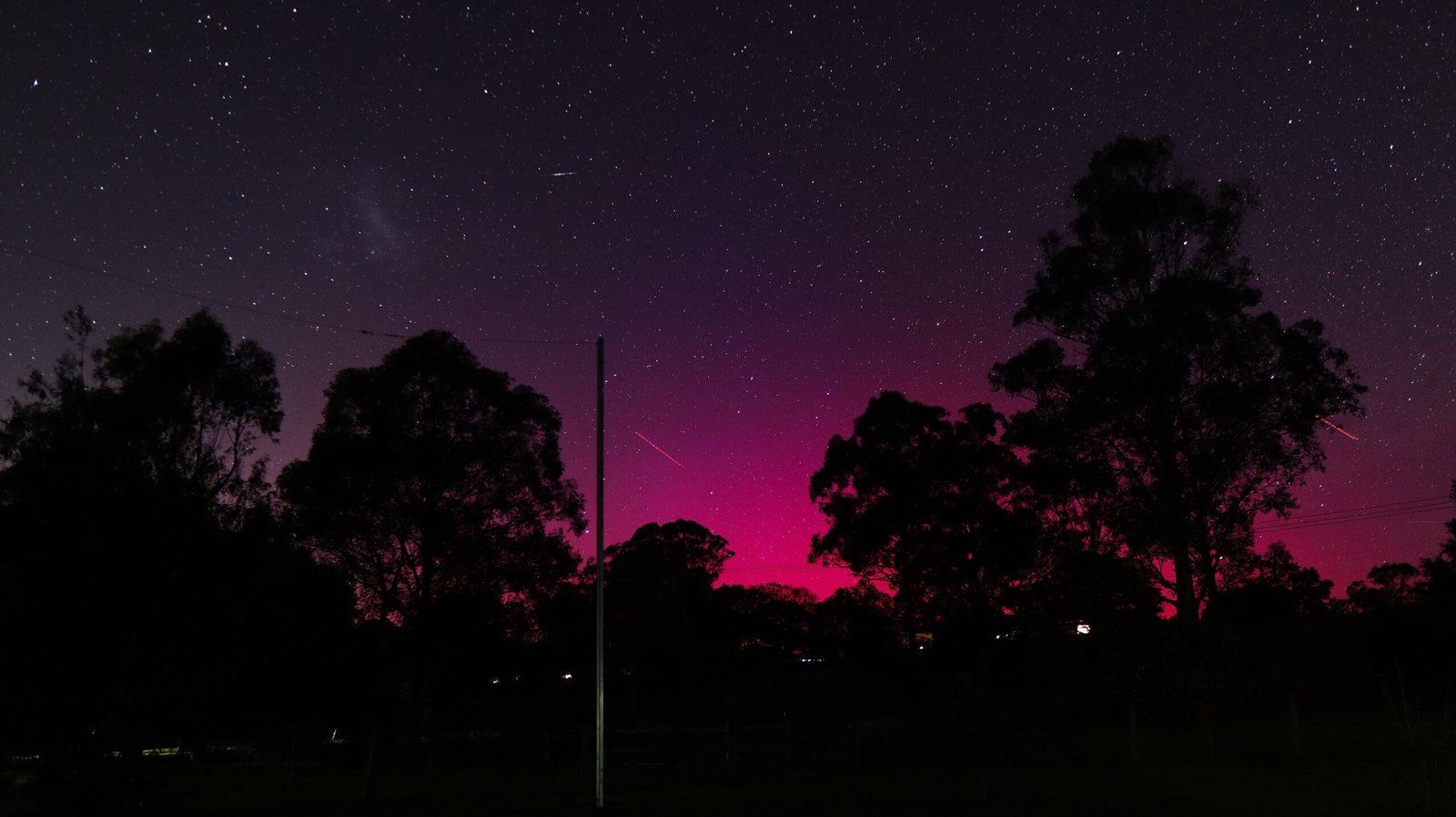
An amazing solar phenomenon – that I never thought I would get to see – is an aurora. These massively colorful displays happen at night, thanks to a burst of solar activity (flare, CME, etc.) ie. energy directed towards Earth. Our magnetosphere catches this and translates that activity through to us in the form of colours and patterns. The ability to see one depends largely on whereabouts you are, ie. ‘high’ latitudes (low temperate/polar regions), but very seldomly above that (towards the equator). In most cases, Aurora Australis (“Southern lights”) is visible to virtually all of Antarctica, Tasmania, most of Victoria and the southernmost areas of WA and SA, as well as other countries like New Zealand and the southern parts of Argentina and Chile.
The Northern Rivers of NSW (where I am) sits between 28-29° south latitude. Ordinarily this would be too far north to see most auroræ and only the strongest activity would afford such a rare glimpse. It takes an incredible amount of solar-powered charged particles to make this kind of a display, this far north in Australia. The types of aurora this part of Australia has gotten since May 2024 are called “diffuse” or fog-like events with very intense colours, but no real structure – unlike auroræ experienced in higher latitudes which are more green colours and could be described as ribbons or curtains of colour in the sky. These more discrete auroræ in higher latitudes can be viewed with the naked eye, while the diffuse type are often very hard to see, and can only be captured and truly appreciated through the time lapse of a camera lense.
The Moon
For a lot of people, seeing a full moon is a source of wonder and inspiration. I still remember the time when I was told “the moon is made of cheese” (all the craters resembling holes). But it’s more than that.
At the horizon, a moonrise has a mystique all its own because of the way it catches the visible layer of smoke and dust particles in the air when it rises and sets. Also a weird optical illusion makes it look flatter and larger at the horizon, but not in the mid-sky.
Telescopes and camera zoom lenses that are identical to the cost of a car, will show you the moon in much greater detail – however, I just wanted to catch the moon in ‘enough’ detail to fill a zoom lens with craters. The Tamron 150-600mm lens is adequate for this purpose, but using the ‘500 rule’ (astrophotography, depending on your settings), at full zoom, about 1.3 seconds is the limit to which the shutter can be open on this lens for lunar shots, or you’ll get ‘trails’.
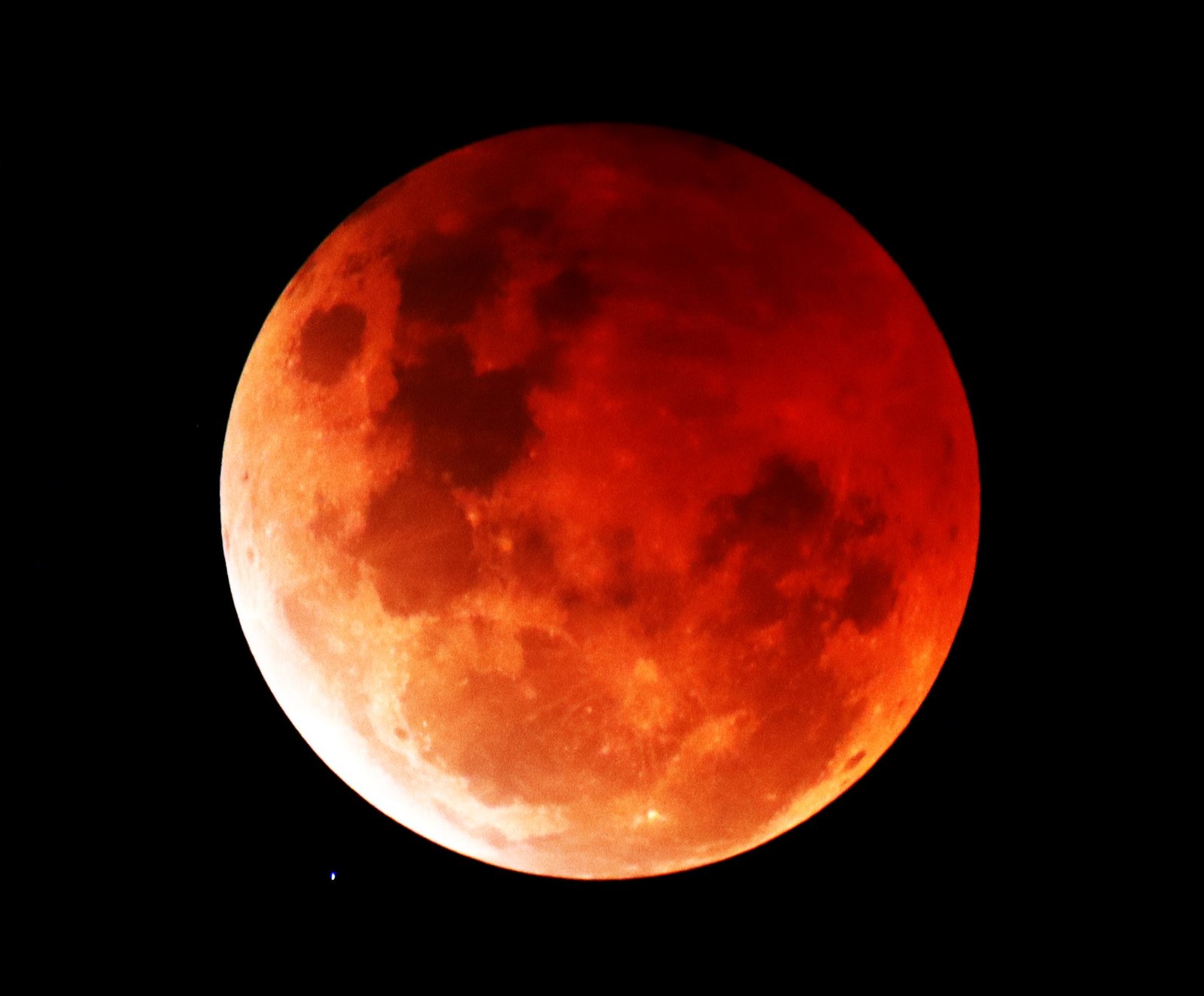
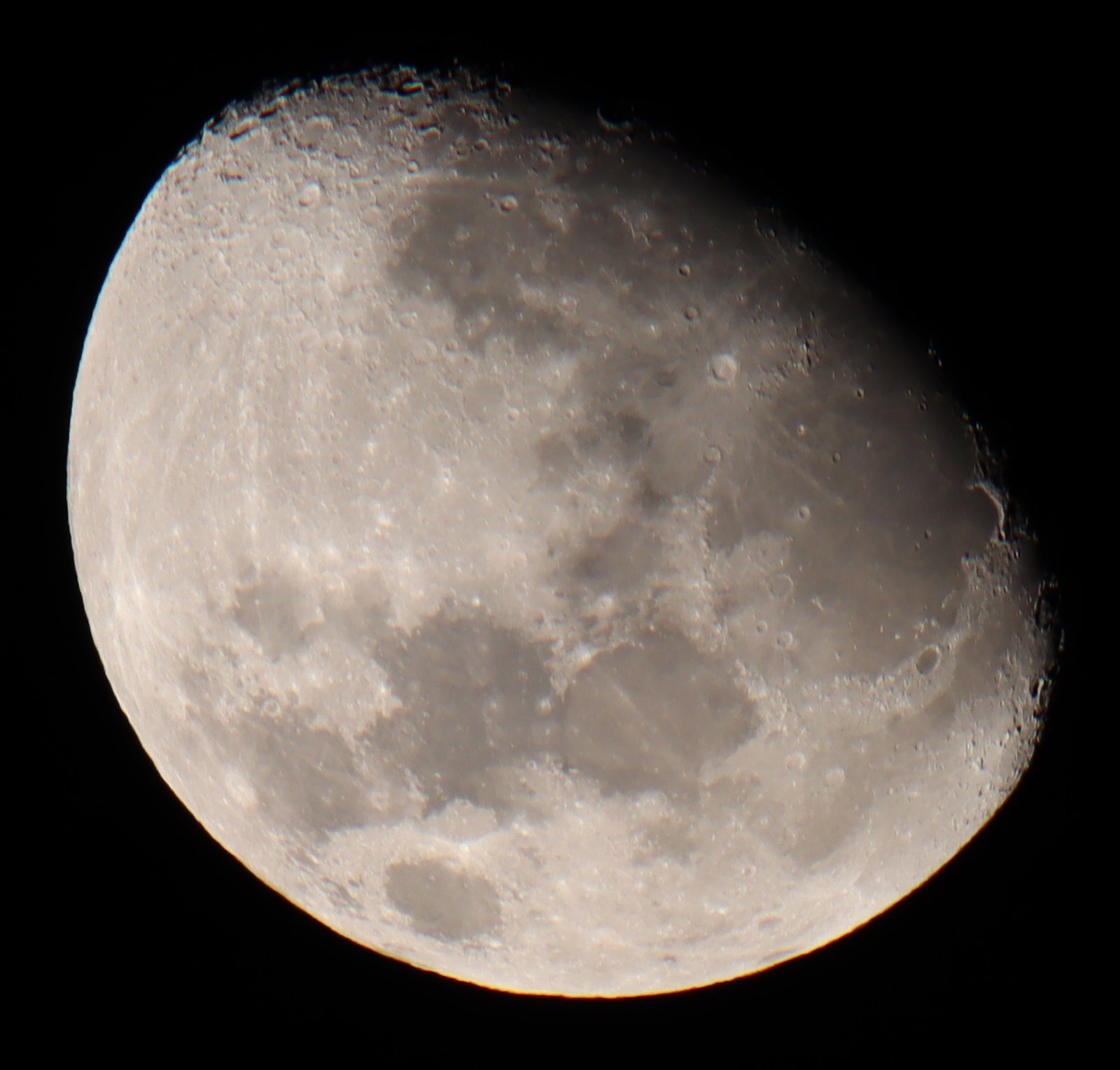
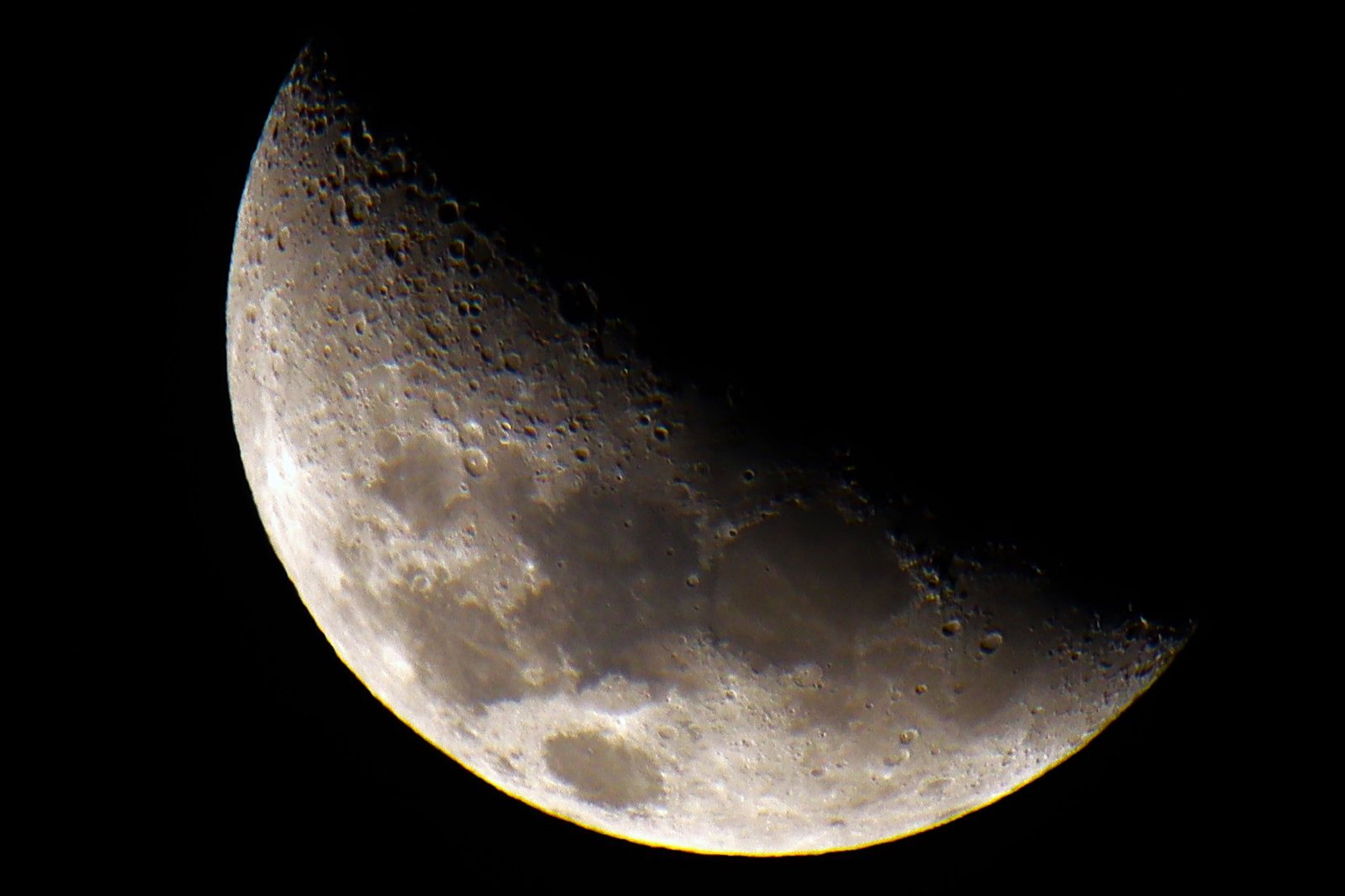
In this sequence of shots is the November 2022 full lunar eclipse, a cropped ‘waning gibbous’ moon showing craters, and a ‘waning crescent’ showing even more craters.
Our Galaxy
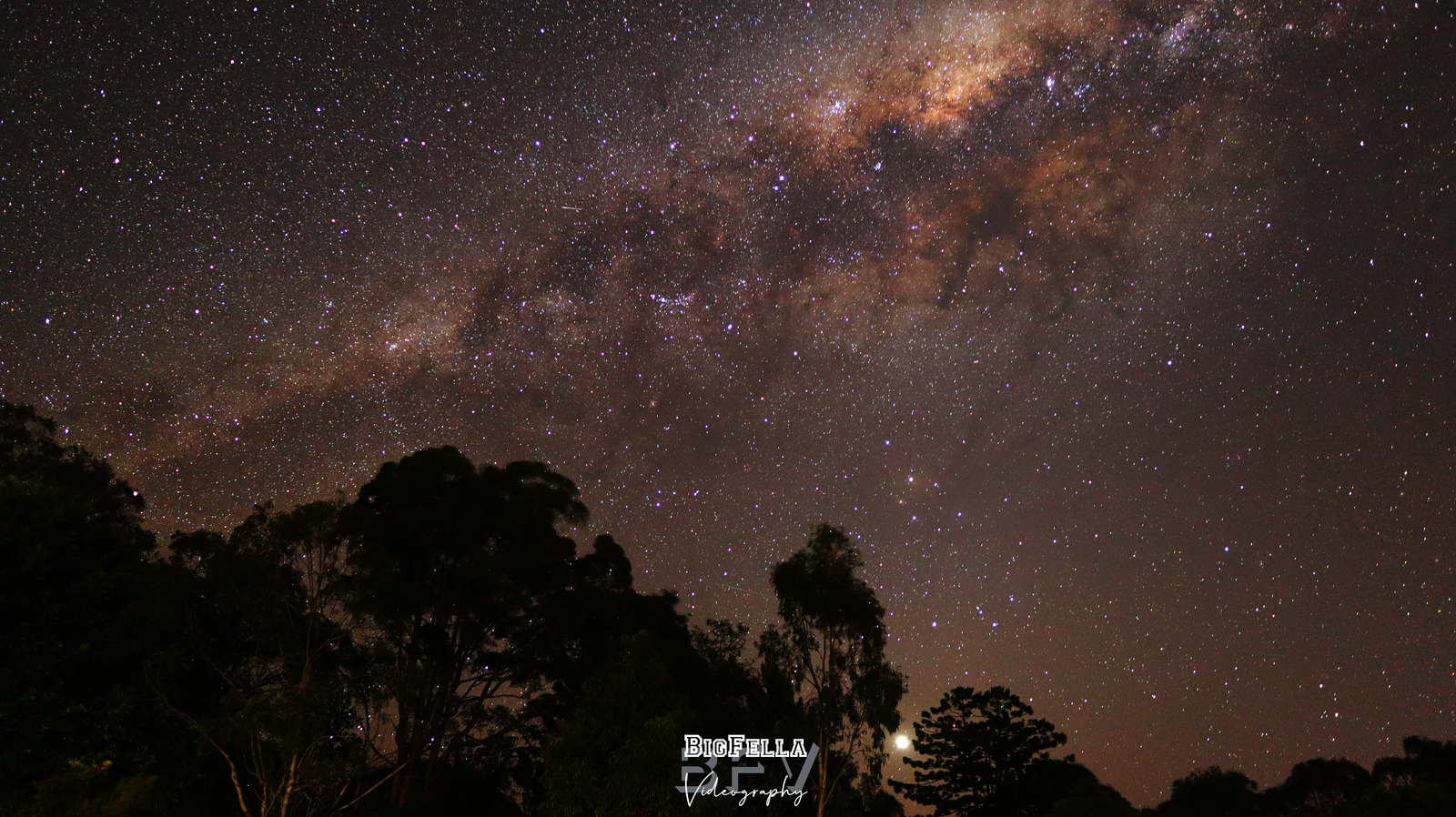
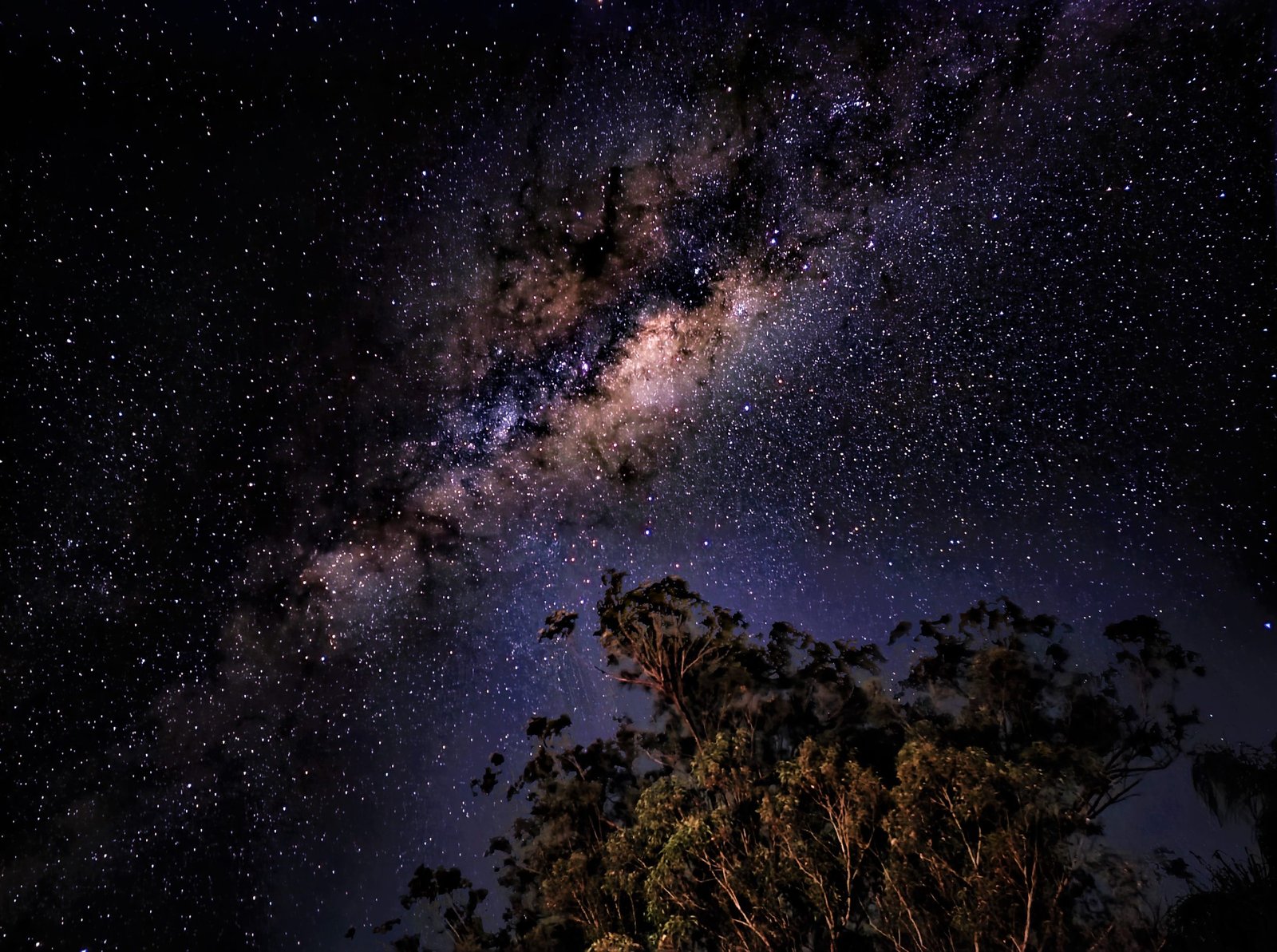
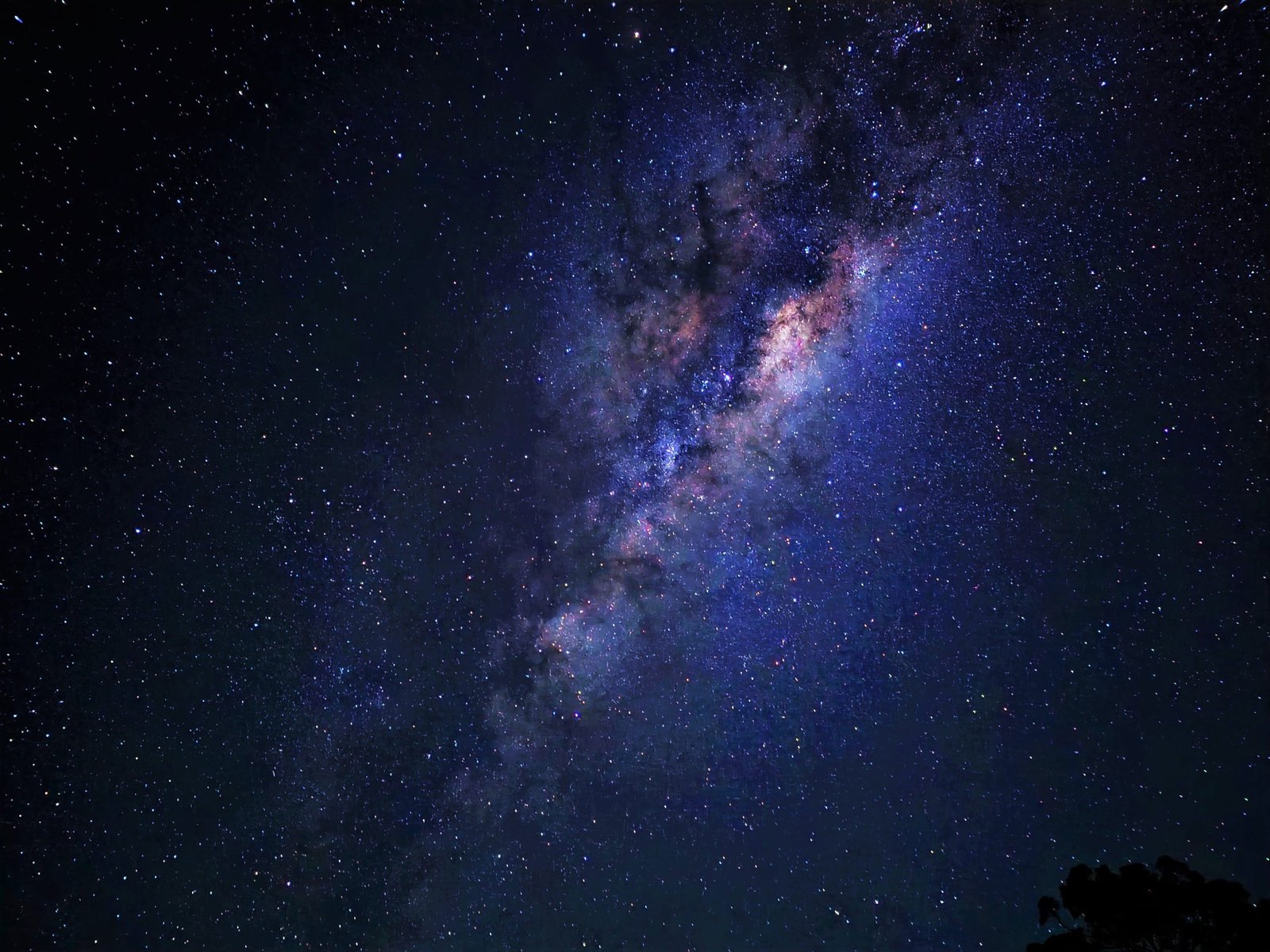
Few things will make you feel just how small you really are, than looking up at the night sky. While we may not always see what a timelapse (or in this case, a nightlapse) captures, the galaxy we live in is always up there.
A nightlapse can get the full essence of the Milky Way’s “galactic core”; the bright centre and trails of stars (arms) in a line extending from it.
In this series is a ‘first-attempt’ shot and edit with Venus low in shot (left), a 30 second shot collection over 4 hours in a nightlapse ‘stack’ and masked trees (below-left) and the final shot from mid-2023, a single unstacked and edited image.