
Australian nature
All of the photos on this page were taken locally on my gear, including Canon M50 and various prime lenses and GoPro Hero 9, some edited in post.
Red-necked Wallaby
(Macropus rufogriseus)
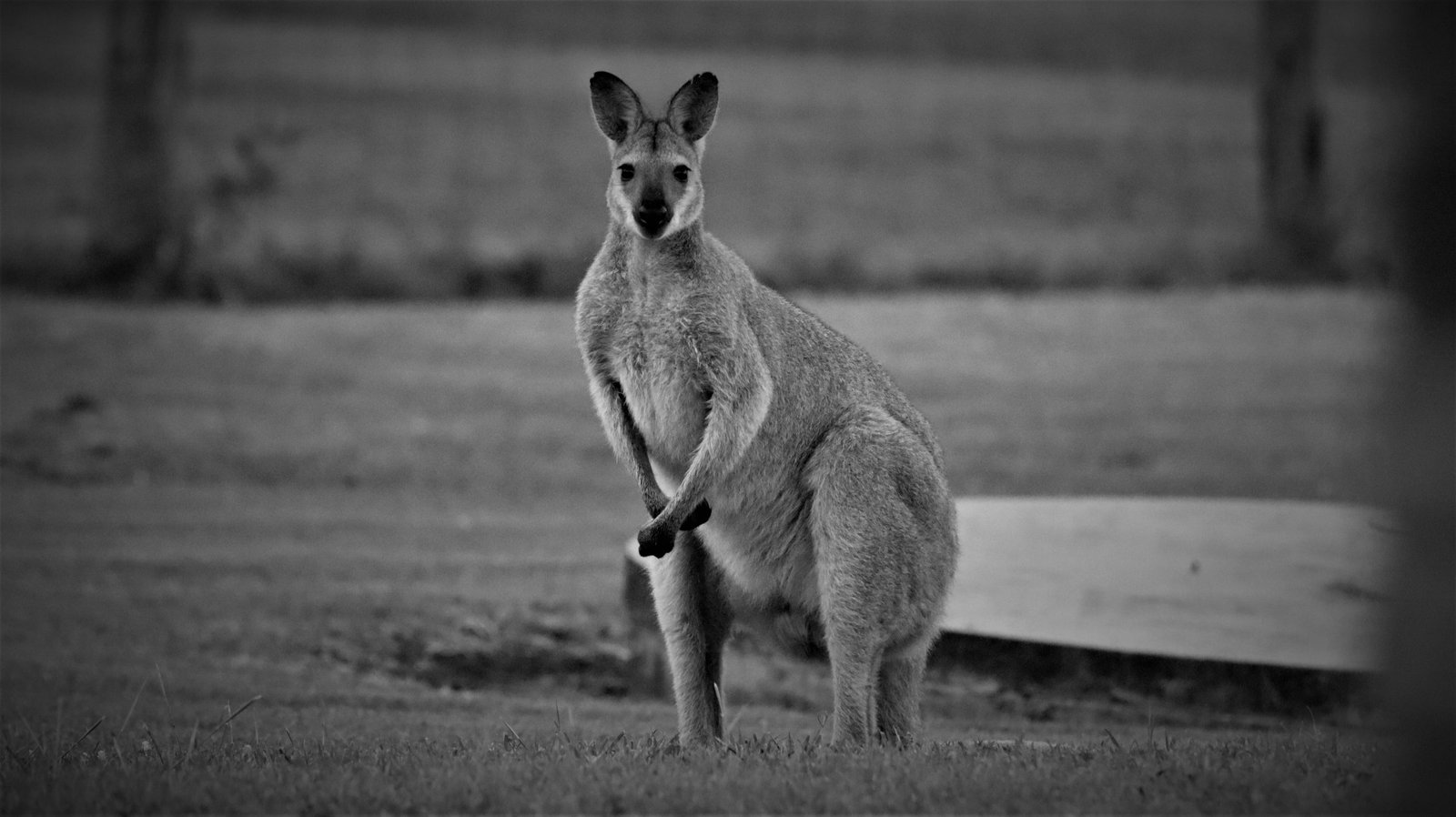
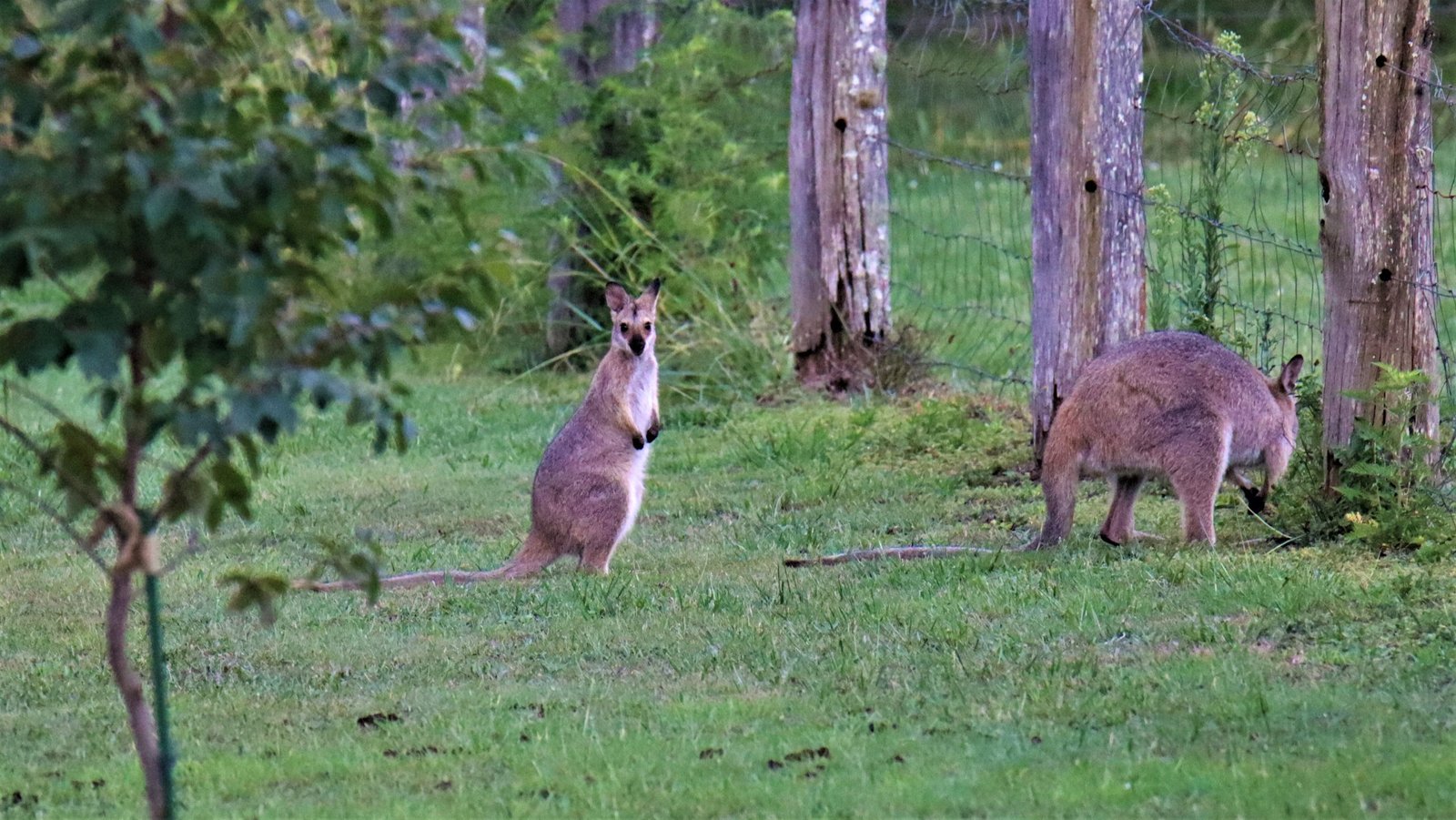
A small mob of Red-necked Wallabies sometimes comes by the paddock, looking for grass to graze on. They’re still quite wild, even though my presence doesn’t seem to affect them. I’ve spotted a mother, a father and at least one joey, as seen in the photos. They’re an integral part of the local fauna.
This species is usually found all along the east coast of Australia, along with others locally, such as the Swamp Wallaby, Brush-tailed Rock Wallaby and Black-striped Wallaby.
Wallabies are known to look much like kangaroos, though their physique is smaller, and this species has a much longer tail than average.
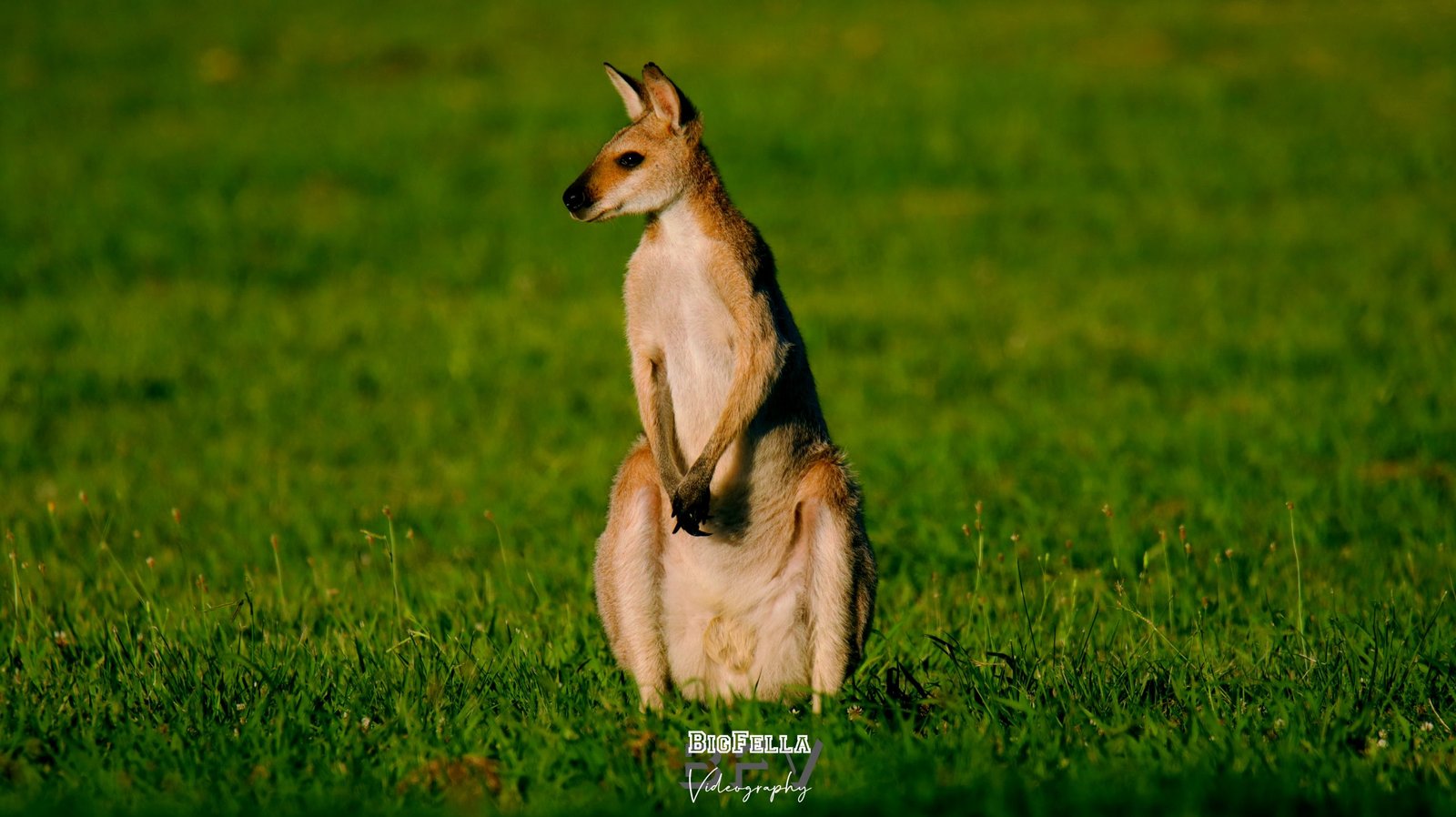
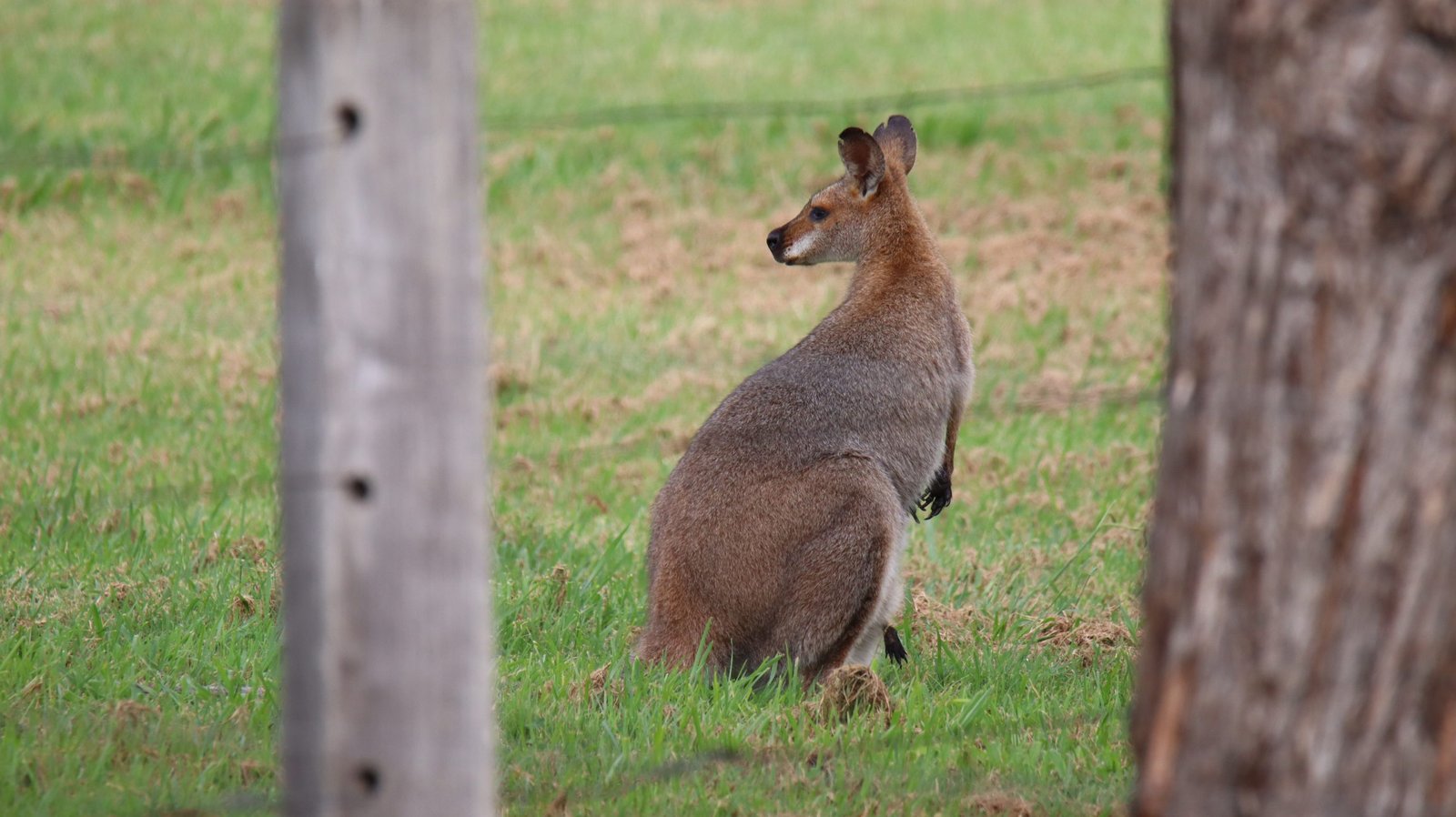
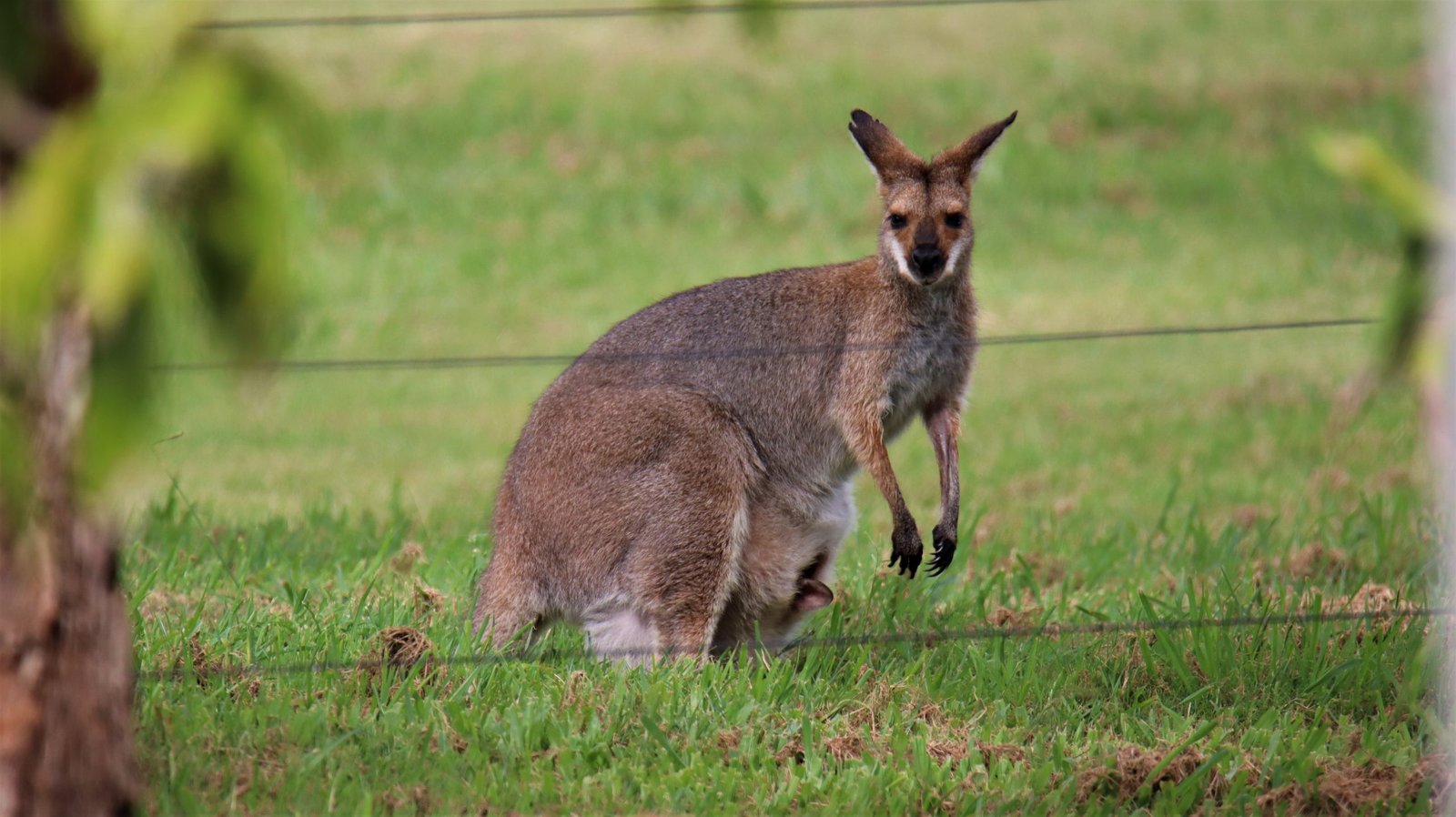
Above: A mother with a young joey in pouch
Green Tree Frog
(Litoria cærulea)
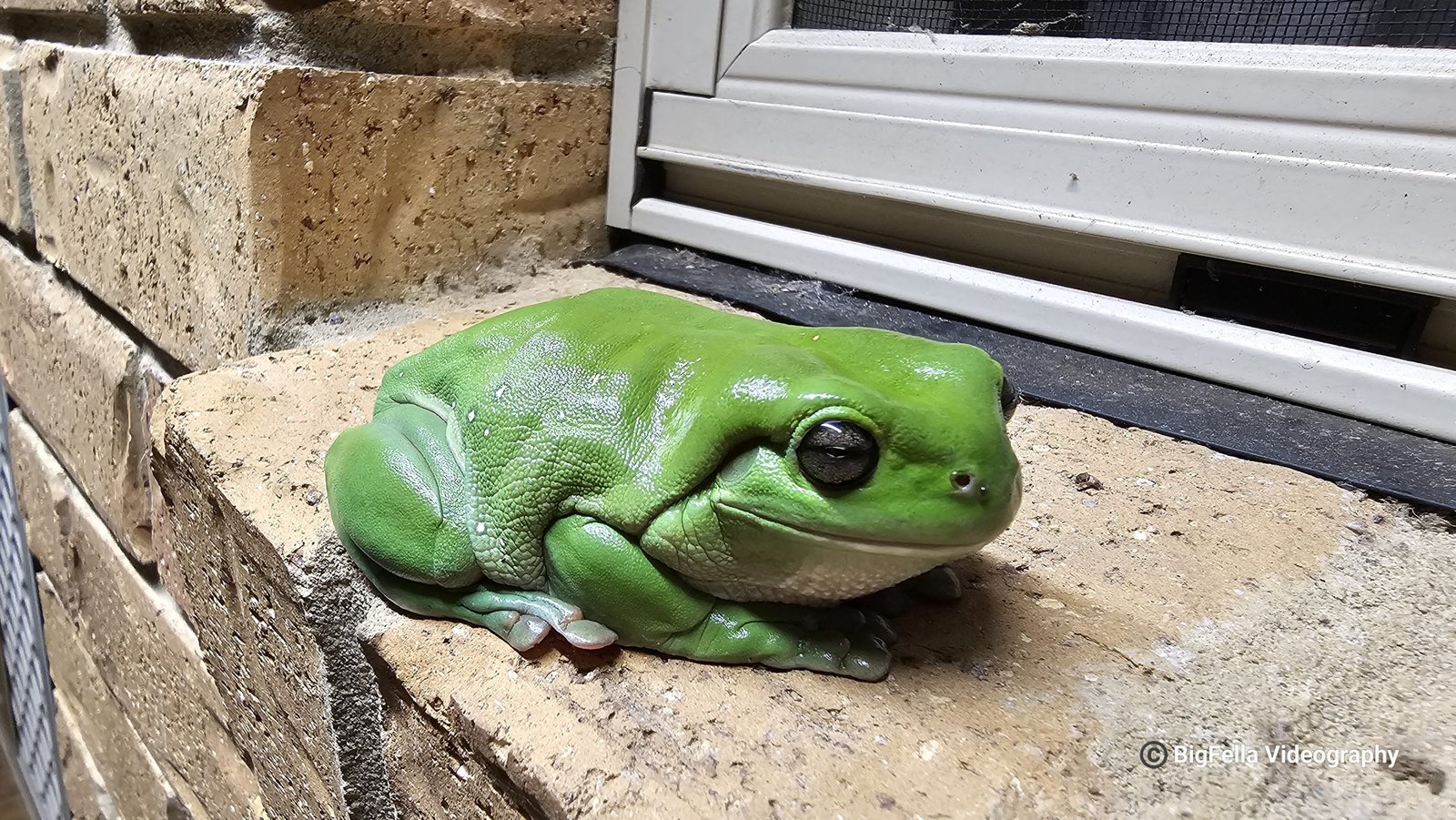
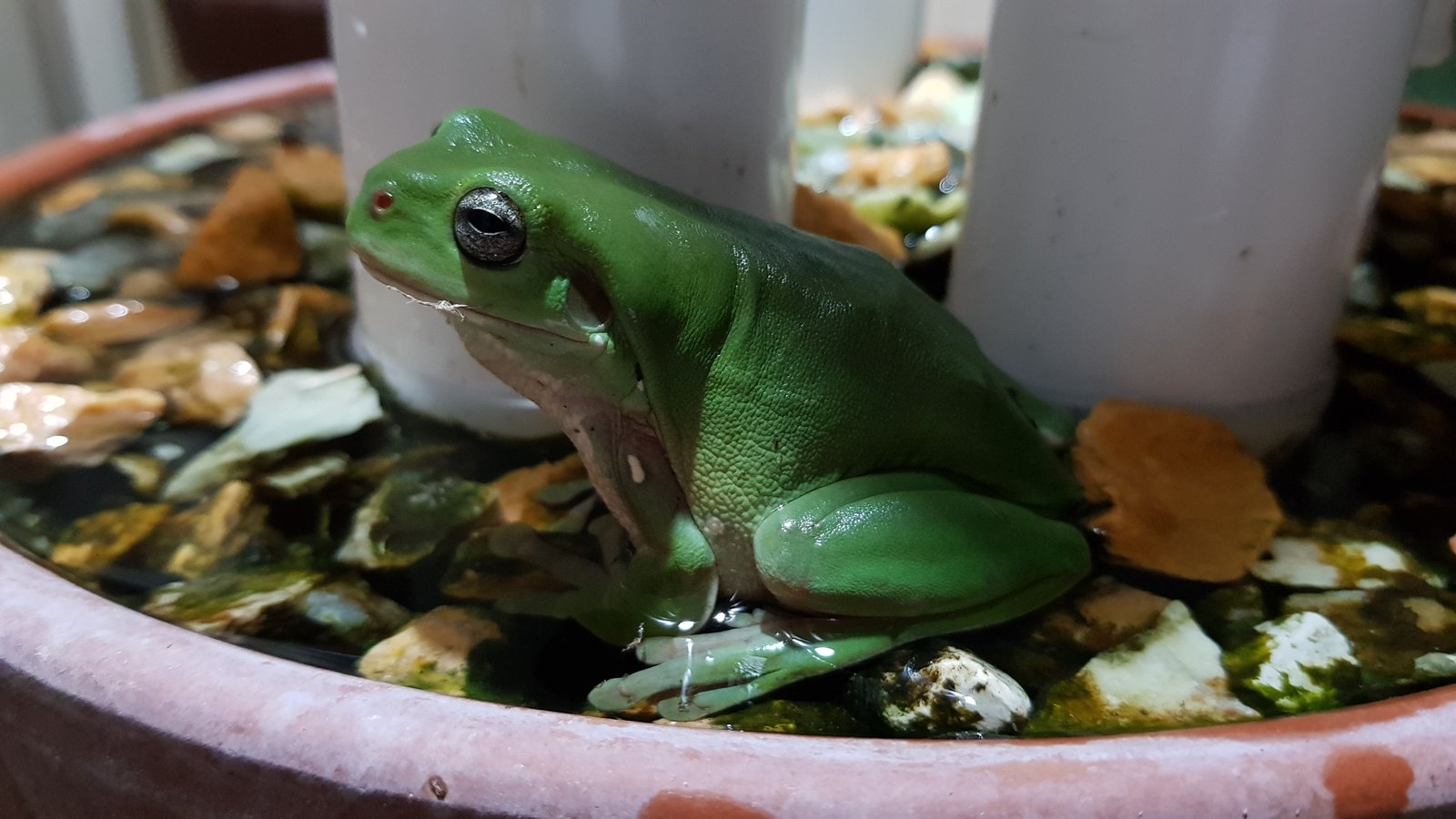
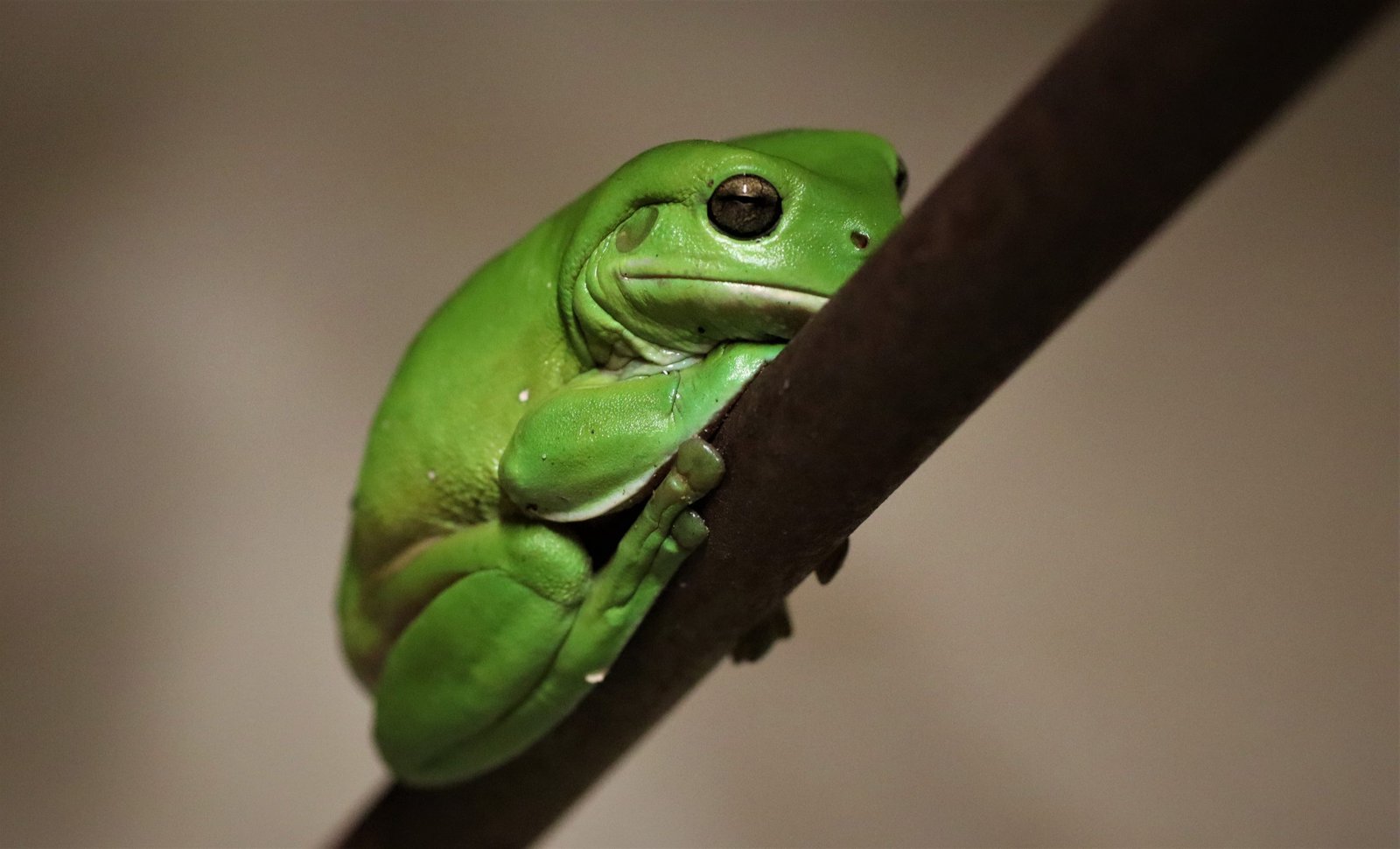
Found throughout almost half of Australia, including the northern areas of WA and NT, most of Qld, NSW, and the northern areas of Vic (over 4 million km²), the Green Tree Frog is a primarily tropical frog that has adapted to more temperate climates. The concentration of their population centres mostly on coastal areas, but are also to be found inland. Their docile nature means they’re unafraid of humans and human habitats. They are a large frog, averaging about 100mm (4 inches) with females being slightly larger than males, and having distinguishing features around the head.
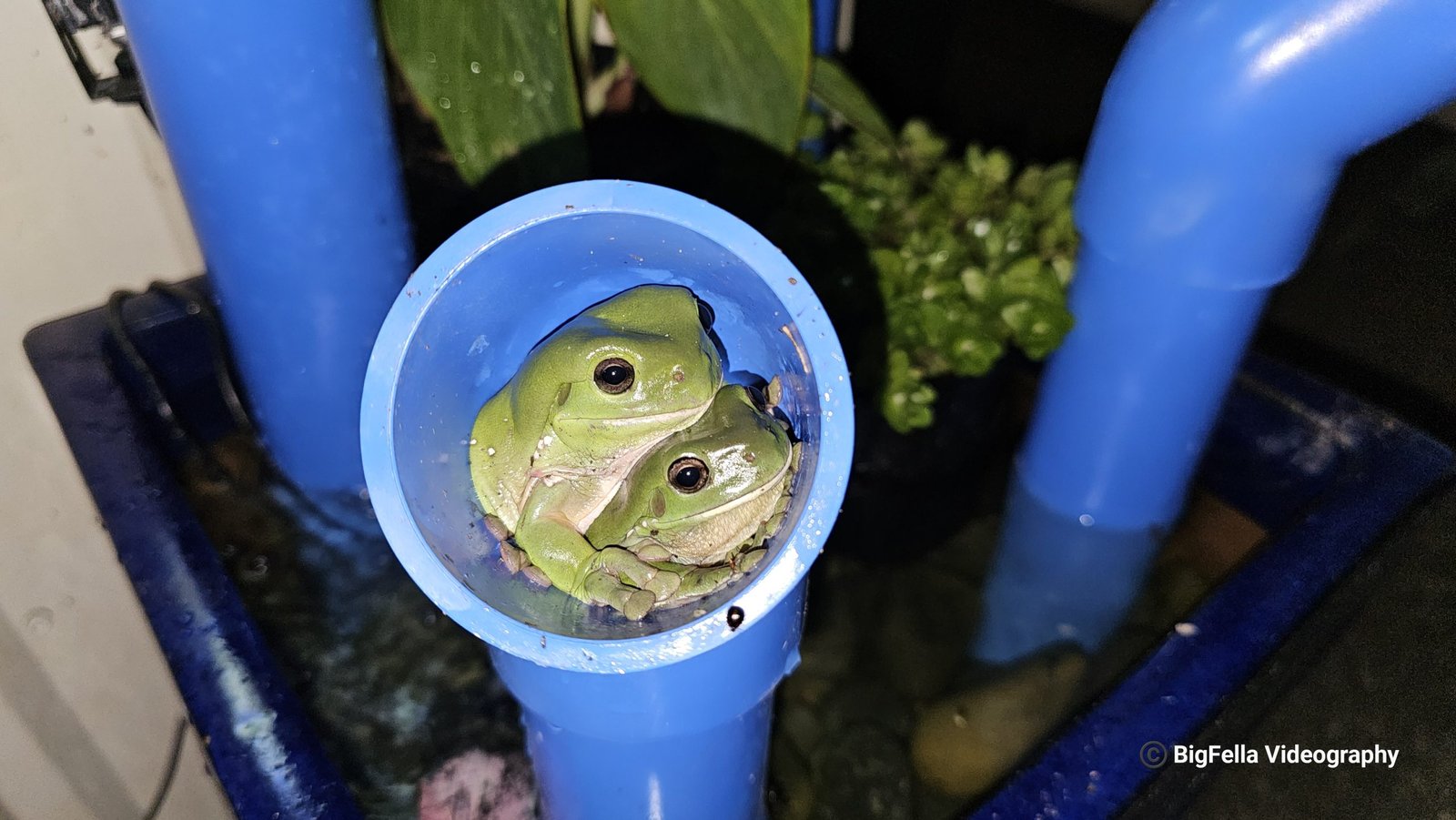
It’s because of their habitats being in decline that they’re more used to being ‘at home’ with human structures, ie. water tanks, rainfall catchment areas such as roof guttering, downpipes and even toilets. Anywhere that provides a relatively safe place with moisture available is where you’re most likely to find them. Since I’ve known them, they’ve been less reliant on tree habitats and moreso on ‘frog hotels’ (pictured, below), which are designed to provide these and other tree frogs with the core elements to daily living: shelter, water and light. Shelter from predators and harsh weather, water for their skin (which is hygroscopic), and light to enable them to catch and eat bugs at night.
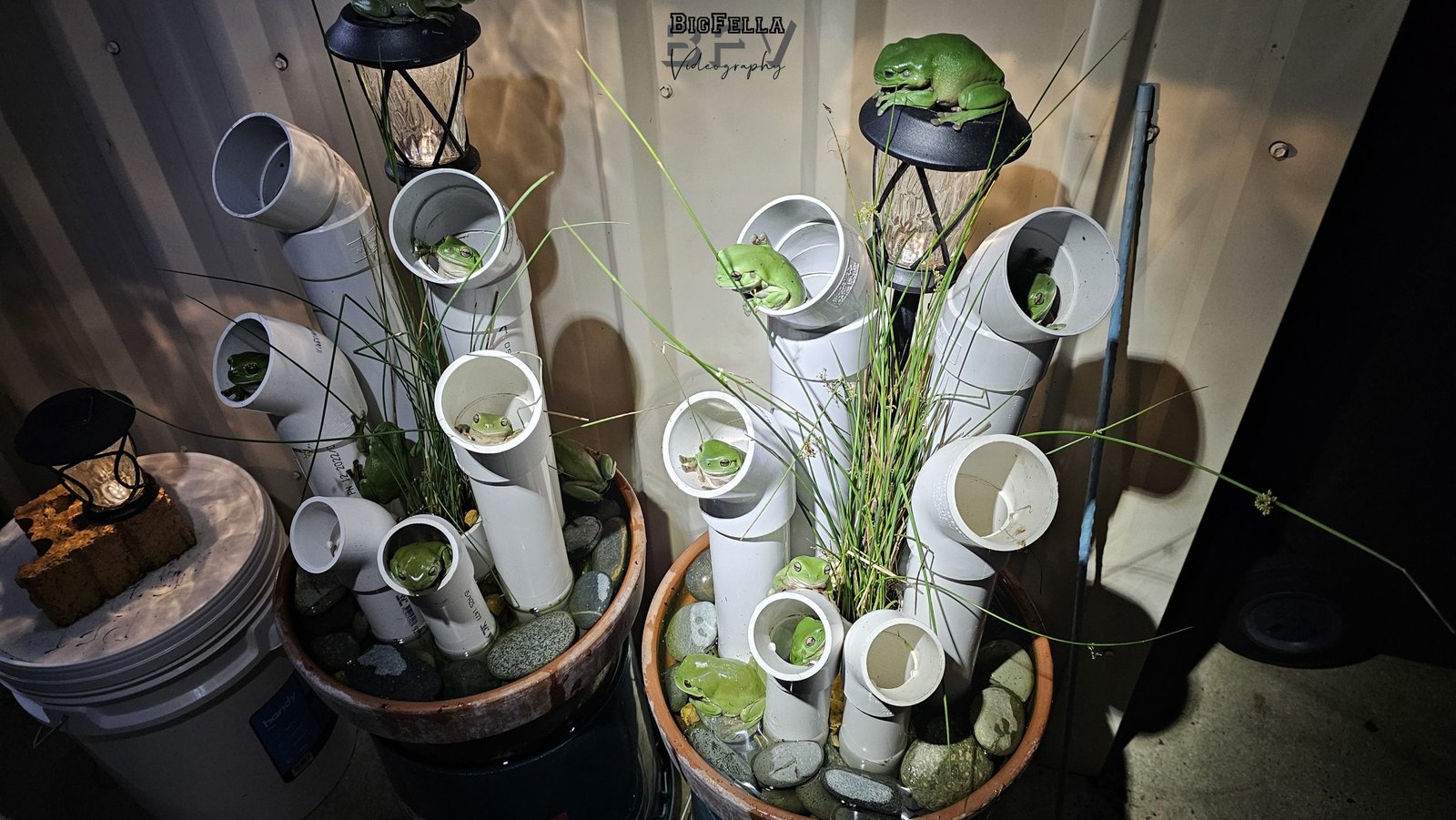
An ‘army’ of Green Tree Frogs in the original Frog Hotels
Two Green Tree Frogs enjoying the new Frog Hotels (2024-25)
Rainbow Lorikeet
(Trichoglossus moluccanus)
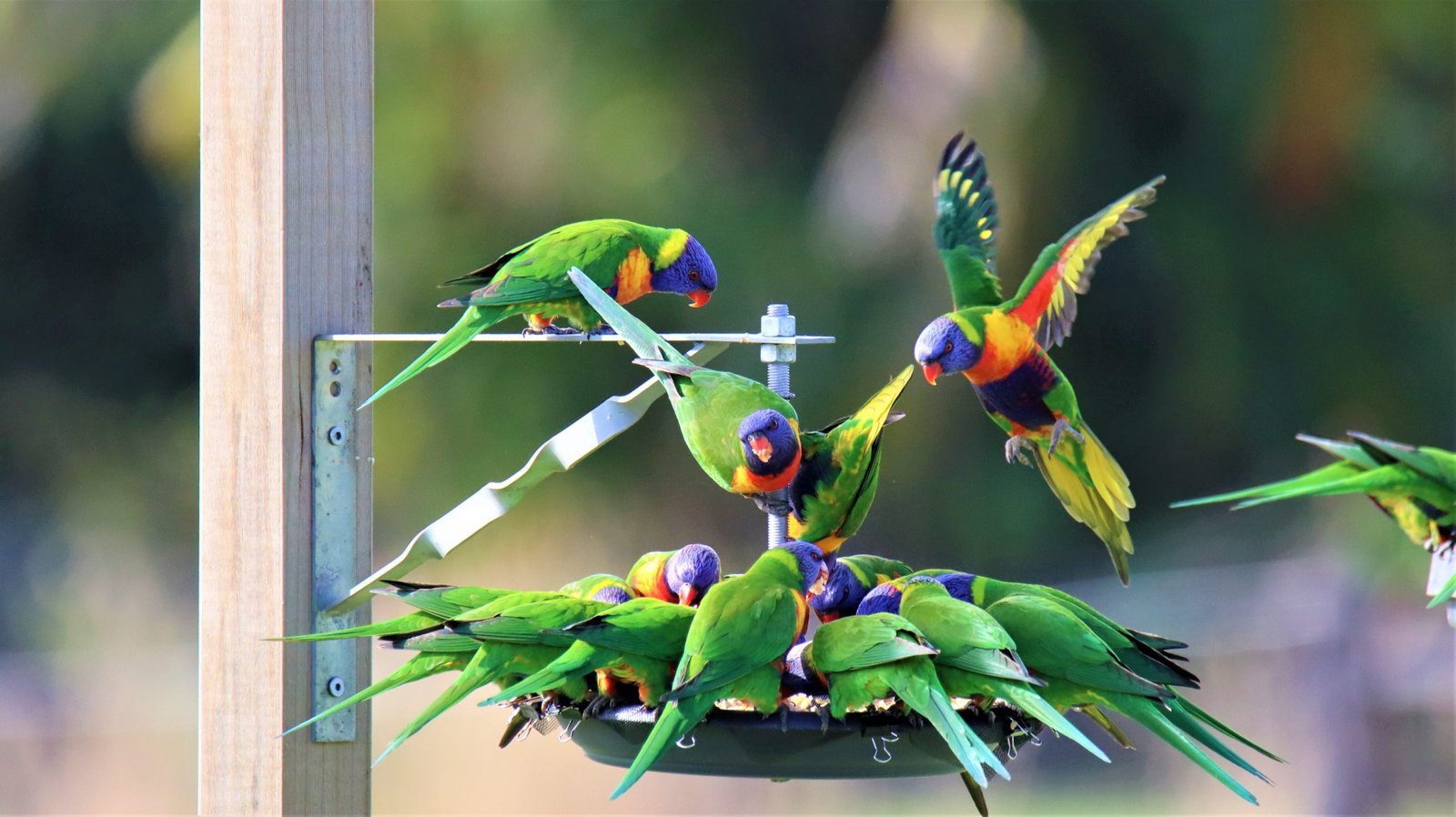
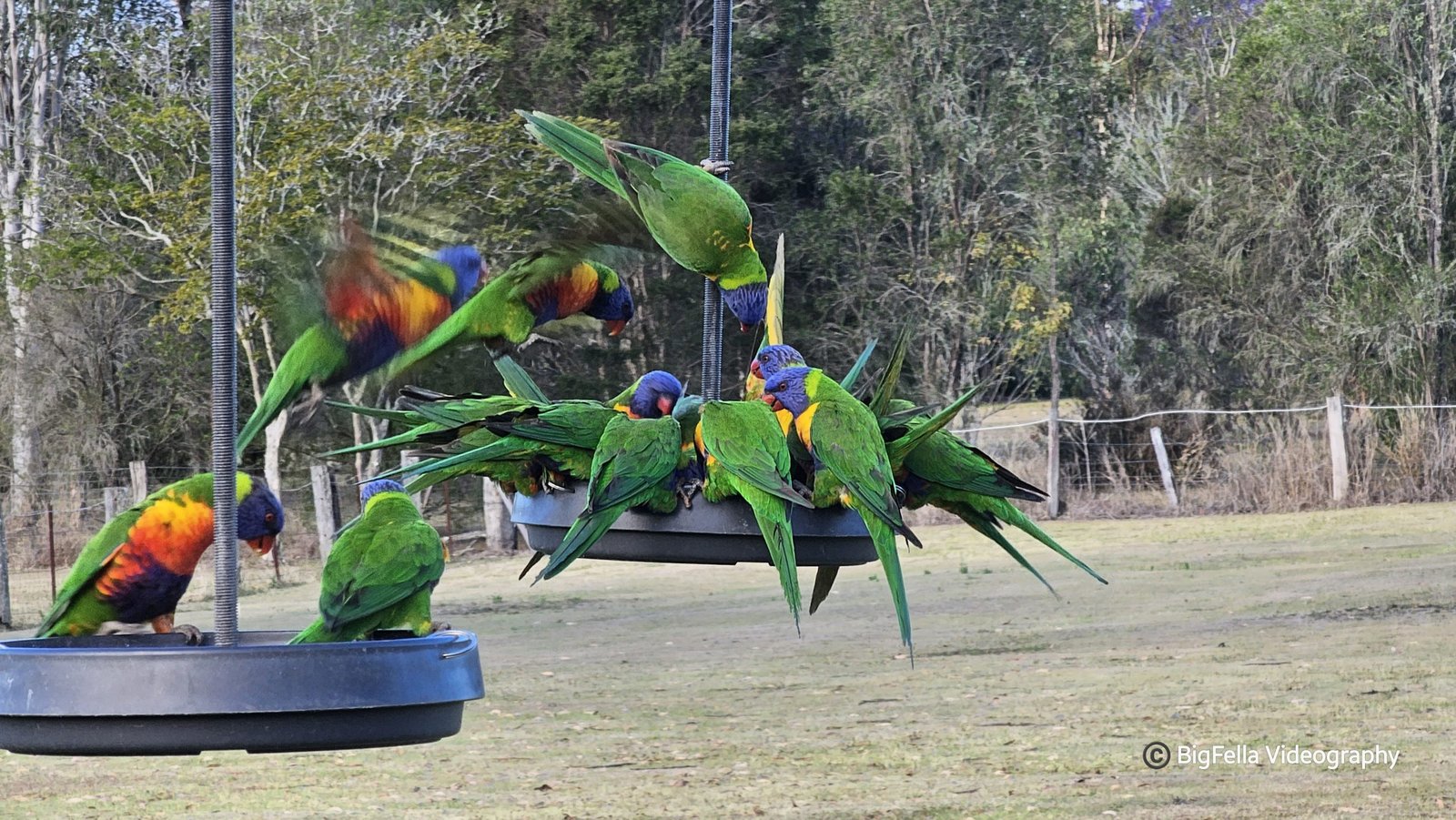
Rainbow Lorikeets flocking for an afternoon feed of apple, banana, pear and strawberries, at the centre of a custom-built bird feeder.
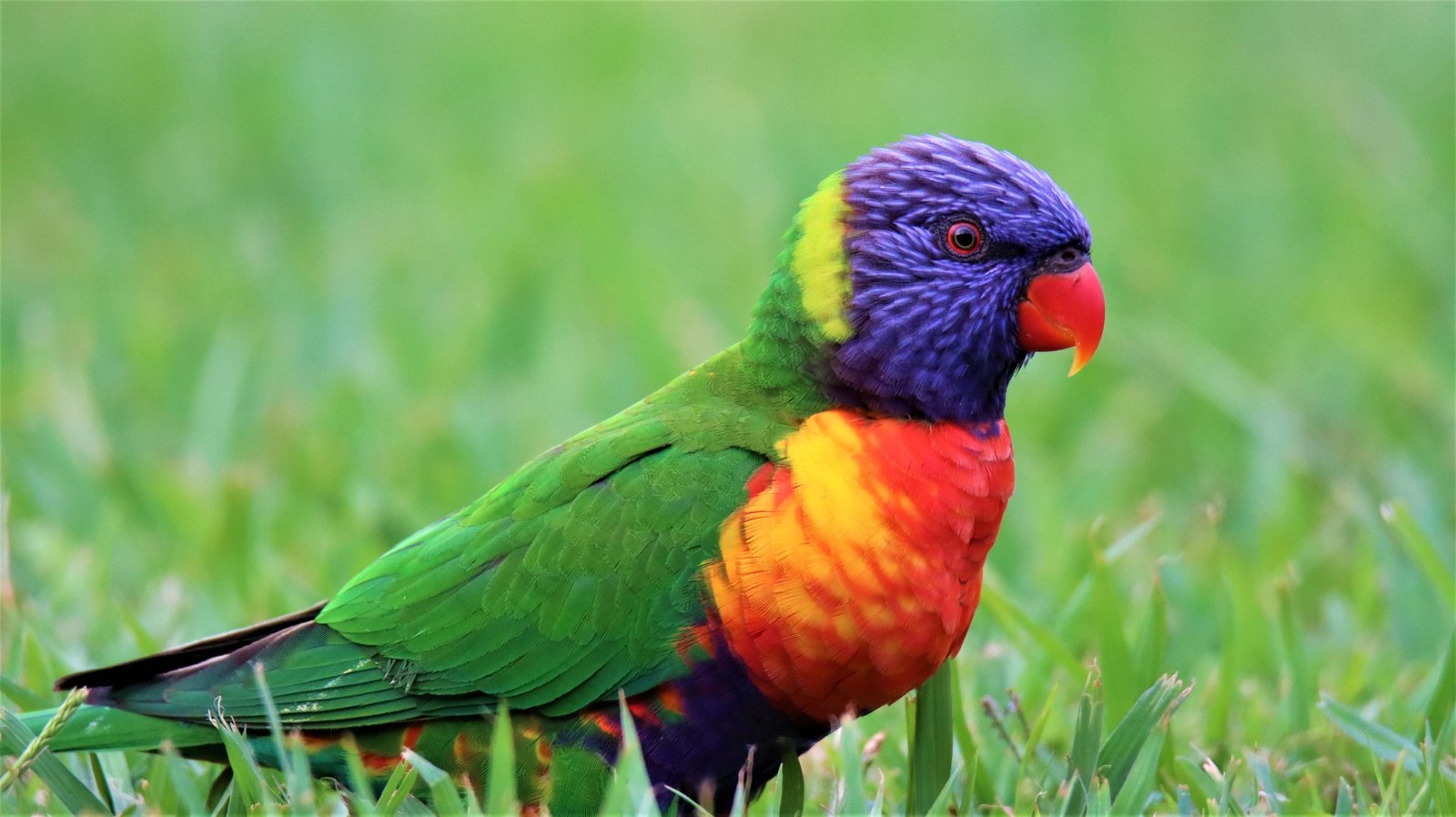
These incredibly colorful birds are endemic to Australia, and for such a small parrot they have quite a large attitude. These uniquely-coloured birds are monomorphic, ie. they have no discernable markings to identify them as being either male or female. It’s believed that Rainbow Lorikeets can see in a colour spectrum outside of what humans perceive, including ultraviolet light, and so it’s thought that this is how they identify which bird is which among the flock. Pairs are known to mate for life, monogamously. There are six known subspecies of Rainbow Lorikeet, spread throughout the country. They feed on plant nectar, seeds and fruits, and a prepared dietary powder mix.
These birds flock in the thousands at Currumbin Sanctuary in Queensland. This area is well known for its twice-daily feeds of Rainbow Lorikeets, and they eat a watery powdered mix.
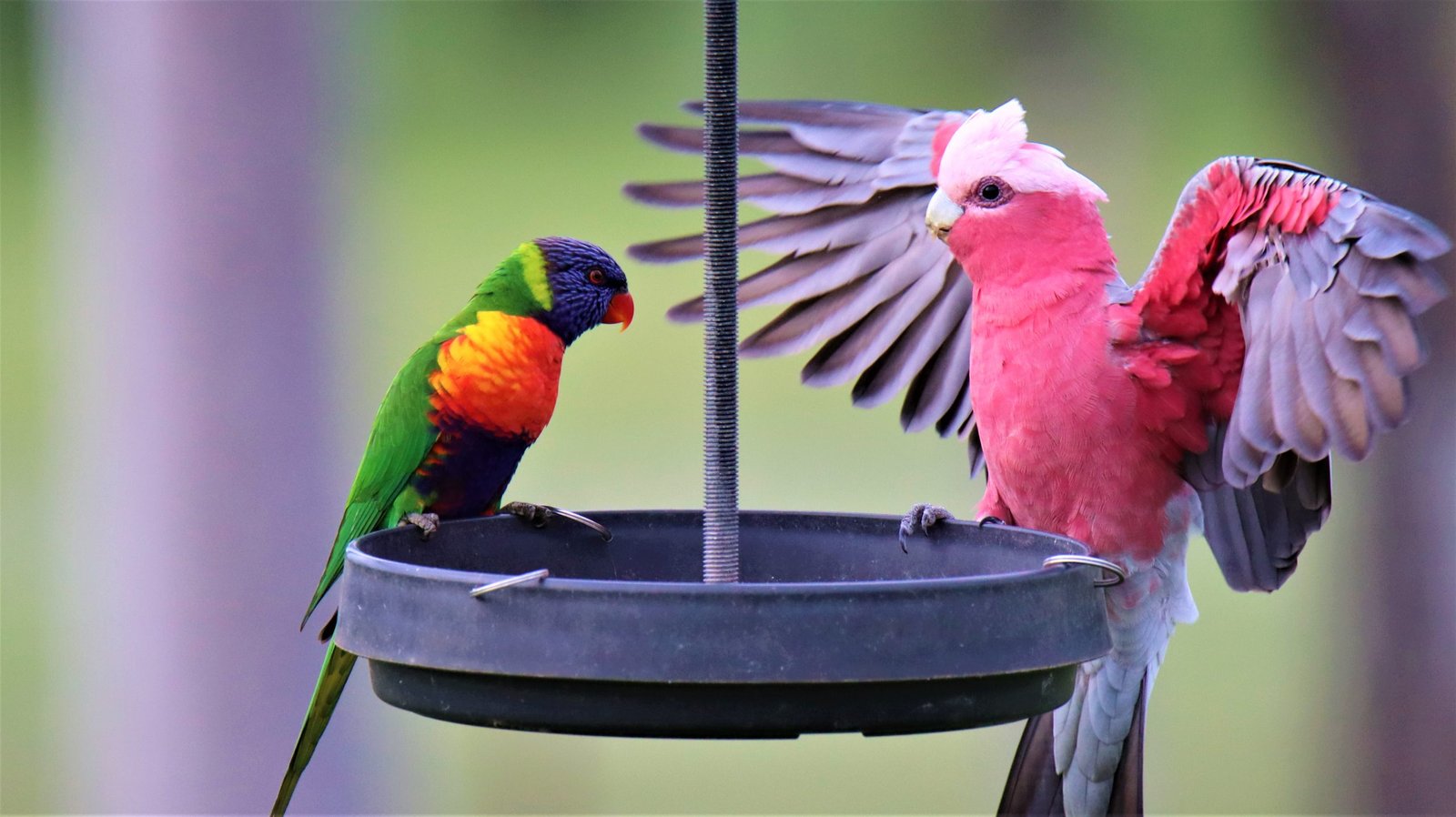
For a small bird they can be quite aggressive, often taking on the likes of birds two or three times their size. In families, this aggression becomes quite loud and is usually heard while feeding in the afternoon, or settling down to rest at night. Though still wild, I can get within a few metres of them without them wanting to fly away. If I’m near the bird feeder, sometimes they’ll fly down and perch to see what’s happening.
Right: A Rainbow Lorikeet asserts dominance on a Pink and Grey Galah (Eolophus roseicapilla), another regular local species.
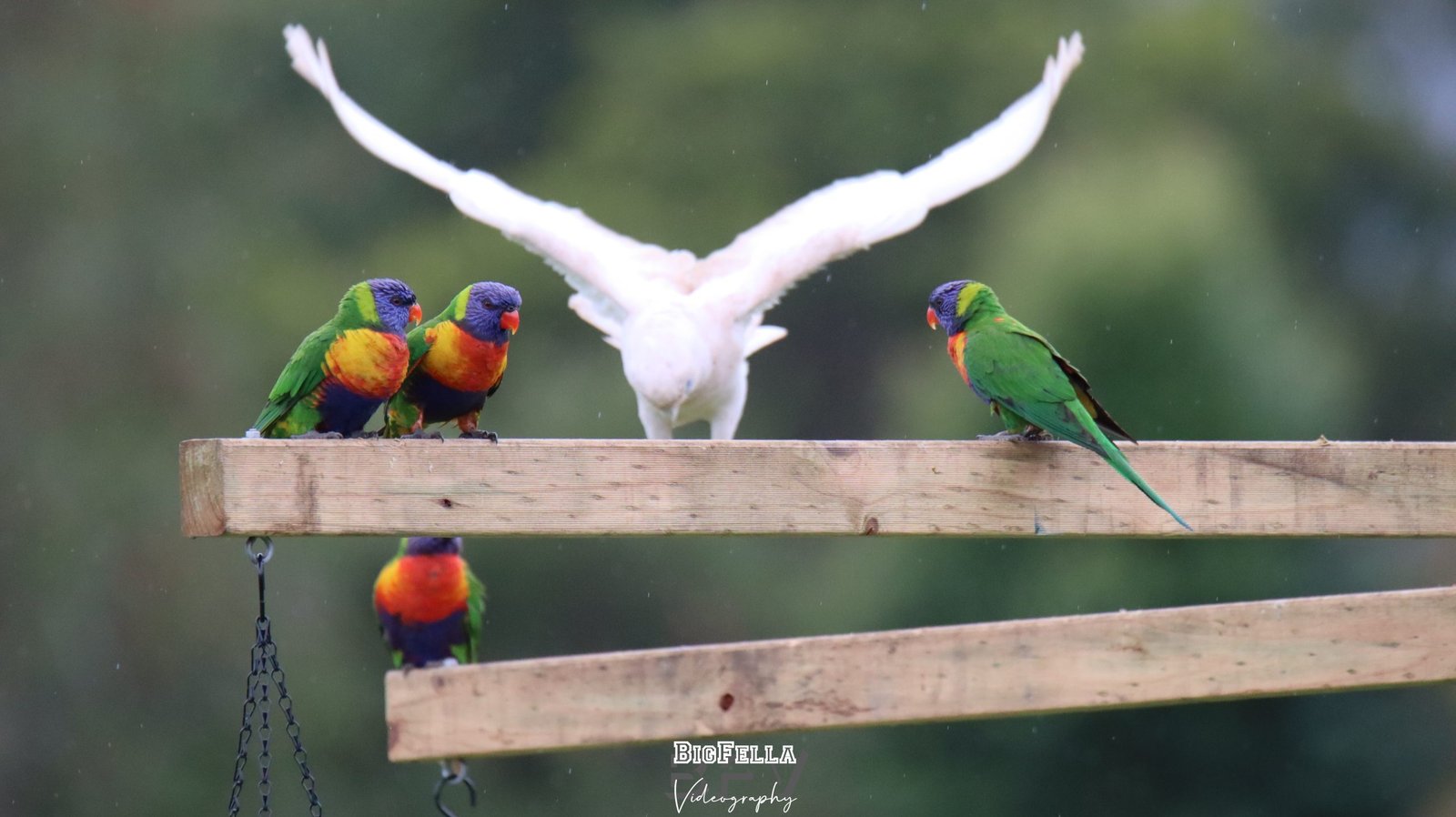
A Little Corella (Cacatua sanguinea) trying to swoop in on
Rainbow Lorikeets
It’s common for an entire family to try to feed out of one tray, which is good for up to maybe 20 birds